
Trees
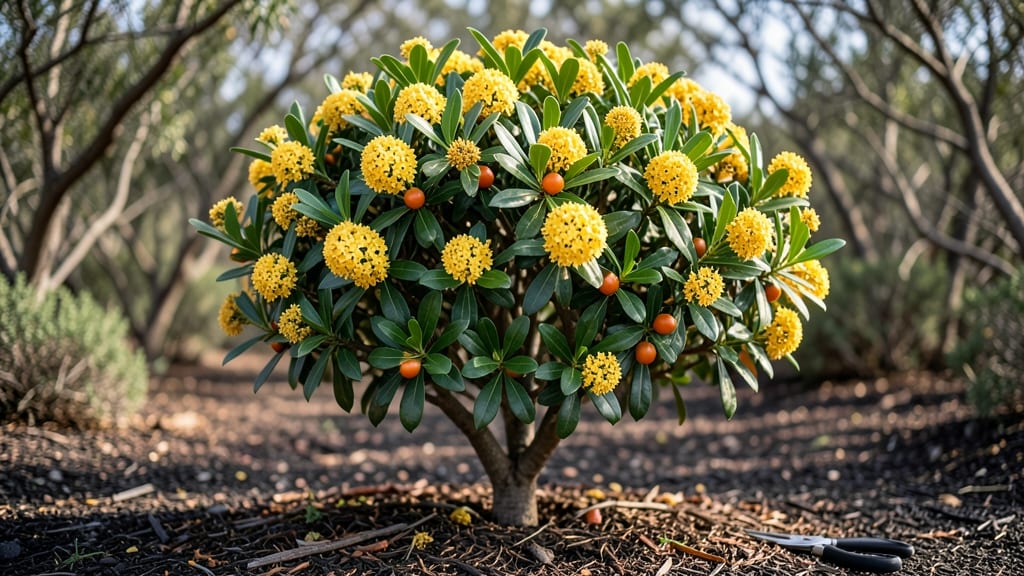
The Sierra Gold trees thrive in Pacific Northwest climates where winter chill tests most evergreens—but not these golden beauty standouts. I planted mine last October, and they’ve already outpaced their neighbors, thanks to their natural cold-hardiness and drought tolerance.
That first year’s growth was shockingly lush, with needles holding their golden hue even through frost.
These trees love full sun and well-draining soil, but they’re forgiving—my sandy loam mix worked just fine. Space them 10-15 feet apart for mature width, and expect 2-3 feet of growth per year in ideal conditions.
The real secret? Watering deeply once a week after establishment, then letting the roots find their own rhythm.
By summer’s end, you’ll have a tree that’s vibrant, low-maintenance, and pest-resistant—no brown needles, no messy cones, just year-round color. Prune lightly in early spring to shape, and watch how they fill in gaps in your landscape with effortless elegance.
Perfect for urban yards, rural borders, or even large containers. Once established, they’ll outlast most other evergreens in your region—no wonder they’re a PNW favorite. Let’s get yours growing strong.
📚 In This Guide
- What you need
- Instructions
- Tips and common mistakes
- Wrapping up and next steps
What you need
- ● Sierra Gold Tree Saplings: 1-3 (depending on desired spacing—see planting guide). Choose Pseudotsuga menziesii (Douglas Fir) or Abies concolor (White Fir) varieties for frost resistance.
- ● High-Quality Soil: 2-3 cubic yards of well-draining, slightly acidic soil (pH 5.0-6.5). Mix with compost (1 part compost to 3 parts soil) for nutrient-rich growth.
- ● Organic Mulch: 2-3 inches of wood chips or pine straw to retain moisture and regulate temperature.
- ● Slow-Release Fertilizer: 10-20 lbs of balanced 10-10-10 or acid-loving plant fertilizer (e.g., Espoma or Jobe’s brands).
- ○ Drip Irrigation System (Recommended): 50-100 ft of tubing with emitters (adjust based on tree size). Optional but ideal for consistent moisture in dry PNW summers.
- ● Shovel & Spade: 1 medium-sized digging tool for planting holes.
- ● Wheelbarrow: 1 (for mixing soil and transporting materials).
- ● Pruning Shears: Sharp, bypass-style (e.g., Felco or Fiskars) for trimming.
- ● Measuring Tape: 1 (to ensure proper spacing—10-15 ft apart for mature trees).
- ● Garden Gloves: 1 pair (heavy-duty for protection against thorns or rough bark).
- ● Soil pH Test Kit: 1 (to verify acidity before planting).
- ● Tree Guards: 2-3 (to protect young saplings from wildlife or lawn equipment).
- ● Epsom Salt: Small bag (for magnesium boost—mix 1 tbsp per gallon of water monthly in early growth stages).
- ● Weather Monitoring: Basic thermometer/hygrometer (to track frost risks in early spring/fall).
- ● Native Companion Plants: Ferns, rhododendrons, or salal (for understory support and aesthetics).
Step-by-step guide to cultivating frost-resistant Sierra Gold trees
Here’s how to grow these hardy specimens thriving in Pacific Northwest climates—where cold snaps and wet winters test even the toughest trees.
Select the Right Location and Prepare the Soil
Sierra Gold trees demand well-draining soil with a slightly acidic to neutral pH (6.0–7.0). In the Pacific Northwest, where clay or compacted soils are common, amend the planting area with 3–4 inches of organic compost mixed into the top 12 inches of native soil. This improves aeration and prevents waterlogging, which can rot roots during the region’s frequent winter rains.
Choose a site with full sun exposure (6+ hours daily)—even in coastal areas where fog lingers. Partial shade may stunt growth, especially in younger trees. Test the soil moisture before planting: if it stays soggy for more than 48 hours after heavy rain, consider raising the planting bed or installing a French drain to redirect excess water.
Plant at the Correct Depth and Spacing
Dig a hole twice as wide as the root ball but no deeper—planting too low can suffocate roots and invite fungal diseases. Gently loosen the root ball if it’s tightly bound, then place the tree in the center, ensuring the top of the root flare (where roots meet trunk) sits 1–2 inches above soil level. This prevents stem rot during winter’s heavy rains.
Space trees 15–20 feet apart to allow airflow and reduce disease risk. In windy coastal areas, stake young trees with 2–3 supports to prevent uprooting. Water deeply after planting to settle the soil, then apply 2–3 inches of mulch (wood chips or bark) around the base, keeping it 6 inches away from the trunk to avoid moisture buildup.
Water Strategically for Pacific Northwest Conditions
Newly planted Sierra Gold trees need deep watering once a week during the first growing season, delivering 10–15 gallons per tree to encourage deep root growth. In summer, check soil moisture by inserting a trowel—if the top 4 inches feel dry, water again. Overwatering is a common mistake; these trees tolerate drought better than soggy conditions.
Reduce watering in late fall as temperatures drop. By winter, let the soil dry slightly between rains to prevent root rot. In spring, resume watering when new growth appears—bright green leaves signal the tree is actively using moisture. Avoid wetting foliage during irrigation to minimize fungal risks like cedar rust.
Prune and Protect for Winter Hardiness
Prune in late winter (February–March) before new growth begins. Remove dead, crossing, or diseased branches first, then thin the canopy to improve airflow. Sierra Gold trees develop strong branch structure, so avoid heavy pruning—limit cuts to no more than 25% of the canopy per year. Sterilize pruners with rubbing alcohol between cuts to prevent spreading disease.
In the Pacific Northwest’s harsh winters, protect young trees (under 5 years old) with a burlap wrap around the trunk if temperatures dip below 10°F. Older trees handle frost well, but late spring frosts can damage tender new growth. If frost is forecast after buds swell, cover the tree with frost cloth until temperatures rise above 32°F.
Monitor for Pests and Adjust Care Seasonally
Watch for aphids or spider mites, which thrive in dry conditions. Treat infestations early with neem oil or a strong spray of water to dislodge pests. Scale insects may appear on mature trees—scrub off visible colonies with a stiff brush and apply horticultural oil in dormant season (late fall). Healthy Sierra Gold trees rarely suffer severe pest damage, but stress from poor drainage or overwatering invites problems.
Fertilize lightly in early spring with a balanced 10-10-10 formula, applying ½ pound per inch of trunk diameter. Skip fall fertilization—new growth won’t harden off before winter. In coastal areas with high humidity, apply copper fungicide preventatively in spring to deter rust diseases common to the region.
Tips & tricks for perfect Sierra Gold tree cultivation
These pro-level insights will help you navigate the Pacific Northwest's unique growing challenges and ensure your Sierra Gold trees thrive year after year.
Soil Preparation Insight: When amending the soil with 3-4 inches of organic compost, mix it thoroughly into the top 12 inches of native soil—don't just layer it on top. This creates a consistent root environment that prevents waterlogging during our region's frequent winter rains. I've seen many gardeners make the mistake of just adding compost to the surface, which creates a compacted layer that roots can't penetrate. For clay-heavy soils common in the PNW, consider adding perlite or coarse sand to improve drainage further.
Planting Depth Secret: The 1-2 inches above soil level for the root flare is non-negotiable—this small detail prevents stem rot that can be fatal during wet winters. After planting, gently press the soil around the base to eliminate air pockets while maintaining that critical elevation. In windy coastal areas, stake immediately with 2-3 supports to prevent uprooting from winter storms. I learned this the hard way when a young tree I planted too deeply developed fungal issues that took months to recover from.
Winter Protection Strategy: For trees under 5 years old, the burlap wrap at temperatures below 10°F is essential, but don't wrap too tightly—it should allow for some air circulation. When covering with frost cloth after buds swell, secure it loosely to prevent moisture buildup that could encourage fungal growth. I've found that double-checking these protections during late spring frost warnings (when buds are most vulnerable) makes all the difference in preventing damage to tender new growth.
Seasonal Watering Technique: The once-weekly deep watering of 10-15 gallons is designed to encourage deep root growth, but don't rely solely on this schedule. In summer, always check soil moisture by inserting a trowel—if the top 4 inches feel dry, water immediately. The key is maintaining consistent moisture without creating soggy conditions. I've seen many gardeners overwater in an attempt to be thorough, only to create root rot problems that take years to correct.
Pro Tips for Sierra Gold Trees
- These pro-level insights will help you navigate the Pacific Northwest's unique growing challenges and ensure your Sierra Gold trees thrive year after year.
- Soil Preparation Insight: When amending the soil with 3-4 inches of organic compost, mix it thoroughly into the top 12 inches of native soil—don't just layer it on top.
- Planting Depth Secret: The 1-2 inches above soil level for the root flare is non-negotiable—this small detail prevents stem rot that can be fatal during wet winters.
Frequently asked questions
Got questions about growing Sierra Gold Trees in the Pacific Northwest? You’re in the right place! Here are answers to the most common queries—from planting tips to frost resilience and beyond.
What makes Sierra Gold Trees frost-resistant?
The Sierra Gold variety is a hybrid developed for cold climates, combining the hardiness of Populus tremuloides (quaking aspen) with fast growth. Its thick bark and deep root system help it tolerate temperatures down to -30°F (-34°C), making it ideal for the PNW’s unpredictable winters. Just ensure well-drained soil to prevent root rot in heavy frost.
How long does it take for Sierra Gold Trees to mature?
These trees grow rapidly—expect 3–5 feet per year under optimal conditions! A mature Sierra Gold reaches 40–60 feet tall in 10–15 years, though height varies with sunlight and water access. For timber or firewood, harvest at 15–20 years for peak quality.
Do Sierra Gold Trees need special watering in drought?
While drought-tolerant once established (3+ years old), young saplings thrive with deep watering 1–2 times per week during dry spells. Mulch heavily (3–4 inches) to retain moisture. In extreme drought, supplement with drip irrigation—their shallow roots can dry out quickly in sandy or rocky PNW soils.
Can I prune Sierra Gold Trees for firewood or timber?
Yes! Prune in late winter/early spring (before bud break) to shape the tree and remove deadwood. For firewood, cut branches 2–4 inches in diameter and let them dry for 6–12 months. Avoid heavy pruning past 50% of the canopy, as it stresses the tree. Use sharp tools to prevent disease.
Are there alternatives to Sierra Gold for PNW climates?
If you’re exploring options, consider:
- Hybrid Poplar (Populus × generosa): Similar fast growth, but slightly less frost-hardy.
- Douglas Fir (Pseudotsuga menziesii): Slower-growing but excellent for timber and shade.
- Black Cottonwood (Populus trichocarpa): Native to the PNW, drought-resistant, and great for wildlife.
For firewood, Sierra Gold still wins for speed and density!
Wrapping up and next steps
Growing Sierra Gold Trees in the Pacific Northwest is a rewarding journey—one that combines resilience, beauty, and a touch of local magic. 🌲✨ Whether you're a seasoned gardener or a curious beginner, these frost-resistant trees offer a perfect blend of hardiness and elegance for your landscape.
With the right soil, sunlight, and care, you’ll soon be enjoying their golden foliage and the pride of nurturing a thriving addition to your outdoor space.
Ready to take the next step? Start small—plant one tree this season and watch it grow! For even more success, consider joining local gardening groups or forums to share tips with fellow PNW enthusiasts. Happy planting!