
Trees
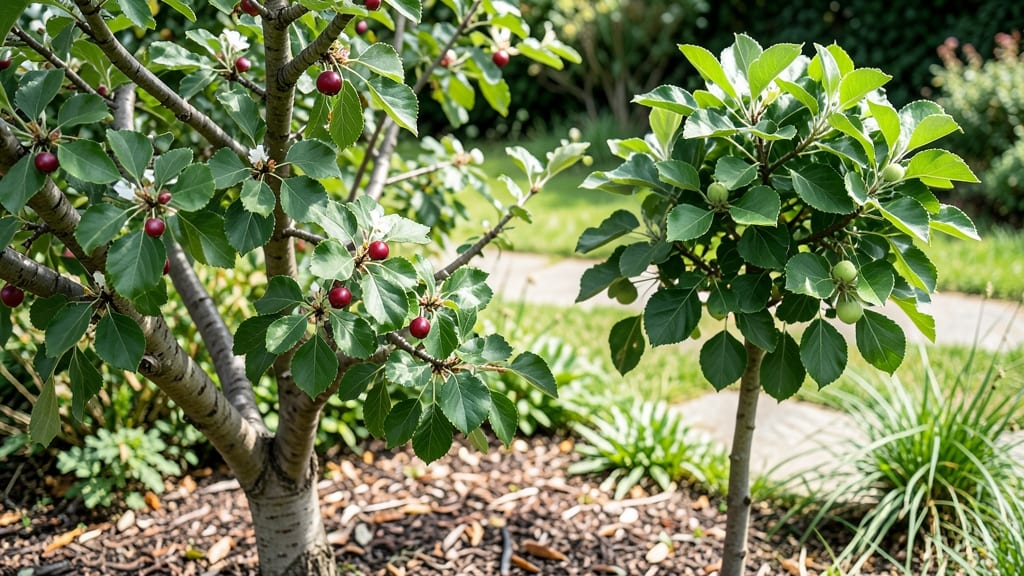
Shrub fruit trees like blueberries and currants are the unsung heroes of small gardens—packing flavor into compact spaces while thriving where traditional fruit trees would freeze. 🌿 I planted mine after years of struggling with finicky apple trees, and now we harvest berries from late spring through fall without the fuss of sprawling orchards.
The secret lies in their cold-hardy nature and low-maintenance care. These shrubs handle everything from sweltering summers to subzero winters, and they reward you with four to six weeks of harvest per season.
Blueberries need acidic soil, while currants and elderberries adapt to neutral pH, making them versatile for different garden zones.
You’ll end up with berries so sweet they’ll make your neighbors ask for cuttings—plus, the shrubs stay tidy with minimal pruning. The first year is all about establishing roots, but by year two, you’ll have enough fruit to freeze, bake, or eat fresh all season long.
Works beautifully in backyard corners, raised beds, or even large containers. Whether you’re in Zone 3 or 8, these shrubs will outperform traditional fruit trees in both yield and ease. Let’s get growing!
📚 In This Guide
- What you need
- Instructions
- Tips and common mistakes
- Wrapping up and next steps
What you need
- ● Shrub fruit tree plants: 3–5 young, cold-hardy varieties (e.g., Amelanchier, Ribes, or Actinidia arguta) from a trusted nursery.
- ● Well-draining soil: Mix 1 part compost and 2 parts native soil (or use pre-mixed organic potting soil for containers).
- ● Organic mulch: Wood chips or straw (2–3 inches thick) to retain moisture and regulate temperature.
- ● Watering can or hose: With a gentle spray nozzle for delicate roots.
- ● Balanced fertilizer: 10-10-10 or organic options like fish emulsion (follow package rates).
- ● Pruning shears: Sharp, sterilized shears for shaping and maintenance.
- ○ Support structures (optional for vining types): Trellis or stakes for arctic kiwi or hardy grapes.
- ● Garden gloves: Protect your hands from thorns (especially on gooseberries or currants).
- ● pH test kit: Ensure soil pH is 5.5–7.0 (most shrub fruits prefer slightly acidic to neutral).
- ● Drip irrigation system: Automates watering for consistent moisture.
- ● Bird netting: Protects fruit from pests like birds or squirrels.
- ● Container pots: 15–25 gallon pots with drainage holes (for urban growers).
- ● Cold frame or row cover: Extends the growing season in frost-prone zones.
How to plant and care for cold-hardy fruit shrubs
These compact, resilient plants deliver fruit year after year—here’s how to set them up right.
🌱 Step 1: Choose the Right Location for Year-Round Growth
Shrub fruit trees thrive in full sun—at least 6-8 hours daily—but they’re tougher than full-sized trees. Look for a spot with well-draining soil and shelter from strong winds (they’ll fruit better without constant buffeting). I always check the microclimate: even a north-facing corner with afternoon sun works if the soil drains well.
Dig a hole twice as wide as the root ball but only as deep—planting too deep suffocates roots. Loosen the edges of the root ball gently with your fingers to encourage outward growth. This ensures roots spread quickly into the surrounding soil, which means better cold resistance and fruit production.
💧 Step 2: Plant and Water for Immediate Stability
Place the shrub in the hole so the top of the root ball sits level with the soil line—never mound soil against the trunk. Backfill with a mix of native soil and 20% compost (the compost improves drainage while retaining moisture). Tap the soil lightly around the roots to remove air pockets, but don’t compact it.
Water deeply right after planting—about 1 gallon per shrub—to settle the soil. Then, water every 2-3 days until new growth appears. The goal is to keep the soil moist but not soggy during the first 4-6 weeks. Overwatering now can rot roots before they establish.
☀️ Step 3: Prune for Shape and Cold Hardiness
Prune immediately after planting to remove any broken branches and shape the shrub into a rounded, open form. This encourages airflow, which reduces disease and helps the plant survive winter freezes. Cut back any crossing branches or suckers growing from the base—these compete for nutrients and weaken the plant.
In late winter (just before buds swell), do a light pruning to remove dead wood and thin out crowded areas. Never prune more than 25% of the shrub at once, or you’ll stress it. I like to prune in stages: first year, focus on structure; second year, refine shape. This gradual approach builds resilience.
⏰ Step 4: Maintain Through Seasons for Consistent Fruit
Fertilize once in early spring with a balanced, slow-release fertilizer (10-10-10 works well). Avoid high-nitrogen fertilizers—they push leafy growth at the expense of fruit. Water deeply once a week during dry spells, but reduce watering in fall to harden off the plant for winter.
Mulch with 2-3 inches of organic mulch (like wood chips) around the base, keeping it 6 inches away from the trunk. This insulates roots in winter and retains moisture in summer. Watch for pests like aphids or scale—a strong spray of water usually knocks them off, but severe infestations need neem oil.
Tips & tricks for perfect cold-hardy fruit shrubs
Real talk: these resilient plants need the right approach to thrive—and here's what nobody tells you.
Sunlight Strategy: That 6-8 hours of daily sun is non-negotiable, but don't assume every sunny spot works equally. I've planted in north-facing corners with afternoon sun that actually produced better fruit than a hot, west-facing spot. The key is consistent sunlight without afternoon heat stress during summer months. If your yard has limited sun, consider container planting where you can move them to sunnier spots seasonally.
Root Ball Handling: When you're loosening those root edges in Step 1, don't just poke around randomly—focus on the outer 1-2 inches of the root ball. This encourages roots to grow outward rather than circling, which happens when roots get compacted. I've seen plants with roots circling the root ball for years, which severely limits their ability to access nutrients and water. Use your fingers to gently separate these outer roots, almost like you're untangling a hairball.
Watering Wisdom: That first gallon of water after planting isn't just about settling the soil—it's about creating a proper soil-plant interface. Pour it slowly in concentric circles around the root ball, letting it soak in gradually. This prevents air pockets from forming between roots and soil. After the initial watering, I use a moisture meter to check soil moisture rather than guessing. The goal is to keep that top 6 inches of soil consistently moist but never soggy during the critical 4-6 week establishment period.
Pruning Precision: When you're shaping that rounded form in Step 3, think about creating a "cage" structure rather than just trimming randomly. The open center allows sunlight to reach all branches, which is crucial for fruit production. I like to leave 3-4 main branches as my framework, then fill in the gaps with smaller branches. This creates that perfect balance of airflow and sunlight penetration that these shrubs love.
Pro Tips for Shrub Fruit Trees
- Real talk: these resilient plants need the right approach to thrive—and here's what nobody tells you.
- Sunlight Strategy: That 6-8 hours of daily sun is non-negotiable, but don't assume every sunny spot works equally.
- Root Ball Handling: When you're loosening those root edges in Step 1, don't just poke around randomly—focus on the outer 1-2 inches of the root ball.
Frequently asked questions
Got questions about shrub fruit trees?
You’re not alone! Here are answers to the most common queries to help you grow confidently—whether you’re a beginner or a seasoned gardener.
What are the fastest-growing shrub fruit trees for quick harvests?
If you’re eager for fruit, opt for arctic kiwi (hardy kiwi) or juneberry (saskatoon berry), which can bear fruit in 2–3 years. Honeyberry is another speedy choice, thriving in cold climates and producing fruit within 2–4 years with proper care.
Can shrub fruit trees survive extreme winter cold (Zone 3 or lower)?
Varieties like arctic kiwi, honeyberry, and saskatoon berry are Zone 3–4 hardy and can tolerate temps as low as -30°F (-34°C). Mulch heavily in fall and prune in late winter to protect tender growth.
How do I tell if my shrub fruit tree is producing fruit—or just leaves?
Look for small, flower-like buds in early spring (these turn into fruit). If you see no flowers but lots of leaves, your tree may need more sun (6+ hours/day), balanced fertilizer, or better pollination. Some varieties are self-pollinating, but others need a second plant nearby!
Do shrub fruit trees need special pruning? How often?
Prune once a year in late winter or early spring to remove dead wood and shape the shrub. Thin out crowded branches to improve airflow (reduces disease) and encourage fruit production. Avoid heavy pruning in fall—it can stress cold-hardy varieties before winter.
What’s the best way to harvest and store shrub fruit?
Harvest when fruit is fully colored and slightly soft to touch (e.g., honeyberries turn deep blue-black). Store arctic kiwi and saskatoon berries in the fridge for up to 2 weeks. Freeze extras for smoothies or jams! Honeyberries last 3–5 days at room temp but ripen faster when refrigerated.
Why aren’t my shrub fruit trees fruiting? Troubleshooting tips.
Not enough sun?
Move to a sunnier spot (most need 6+ hours/day).
Poor soil?
Test pH (ideal: 6.0–7.0) and amend with compost.
No pollinators?
Plant a second compatible variety nearby or hand-pollinate with a soft brush.
Over-fertilized?
Too much nitrogen = leaves, not fruit. Use a low-N, high-P fertilizer in spring.
Wrapping up and next steps
Shrub fruit trees are a game-changer for gardeners seeking year-round harvests without the fuss of traditional trees. Their cold-resistant nature and compact size make them perfect for small spaces, urban gardens, or even containers—proving that delicious fruit doesn’t require a sprawling orchard.
Whether you’re a beginner or a seasoned grower, these versatile plants offer low-maintenance rewards with minimal space and effort.
Ready to grow your own bounty? Start by picking a variety that thrives in your climate, then roll up your sleeves and plant! Your future self (and taste buds) will thank you. 🌱🍓