
Pruning
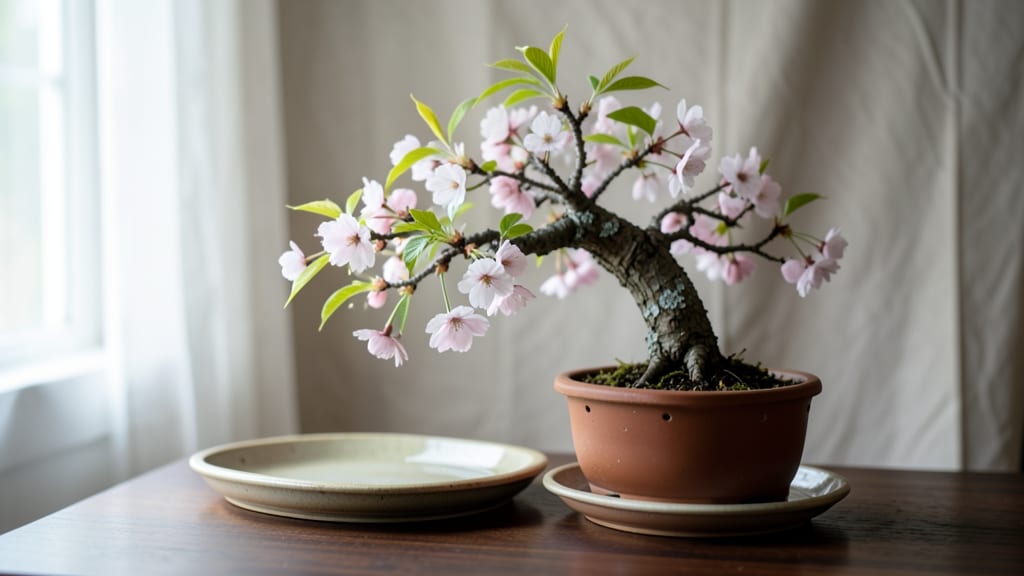
Creating a sakura tree bonsai from delicate blooms requires patience and precision—every cut shapes not just the tree, but the very essence of spring you’ll bring indoors. 🌸 I’ve spent years refining my approach after my first attempt produced a lopsided, sparse tree that barely bloomed.
The difference between a struggling bonsai and one that bursts with pink perfection lies in the details: soil that drains like a mountain slope, pruning that mimics nature’s balance, and knowing exactly when to coax those iconic flowers.
The right sakura variety makes all the difference—Japanese Prunus serrulata or Prunus yedoensis are the gold standards for their resilience and abundant blooms.
You’ll need a well-draining bonsai mix (50% akadama, 30% pumice, 20% organic matter) and a shallow tray to prevent root rot, which claims more sakura bonsais than pests ever do.
The pruning itself is where the magic happens: wiring branches in late winter and pinching back new growth in early summer keeps the tree compact yet full of potential blooms.
By late spring, you’ll be rewarded with clusters of blossoms that smell like cherry blossom festivals, their petals soft as silk against your fingertips.
The key is consistent watering—never let the soil dry completely, but avoid soggy roots—and seasonal adjustments: move your bonsai outdoors in spring and fall for fresh air and sunlight, then bring it inside before temperatures drop below 20°F.
Even in winter, with proper care, your tree will rest quietly, storing energy for next year’s spectacular display.
This isn’t just about aesthetics—it’s about reviving the soul of a sakura in miniature form.
Whether you’re working with a young seedling or rescuing a neglected bonsai, the principles stay the same: respect the tree’s natural rhythm, and it will reward you with blooms that feel like a piece of Japan’s countryside in your living room. Let’s get started on your masterpiece.
📚 In This Guide
- What you need
- Instructions
- Tips and common mistakes
- Wrapping up and next steps
What you need
- ● Sakura bonsai tree: A healthy Prunus serrulata (Japanese cherry) sapling or young tree (3–5 years old, 12–18" tall). Look for one with a sturdy trunk and signs of budding.
- ● Bonsai pot: 1 shallow, well-draining pot (6–10" wide) with drainage holes. Umeware (unglazed clay) pots are ideal for airflow.
- ● Bonsai soil: 1 bag (5–10 lbs) of akadama, pumice, and organic compost mix (ratio: 50% akadama, 30% pumice, 20% compost).
- ● Pruning tools: 1 pair of concave bonsai scissors (for fine cuts).
- ● 1 bonsai knife (for thicker branches).
- ● 1 wire cutter (for shaping).
- ● Root pruning shears: 1 pair of sharp, clean shears for trimming roots.
- ● Wire (aluminum or copper):strong> 1–2 rolls (1–2mm thickness) for branch positioning.
- ● Fertilizer: 1 bottle of balanced liquid bonsai fertilizer (e.g., 10-10-10 NPK) or organic slow-release granules.
- ● Mulch: 1 small bag of gravel or lava rock (for drainage layer).
- ● Spray bottle (for misting leaves).
- ● Root hormone powder (to encourage root growth post-pruning).
- ● Bonsai display stand (to elevate and showcase your tree).
- ● Pruning sealant (to prevent sap loss on larger cuts).
- ● Gloves (to protect hands from soil and wire).
Step-by-step guide to reviving sakura tree bonsai through precision pruning
Here's how to coax vibrant blooms back from a dormant sakura bonsai—every cut counts.
🌿 Step 1: Assess the Tree's Health and Growth Patterns
Start by examining your sakura bonsai for signs of vitality. Look for new growth at the branch tips—these are your indicators of health. Healthy branches should have a slight green tinge at the ends, while dormant or dead branches will appear brown and brittle. I always run my fingers along the bark: smooth, slightly flexible branches are alive, while rough or hollow stems need removal.
Next, identify the main structural branches. Sakura bonsai typically develop a natural tiered structure. Count the primary branches (usually 3-5) that form the tree's skeleton. These should be spaced evenly along the trunk. If you see branches growing directly opposite each other, they'll compete for nutrients—these are candidates for thinning during pruning.
✂️ Step 2: Perform Structural Pruning in Late Winter
Timing is critical for sakura bonsai. Prune in late winter, just as buds begin to swell but before they break dormancy. This ensures you remove unwanted growth while preserving next season's blooms. I like to work on a cloudy day when temperatures are above 45°F—this reduces stress on the tree.
Use sharp bonsai shears to make clean cuts just above a bud or branch junction. Never leave stubs—this invites disease. For thick branches, I make two cuts: the first at a slight angle to create a small notch, then a second cut to remove the branch entirely. Always cut at a 45-degree angle to allow water to run off and prevent rot.
🌱 Step 3: Encourage Bloom Production Through Selective Trimming
Sakura bonsai produce flowers on old wood, so avoid heavy pruning of established branches. Instead, focus on removing only the weakest growth—typically water sprouts (thin, upright shoots) and crossing branches. These compete with flowering branches for energy. I usually trim no more than 20% of the total foliage in a single session.
After structural pruning, step back and evaluate the tree's form. The goal is to maintain an open, airy canopy that allows light to reach all branches. Sakura blooms best when they receive at least 6 hours of direct sunlight daily. If your tree looks crowded, gently spread branches outward by attaching them to the pot with soft wire—this creates space for future blooms.
☀️ Step 4: Post-Pruning Care for Strong Recovery
The two weeks after pruning are critical. Water the tree deeply every 2-3 days, ensuring the soil remains moist but never soggy. I check moisture by inserting my finger 1 inch into the soil—if it feels dry, it's time to water. Avoid overhead watering, which can cause fungal issues; instead, water at the base.
Place your bonsai in a location with bright, indirect light for the first week to reduce stress. Gradually introduce it to its permanent sunny spot over 5-7 days. During this period, I also apply a diluted seaweed-based fertilizer (mixed at half-strength) to provide essential nutrients without overwhelming the tree. This helps it recover faster and prepares it for spring blooming.
⏰ Step 5: Monitor for New Growth and Adjust as Needed
Within 3-4 weeks, you should see new growth emerging from the pruned branches. These shoots will eventually develop into next year's blooms, so protect them from harsh winds or direct sun that could scorch tender leaves. If you notice any branches growing too vigorously, trim them back by one-third to maintain balance.
Throughout the growing season, continue to shape the tree lightly. Sakura bonsai respond well to regular maintenance pruning every 4-6 weeks to encourage dense foliage and abundant blooms. The key is patience—sakura trees reward careful, gradual shaping with spectacular spring displays.
Tips & tricks for perfect sakura tree bonsai revival
Mastering sakura bonsai revival takes patience and precision—here's how to avoid common pitfalls while maximizing bloom potential.
Timing is Everything: The late winter pruning window (just as buds begin to swell) is non-negotiable for sakura. I've learned the hard way that pruning too early can stimulate unwanted growth, while waiting too long risks missing the bloom cycle entirely. Mark your calendar for when daytime temperatures consistently stay above 45°F—this is your sweet spot for stress-free pruning. Cloudy days are ideal because they reduce water loss through the leaves.
Pruning Technique That Makes All the Difference: When making those critical cuts in Step 2, resist the urge to rush. The two-cut method for thick branches isn't just about clean removal—it's about preserving the tree's health. That initial notch prevents tearing of the bark, which could invite fungal infections. For thinner branches, make your cut just above a bud at a 45-degree angle—this angle isn't arbitrary, it's about directing water runoff away from the cut surface. I always test my shears on a scrap branch first to ensure they're sharp enough for clean cuts.
Light Management for Abundant Blooms: Sakura bonsai need that minimum 6 hours of direct sunlight daily, but the transition matters just as much as the total. After pruning, the first week of bright indirect light helps the tree recover without shock. I've seen trees that were moved too quickly to full sun develop scorched leaves—it's like giving a patient a full dose of medication after surgery instead of tapering them. Gradually increase sun exposure over 5-7 days while monitoring for any signs of stress like yellowing leaves or curled foliage.
Watering Wisdom That Prevents Common Failures: The 2-3 day watering schedule seems straightforward, but the method matters more than the frequency. Always check moisture by inserting your finger 1 inch into the soil—surface moisture can be deceiving. I've ruined trees by assuming they were dry when only the top layer was moist. Water at the base and avoid wetting the foliage to prevent fungal diseases. During the critical two-week recovery period, I set a reminder on my phone to check moisture levels—consistency is key.
Pro Tips for Sakura Tree Bonsai
- Mastering sakura bonsai revival takes patience and precision—here's how to avoid common pitfalls while maximizing bloom potential.
- Timing is Everything: The late winter pruning window (just as buds begin to swell) is non-negotiable for sakura.
- Pruning Technique That Makes All the Difference: When making those critical cuts in Step 2, resist the urge to rush.
Frequently asked questions
Got questions about nurturing your sakura tree bonsai? You’re not alone! Here are answers to the most common queries—from pruning timing to troubleshooting—so you can keep your delicate beauty thriving.
When is the best time to prune a sakura bonsai for maximum blooms?
Prune your sakura bonsai right after flowering (late spring) to avoid cutting off next year’s buds. Light maintenance pruning can happen in early summer, but avoid heavy cuts—sakura trees bloom on old wood, so balance is key!
How long does it take for a sakura bonsai to bloom?
Patience is key! A young sakura bonsai may take 3–5 years to bloom, depending on care, species, and growing conditions. Some varieties (like Prunus serrulata) bloom faster with proper light, water, and winter chilling.
Why aren’t my sakura bonsai leaves turning pink or red?
Color changes in sakura bonsai (like Prunus ‘Kanzan’) often depend on sunlight, temperature, and age. If leaves stay green, ensure it gets full sun (6+ hours/day) and avoid over-fertilizing with nitrogen. Some varieties need cooler nights for vibrant hues!
Can I use regular pruning shears on a sakura bonsai, or do I need special tools?
Standard bypass pruners work fine for larger branches, but for delicate wiring and fine cuts, consider concave-tip shears and twist-cutters to avoid damaging bark. Always sterilize tools to prevent disease!
What should I do if my sakura bonsai’s buds drop before blooming?
Bud drop often signals stress—check for overwatering, temperature shocks, or transplant shock. Ensure it’s in a stable environment (50–70°F) and reduce watering slightly. If buds fall after flowering, it may be normal for your variety!
Wrapping up and next steps
Cultivating a sakura tree bonsai is a rewarding journey that blends artistry with patience—every careful prune and gentle trim brings you closer to those dreamy, delicate blooms. 🌸 Remember, the key lies in precision, timing, and love for the craft.
Whether you're a beginner or a seasoned enthusiast, each snip is a step toward transforming your space into a serene, floral sanctuary.
Ready to take the next step? Start by observing your tree’s growth and scheduling your first pruning session this spring. Grab your tools, channel your creativity, and let your bonsai flourish—one bloom at a time! 🌱✨