Pruning
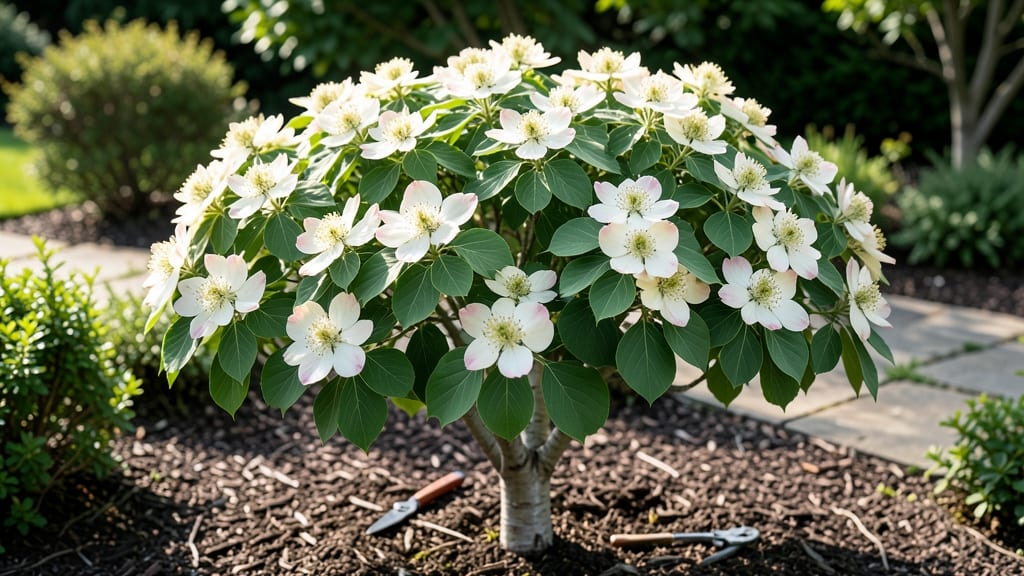
The Rising Sun Eastern tree brings Pacific Northwest gardens to life with its fiery foliage and delicate spring blooms—perfect for gardeners who want drama without fuss. 🌿 I’ve watched mine transform from a tentative sapling to a showstopper over just three seasons, and the secret lies in its natural resilience.
This isn’t just another shade tree; it’s a year-round conversation piece, from the first blush of pink flowers to the deep red leaves that steal the show in autumn.
What makes it work so well in our climate? Frost resistance means you won’t lose it to winter’s first chill, while its adaptable nature lets it thrive in partial shade or dappled sunlight—ideal for underplanting with ferns or hostas.
The key is placement: position it where you’ll see it daily, whether that’s framing a patio, anchoring a border, or adding vertical interest near a walkway. It’s the kind of tree that makes neighbors pause and ask, “What’s that?”—and then want one for themselves.
You’ll love how effortlessly it fits into any design scheme. Pair it with evergreens for contrast, bulbs at its base for early spring color, or let it stand alone as a bold focal point.
Prune lightly in late winter to shape it, but otherwise, it’s low-maintenance enough to enjoy without guilt. The payoff? A garden that feels lush, vibrant, and uniquely yours—no matter how many times the PNW rain tries to dim your enthusiasm.
Works equally well in city gardens or rural plots, and its compact size makes it perfect for smaller spaces too. Here’s how to make the most of its natural beauty—without the high-maintenance drama.
📚 In This Guide
- What you need
- Instructions
- Tips and common mistakes
- Wrapping up and next steps
What you need
- ● Pruning shears: Bypass pruners (sharp, clean, and sterilized with rubbing alcohol). Recommended: Felco F-2 or Corona 3-in-1.
- ● Loppers: 1 pair (for thicker branches, 1.5"–2" cutting capacity).
- ● Pruning saw: Curved-tooth saw (for branches >2" in diameter).
- ● Gloves: Heavy-duty, cut-resistant (e.g., Mechanix or gardening-specific).
- ● Disinfectant: 70% isopropyl alcohol or bleach solution (1 part bleach to 9 parts water).
- ○ Sealing wax: Pruning sealant (optional but helpful for large cuts to prevent disease).
- ● Ladder or step stool: Sturdy, extendable (if tree is >6 ft tall).
- ● Trash bags: Heavy-duty (for collecting pruned branches).
- ● Hand pruners: For delicate trimming (e.g., Fiskars Ergo).
- ● Pole saw: Extendable saw (for high branches without a ladder).
- ● Tree wound dressing: Natural options like beeswax or commercial sealants.
- ● Notebook & pen: To track pruning notes (dates, cuts made, growth observations).
- ● Safety goggles: Protects eyes from debris (especially when using a saw!).
Step-by-Step guide for planting and caring for Rising Sun Eastern trees
Here's how to get your Pacific Northwest frost-resistant tree thriving in any yard.
🪴 Step 1: Choose and Prepare the Planting Site
Select a location with 6-8 hours of sunlight daily—this tree loves morning sun but can handle afternoon shade in hotter climates. The Pacific Northwest's mild summers mean you can plant anytime soil isn't frozen, but spring or fall is ideal. Dig a hole twice as wide as the root ball but no deeper—this prevents root suffocation.
Loosen the sides of the hole with a shovel to help roots spread naturally. Mix the native soil with 2-3 inches of compost at the bottom to improve drainage and nutrient availability. The tree's frost resistance comes from its deep root system, so don't compact the soil too tightly around the roots—let them settle naturally over time.
🌱 Step 2: Plant and Water for Immediate Establishment
Place the tree in the hole so the top of the root ball sits 1-2 inches above ground level. This prevents water from pooling around the trunk, which can cause rot. Backfill with the amended soil, tamping gently as you go to eliminate air pockets. Water deeply right after planting to help soil settle and eliminate gaps.
Use 1-2 gallons of water per inch of trunk diameter—this ensures roots make contact with moist soil immediately. Mulch the base with 3-4 inches of organic mulch, keeping it 6 inches away from the trunk to prevent moisture buildup. Real talk: Overwatering now is worse than underwatering—this tree's roots need air too.
☀️ Step 3: Provide Seasonal Care for Frost Resistance
In the first year, water once a week during dry spells (when top 2 inches of soil feel dry). The Rising Sun Eastern Tree handles frost well, but young trees need consistent moisture to develop strong roots. In winter, let the soil freeze naturally—this hardens the roots for future cold snaps.
Fertilize lightly in early spring with a balanced 10-10-10 formula, spreading granules 6 inches from the trunk***. Wait until new growth appears before applying—this ensures roots are active and ready to absorb nutrients. Prune only to remove dead or crossing branches; this tree's natural shape is its best frost defense.
✂️ Step 4: Monitor and Adjust for Long-Term Health
Check for yellowing leaves in spring—this usually means too much water or poor drainage. The tree's glossy foliage should stay deep green unless stressed. If you notice new growth wilting in summer heat, water deeply in the morning to prevent afternoon stress.
Every 2-3 years, apply a 2-3 inch layer of compost around the drip line (the edge of the tree's canopy). This mimics natural forest conditions and boosts frost hardiness. Avoid heavy pruning—this tree's dense branching naturally sheds snow and ice, reducing winter damage.
Tips & tricks for perfect Rising Sun Eastern tree growth
Between us, these little details make all the difference when you're nurturing a tree that thrives in Pacific Northwest winters.
Sunlight Strategy: The 6-8 hours of sunlight mentioned in Step 1 is non-negotiable for optimal growth, but here's what nobody tells you—morning sun is especially valuable. Position your tree to catch those first rays, which helps dry dew quickly and prevents fungal issues. In particularly hot summers, afternoon shade helps prevent leaf scorch while still giving the tree enough light to build energy reserves for winter.
Root Ball Placement: When you're placing the tree in Step 2, that 1-2 inch height above ground level is critical for preventing rot, but here's the secret: use a small mound of soil in the hole's center before setting the root ball on top. This creates better drainage while keeping the tree stable. After planting, gently press down on the soil around the edges—this helps eliminate air pockets without compacting too tightly.
Watering Wisdom: The 1-2 gallons per inch of trunk diameter in Step 2 might seem like a lot, but trust me on this—it's better to give too much water initially than too little. After the first deep watering, let the top 2 inches of soil dry out before watering again. One trick I use is to insert a long screwdriver into the soil—if it comes out clean, it's time to water. This method is more reliable than just guessing by feel.
Compost Timing: The 2-3 inches of compost in Step 1 and the 2-3 inch layer every 2-3 years in Step 4 are game-changers for frost resistance. Here's what I learned the hard way: don't apply compost right after planting. Wait until the tree has established some roots (about 3-4 months) before adding that first compost layer. This prevents nutrient overload that can stress young trees.
Pro Tips for Rising Sun Eastern Tree
- Between us, these little details make all the difference when you're nurturing a tree that thrives in Pacific Northwest winters.
- Sunlight Strategy: The 6-8 hours of sunlight mentioned in Step 1 is non-negotiable for optimal growth, but here's what nobody tells you—morning sun is especially valuable.
- This creates better drainage while keeping the tree stable.
Frequently asked questions
How cold can a Rising Sun Eastern Tree handle?
The Rising Sun Eastern Tree (Cornus alternifolia) thrives in USDA zones 3–7, making it perfect for PNW winters. It tolerates temps down to -30°F (-34°C) once established. Young trees may need winter mulch for extra protection.
When’s the best time to prune for healthy growth?
Prune in late winter or early spring (before buds swell) to avoid stress. Remove dead, crossing, or overcrowded branches. Never prune in fall—it can stimulate tender new growth vulnerable to frost.
Can I grow this tree in containers?
While possible, Rising Sun Eastern Tree prefers in-ground planting for long-term health. If container-grown, use a large pot (20+ gallons), well-draining soil, and repot every 2–3 years. Expect slower growth and limited root space.
Why are my tree’s leaves turning brown?
Brown leaves often signal overwatering, underwatering, or fungal issues. Check soil moisture (top 2" should be dry). If fungal spots appear, prune affected areas and apply copper fungicide. Avoid wetting foliage during watering.
Are there frost-resistant alternatives?
Yes! Try these PNW-friendly options:
- Serviceberry (Amelanchier) – Similar berries, zones 3–8
- Oregon Grape (Mahonia) – Evergreen, drought-tolerant
- Ninebark (Physocarpus) – Hardy, low-maintenance
Wrapping up and next steps
Embrace the resilience of your rising sun eastern tree—with the right pruning techniques, you’ve unlocked its full potential for thriving in the Pacific Northwest’s frosty climate! 🌿✨ Remember, timing, sharp tools, and patience are your best allies. Now’s the perfect moment to schedule your next pruning session—whether it’s shaping for winter or preparing for spring’s vibrant bloom.
Grab those shears, step outside, and watch your tree shine brighter than ever! 🌅