
Pruning
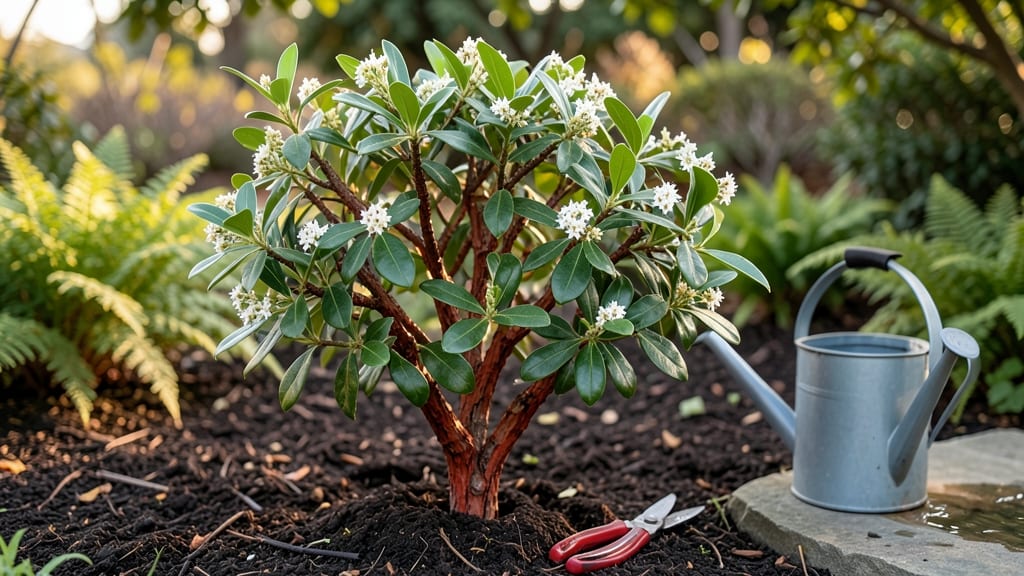
Late-winter pruning of your red Chinese tree could mean the difference between vibrant spring blooms and frost-damaged branches. I’ve seen these trees go from struggling to showstopping in just one season after mastering this timing—it’s all about cutting when the plant is dormant but before new growth starts.
The key is working when temperatures stay above freezing but before buds swell, usually late February to early March in most climates. You’ll need sharp pruning shears, a ladder if branches are high, and a clear day to avoid wet wood.
The goal? Shape the tree while removing dead or crossing branches—this keeps air circulating and prevents future frost pockets.
What you’ll end up with is a tree that bursts into deep red foliage or fragrant flowers weeks earlier than unpruned neighbors. The cuts also encourage thicker growth, so you’ll see fewer leggy branches and more vibrant color. Just avoid heavy pruning—stick to light shaping for the first few years.
This method works for both Cercis chinensis (redbud) and Pyracantha coccinea (firethorn), though the timing shifts slightly in warmer zones. The same principles apply whether you’re dealing with a young sapling or a mature specimen—just adjust the intensity based on the tree’s size. Let’s get those branches looking sharp!
📚 In This Guide
- What you need
- Instructions
- Tips and common mistakes
- Wrapping up and next steps
What you need
- ● Pruning shears – Bypass pruners (sharp, 6-8” blades) for clean cuts on small branches.
- ● Loppers – Bypass-style (20-24” handles) for thicker branches (½”–1.5” diameter).
- ● Pruning saw – Curved-tooth for branches >1.5” in diameter (avoid tearing bark).
- ● Disinfectant (70% isopropyl alcohol or bleach solution) – 1 part bleach to 9 parts water to sterilize tools between cuts.
- ● Gloves – Heavy-duty, cut-resistant (e.g., leather or synthetic blend) to protect hands.
- ● Safety glasses – To shield eyes from debris.
- ● Ladder or step stool – Sturdy, non-slip (if tree exceeds 6’ tall).
- ● Trash bags or compost bin – For pruned branches (check local regulations for disposal).
- ○ Permanent marker – Waterproof (optional, for marking branches to remove).
- ● Rubbing alcohol wipes – For quick tool disinfection on the go.
- ● Sealant (pruning wound paint) – Only for large cuts >2” diameter (controversial—skip if unsure!).
- ● Tree wound dressing – Avoid unless dealing with severe damage (modern research suggests leaving cuts open to heal naturally).
- ● Camera or phone – To document the tree’s structure before/after pruning.
How to prune Red Chinese trees for winter resilience
Late-winter shaping keeps these stunning trees healthy and frost-resistant for years.
Time Your Cuts for Maximum Protection
Prune your Red Chinese tree (Metasequoia glyptostroboides) during late winter, specifically 4-6 weeks before your last expected frost date. This timing allows fresh growth to harden off before cold snaps hit. I always check my local frost calendar and mark the date—cutting too early risks exposing tender new growth, while waiting too long leaves dead branches untrimmed.
Look for dormant branches that are brittle and snap easily when bent. These are the ones that died during winter and should be removed immediately. Avoid pruning when temperatures dip below 35°F—cold sap slows healing and increases disease risk. If you missed the window, wait until early spring when buds begin to swell.
Remove Dead, Damaged, and Crossing Branches
Start by eliminating dead or diseased wood—these branches won't recover and can harbor pests. Use clean, sharp pruning shears to make cuts just outside the branch collar (the swollen area where the branch meets the trunk). I like to make a small notch on the underside of the branch first to prevent tearing when I cut through.
Next, remove branches that cross or rub against each other. These create wounds that invite rot and weaken the tree's structure. Look for branches growing inward—these will eventually choke healthy growth. Make your cuts at a 45-degree angle just above an outward-facing bud to encourage proper regrowth direction.
Thin the Canopy for Airflow and Sunlight
Thinning the canopy improves airflow, which is critical for preventing frost damage in dense foliage. Focus on removing 10-20% of the smallest branches from the tree's interior. These branches often get shaded and grow weakly, making them more vulnerable to winterkill. Start at the bottom and work your way up—this opens the tree's center to sunlight and reduces moisture buildup.
Watch for branches that grow straight upward ("water sprouts")—these are energy vampires that steal nutrients from the main structure. Cut these back to a lateral branch or bud. Never remove more than 25% of the tree's foliage in one season, or you'll shock the Red Chinese tree and reduce its cold hardiness.
Shape for Structural Balance and Frost Resistance
Red Chinese trees have a naturally elegant, conical shape. Use your cuts to maintain this silhouette while removing any branches that disrupt the flow. Look for branches growing at sharp angles—these are more likely to break under ice or snow. Make your cuts just above a healthy bud that faces outward to encourage strong regrowth.
For larger branches over 1 inch in diameter, use pruning saws instead of shears. Make your cut 1/8 inch outside the branch collar and avoid leaving stubs—these collect water and rot. After pruning, apply wound dressing only if the cut is large (over 2 inches). For smaller cuts, let the tree seal naturally—it's stronger this way.
Clean Up and Protect the Tree
Remove all pruned branches and debris from the area immediately—this prevents fungal spores from infecting fresh cuts. I always rake up fallen leaves and branches within 24 hours of pruning. Sterilize your tools with 70% isopropyl alcohol or a 10% bleach solution to kill any lingering pathogens.
After pruning, give your Red Chinese tree a deep watering to help it recover. Mulch the base with 2-3 inches of organic mulch (like shredded bark) to insulate roots and retain moisture. This step is especially important if your winter brings freezing temperatures—the mulch acts like a blanket for the soil.
Tips & tricks for perfect Red Chinese tree pruning
Late-winter pruning transforms your tree's resilience—here's how to do it right without common pitfalls.
Timing Precision: The 4-6 week window before your last frost is non-negotiable for Red Chinese trees. I check my local weather service's frost prediction and mark the date on my calendar—this ensures new growth has time to harden before winter's return. If you're unsure about your frost date, err on the side of waiting longer rather than pruning too early. The tree's ability to heal and prepare for cold is directly tied to this timing, so don't rush it.
Branch Collar Technique: When removing branches in Step 2, focus on making clean cuts just outside the branch collar. I make a small undercut first to prevent tearing—the tree's natural healing begins at this collar, so damaging it creates weak points. For branches over 1 inch thick, use a pruning saw and make your final cut 1/8 inch outside the collar. This precision prevents water pooling that leads to rot, especially important for winter resilience.
Canopy Thinning Strategy: The 10-20% thinning guideline in Step 3 isn't arbitrary—it maintains the tree's energy balance while improving airflow. Start with the smallest branches at the bottom first, as these often get shaded and grow weakly. I work my way upward, removing branches that grow straight up (water sprouts) back to lateral buds. This creates space for sunlight penetration, which is crucial for preventing frost damage in dense foliage.
Post-Pruning Recovery: After completing all cuts, the 24-hour cleanup window is critical. Rake up all debris immediately to prevent fungal spores from infecting fresh cuts. I sterilize my tools between cuts with 70% isopropyl alcohol—this simple step prevents spreading disease between branches. The deep watering and 2-3 inches of organic mulch create an insulated root zone, which helps the tree recover from the stress of pruning before winter's worst arrives.
Pro Tips for Red Chinese Tree
- Late-winter pruning transforms your tree's resilience—here's how to do it right without common pitfalls.
- Timing Precision: The 4-6 week window before your last frost is non-negotiable for Red Chinese trees.
- Branch Collar Technique: When removing branches in Step 2, focus on making clean cuts just outside the branch collar.
Frequently asked questions
When is the exact best time to prune my red Chinese tree?
Late winter—specifically after the worst frost but before buds swell—is ideal (usually February–March in most climates). Pruning too early risks frost damage to fresh cuts, while waiting too long may stress the tree as it prepares for spring growth. Pro tip: Check your local frost dates for precision!
Will late-winter pruning hurt my tree if frost is still possible?
Not if you time it right! Avoid pruning during hard freezes (<32°F/0°C). Wait for consistent daytime temps above freezing (40°F/4°C+) for 3–5 days. If frost is forecast, delay until conditions stabilize. Signs of frost damage: Blackened cut edges or wilting leaves—trim those branches immediately.
How much can I safely remove in one session?
Aim to remove no more than 25–30% of the tree’s foliage in a single pruning. For red Chinese trees, focus on:
- Dead/diseased branches (cut to the collar or outward-facing bud).
- Crossing or rubbing branches (thin them to improve airflow).
- Water sprouts (vertical shoots) to redirect energy to flowering branches.
Why aren’t my red Chinese tree’s flowers as vibrant after pruning?
Red Chinese trees bloom on old wood, meaning last year’s growth produces this year’s flowers. Prune after blooming (late winter) to avoid cutting off flower buds. If flowers are sparse, check for:
- Over-pruning (stick to 25% max).
- Nutrient deficiency (fertilize with balanced 10-10-10 in early spring).
- Sunlight (ensure 6+ hours of sun daily).
What should I do if my cuts bleed or ooze sap?
Sap bleeding (especially in redbuds) is normal but can attract pests. To minimize it:
- Use sharp, clean tools (dull cuts tear bark).
- Avoid pruning on wet wood (wait for dry conditions).
- Seal cuts only if they’re large (>1 inch diameter) with pruning sealant (optional for small trees).
Wrapping up and next steps
The Red Chinese Tree thrives with the right pruning care—especially those late-winter cuts that shield it from frost while keeping it lush and vibrant. 🌿 By following the steps outlined, you’ll not only protect your tree but also encourage healthy growth for seasons to come.
Ready to give your tree the attention it deserves?
Your next step? Grab your pruners and schedule that late-winter session before buds start swelling. A little effort now means a stunning, resilient tree that rewards you with beauty year-round!