
Pruning
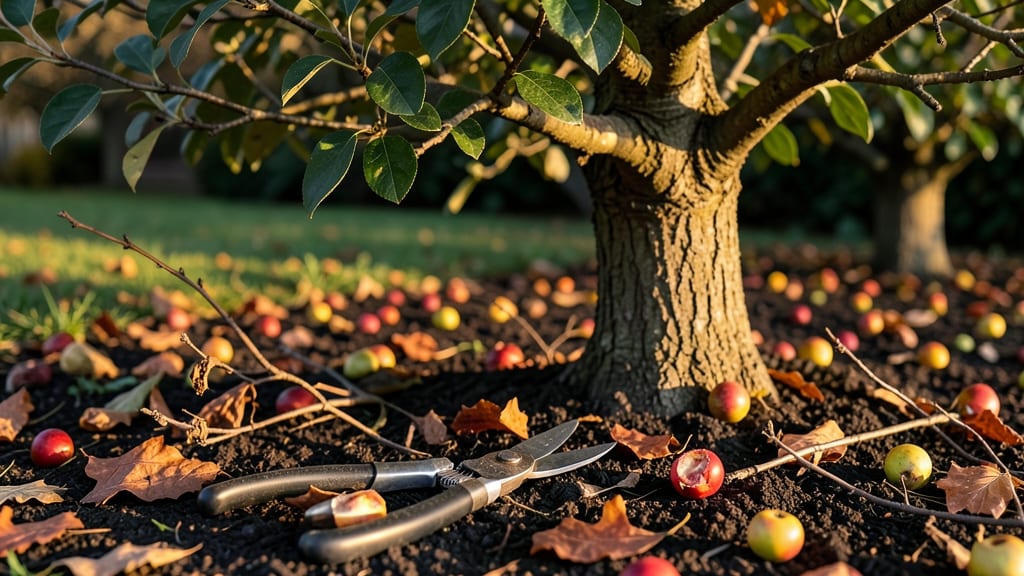
Strategic cuts now mean a crab apple tree that stays healthy, productive, and stunning year-round. ✂️ I’ve pruned these trees for over a decade, and the difference between a neglected mess and a thriving specimen comes down to timing, technique, and a few sharp tools.
The right approach keeps your tree’s structure strong, its fruit abundant, and its branches from becoming a tangled nightmare.
You’ll need basic tools—a pruning saw for thicker branches, loppers for medium-sized limbs, and sharp bypass pruners for clean cuts. Safety gear like gloves and goggles is a must, especially when working with older wood that can splinter.
The best time to prune is late winter or early spring, but light maintenance cuts can happen anytime the tree isn’t flowering or fruiting.
What you’ll end up with is a tree that produces more fruit, grows stronger branches, and looks neat and intentional—not like a wild tangle.
The key is removing dead wood first, then thinning out crowded branches to improve airflow, and finally shaping the tree to keep it open and accessible. Every cut should have a purpose, whether it’s for health, safety, or aesthetics.
This method works for young trees and mature specimens alike, though older trees may need more gradual shaping. The payoff? A tree that stays disease-resistant, easier to harvest from, and far more beautiful than one left to grow wild.
Let’s get those branches looking sharp—and your tree thriving for decades.
📚 In This Guide
- What you need
- Instructions
- Tips and common mistakes
- Wrapping up and next steps
What you need
- ● Pruning shears (bypass pruners): Sharp, high-quality shears (e.g., Felco or Fiskars) for cuts up to ½-inch in diameter. Quantity: 1 pair.
- ● Loppers: For branches ½-inch to 2 inches thick. Quantity: 1 pair.
- ● Pruning saw: For thicker branches (2+ inches). Quantity: 1.
- ○ Extension pole: Optional but helpful for high branches (10–15 feet). Quantity: 1.
- ● Gloves: Heavy-duty gardening gloves to protect hands from thorns and sap. Quantity: 1 pair.
- ● Safety glasses: To shield eyes from debris. Quantity: 1 pair.
- ○ Disposable pruning bags or bucket: For collecting clippings (optional but convenient). Quantity: 1–2.
- ● Rag or paper towels: To clean tools between cuts and wipe sap. Quantity: 2–3.
- ● Hand sanitizer or rubbing alcohol: For sterilizing tools (especially if the tree has disease). Quantity: Small bottle.
- ● Weather check: Prune on a dry, calm day to avoid spreading disease or damaging the tree.
- ● Tree health assessment: Inspect the tree for signs of disease (e.g., cankers, fungal growth) before pruning.
- ● Plan your cuts: Sketch a rough outline of branches to remove (aim for 20–30% of the tree’s canopy).
Step-by-step guide to pruning crab apple trees
Here's how I keep these trees thriving—with clean cuts and smart timing.
✂️ Step 1: Prune in Late Winter Before Bud Break
This is the best time to prune, when the tree is dormant but just before new growth starts. You'll want to remove dead, diseased, or crossing branches first—these are easy to spot in their bare state. Look for branches that rub against each other or grow inward; these compete for space and create weak spots.
Make your cuts just outside the branch collar (the swollen area where the branch meets the trunk). Avoid cutting flush with the trunk—this can introduce rot. Use sharp loppers or a pruning saw for branches thicker than ½ inch. For smaller branches, hand pruners work best. You'll know you're doing it right when the cut looks clean and the branch falls away easily.
🌿 Step 2: Thin the Canopy for Better Airflow
Next, focus on thinning the tree's interior. Remove up to 25% of the canopy to let light and air penetrate. Target branches that grow straight up (called "water sprouts") or those that crowd the center. These are often thin and weak, and removing them prevents disease by improving airflow.
Start at the outer edges and work inward. You'll see the difference immediately—your tree will look more open and less dense. Avoid "heading back" (cutting back to a lateral branch) unless you're shaping young trees. For mature crab apples, thinning is key to fruit production and overall health. If you're unsure which branches to remove, step back and imagine sunlight hitting the tree evenly.
☀️ Step 3: Shape and Maintain the Tree’s Structure
Now it’s time to refine the tree’s shape. Crab apple trees naturally grow with a strong central leader, so encourage that by removing competing vertical branches. For every branch you cut, look for a strong lateral branch below it to take its place. This ensures the tree grows balanced and sturdy.
Use your pruners to make clean cuts at a 45-degree angle for branches larger than ¾ inch. For thicker branches, make the cut just outside the branch collar and avoid leaving stubs. After pruning, step back and check the tree’s silhouette—it should look natural and open, not overcrowded. This step takes patience, but a well-shaped tree produces better fruit and looks stunning year-round.
⏰ Step 4: Light Pruning After Flowering
Once the tree has finished flowering (usually in late spring), do a quick check for any dead or diseased branches that may have appeared. Remove them immediately to prevent the spread of problems. This is also a good time to thin out any branches that are growing too densely and blocking light from reaching the interior.
Keep cuts minimal—just enough to maintain airflow and remove obvious issues. Avoid heavy pruning now, as it can reduce next year’s bloom. You’ll notice the tree looking fresher and more vibrant after this light touch-up. It’s a small effort that pays off in better fruit and fewer pests.
Tips & tricks for pruning crab apple trees
Real talk: Pruning these trees right makes all the difference between a scraggly mess and a showstopper. Here’s how I’ve learned to do it without stress.
Tool Prep is Everything: Before you touch a branch, sharpen your tools—dull blades tear wood, inviting disease. I wipe my loppers and pruners with rubbing alcohol between cuts to prevent spreading anything nasty. For branches thicker than ½ inch, use a pruning saw with a fine-tooth blade to avoid splintering the wood. And here’s what nobody tells you—clean your tools after each tree if you’re working with multiple trees, even in your own yard.
Visualize the Light: In Step 2 when thinning the canopy, stand back and squint—your eyes naturally see where light gets blocked. I draw an imaginary line from the center of the tree to the outer edges. Any branches breaking that line? Those are your targets. The goal is to let sunlight reach all parts of the canopy, which means fewer fungal issues and more fruit. If you’re unsure, snap a photo first and study it later.
The Branch Collar Rule: I’ve made this mistake more times than I’ll admit—cutting too close to the trunk. Always look for that swollen collar where the branch meets the trunk. Make your cut just outside it, leaving a tiny bump. This little ridge helps the tree heal properly. If you cut flush, water can pool and rot sets in. Trust me on this: a clean cut outside the collar is worth the extra second it takes.
Pro Tips for Pruning Crab Apple Trees
- Real talk: Pruning these trees right makes all the difference between a scraggly mess and a showstopper.
- Tool Prep is Everything: Before you touch a branch, sharpen your tools—dull blades tear wood, inviting disease.
- Visualize the Light: In Step 2 when thinning the canopy, stand back and squint—your eyes naturally see where light gets blocked.
Frequently asked questions
Got questions about pruning your crab apple tree? You’re not alone! Here are some of the most common concerns—plus expert answers to keep your tree thriving.
When is the best time to prune a crab apple tree?
The ideal time is late winter or early spring (just before buds break) to remove dead or diseased branches. Avoid heavy pruning in fall, as wounds may not heal before winter. Light maintenance pruning can also happen in summer to shape the tree.
How much of the tree can I safely prune at once?
Never remove more than 25% of the tree’s foliage in a single session—this ensures it retains enough energy to recover. For young trees, a 10-15% prune is often sufficient. Over-pruning stresses the tree and invites pests or disease.
What should I do if my tree bleeds sap after pruning?
Sap bleeding is normal for crab apples but can attract pests. To minimize it, prune in dry weather and use pruning sealant on large cuts (over ½ inch). Avoid sealing small cuts—air helps wounds heal faster!
Can I prune crab apple trees in summer?
Yes! Summer pruning (June–August) is great for shaping, removing suckers, or thinning dense branches. Just avoid heavy cuts—focus on light trimming to reduce stress. Prune on a mild, cloudy day to protect the tree.
Will pruning affect fruit production?
Pruning boosts fruit quality by improving airflow and sunlight. Remove water sprouts and crossing branches to prevent disease and encourage larger, healthier fruit. Just avoid pruning too late in the season—this can delay next year’s harvest.
Wrapping up and next steps
Pruning your crab apple tree isn’t just about keeping it tidy—it’s an investment in its long-term health, beauty, and fruitfulness! 🌳 By following seasonal best practices, removing deadwood, and shaping with care, you’ll encourage stronger growth and stunning blooms.
Whether you’re a seasoned gardener or a beginner, every cut brings you closer to a thriving tree.
Ready to take action? Grab your pruners, mark your calendar for the next pruning window, and give your tree the TLC it deserves. Your future harvests—and neighbors’ envy—will thank you! 🍎✨