
Pruning
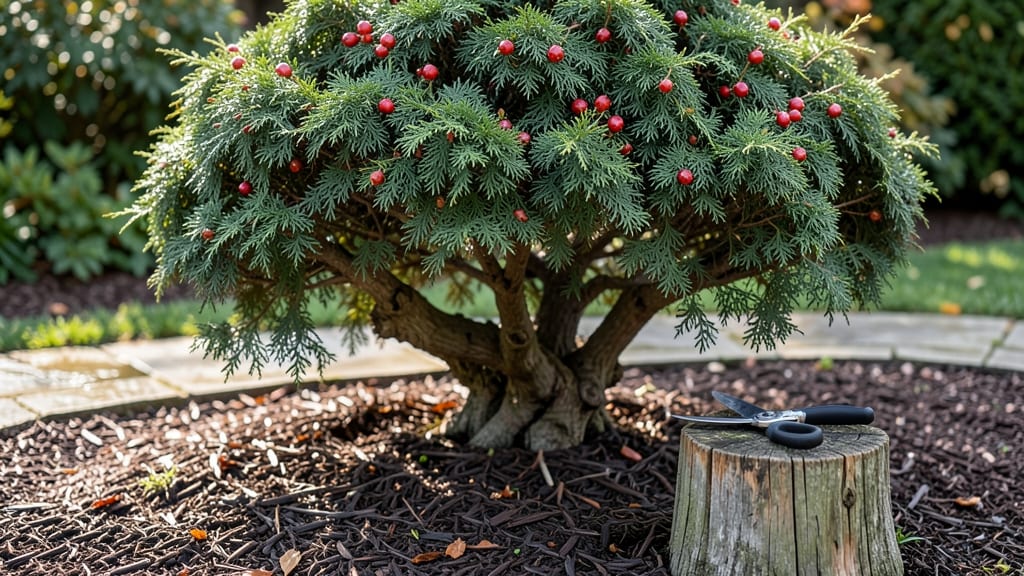
Pruning yew trees transforms dense, scraggly bushes into lush, sculpted evergreens that stay healthy year after year. 🌿 I’ve pruned my own yews for over a decade, and the difference between a well-maintained hedge and one that looks neglected is all in the cuts—and when you make them.
The key isn’t just trimming branches but understanding how yews respond to stress, sunlight, and seasonal growth cycles.
You’ll need just three essential tools: sharp bypass pruners for clean cuts, loppers for thicker branches, and a sturdy pair of gloves to protect your hands from those needle-like leaves.
Timing matters most—late winter or early spring is ideal for shaping, while summer pruning keeps the tree dense and vibrant.
Over-pruning weakens yews, so aim to remove no more than one-third of the foliage at a time, and always cut just above a bud or branch junction to encourage healthy regrowth.
The payoff is immediate: a tree that stays dense, vibrant, and pest-resistant while requiring less maintenance over time. With the right technique, you’ll avoid the common pitfalls—like creating bare spots or stunted growth—that turn pruning into a chore instead of a game-changer.
Even a small hedge will look like a professional landscaping feature with just a little strategic planning.
This method works for hedges, topiaries, and standalone yews, whether you’re shaping a formal boxwood-style design or just keeping your privacy screen tidy. The same principles apply year-round, so you can adjust your approach based on seasonal growth patterns. Let’s get those shears ready—your yews will thank you.
📚 In This Guide
- What you need
- Instructions
- Tips and common mistakes
- Wrapping up and next steps
What you need
- ● Pruning shears (bypass or anvil type) – Choose sharp, high-quality shears (8–10 inches) for clean cuts on small branches.
- ● Loppers (20–24 inches) – Ideal for thicker branches (up to 2 inches in diameter). Opt for bypass loppers for precision.
- ● Pruning saw (folding or curved blade) – For branches thicker than 2 inches. A bow saw or pruning saw with a fine-tooth blade works best.
- ● Gloves (cut-resistant, heavy-duty) – Protect your hands from thorns and rough bark. Leather or reinforced gardening gloves are a must.
- ● Safety glasses – Shields your eyes from debris, especially when cutting larger branches.
- ● Ladder or extension pole – For reaching higher branches safely. Ensure it’s stable and rated for your weight.
- ● Disinfectant (70% isopropyl alcohol or bleach solution) – Clean tools between cuts to prevent disease spread.
- ● Rubbing alcohol or hand sanitizer – For cleaning wounds if you get pricked by thorns.
- ○ Tree wound dressing (optional) – Only use on large cuts (yews typically heal well without it). Avoid overusing—it can trap moisture.
- ● Marking twine or spray paint – Helps outline cuts for structured pruning (e.g., topiary shapes).
- ● Heavy-duty trash bags – For hauling away pruned branches and debris.
- ● Weather check – Prune on a dry, calm day to avoid slipping or spreading disease.
- ● Safety first – Wear closed-toe shoes and avoid working alone if the tree is large.
- ● Know your tree’s health – Inspect for disease or pests before pruning. Yews are hardy, but stressed trees need extra care.
Step-by-step guide to pruning yew trees for year-round vitality
Mastering yew pruning transforms a once-tangled shrub into a sculpted, thriving specimen.
✂️ Step 1: Assess the Tree for Structural Integrity
Begin by examining the yew's overall shape and health. Look for dead or diseased branches—they appear brown, brittle, or devoid of foliage. These should be removed first, as they can spread pathogens to healthy wood. Use your hands to gently shake each branch; if it crumbles easily, it's dead and ready for removal.
Next, identify any branches growing toward the center of the tree or crossing others. These compete for light and nutrients, weakening the plant over time. Mark these with a small piece of twine or tape so you don't accidentally miss them during pruning. Yews naturally grow dense, so your goal is to maintain an open, airy structure that allows sunlight to penetrate the center.
I always prune in late winter or early spring, just before new growth begins. This timing ensures you're not removing flower buds (though yews are evergreen, they still benefit from this seasonal approach). Avoid pruning in fall, as new growth may not harden off before winter.
✂️ Step 2: Remove Deadwood and Shape Gradually
Start with the cleanest cuts—dead or diseased branches. Use sharp, bypass pruners to make a cut just outside the branch collar, the swollen area where the branch meets the trunk. Cutting too close to the trunk can damage the tree's healing tissue. If the branch is thicker than 1 inch in diameter, use a pruning saw for clean, precise cuts.
For shaping, focus on 10-15% of the tree's total foliage at a time. Yews respond poorly to aggressive pruning, so gradual shaping prevents stress. Remove branches that disrupt the tree's natural form or grow in directions that don't align with your desired silhouette. I like to step back every few cuts to visualize the tree's new shape—this helps avoid over-pruning.
Watch for water sprouts, the fast-growing, vertical shoots that pop up along the trunk or branches. These are energy vampires, draining resources from the rest of the tree. Snip them off at the base as soon as you spot them. If a water sprout is thick, make the cut just above a leaf bud or lateral branch to encourage healthier growth.
✂️ Step 3: Refine the Canopy for Light and Airflow
Yews thrive when their foliage receives ample sunlight and airflow. Thin out the canopy by selectively removing branches that cast too much shade on the interior. Aim to create a balanced, open structure where light can reach the lower branches. This not only promotes healthier growth but also reduces the risk of fungal diseases that thrive in damp, shaded conditions.
Pay special attention to the outer edges of the tree. These branches often grow more vigorously and can create an unbalanced silhouette. Trim back the tips of these branches by 1/3 to 1/2 their length to encourage bushier growth. Avoid cutting into old wood—yews heal poorly from deep cuts, so always prune back to a healthy lateral branch or bud.
Here's the thing—yews are slow growers, so patience is key. If you're restoring an overgrown yew, break the pruning into two or three sessions, spaced a month apart. This gives the tree time to recover between cuts. After each session, water the base deeply to help the tree recover from the stress of pruning.
🌿 Step 4: Finish with Sanitation and Post-Pruning Care
Once you've completed all your cuts, sanitize your pruners with a 10% bleach solution or rubbing alcohol to prevent the spread of disease. Wipe down the blades thoroughly and let them air dry before storing. This step is crucial, especially if you've removed diseased branches, as pathogens can linger on tools and infect healthy wood.
After pruning, inspect the tree for any exposed bark or wounds. Yews seal wounds naturally, but you can apply a wound dressing if the cut is large or jagged. Avoid using heavy sealants, as they can trap moisture and promote rot. Instead, opt for a thin layer of pruning paste to protect the wound while allowing it to heal.
Finally, monitor the tree closely for the first few weeks. Look for signs of stress, such as yellowing leaves or wilting branches. If you notice these symptoms, reduce watering slightly and avoid pruning again until the tree shows signs of recovery. Yews are resilient, but they do need time to adjust after significant pruning. With proper care, you'll see new growth within a few weeks.
Tips & tricks for pruning yew trees like a pro
Here's what nobody tells you about transforming tangled yews into sculpted masterpieces—these are the tricks I've learned after years of pruning mistakes.
Timing is Everything: Late winter or early spring is non-negotiable for yew pruning. This timing aligns with the tree's natural dormancy period, allowing it to recover quickly. If you must prune outside this window, avoid late fall when new growth won't have time to harden off before winter. The key is to work just before new growth begins—this ensures you're not removing potential flower buds while still giving the tree time to heal before summer heat arrives.
Precision Cuts Prevent Stress: When removing branches thicker than 1 inch, use a pruning saw to make clean cuts just outside the branch collar. This swollen area contains healing tissues that help the tree seal wounds naturally. I've seen many well-intentioned gardeners cut too close to the trunk, which creates larger wounds that take much longer to heal. For branches thicker than 2 inches, consider making a three-cut approach to prevent tearing the bark—first cut about 6 inches from the trunk, then make angled cuts to remove the branch without damaging the trunk.
Visualize Before You Cut: Step back frequently during pruning to visualize the tree's new shape. Yews respond poorly to aggressive pruning, so focus on removing only 10-15% of the total foliage in any single session. I like to use a string or garden twine to outline my desired shape before making any cuts. This helps maintain proportion and prevents that "haircut gone wrong" look. Remember, yews grow slowly—your goal is gradual transformation, not instant perfection.
Water Sprout Watch: These fast-growing vertical shoots are the tree's way of compensating for stress. Snip them off at the base as soon as you spot them—they're energy vampires that drain resources from the rest of the tree. For thick water sprouts, make your cut just above a leaf bud or lateral branch to encourage healthier growth. I check for new sprouts every few weeks during the growing season, as they can appear rapidly after pruning.
Pro Tips for Pruning Yew Trees
- Here's what nobody tells you about transforming tangled yews into sculpted masterpieces—these are the tricks I've learned after years of pruning mistakes.
- Timing is Everything: Late winter or early spring is non-negotiable for yew pruning.
- Precision Cuts Prevent Stress: When removing branches thicker than 1 inch, use a pruning saw to make clean cuts just outside the branch collar.
Frequently asked questions
Got questions about pruning yew trees? You’re not alone!
Here are some of the most common concerns—plus expert tips to keep your trees thriving year-round.
When is the best time to prune yew trees?
The ideal time is late winter or early spring (February–March), just before new growth starts. This minimizes stress and reduces disease risk. Avoid heavy pruning in fall, as wounds may not heal before winter. Light shaping in summer is fine, but avoid cutting into old wood.
How often should I prune my yew tree?
For general maintenance, prune lightly once a year. Mature trees may need more frequent shaping (every 6–12 months) to maintain their form. Over-pruning weakens the tree, so focus on removing dead, diseased, or crossing branches. Think of it as a haircut—regular but not extreme!
What if I prune too much? Can I fix it?
Over-pruning can stress the tree, leading to sparse growth or dieback. If you’ve cut too much, reduce future pruning for a year and focus on watering deeply and fertilizing lightly. Avoid heavy cuts until the tree recovers. A rule of thumb: Never remove more than 25% of the foliage in one session.
Should I use sharp tools, or will shears work?
Always use sharp, clean pruners (bypass pruners for small branches, loppers for thicker limbs). Dull tools crush branches, slowing healing and inviting disease. Sterilize blades with rubbing alcohol between cuts to prevent spreading pathogens. Pro tip: Sharpen your tools before starting—it makes all the difference!
Can I prune yew trees in wet or rainy weather?
Avoid pruning when the tree is wet or the ground is soggy. Wet conditions can spread fungal diseases through open wounds. If you must prune, do it on a dry day and seal larger cuts with pruning sealant (though research shows this is often unnecessary for yews). Wait for calm, dry weather for the best results.
What if my yew tree looks “leggy” after pruning?
Leggy growth happens when the tree stretches toward light after heavy cuts. To fix it, prune just above a healthy bud or side branch to encourage bushier growth. Avoid cutting back to bare wood—leave some foliage to maintain density. Over time, the tree will fill out naturally with balanced pruning.
Wrapping up and next steps
Pruning your yew trees doesn’t have to be intimidating—it’s all about timing, technique, and a little patience. 🌿 Whether you’re shaping for aesthetics, promoting health, or encouraging growth, strategic cuts keep these evergreens thriving year-round.
With the right tools, safety precautions, and seasonal know-how, you’re well on your way to a lush, vibrant landscape.
Ready to take action? Pick a calm day, gather your supplies, and start small. Even a single session makes a difference—so don’t wait! Your yew trees (and your future self) will thank you.