
Pruning
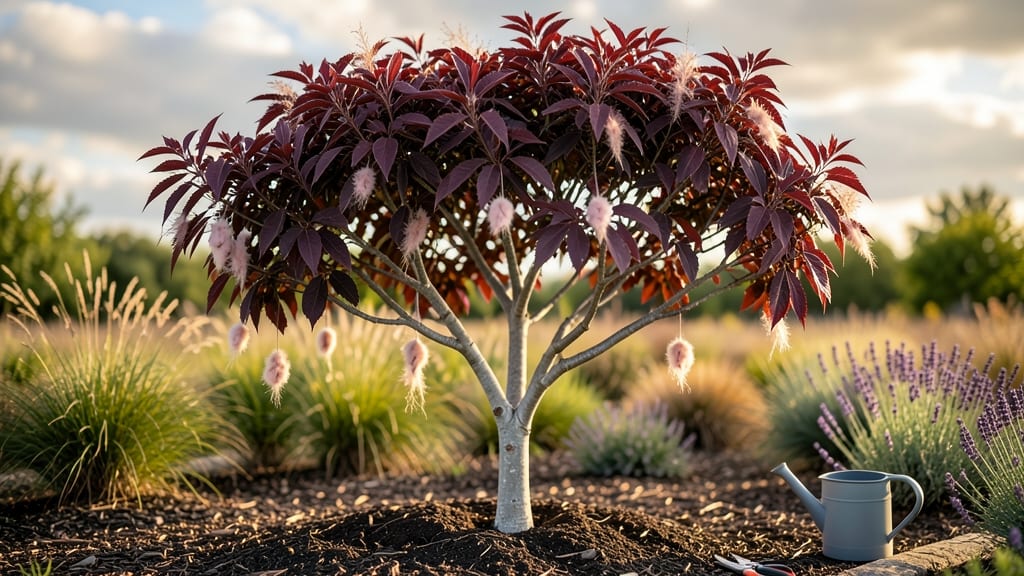
The PrairieFire crab tree transforms Pacific Northwest winters into a dazzling display of crimson foliage and persistent berries. 🌿 I planted mine three years ago after struggling with bare winter landscapes, and it’s now the standout feature of my yard.
This cold-hardy tree thrives where many struggle, offering year-round interest with minimal fuss.
Perfect for zones 3-8, this tree demands little but delivers maximum impact. Plant it in full sun with well-draining soil, and you’ll see vibrant red leaves emerge in fall, lasting through winter.
Water deeply once established, and prune only to shape—this tree handles neglect better than most. The berries attract birds while adding texture to winter scenes.
You’ll love how effortlessly it fills space without overpowering neighbors. By late spring, fresh green leaves return, creating a striking contrast with the lingering red. The only real secret?
Avoid overwatering, and resist heavy pruning—this tree’s natural form is its beauty. Within five years, you’ll have a bold, low-maintenance centerpiece that outshines seasonal plants.
Ideal for urban yards, rural landscapes, or even large containers. Once planted, it requires almost no summer care—just occasional mulching to protect roots. The real magic happens in winter, when most gardens fade to brown. Here’s how to make yours shine year-round.
📚 In This Guide
- What you need
- Instructions
- Tips and common mistakes
- Wrapping up and next steps
What you need
- ● Pruning shears: Bypass pruners (sharp, clean, and sterilized with rubbing alcohol or bleach solution). Quantity: 1 pair.
- ● Loppers: For thicker branches (1.5"–2" diameter). Quantity: 1 pair.
- ● Pruning saw: Curved-tooth saw for branches >2" in diameter. Quantity: 1.
- ● Gloves: Heavy-duty, cut-resistant gloves (gardening or pruning-specific). Quantity: 1 pair.
- ● Disposable pruning bags: For collecting debris (5–10 gallon capacity). Quantity: 1–2.
- ○ Pruning sealant: Optional but recommended for large cuts (>0.5") to prevent disease. Quantity: Small tube.
- ● Ladder or step stool: Extendable or sturdy (ensure it’s rated for your weight). Quantity: 1.
- ● Safety gear: Safety glasses and long sleeves/pants to protect from thorns and debris.
- ● Rake or leaf blower: For clearing fallen debris after pruning.
- ● Marking twine or flags: To tag branches for removal (useful for complex pruning plans).
- ● Spray bottle with water: To dampen saw blades and reduce dust when cutting.
- ● Notebook & pen: To jot down pruning notes or sketch your tree’s structure.
- ● Tree growth regulator: If you plan to control vigorous regrowth post-pruning.
Step-by-step guide for planting and caring for a PrairieFire crab tree
This cold-hardy beauty thrives in Pacific Northwest climates with minimal fuss.
🌱 Step 1: Choose the Perfect Planting Location
Select a spot with full sun to partial shade—at least 6 hours of direct sunlight daily. PrairieFire crab trees handle light shade better than most cultivars, making them ideal for urban gardens where afternoon sun might be blocked. Look for an area with well-draining soil—this tree despises soggy roots, which can lead to root rot even in cold climates.
Test your soil by digging a 6-inch hole and filling it with water. If it drains completely within 2 hours, your site is ready. If not, amend the area with 2-3 inches of compost or organic mulch to improve drainage. Avoid low-lying spots where cold air pools, as PrairieFire crab trees can suffer from winter dieback if exposed to prolonged frost pockets.
🪴 Step 2: Plant at the Right Time and Depth
Plant your bare-root or container-grown PrairieFire crab tree in early spring or fall, when temperatures are cool but not freezing. Early spring planting gives roots time to establish before summer heat, while fall planting allows roots to settle before winter dormancy. Avoid planting in mid-summer, as the tree will struggle to adapt to heat stress.
Dig a hole twice as wide as the root ball but only as deep as the container’s height. Gently remove the tree from its container and loosen any circling roots with your fingers. Place the tree in the hole so the top of the root ball sits level with the surrounding soil—burying too deep can suffocate the trunk, while planting too shallow leaves roots exposed and vulnerable to drying out.
💧 Step 3: Water Deeply and Mulch for Winter Protection
Water the tree deeply immediately after planting, soaking the soil to a depth of 12-18 inches. This encourages roots to grow downward rather than staying shallow. Over the next 2-3 weeks, water 2-3 times weekly (or as needed to keep soil moist but not soggy). After that, reduce watering to once weekly during dry spells, as established PrairieFire crab trees are drought-tolerant once established.
Spread 3-4 inches of organic mulch (like wood chips or shredded bark) over the root zone, keeping it 6 inches away from the trunk to prevent moisture buildup that can cause rot. Mulch helps regulate soil temperature, retains moisture, and protects roots from freezing temperatures down to -20°F—a key reason this cultivar thrives in the Pacific Northwest. Replenish mulch annually in early spring to maintain its insulating properties.
☀️ Step 4: Prune for Shape and Health in Late Winter
Prune your PrairieFire crab tree during its dormant season, ideally in late winter (February or early March), before new growth begins. This timing minimizes stress and prevents disease transmission. Remove dead, diseased, or crossing branches first—these are easy to spot as they lack bark or have brown, shriveled leaves. Cut back to a healthy lateral branch or bud to encourage outward growth.
Thin out overcrowded branches to improve airflow and sunlight penetration, which reduces the risk of fungal issues. Aim for an open, vase-like shape to showcase its stunning red spring foliage and white blossoms. Avoid heavy pruning—never remove more than 25% of the canopy in one season, as this can stress the tree and reduce flowering. Use clean, sharp pruners to make cuts at a 45-degree angle just above a bud.
⏰ Step 5: Monitor for Pests and Seasonal Changes
Keep an eye out for aphids, scale, or spider mites, which occasionally target young crab trees. If you spot infestations, spray with neem oil or insecticidal soap in early morning or late evening to avoid harming beneficial insects. PrairieFire crab trees are generally pest-resistant, but crabapple borers can be a problem in stressed trees—prevent this by keeping the tree healthy and well-watered.
In late fall, apply a 2-3 inch layer of mulch around the base to insulate roots against winter cold. If your area experiences hard freezes below -10°F, wrap the trunk with tree guard or burlap to prevent sunscald. Remove protective wraps in early spring once temperatures consistently stay above 40°F. Fertilize lightly in early spring with a balanced, slow-release fertilizer (10-10-10) if growth appears sluggish, but avoid over-fertilizing—this cultivar prefers leaner soil.
Tips & tricks for perfect PrairieFire crab tree planting
Between us, these small adjustments will help your PrairieFire crab tree thrive for decades in Pacific Northwest conditions.
Site Selection Secret: While the instructions mention full sun to partial shade, I’ve found that morning sun with afternoon shade works best in urban settings—it prevents leaf scorch while still giving those vibrant red spring colors. The 6 hours of sunlight rule is non-negotiable, but consider microclimates: north-facing slopes get less sun, while south-facing spots may need afternoon protection if they bake in summer.
Root Ball Handling: When removing your container-grown tree, don’t just pull it out—gently squeeze the sides of the container to loosen the root ball first. I’ve seen roots circling so tightly they strangle themselves after planting. Once out, spread those roots outward in the planting hole like fingers before covering with soil. This mimics natural root spread and prevents transplant shock.
Mulch Mastery: That 3-4 inch mulch layer isn’t just for looks—it’s your tree’s winter blanket. For extra insulation in areas with hard freezes below -20°F, I double the mulch depth temporarily (6-8 inches) in late fall, then reduce to 3-4 inches in spring. Just remember to keep it 6 inches from the trunk to prevent rot. And here’s a pro move: use cedar mulch if you can—it naturally repels pests like aphids.
Pruning Precision: In Step 4, when you’re shaping that vase-like canopy, focus on removing branches that grow inward first. These are the ones that’ll compete for sunlight and create weak wood. I mark my cuts with a white pencil before making them—this helps visualize the final shape. And never prune more than 25% of the canopy in one season, especially in the first few years, or you’ll trigger excessive water sprouts.
Pro Tips for Prairiefire Crab Tree
- Between us, these small adjustments will help your PrairieFire crab tree thrive for decades in Pacific Northwest conditions.
- The 6 hours of sunlight rule is non-negotiable, but consider microclimates: north-facing slopes get less sun, while south-facing spots may need afternoon protection if they bake in summer.
- Root Ball Handling: When removing your container-grown tree, don’t just pull it out—gently squeeze the sides of the container to loosen the root ball first.
Frequently asked questions
about the PrairieFire crab tree—your go-to for stunning fall color and cold-hardy beauty in the Pacific Northwest.How cold-hardy is the PrairieFire crab tree?
The PrairieFire crab tree thrives in USDA Zones 3-8, making it perfect for the PNW’s chilly winters. Its hybrid vigor ensures resilience against freezing temps (down to -40°F) and harsh winds. Just ensure it’s planted in well-draining soil to avoid root rot in waterlogged winters.
When’s the best time to prune for optimal fall color?
Prune PrairieFire crab trees late winter or early spring (February–March) while they’re still dormant. Avoid summer pruning—it can stress the tree and dull its vibrant red-orange fall foliage. Light shaping in late winter (after severe frosts) maximizes next season’s color payoff!
Can I grow PrairieFire in containers or small urban yards?
Yes! While it’s best planted in full sun with 30+ feet of space, young PrairieFire trees adapt to large containers (20+ gallons) for patios or courtyards. Use a fast-draining mix (60% soil, 30% compost, 10% perlite) and upgrade pots every 2–3 years. Expect slower growth but stunning seasonal displays!
Why are my PrairieFire leaves turning brown early?
Premature browning often signals overwatering, fungal issues (like powdery mildew), or nutrient deficiencies. Check soil moisture—PrairieFire trees hate soggy roots. For yellowing leaves, test soil pH (6.0–7.0 ideal) and fertilize lightly with balanced 10-10-10 in early spring. Prune affected branches to improve airflow.
What are good companion plants for PrairieFire?
Pair it with evergreens (like Douglas fir) for year-round structure, spring bulbs (daffodils, tulips) to highlight its early blooms, or ornamental grasses (e.g., Miscanthus) for texture. Avoid aggressive roots—stick to deep-rooted perennials or ground covers like Heuchera to prevent competition.
Wrapping up and next steps
The PrairieFire™ Crab Tree isn’t just a stunning addition to your Pacific Northwest garden—it’s a resilient, low-maintenance superstar that thrives where others struggle. With its vibrant foliage, cold-hardy nature, and minimal pruning needs, it’s the perfect choice for gardeners who want beauty without the hassle.
Whether you’re a seasoned landscaper or a weekend warrior with green thumbs, this tree promises years of effortless elegance.
Ready to transform your outdoor space? Start by selecting your spot—this tree loves full sun and well-drained soil—and grab your pruning tools. Then, follow the steps above to shape it into a showstopper. Your future self (and your neighbors!) will thank you. 🌿✨