
Container Gardens
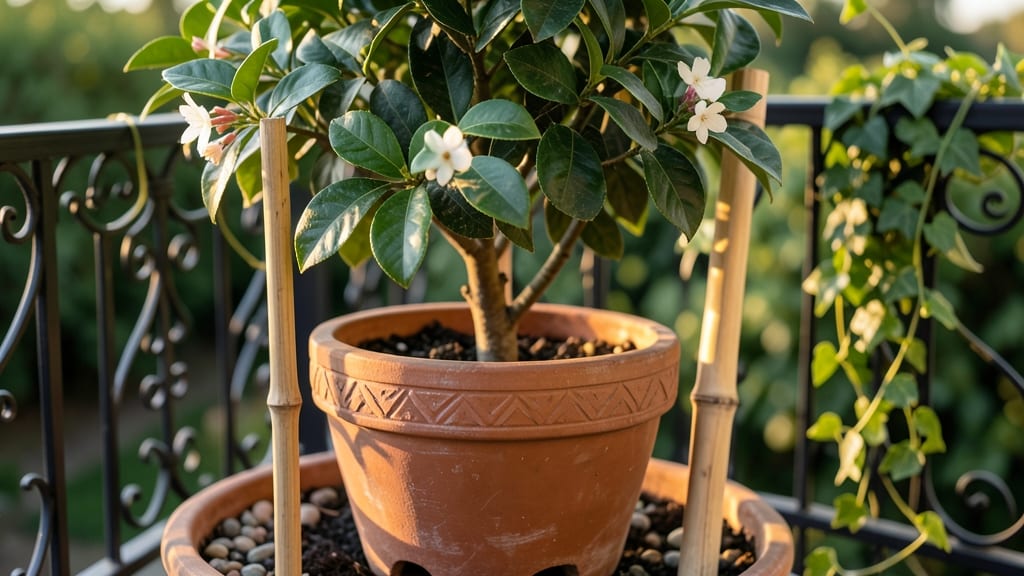
Growing a potted lime tree that bears fruit is easier than you think—even in small spaces. 🌱 I’ve watched my own container-grown Meyer lime produce bright green fruit indoors, proving citrus thrives in pots with the right care.
The key lies in mimicking its natural tropical habitat: bright light, well-draining soil, and consistent moisture without soggy roots.
You’ll need a 15- to 20-gallon container (bigger is better for long-term health), fast-draining potting mix, and a sunny spot—whether that’s a south-facing patio or a bright kitchen window. Lime trees love warmth (60°F+ year-round) and hate cold drafts, so winter care indoors means moving them away from chilly windows.
Pruning in early spring keeps the tree compact and encourages more fruit.
Within 2-3 years, you’ll harvest your first limes—small but sweet, perfect for garnishes or cocktails. The tree stays manageable (4-6 feet tall in pots), and with proper care, it can live for decades, rewarding you with harvests every spring and summer.
The only challenge? Avoiding root-bound stress by repotting every 2-3 years and watching for pests like spider mites.
Outdoor growers can overwinter their lime trees in pots, bringing them inside before frost. Indoor growers just need to supplement light with a grow bulb in winter. Either way, your potted lime will thrive—no orchard required. Let’s get your citrus growing!
📚 In This Guide
- What you need
- Instructions
- Tips and common mistakes
- Wrapping up and next steps
What you need
- ● Container: A 5-gallon or larger pot (minimum 12–18 inches deep) with drainage holes. Opt for terracotta, ceramic, or high-quality plastic (avoid treated wood).
- ● Potting Mix: 10–15 lbs of a well-draining citrus-specific mix (or blend: 60% potting soil + 30% perlite/pumice + 10% compost).
- ● Lime Tree: A dwarf or semi-dwarf variety (e.g., ‘Meyer’ or ‘Bearss’ lime) from a nursery or reputable online seller (3–5 years old for faster fruit).
- ● Fertilizer: Citrus-specific fertilizer (e.g., 6-6-6 NPK) or organic options like fish emulsion or citrus micronutrients. Start with 1–2 tbsp per application.
- ● Tools: Trowel or small shovel
- ● Pruning shears (sterilized)
- ● Watering can with a rose attachment
- ○ pH test kit (optional but helpful)
- ● Mulch: 1–2 inches of organic mulch (e.g., straw or bark) to retain moisture.
- ● Support: A small stake or trellis if your lime tree needs structural help.
- ● Grow Lights: A full-spectrum LED grow light (12–14 hrs/day) for indoor setups.
- ● Pest Control: Neem oil or insecticidal soap for early pest prevention.
- ● Thermometer/Hygrometer: To monitor temperature (60–85°F ideal) and humidity.
Step-by-step guide to growing a thriving potted lime tree
Here's how to nurture a lush, fruit-bearing citrus tree in containers—no yard required.
🪴 Step 1: Select the Right Container and Drainage System
Start with a 5-gallon container—lime trees need room for roots but won’t outgrow this for several years. Choose a pot with drainage holes (or drill them yourself). I add a 3-inch layer of gravel or broken pottery at the bottom to prevent root rot—citrus hates soggy feet. The pot should be at least 18 inches wide to accommodate the tree’s mature spread.
Terracotta works best because it breathes, but plastic retains moisture longer. If using plastic, ensure the drainage system is foolproof—water pooling at the bottom will kill roots within weeks. Place a mesh screen over the holes to keep soil from escaping while allowing water to drain freely.
🌱 Step 2: Prepare the Soil and Plant Your Lime Tree
Fill the container with a mix of equal parts potting soil, perlite, and compost. Lime trees thrive in slightly acidic to neutral soil (pH 6.0–7.0). I avoid garden soil—it compacts and suffocates roots. Gently remove the tree from its nursery pot and loosen the root ball if it’s tightly bound.
Position the tree so the root flare (where roots meet the trunk) sits just above the soil line. This prevents stem rot and encourages strong growth. Water deeply after planting to settle the soil around roots. Avoid overwatering now—lime trees are drought-tolerant once established, but soggy soil at planting time stresses them.
☀️ Step 3: Position for Sunlight and Temperature Control
Lime trees need full sun (6–8 hours daily)—place them near a south- or west-facing window or under grow lights if indoors. Without enough light, leaves yellow and fruit won’t develop. If outdoors, move the pot to a sheltered spot during winter (below 40°F damages leaves).
In summer, lime trees tolerate up to 90°F but need afternoon shade in extreme heat. Watch for leaf scorch—dry, crispy edges mean it’s too hot. Mist leaves occasionally in dry climates to mimic humidity. A fan on low improves air circulation and prevents fungal diseases like anthracnose.
💧 Step 4: Water and Fertilize for Optimal Growth
Water when the top 2 inches of soil feel dry—stick your finger in to check. Overwatering is the #1 killer of potted lime trees. I use room-temperature water (cold shocks roots) and pour slowly until it drains from the bottom. Empty the saucer after 10 minutes to prevent root rot.
Fertilize every 4–6 weeks in spring and summer with a citrus-specific fertilizer (high in nitrogen for foliage, potassium for fruit). Reduce feeding in fall and winter—lime trees rest then. Yellow leaves? You’re overdoing it. Brown edges? Needs more water. Balance is key.
⏰ Step 5: Prune and Encourage Fruit Production
Prune in late winter or early spring before new growth starts. Remove dead, crossing, or inward-growing branches with clean, sharp shears. Cut just above a leaf node to encourage branching. This keeps the tree compact and improves airflow—critical for preventing disease.
To boost fruiting, pinch off new growth tips in summer. This redirects energy to fruit production. You’ll see tiny lime buds form in 6–12 months if the tree is happy. Harvest when fruit turns yellow-green and yields slightly to gentle pressure. Patience pays off—full-size limes take 1–2 years in containers.
Tips & tricks for perfect potted lime tree care
These insider strategies will help your container-grown citrus thrive year after year without the guesswork.
Container Selection: While the 5-gallon size works for young trees, upgrade to a 7-10 gallon container within 1-2 years to accommodate root growth. I've seen trees outgrow their pots quickly—look for containers with feet or casters to protect roots from cold drafts in winter. The wider the pot, the more stable the tree becomes, especially during summer storms.
Soil Mix Strategy: The equal parts potting soil, perlite, and compost blend works perfectly, but here's my pro tip: Add 1/4 cup of citrus-specific fertilizer directly to the soil mix before planting. This gives your tree an immediate nutrient boost. For even better drainage, mix in 1/4 cup of coarse sand—this prevents compaction and mimics the well-draining conditions lime trees love in their native habitats.
Light Optimization: When positioning your tree for those critical 6-8 hours of sunlight, prioritize morning sun exposure over afternoon heat. East-facing windows provide ideal light without the intensity that causes leaf scorch. If using grow lights, position them 6-12 inches above the tree and run them for 12-14 hours daily to supplement natural light during shorter winter days. This mimics the long daylight hours citrus trees experience in tropical climates.
Winter Protection: The 40°F threshold is your warning sign, but don't wait until the last minute. Move your tree indoors to a sunny spot near a window when nighttime temperatures consistently drop below 50°F. If you must keep it outdoors, wrap the pot in bubble wrap and cover with a frost cloth. I've had trees survive down to 28°F with this protection, though they'll drop fruit and leaves temporarily—new growth returns in spring.
Pro Tips for Potted Lime Tree
- These insider strategies will help your container-grown citrus thrive year after year without the guesswork.
- Container Selection: While the 5-gallon size works for young trees, upgrade to a 7-10 gallon container within 1-2 years to accommodate root growth.
- Soil Mix Strategy: The equal parts potting soil, perlite, and compost blend works perfectly, but here's my pro tip: Add 1/4 cup of citrus-specific fertilizer directly to the soil mix before planting.
Frequently asked questions
Got questions about keeping your potted lime tree happy and productive? You’re not alone! Here are answers to the most common concerns—from pruning to pests and everything in between.
How often should I water my potted lime tree?
Water when the top 1–2 inches of soil feel dry, usually every 5–7 days in warm weather. Overwatering is riskier than underwatering—lime trees hate soggy roots! Use well-draining soil and a pot with drainage holes to prevent root rot. Pro tip: Stick your finger in the soil to check moisture levels!
Can a potted lime tree survive winter indoors?
Yes! Move your lime tree indoors before temperatures drop below 40°F (4°C). Place it near a sunny window (south-facing is ideal) and reduce watering slightly. Avoid drafts or sudden temperature swings. If you notice leaf drop, it’s likely due to low humidity—consider a humidifier or pebble tray!
Why isn’t my lime tree producing fruit?
Potted lime trees often take 3–5 years to bear fruit, but you can encourage blooms with these tricks:
- Ensure it gets 6–8 hours of sunlight daily.
- Fertilize with citrus-specific food in spring and summer.
- Hand-pollinate flowers with a soft brush if bees aren’t visiting.
Young trees may focus on growth first—patience is key!
What pests should I watch for in a potted lime tree?
Common culprits include aphids, spider mites, and scale insects. Check the undersides of leaves for sticky residue (honeydew) or tiny webs. Treat mild infestations with neem oil or insecticidal soap. For severe cases, isolate the plant and consult a local nursery for targeted solutions.
How big should the pot be for a mature potted lime tree?
A mature lime tree needs a pot at least 18–24 inches wide and deep to accommodate its root system. Upgrade pots gradually—too much space can lead to overwatering. Use a lightweight, breathable fabric pot (like burlap) for better air circulation and easier root growth.
Bonus Tip: Pruning for Shape and Health
Prune in late winter or early spring to shape your tree and remove dead/diseased branches. Use clean, sharp shears and cut at a 45-degree angle just above a leaf node. Avoid heavy pruning—lime trees bloom on new growth, so trim sparingly!
Wrapping up and next steps
Growing a potted lime tree is a rewarding journey that brings fresh, homegrown citrus to your doorstep—literally! 🌿 With the right container, soil, sunlight, and care, you can enjoy vibrant foliage and tangy limes year-round, even in cooler climates.
Whether you're a beginner or a seasoned gardener, the key is patience and consistency.
Ready to take the next step? Start by choosing your lime variety (like Meyer or Key lime) and gather your supplies. Then, plant with confidence—your future harvest of zesty limes is just a season away! 🍋✨