
Pruning
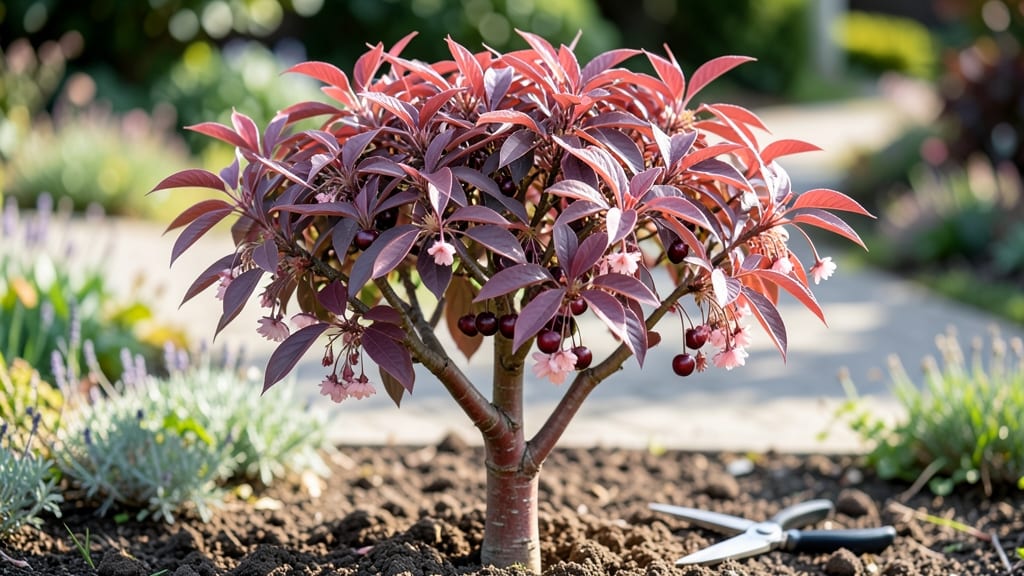
Pink plum trees like 'Pink Perfection' burst with frost-resistant blooms that outshine most spring gardens. 🌸 I planted mine after a brutal winter killed my last ornamental cherry, and these pink clouds of flowers proved far hardier—even after a late freeze.
The secret lies in their Prunus cerasifera lineage, which thrives where other plums falter.
These trees demand full sun and well-draining soil, but they reward you with 3-4 weeks of continuous blooms starting in early spring. My tree now attracts pollinators for weeks longer than any neighbor's, and the care routine is simpler than pruning roses.
The key? Annual shaping in late winter and avoiding heavy fertilizers that trigger leafy growth over flowers.
You'll end up with a tree that looks stunning in every season—not just spring. The blossoms fade into glossy purple foliage that stays vibrant until frost, and the small fruit (if you let them develop) attracts birds year-round.
The only trade-off? Removing suckers from the base, which I now do with a single pass of the pruners every 2-3 years.
Perfect for small yards, urban gardens, or even large containers. The frost resistance makes them ideal for zones 5-9, where other plums would struggle. Let's get yours growing strong!
📚 In This Guide
- What you need
- Instructions
- Tips and common mistakes
- Wrapping up and next steps
What you need
- ● Pruning shears: Sharp, bypass-style shears (for clean cuts on small branches). Quantity: 1 pair.
- ● Loppers: Heavy-duty loppers (for thicker branches, ½"–1" diameter). Quantity: 1 pair.
- ● Hand pruners: For precision cuts on tiny stems. Quantity: 1 pair.
- ● Pruning saw: Curved-tooth saw (for branches >1" thick). Quantity: 1.
- ● Disinfectant: 70% isopropyl alcohol or bleach solution (1 part bleach to 9 parts water) to sterilize tools.
- ● Garden gloves: Heavy-duty, cut-resistant gloves (to protect hands from thorns and debris).
- ○ Pruning sealant: Optional but helpful for sealing large cuts (e.g., Tree Seal or pruning paint).
- ● Extension pole: For high branches (attach pruners/loppers for safety).
- ● Ladder: Sturdy, non-slip ladder (if trees are tall). Safety tip: Never stand on wobbly surfaces!
- ● Marking twine: To tag branches for removal (avoids confusion mid-prune).
- ● Compost bin: For collecting pruned branches (great for mulch or garden compost).
- ● Safety goggles: Protects eyes from debris (especially when sawing thick branches).
- ● Knowledge: Basic understanding of plum tree anatomy (e.g., distinguishing between water sprouts, dead wood, and fruiting spurs).
- ● Timing: Prune during dormant season (late winter/early spring) for pink plum varieties.
- ● Weather check: Avoid pruning if rain or frost is forecasted within 24 hours.
- ● Tree health: Inspect for pests/diseases (e.g., plum pox virus) before pruning.
How to select and care for frost-resilient pink plum trees
Pink plum trees bring stunning color even in cold climates—here's how to choose and nurture them.
🌱 Step 1: Choose the Right Pink Plum Variety for Your Climate
Look for cold-hardy cultivars like 'Methley' or 'Stanley'—both thrive in USDA Zones 4-8 and bloom reliably after winter. These varieties resist late frosts better than delicate hybrids. Check your specific zone's last frost date and select a tree that blooms 2-3 weeks after your average frost to avoid flower damage.
Dwarf varieties like 'Improved Egg' are perfect for small spaces, while standard trees need 40-50 feet of space for full growth. If your area gets below 0°F, opt for grafted trees—the rootstock adds extra cold tolerance. I always verify the tree's mature height matches my yard's layout before buying.
☀️ Step 2: Plant in Full Sun with Proper Drainage
Pink plums need 6-8 hours of direct sun daily for best flowering. Choose a south-facing spot with morning sun and afternoon shade in hot climates. The soil should drain well—plums hate soggy roots. Amend heavy clay with 2-3 inches of compost mixed into the planting hole.
Dig a hole twice as wide as the root ball but no deeper. Place the tree so the graft union sits 2-3 inches above soil level—this prevents root rot. Water deeply before backfilling, then mulch with 3 inches of wood chips to retain moisture and regulate soil temperature.
💧 Step 3: Water Deeply and Prune for Strong Structure
Newly planted trees need 1-2 gallons of water weekly during the first year. Water at the base, not overhead—this prevents fungal diseases. Let the top 2-3 inches of soil dry between waterings to avoid root suffocation. Mature trees are drought-tolerant once established.
Prune in late winter before buds swell to shape the tree and remove dead wood. Open the center to improve airflow and reduce disease risk. Thin out crossing branches to prevent weak growth. I always sterilize pruners with rubbing alcohol between cuts to prevent bacterial spread.
✂️ Step 4: Fertilize and Protect for Year-Round Blooms
Apply a balanced 10-10-10 fertilizer in early spring when buds form, then again after harvest. Avoid high-nitrogen fertilizers—they promote leafy growth at the expense of flowers. Pink plums need low-chloride fertilizer if your soil is salty. Test soil pH annually; aim for 6.0-6.5 for optimal nutrient uptake.
In frost-prone areas, wrap young trees with burlap before cold snaps. Mature trees handle cold well, but late-season blooms may need protection. Prune lightly after frost to remove damaged limbs. I've found that mulching heavily in fall helps roots survive winter better.
Tips & tricks for perfect pink plum tree care
Here's what I've learned from years of growing these stunning trees—avoid these common mistakes and your pink plums will thrive.
Variety Selection Tip: When choosing between 'Methley' and 'Stanley', consider your local frost patterns. 'Stanley' blooms slightly earlier than 'Methley', making it better for areas with late frosts. I've found that planting both varieties creates a longer bloom season—'Methley' picks up where 'Stanley' leaves off. Check your local nursery's recommendations for which variety performs best in your microclimate.
Planting Depth Secret: The 2-3 inches above soil level for the graft union is critical—this prevents the tree from rotting where it meets the soil. I've seen many gardeners bury the graft union too deep, which leads to weak growth. After planting, create a small berm of soil around the base to help direct water away from the trunk and prevent rot.
Watering Wisdom: The 1-2 gallons weekly for new trees might seem like a lot, but it's essential for establishing strong roots. I've learned to water deeply but less frequently—this encourages roots to grow downward rather than staying shallow. Use a moisture meter to check that the top 2-3 inches of soil are dry between waterings, as instructed. For mature trees, let the soil dry out completely between waterings—they're surprisingly drought-tolerant once established.
Pruning Timing: That late winter pruning window before buds swell is your best chance to shape the tree without encouraging new growth that could get damaged by late frosts. I always prune on a dry day when temperatures are above freezing. After pruning, I sterilize my tools with rubbing alcohol between cuts to prevent bacterial spread—this has saved my trees from several potential infections over the years.
Pro Tips for Plum Tree Pink
- Here's what I've learned from years of growing these stunning trees—avoid these common mistakes and your pink plums will thrive.
- Variety Selection Tip: When choosing between 'Methley' and 'Stanley', consider your local frost patterns.
- Planting Depth Secret: The 2-3 inches above soil level for the graft union is critical—this prevents the tree from rotting where it meets the soil.
Frequently asked questions
Got questions about Plum Tree Pink varieties? You’re not alone!
Here are some of the most common queries—and straightforward answers—to help you grow stunning, frost-hardy pink blooms with confidence.
What makes Plum Tree Pink varieties frost-resistant?
Plum Tree Pink varieties, like Prunus cerasifera 'Nigra' or Prunus 'Krauter Vesuvius', thrive in cold climates due to their hybrid origins (often crosses with Prunus cerasifera, the purple-leaf plum). Their dense wood and late-blooming flowers (often after frost risk passes) give them an edge. Plus, many are grafted onto hardy rootstocks like Prunus insititia, adding extra resilience.
When is the best time to plant a Plum Tree Pink variety?
Plant in early spring (as soon as soil is workable) or fall (6–8 weeks before first frost). Avoid extreme heat or winter planting—roots need time to establish before temperature swings. For container-grown trees, plant on a cloudy day to reduce transplant shock. Pro tip: Mulch heavily after planting to protect roots!
How often should I prune a Plum Tree Pink for optimal blooms?
Prune once a year, ideally in late winter or early spring (before buds swell). Focus on:
Yes! Dwarf varieties like Prunus 'New Dawn' or Prunus 'Flame Nebula' (pink-tinged) thrive in containers. Use a 15–20 gallon pot with drainage holes and a well-draining mix (60% soil, 30% compost, 10% perlite). Repot every 2–3 years and overwinter indoors ( 50–60°F) if temps drop below 10°F. Fertilize lightly in spring! Most Plum Tree Pink varieties are ornamental (prized for their pink flowers, purple foliage, or striking bark), but a few hybrids—like Prunus 'Methley' (Pink Perfection)—bear tiny, tart plums ( not great for eating fresh, but great for jams!). If fruit isn’t your goal, focus on cultivars bred for color and cold-hardiness, like Prunus 'Thundercloud'. Common issues include:
For young trees, limit cuts to 25% of the canopy per year.
Can I grow a Plum Tree Pink in a container? If so, what size pot do I need?
Will my Plum Tree Pink produce edible fruit, or is it purely ornamental?
What pests or diseases should I watch for in Plum Tree Pink varieties?
Resistant picks: Choose Prunus cerasifera hybrids—they’re less prone to peach leaf curl than European plums.
Wrapping up and next steps
Cultivating plum tree pink varieties is a rewarding journey that brings vibrant color and resilience to your garden—even in chilly climates! 🌸 From selecting the right tools to mastering pruning techniques, you now have the knowledge to nurture these stunning trees year-round.
Remember, patience and consistency are key to fostering healthy growth and breathtaking blooms.
Ready to take the next step? Start by inspecting your plum tree this season—identify any overgrown branches or weak limbs, then grab your pruners and put your new skills into action!
Whether you’re a seasoned gardener or just beginning, every snip brings you closer to a flourishing, frost-resistant plum tree that will be the star of your landscape.