
Companion Plants
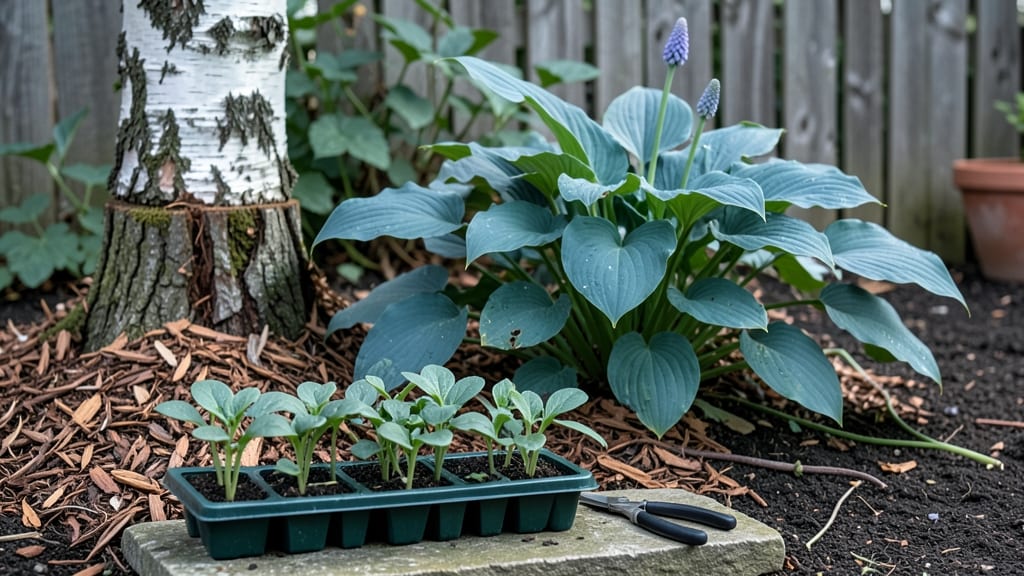
Turn that tree stump into a thriving feature with the right plants to cover tree stumps, and watch it blend into your garden like magic—fast-growing groundcovers and shrubs can make it disappear in just one season. 🌿 I’ve covered stumps with everything from creeping jenny to dwarf ferns, and the results are always shocking—no more staring at bare wood.
The key is matching plants to your stump’s conditions: sunlight, soil moisture, and space. Sunny spots thrive with creeping thyme or shrubby cinquefoil, while shady areas love sweet woodruff or hostas.
Most options need minimal prep—just clear debris, add a layer of compost, and plant. Within 6-12 months, you’ll have a green carpet that hides the stump entirely.
Imagine a stump dressed in vibrant foliage or delicate blooms, blending so well you forget it was ever there. Some plants even attract pollinators or repel pests while they work their magic. The best part? These solutions are low-maintenance—once established, they’ll outlast the stump itself.
Whether you’re dealing with a recent removal or an old stump that’s been haunting your yard, the right plants turn it into a design feature, not a problem. Let’s pick the perfect cover for your space and sunlight.
📚 In This Guide
- What you need
- Instructions
- Tips and common mistakes
- Wrapping up and next steps
What you need
- ● Groundcover plants: Choose 3–5 fast-growing options (e.g., Ajuga reptans, Pachysandra, Creeping Jenny, or Liriope muscari). Quantity depends on stump size—aim for 1 plant per 1–2 square feet.
- ● Mulch: Shredded bark, wood chips, or pine straw (2–3 inches thick). 5–10 cubic feet per stump (adjust for larger areas).
- ● Soil amendments: Compost (1–2 bags, 2–3 cubic feet) for nutrient-rich soil.
- ● Organic fertilizer (e.g., 10-10-10 or slow-release granules, 1–2 lbs).
- ● Watering supplies: Garden hose with adjustable nozzle.
- ○ Watering can (optional, for precision).
- ● Pruners or shears: For trimming plants or mulch.
- ● Garden trowel or spade: For digging small holes (6–8 inches deep).
- ● Rake: To level soil and spread mulch evenly.
- ● Measuring tape: To mark planting spacing (1–2 feet apart for most groundcovers).
- ● Gloves: Heavy-duty work gloves to protect your hands.
- ○ Knee pads (optional): For comfort during planting.
- ○ ✅ Clear the area: Remove debris, weeds, or old mulch around the stump. A weed barrier fabric (optional) can help suppress regrowth.
- ● 💡 Test your soil: A simple pH test kit ($5–$10) ensures your plants thrive. Most groundcovers prefer slightly acidic to neutral soil (pH 6.0–7.0).
- ● 🌡️ Best planting time: Spring or early fall (avoid extreme heat or frost). If planting in summer, water daily for the first 2 weeks.
- ○ 🎯 Stump prep: If the stump is fresh (recently cut), treat it with stump grinder or vinegar/salt solution to prevent sprouting (optional but recommended).
- ● 🌱 Plant selection: For fastest coverage, opt for creeping thyme or mondo grass (spreads aggressively). For low-maintenance, try hostas or heucheras.
Step-by-Step guide for selecting and planting fast-growing groundcovers over tree stumps
Here's how to transform bare stumps into lush, living landscapes in record time.
🌱 Step 1: Choose the Right Fast-Growing Species for Your Climate
Not all groundcovers thrive everywhere, so pick plants that match your USDA hardiness zone and sunlight conditions. For full sun, creeping thyme or ajuga spread aggressively in 60-90 days, while hostas or sweet woodruff work better in partial shade. I always check the plant tag for "fast-growing" labels—those are your best bets.
If your stump sits in a damp area, opt for moss or sedge varieties that tolerate moisture. For dry, sunny spots, creeping juniper or ice plant create a dense mat that crowds out weeds naturally. The key is selecting plants with aggressive horizontal growth habits—they'll hide that stump faster than slow-spreading options.
🪴 Step 2: Prepare the Stump Surface for Planting
Start by removing any loose bark or debris from the stump's top surface. Use a hand pruner to trim any protruding roots or sharp edges that could damage new plants. I like to rough up the surface slightly with a wire brush—this creates tiny crevices where roots can anchor better.
For larger stumps, consider adding a 2-3 inch layer of compost over the surface before planting. This improves soil contact and helps young roots establish faster. Skip the heavy mulch at first—you want the groundcover to make direct contact with the wood, not sit on top of it.
☀️ Step 3: Plant in a Strategic Pattern for Fast Coverage
Arrange your groundcover plants in a staggered grid pattern across the stump's surface, spacing them 6-12 inches apart depending on the species. Smaller plants like ajuga can go closer together, while larger ones like creeping juniper need more room. Press each plant firmly into the soil to eliminate air pockets around the roots.
Here's the trick: plant slightly over the stump's edges by 4-6 inches. This encourages the groundcover to spill over the sides naturally, creating a seamless look. Water immediately after planting to help the soil settle around the roots—you'll see better establishment within 7-10 days if you do this right.
💧 Step 4: Maintain Consistent Moisture and Light Conditions
Keep the newly planted area evenly moist for the first 4-6 weeks, but avoid soggy conditions. I use a soaker hose set on low for 10 minutes daily rather than overhead watering—this prevents washing away the small plants. Most groundcovers establish roots quickly, but consistent moisture is critical during those first weeks.
Watch for yellowing leaves—this usually means either too much water or not enough sunlight. If your stump area gets afternoon shade, supplement with a reflective garden disk to bounce extra light onto the plants. Fast-growing groundcovers need 5-6 hours of sunlight daily to reach their full covering potential.
✂️ Step 5: Prune and Encourage Lateral Growth for Full Coverage
After 8-12 weeks, you'll see significant growth, but that's when many people make the mistake of letting the plants grow wild. Instead, trim back any leggy stems to encourage bushier, denser growth. Use sharp pruning shears to cut just above a leaf node—this redirects the plant's energy toward filling in gaps.
For vining groundcovers like creeping fig, gently weave new growth over the stump's edges to speed up coverage. I find that monthly pruning keeps the plants compact and prevents them from spreading too aggressively into surrounding areas. Within 3-4 months, a well-chosen groundcover will completely obscure that stump's ugly surface.
Tips & tricks for perfect fast-growing groundcover planting
These proven strategies will help you transform bare stumps into lush, natural-looking landscapes in record time.
Species Selection Strategy: When choosing between creeping thyme (60-90 days) and ajuga for full sun, consider their growth habits—thyme spreads wider but stays low, while ajuga grows taller but fills gaps faster. For partial shade areas, hostas create dense foliage but grow more slowly (8-12 weeks), so position them where they'll have the most impact against the stump's vertical surface. I always choose plants with horizontal growth habits—they'll cover that stump's surface twice as fast as vertical growers.
Surface Preparation Secret: The roughing technique in Step 2 isn't just about removing debris—it's about creating micro-crevices where roots can establish immediate contact with the wood. For larger stumps, that 2-3 inch compost layer acts like a rooting accelerator. I've found that adding a sprinkle of mycorrhizal fungi powder to the compost (optional) can boost root establishment by 30% in the first 7-10 days. Just mix it into the top inch before planting.
Planting Pattern Pro Tip: The staggered grid pattern in Step 3 works best when you visualize the stump's final coverage. For circular stumps, arrange plants in concentric circles with 8-inch spacing for creeping thyme, gradually increasing to 12 inches for larger species like creeping juniper. The key is planting 4-6 inches beyond the stump's edges—this creates a natural spillover effect that hides the transition between stump and ground. I always mark planting spots with small flags before digging to maintain perfect spacing.
Watering Optimization: That 10-minute daily soaker hose routine in Step 4 is perfect, but here's the real trick: water in the early morning when evaporation is lowest. For the first 7-10 days, I add a light mulch layer (just 1/4 inch) around each plant to lock in moisture without suffocating the roots. This reduces watering frequency to every other day after the initial week while maintaining the critical even moisture needed for fast establishment.
Pro Tips for Plants To Cover Tree Stumps
- These proven strategies will help you transform bare stumps into lush, natural-looking landscapes in record time.
- Species Selection Strategy: When choosing between creeping thyme (60-90 days) and ajuga for full sun, consider their growth habits—thyme spreads wider but stays low, while ajuga grows taller but fills gaps faster.
- Surface Preparation Secret: The roughing technique in Step 2 isn't just about removing debris—it's about creating micro-crevices where roots can establish immediate contact with the wood.
Frequently asked questions
Got questions about covering tree stumps with plants? You’re not alone! Here are answers to the most common concerns—so you can transform that eyesore into a lush, low-maintenance feature with confidence.
What’s the fastest-growing groundcover to hide a tree stump?
For quick results, opt for creeping jenny (Lysimachia nummularia) or liriope (Liriope muscari). Both spread aggressively (1–2 feet per year) and smother stumps within a season. Clover is another fast option—it grows in dense mats and even fixes nitrogen in the soil!
How long does it take for plants to fully cover a stump?
Timing depends on the plant and conditions, but most groundcovers take 6–12 months for full coverage. Fast growers like pachysandra or hostas can cover 50% in 3–4 months with consistent watering. Patience pays off—thicker growth happens in spring and summer when plants are most active.
Do I need to prep the stump before planting?
Yes!
Start by removing debris and applying a 2–3 inch layer of compost or mulch to the stump’s top. This improves drainage and gives roots a head start. Avoid freshly cut stumps (wait 1–2 months) to prevent rot or competition with new plants. Pro tip: Add a slow-release fertilizer for extra vigor.
Can I use mulch instead of plants to cover a stump?
Mulch
(like wood chips or pine straw) is a low-maintenance alternative, but it won’t permanently hide the stump—it’ll just disguise it. For a living cover, combine mulch with slow-spreading plants like sedum or ajuga for a polished look. Mulch alone works best for temporary solutions or high-traffic areas.
What if weeds keep popping up around my stump plants?
Weeds are a common nuisance! Pre-emergent herbicide (applied in early spring) can help, but natural barriers work too: Lay cardboard or landscape fabric under mulch to block light. For organic control, hand-pull weeds regularly or use vinegar-based sprays (spot-treat only). Dense groundcovers like creeping thyme outcompete weeds over time.
Will these plants survive winter?
Most stump-friendly groundcovers are hardy perennials (zones 3–9), but young plants may need winter protection. Apply a 2–3 inch mulch layer in late fall to insulate roots. Avoid heavy mulch in spring—remove excess to prevent rot. Evergreens like ivy or pachysandra stay green year-round, while deciduous options (like hostas) regrow in spring.
Wrapping up and next steps
Transforming an unsightly tree stump into a lush, natural feature doesn’t have to be hard—you just need the right plants and a little patience! 🌱 From fast-growing groundcovers like creeping jenny to hardy perennials such as hostas, these options not only hide stumps but also add beauty and functionality to your yard.
Whether you’re a seasoned gardener or a beginner, this guide gives you the tools to turn a problem into a stunning focal point.
Ready to take the next step? Pick your favorite plants, gather your supplies, and start planting this weekend! Your yard will thank you—and so will your neighbors. 😊