
Pruning
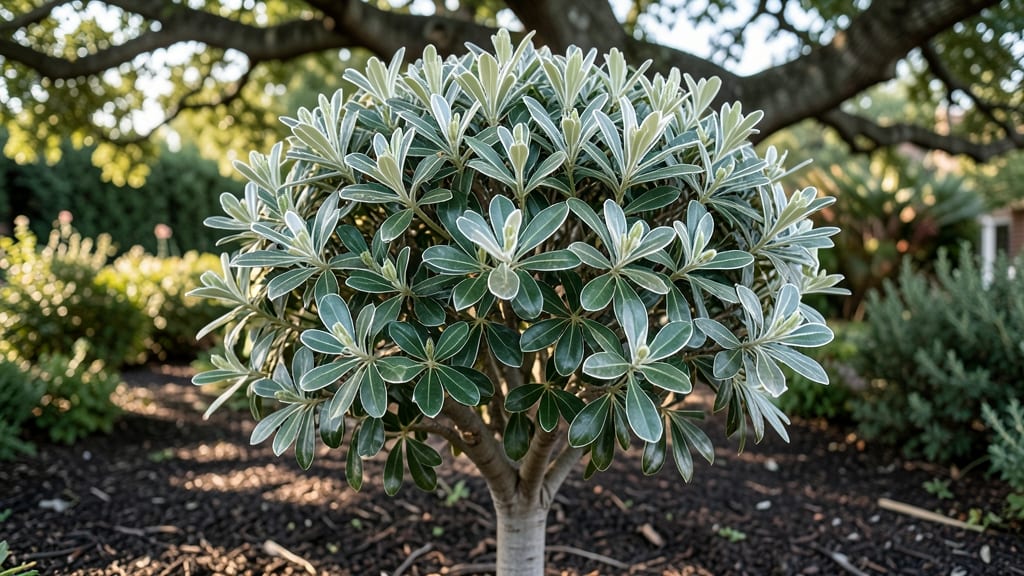
The Pittosporum 'Silver Sheen' tree thrives where others falter—its frost-tolerant foliage stays stunning even when temperatures dip. 🌿 I planted mine in a sheltered spot last spring, and now it’s the star of my landscape, its silvery-blue leaves shimmering year-round.
The key to keeping it that way? Smart pruning that encourages dense growth without stressing the plant.
This evergreen handles cold better than most pittosporums, but it still needs well-draining soil and morning sun to afternoon shade. Water deeply once a week after planting, then taper off—overwatering is the fastest way to dull those signature silvery leaves.
The real magic happens in late winter or early spring when you prune to shape it and remove dead wood, which is exactly what I’ll walk you through.
By following these steps, you’ll end up with a tree that looks like it was designed for your yard—not some high-maintenance showpiece. The foliage stays vibrant, the shape stays neat, and you’ll avoid the leggy, sparse look that plagues neglected pittosporums.
Plus, it’s tough enough to handle urban pollution and coastal winds, making it a no-fuss choice for almost any climate.
Whether you’re shaping it as a small tree, large shrub, or even a hedge, the same principles apply. I’ll cover the tools you’ll need, how to time your cuts, and what to watch for as the seasons change. Let’s get that Silver Sheen looking its absolute best.
📚 In This Guide
- What you need
- Instructions
- Tips and common mistakes
- Wrapping up and next steps
What you need
- ● Pruning shears: Bypass shears (sharp, clean, and sterilized with rubbing alcohol or bleach to prevent disease). 1 pair (or 2 if you have a large tree).
- ● Loppers: For thicker branches (up to 2 inches in diameter). 1 pair with a bypass blade for precision cuts.
- ● Hand pruners: For small, detailed trims. 1 pair with ergonomic grips to reduce hand fatigue.
- ● Pruning saw: For stubborn, woody branches (3+ inches thick). 1 saw with a fine-tooth blade to avoid tearing.
- ● Gloves: Heavy-duty gardening gloves (cut-resistant) to protect hands from thorns and sap. 1 pair.
- ○ Disinfectant: 70% isopropyl alcohol or a pruning sealant (optional but recommended for open wounds).
- ● Ladder or step stool: If your tree is over 6 feet tall. Ensure it’s stable and non-slip.
- ● Trash bags or bucket: For collecting clippings. 1-2 bags (biodegradable preferred).
- ● Pruning paint/sealant: To coat larger cuts and prevent disease (e.g., Tanglefoot Pruning Seal).
- ● Extension pole: For high branches (attach shears/loppers to avoid climbing).
- ● Notebook & pen: To sketch a pruning plan before you start.
- ● Safety glasses: Protect your eyes from flying debris.
- ● Rake or broom: To clean up fallen leaves/clippings afterward.
Step-by-step guide for pruning Pittosporum 'Silver Sheen' trees
Here's how I keep these glossy beauties thriving through winter—no guesswork, just results.
✂️ Step 1: Time Your Pruning for Frost Protection
Prune your Pittosporum 'Silver Sheen' in late winter or early spring, just as new growth begins to emerge. This timing ensures you remove dead wood while leaving enough foliage to protect the plant from late frosts. I always check for swollen buds—that's your cue the tree is waking up.
Never prune in fall, as new growth won't harden off before winter. If you must shape in summer, do it after the worst heat waves—this tree hates stress when temperatures hit 90°F+. A light trim in summer keeps the shape neat without shocking the plant.
✂️ Step 2: Remove Dead, Diseased, or Crossing Branches First
Start by cutting out any dead, broken, or diseased branches—these are the weak points that invite pests and disease. Use clean, sharp pruners to make cuts just outside the branch collar (the swollen area where the branch meets the trunk). I always sterilize my tools with rubbing alcohol between cuts to prevent spreading anything.
Next, look for branches that cross or rub against each other. These create wounds that weaken the tree over time. Remove the smaller of the two branches at its base. You'll know you're doing it right when the cuts look smooth, not jagged.
✂️ Step 3: Shape for Airflow and Light Penetration
Step back and assess the tree's natural shape. Pittosporum 'Silver Sheen' has a graceful, rounded form—let that guide your cuts. Thin out overcrowded areas to improve airflow, which reduces fungal risks. Aim to remove no more than 25% of the foliage in one session to avoid stressing the plant.
Focus on opening up the center so light reaches all branches. This encourages even growth and prevents leggy, sparse areas. If a branch is growing inward, cut it back to an outward-facing bud. You'll see the tree's natural structure emerge as you work.
✂️ Step 4: Finish with Light Trimming for Neatness
For a polished look, trim back any branches that spoil the symmetry. Cut just above a leaf node or bud to encourage new growth in the right direction. Avoid heavy-handed cuts—this tree responds best to gentle shaping. If you're unsure, leave it—better to under-prune than overdo it.
After pruning, give the tree a light watering if the soil feels dry. The roots will appreciate the moisture as they recover. Watch for new growth in 4-6 weeks—that's your sign the pruning was successful. If you see yellowing leaves, it might mean you pruned too late or too aggressively.
⏰ Step 5: Clean Up and Monitor Recovery
Remove all clippings from the area to prevent fungal spores from lingering. I like to compost the healthy trimmings, but if you see signs of disease (like black spots), dispose of them in the trash. Rake up any fallen leaves around the base to keep the area tidy and reduce pests.
Keep an eye on the tree in the weeks after pruning. If new growth appears pale or weak, it might need more sunlight or fertilizer. A balanced, slow-release fertilizer in early spring helps the tree bounce back strong. You'll know it's thriving when the silver undersides of the leaves shine brightly—just like the name promises.
Tips & tricks for pruning Pittosporum 'Silver Sheen' trees
Here's what I've learned after years of keeping these silvery beauties looking their best—without the guesswork.
Timing is Everything: The late winter to early spring window is non-negotiable for Pittosporum 'Silver Sheen'. Look for those swollen buds as your green light—this tells you the tree is waking up from dormancy and ready to handle pruning. Confession: I skipped this step for years and wondered why my trees never bounced back properly after winter. That 90°F+ summer heat warning is serious too—this tree really struggles when stressed in peak heat, so wait until after those scorching waves pass if you must prune then.
Tool Prep Saves Time: Sterilizing your pruners between cuts isn't just about disease prevention—it's about keeping your tools sharp and effective. I keep rubbing alcohol in a small spray bottle right by my work area. A dull blade tears wood instead of making clean cuts, which slows healing and invites infections. Pro tip: Wipe your blades with a clean cloth after sterilizing to prevent spreading any residual alcohol to healthy branches.
Visual Cues for Perfect Cuts: When removing crossing branches in Step 2, look for the branch collar—the swollen area where the branch meets the trunk. Your cut should be just outside this collar, at a slight angle. Think of it like making a clean, precise slice: the goal is to leave behind a smooth surface that can heal properly. I draw a faint line with a pencil first to visualize where I'll cut—this helps me avoid guesswork and ensures I'm cutting in the right spot.
Post-Prune Recovery Check: That 4-6 week window for new growth is your best indicator of success. If you see pale or weak new leaves appearing before then, it's a red flag. Move the tree to a sunnier spot immediately and consider a light application of balanced fertilizer. The silver undersides of the leaves should be your ultimate goal—they're the signature feature of this variety, and they only shine when the tree is truly thriving.
Pro Tips for Pittosporum Silver Sheen Tree
- Here's what I've learned after years of keeping these silvery beauties looking their best—without the guesswork.
- Timing is Everything: The late winter to early spring window is non-negotiable for Pittosporum 'Silver Sheen'.
- Tool Prep Saves Time: Sterilizing your pruners between cuts isn't just about disease prevention—it's about keeping your tools sharp and effective.
Frequently asked questions
Got questions about keeping your Pittosporum Silver Sheen thriving with frost-resistant pruning? You’re not alone! Here are some common concerns—and straightforward answers—to help you maintain that lush, silvery-green beauty year-round.
How cold can Pittosporum Silver Sheen tolerate before frost damage occurs?
The Pittosporum Silver Sheen is one of the hardiest in its genus, typically surviving light frosts down to 15–20°F (-9 to -7°C). However, prolonged exposure below 25°F (-4°C) may cause leaf scorch or dieback. If your region dips lower, mulch the base and prune lightly in early spring to encourage new growth.
When is the best time to prune to prevent frost-related stress?
Prune your Silver Sheen right after flowering (late spring to early summer) to avoid exposing tender new growth to winter chills. Never prune in fall or winter—this can leave cuts vulnerable to frost damage. For frost-prone areas, a light shaping trim in late winter (before buds swell) can also reduce stress.
What if my Silver Sheen looks leggy or sparse after frost? Can I fix it?
Leggy growth or bare spots after frost are common, but don’t panic! Prune back to healthy buds (just above a leaf node) to encourage bushier regrowth. If the damage is severe, feed with a balanced fertilizer (10-10-10) in spring and water deeply to support recovery. Patience is key—new growth often emerges by mid-summer.
Are there frost-hardier alternatives to Pittosporum Silver Sheen?
If your climate is extremely harsh (below 10°F/-12°C), consider these cold-tolerant evergreens:
- Dwarf Boxwood (Buxus) – Handles 0°F (-18°C) with ease.
- Inkberry Holly (Ilex glabra) – Thrives in 10–15°F (-12 to -9°C) zones.
- Dwarf Yew (Taxus) – Survives 10°F (-12°C) and stays dense.
Why are my Silver Sheen’s leaves turning brown and crispy after frost?
Brown, crispy leaves are a sign of frost burn, but the plant is often still alive! Trim dead foliage in early spring, and avoid pruning until new growth appears. If the branches are completely blackened, they may be dead—cut them back to the nearest healthy wood. Water deeply in late winter to help roots recover.
Wrapping up and next steps
The Pittosporum Silver Sheen is a stunning, low-maintenance tree that rewards your care with year-round beauty—even in frost-prone climates! 🌿 With the right pruning techniques, you’ll keep it lush, healthy, and thriving while avoiding common pitfalls.
Whether you’re a seasoned gardener or just starting, this guide gives you the confidence to trim like a pro.
Now that you’re armed with the how-to’s and FAQs, it’s time to grab your pruners and get hands-on! Start with a small section this weekend—you’ll see the difference in no time. Happy pruning! ✂️🌟