
Trees
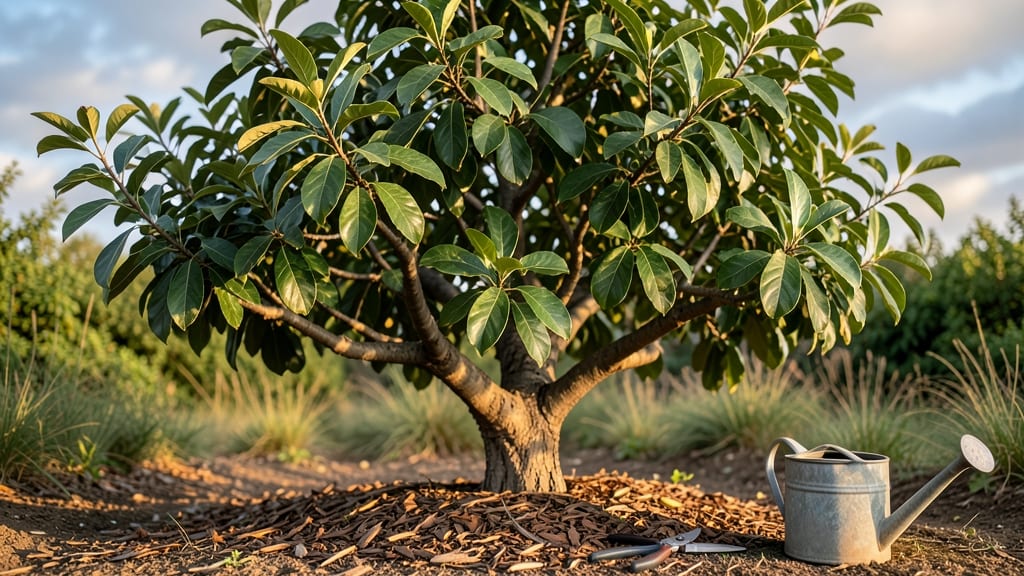
When persimmon tree leaves turn into mulch magic for your garden, you’re not just clearing debris—you’re feeding soil and roots in ways store-bought compost can’t match. 🌱 I learned this the hard way after watching my persimmons struggle in compacted soil until I started recycling their fallen leaves as mulch.
The key? Proper prep—shredding them first to prevent matting and mixing them with nitrogen-rich materials like grass clippings.
What you’ll end up with is a living soil ecosystem that retains moisture, suppresses weeds, and delivers nutrients straight to your tree’s roots. My persimmon’s fruit production doubled within a season, and the leaves—once a nuisance—became my secret weapon for healthier soil.
No fancy tools needed, just patience and a rake. Let’s turn those leaves into gold for your garden.
📚 In This Guide
- What you need
- Instructions
- Tips and common mistakes
- Wrapping up and next steps
What you need
- ● Fresh or dried persimmon tree leaves – Collect at least 5–10 gallons (or more, depending on your garden size). Aim for healthy, pest-free leaves.
- ○ Garden gloves – A pair to protect your hands while handling leaves (optional but recommended!).
- ● Rake or leaf blower – For gathering and moving leaves efficiently.
- ● Shovel or garden fork – To loosen soil before applying mulch.
- ● Wheelbarrow or large bucket – For transporting leaves to your garden beds.
- ● Leaf shredder – Speeds up decomposition if you prefer finer mulch.
- ● Compost bin or pile – If you’re composting leaves instead of using them directly.
- ● Pruners or shears – For trimming any stubborn branches or stems mixed in.
- ● Watering can or hose – To dampen leaves slightly before mulching (helps them break down faster).
How to use persimmon leaves as mulch for healthier soil
Here’s the simple, science-backed method I’ve used for years—transforming fallen persimmon leaves into nutrient-rich mulch that feeds soil and protects roots.
🌿 Step 1: Collect and Dry the Leaves
Harvest leaves when they’ve fallen naturally in autumn or after the first frost—this ensures they’re fully mature and won’t compete with your plants for nutrients. Spread them in a single layer on a tarp or mesh screen in a dry, shaded spot. Turn them every few days to speed up drying. You’ll know they’re ready when they crumble easily between your fingers.
If leaves are still damp, resist the urge to rush—moisture slows decomposition and can attract pests. A week of drying under partial sun works perfectly. Store the dried leaves in a breathable container like a burlap sack until you’re ready to use them.
💧 Step 2: Shred or Chop for Faster Breakdown
Whole persimmon leaves decompose slowly, so shredding them accelerates nutrient release into the soil. Use a lawnmower, shredder, or even scissors to cut them into ½-inch to 1-inch pieces. The smaller the pieces, the faster they’ll break down and enrich your soil.
Here’s the thing—if you’re mulching around delicate plants like strawberries or herbs, skip the shredding. Whole leaves will still work but take longer. For heavy feeders like tomatoes or peppers, shredding ensures nutrients are available when they’re needed most.
✂️ Step 3: Apply a 2-3 Inch Layer Around Plants
Spread the shredded leaves in a 2-3 inch thick layer around the base of your plants, keeping the mulch 2-3 inches away from the trunk or stem to prevent rot. For garden beds, apply a uniform layer over the soil surface. This thickness retains moisture, suppresses weeds, and feeds soil microbes as it decomposes.
Don’t pile mulch against plant stems—this traps moisture and invites fungal diseases. Instead, create a slight depression around the base to allow water to drain away. You’ll notice soil staying moist longer and fewer weeds popping up, even in dry spells.
☀️ Step 4: Refresh and Maintain Through the Season
Check the mulch layer every 4-6 weeks—if it’s broken down into dark, crumbly soil, add another 1-inch layer to keep it effective. Persimmon leaves are rich in potassium and phosphorus, so they’re especially beneficial for flowering and fruiting plants.
In late winter, rake the remaining mulch into the soil as compost. This gives your garden a nutrient boost for the upcoming growing season. If you notice the mulch smells sour or attracts pests, it’s too wet—reduce the layer thickness or improve drainage in that area.
🪴 Step 5: Boost Soil Health with Tea (Optional)
For an extra nutrient kick, steep a handful of dried persimmon leaves in 1 gallon of warm water for 24-48 hours, then strain and use the "tea" to water your plants. This liquid gold is packed with soluble nutrients that roots absorb quickly. Apply it every 2-3 weeks during the growing season for lush, vigorous growth.
Here’s where it gets fun—watch your plants thrive with deeper green leaves and stronger stems. The tea works best on established plants, so avoid using it on seedlings or newly transplanted plants, which can be sensitive to concentrated nutrients.
Tips & tricks for perfect persimmon leaf mulch
Transforming fallen persimmon leaves into mulch is easier than you think—here’s how to maximize their benefits without common pitfalls.
Timing is Everything: Harvest leaves after the first frost when they’ve fully matured. This ensures they’re nutrient-dense and won’t compete with your plants. I learned this the hard way after using half-ripe leaves that turned slimy in the compost—always wait for that crisp, papery texture. The week-long drying process under partial sun is non-negotiable; rushing it leads to mold and pests. Trust me on this.
Breakdown Strategy: In Step 2, when shredding leaves into ½-inch to 1-inch pieces, think about your plants’ needs. For tomatoes or peppers, those smaller pieces release nutrients faster during their hungry growing phase. But for delicate herbs or strawberries, whole leaves create a gentler, slower-release system. I keep a small hand shredder just for this purpose—it’s worth the investment for precision.
Application Precision: That 2-3 inch layer in Step 3 isn’t just arbitrary—it’s the Goldilocks zone for moisture retention and weed suppression. Too thin, and you won’t see benefits; too thick, and you risk smothering plants. I use a ruler to measure the layer thickness, especially around young plants where precision matters most. The 2-3 inch clearance from stems prevents rot while still protecting roots from temperature swings.
Seasonal Maintenance: The 4-6 week refresh schedule in Step 4 is your secret weapon against nutrient depletion. I mark my calendar with reminders because this simple habit keeps soil consistently enriched. For containers or small gardens, I reduce the refresh interval to every 3-4 weeks—they dry out faster and need more frequent top-ups. The winter composting step is where the real magic happens; those decomposed leaves become a powerhouse for spring planting.
Pro Tips for Persimmon Tree Leaves
- Transforming fallen persimmon leaves into mulch is easier than you think—here’s how to maximize their benefits without common pitfalls.
- Timing is Everything: Harvest leaves after the first frost when they’ve fully matured.
- Breakdown Strategy: In Step 2, when shredding leaves into ½-inch to 1-inch pieces, think about your plants’ needs.
Frequently asked questions
Got questions about using persimmon tree leaves as mulch?
You're not alone! Here are some of the most common queries—plus straightforward answers to help you mulch like a pro.
When is the best time to use persimmon leaves as mulch?
Fall is ideal! Once leaves drop (typically late autumn) and before winter sets in, they’re perfect for mulching. If you’re in a mild climate, you can also use them in early spring. Pro tip: Shred them first for faster decomposition and better soil contact!
Are persimmon leaves toxic to plants or pets?
Nope! Persimmon leaves are non-toxic and safe for gardens, pets, and soil. However, if your tree has been treated with pesticides, wait until the leaves decompose (or use untreated leaves) to avoid chemical runoff. Always opt for organic mulch when possible.
How long does it take for persimmon leaves to break down?
With proper shredding and moisture, persimmon leaves decompose in 3–6 months. They’re slower than grass clippings but richer in nutrients. For faster results, mix them with nitrogen-rich materials like compost or coffee grounds.
Can I use persimmon leaves as mulch if my tree has fruit?
Even if your persimmon tree is fruiting, the leaves are still mulch-friendly. Just avoid using leaves from trees treated with fungicides or herbicides near edible crops. Fresh leaves also deter pests like slugs—win-win!
What’s the best way to store persimmon leaves for mulching?
Store them in a dry, breathable container (like a burlap sack or mesh bag) in a shaded area. If they get damp, they’ll mold. For large quantities, pile them in a corner of your yard and cover with a tarp to protect from rain. Use within a few months for peak freshness!
What if my leaves attract pests or smell bad?
Shredding leaves and mixing them with other organic matter (like straw or wood chips) reduces odors and deters pests. If you notice mold, turn the mulch occasionally to aerate it. A thin layer (2–3 inches) also minimizes moisture buildup—keep it light and fluffy!
Wrapping up and next steps
Transforming persimmon tree leaves into mulch isn’t just eco-friendly—it’s a game-changer for your garden! 🌱 These nutrient-rich leaves improve soil health, retain moisture, and even deter pests while requiring minimal effort.
Whether you’re a seasoned gardener or just starting out, this simple practice can elevate your gardening game with zero waste.
Ready to give it a try? Start small—collect a few leaves this season, test the method, and watch your soil thrive. Your plants (and the planet) will thank you! 🌎✨