Pruning
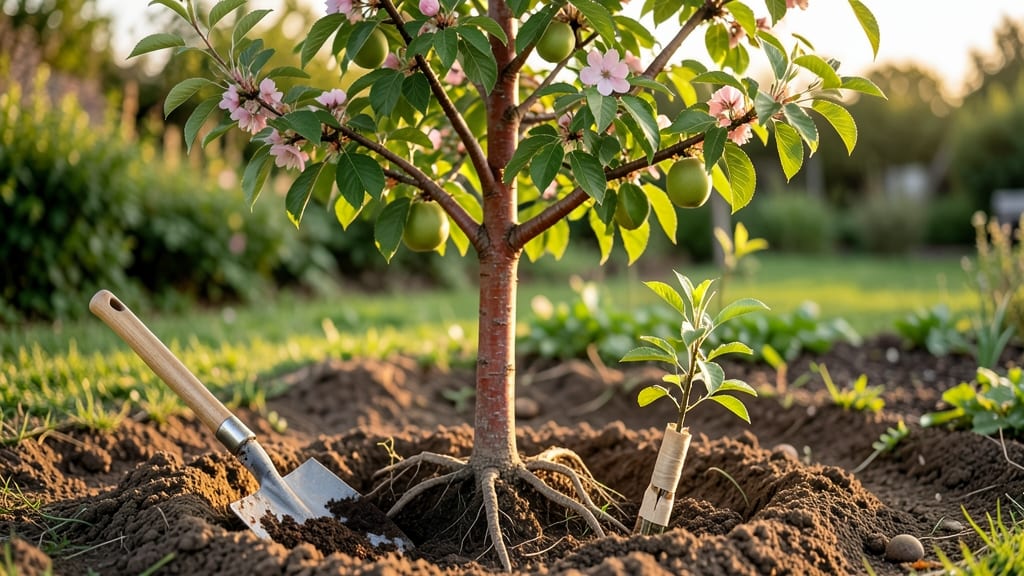
Master these peach tree planting tips first, and you’ll enjoy juicy summer harvests for years to come—if you nail the basics. The secret starts with cold-hardy varieties suited to your zone and soil that drains like a dream, not a swamp.
I’ve learned the hard way that skipping these steps leads to stunted trees or worse, dead ones by summer’s end.
First, pick a sunny spot with 6+ hours of light and soil that’s loose and slightly acidic (pH 6.0-6.5). Amend heavy clay with compost or sand, and avoid low areas where water pools. Spring is ideal for planting bare-root trees, while container-grown ones go in anytime the ground isn’t frozen.
Dig a hole twice as wide as the root ball but no deeper—peach trees hate sitting too low.
After planting, water deeply to settle the soil, then mulch with 3-4 inches of wood chips to lock in moisture and keep roots cool. Stake only if needed (young trees in windy areas), but avoid tying too tight—roots need room to breathe.
Within a year, you’ll see strong new growth, and by year three, those juicy peaches will be within reach.
Cold-hardy varieties like ‘Reliance’ or ‘Contender’ thrive in zones 4-7, while ‘Redhaven’ prefers warmer climates. The key? Consistent care—prune in late winter, fertilize lightly in spring, and watch for pests like peach tree borers. Skip the shortcuts, and your tree will reward you for decades.
📚 In This Guide
- What you need
- Instructions
- Tips and common mistakes
- Wrapping up and next steps
What you need
- ● Peach tree sapling: Choose a cold-hardy variety (e.g., Reliance, Redhaven, or Elberta) from a reputable nursery. Opt for a 1- to 2-year-old bare-root or container-grown tree (5–6 feet tall for faster fruiting).
- ● Shovel or spade: A round-point shovel (18–24 inches wide) for digging the planting hole.
- ● Garden fork or tiller: To loosen compacted soil in the planting area (especially if your soil is heavy clay or sandy).
- ● Pruning shears or saw: Bypass pruners (for small branches) or a hand pruning saw (for thicker stems) to trim damaged roots or branches.
- ● Compost or well-aged manure: 5–10 gallons (mix with native soil for nutrient boost). Avoid fresh manure—it can burn roots!
- ● Organic mulch: 3–4 inches of wood chips, straw, or pine bark to retain moisture and suppress weeds.
- ● Garden hose or watering can: With a spray nozzle for gentle watering.
- ○ Soil pH test kit: Optional but helpful—peaches thrive in slightly acidic soil (pH 6.0–7.0).
- ● Root stimulator: A mycorrhizal fungus or seaweed-based rooting hormone to encourage strong root growth.
- ● Tree guard or wire cage: To protect young trees from deer, rabbits, or curious pets.
- ● Slow-release fertilizer: 10-10-10 or 8-3-9 blend (apply sparingly—peaches are light feeders!).
- ● Drip irrigation kit: For consistent moisture, especially in hot climates.
- ● Staking kit: Only if planting in windy areas (use 2–3 stakes and soft tree ties).
Step-by-Step guide for planting cold-hardy peach trees
Here's how I plant peach trees for maximum winter survival and summer fruit production.
🌱 Step 1: Choose the Right Variety and Planting Time
Select a cold-hardy variety like 'Reliance' or 'Contender' that thrives in your USDA zone. These trees handle temperatures down to -25°F without bud damage. Plant in early spring—as soon as the soil is workable but before buds break dormancy. This gives roots time to establish before summer heat arrives.
I always check the forecast for a 3-day stretch of 50°F+ temperatures before planting. Cold snaps after transplanting stress young trees. If you must plant in fall, do it 6-8 weeks before first frost so roots can anchor before winter.
🪴 Step 2: Prepare the Planting Site and Amend Soil
Choose a location with full sun (at least 8 hours daily) and protection from harsh winds. Peach trees need well-draining soil with a pH between 6.0-7.0. If your soil is heavy clay, mix in 2-3 inches of compost and 1 inch of coarse sand to improve drainage.
Dig a hole twice as wide as the root ball but no deeper. The top of the root ball should sit 1-2 inches above ground level—this prevents waterlogging. I always loosen the roots gently if they're circling in the container, which helps them spread faster in the new soil.
☀️ Step 3: Plant and Water for Immediate Root Establishment
Place the tree in the hole, ensuring the graft union (the swollen area near the base) is 2-3 inches above soil level. This protects against future rot. Backfill with native soil mixed with a 5-10-10 fertilizer (follow package rates). Water deeply to settle the soil and eliminate air pockets.
After planting, water 1-2 gallons per week for the first month, keeping the soil evenly moist but not soggy. A 4-inch layer of mulch (like wood chips) around the base helps retain moisture and regulate soil temperature. Just keep mulch 6 inches away from the trunk to prevent rot.
✂️ Step 4: Prune for Structure and Winter Readiness
Prune immediately after planting to remove any broken branches and shape the tree into an open center. Cut back one-third of the smallest branches to encourage outward growth. This reduces winter damage from heavy snow or ice.
Apply a dormant oil spray in late fall to smother overwintering pests. For extra cold protection, wrap the trunk with tree guard in winter if your zone drops below -10°F. I've found that young trees benefit from a light frost cloth over the canopy during unexpected late frosts.
Tips & tricks for planting cold-hardy peach trees
Planting peach trees successfully starts with the right preparation—here’s what I’ve learned after years of trial and error in my own orchard.
Variety Selection Matters: While 'Reliance' and 'Contender' are excellent choices for cold climates, don’t overlook local nurseries for varieties bred specifically for your USDA zone. I once planted a non-hardy variety in Zone 5, and it died back to the ground every winter—until I switched to a properly matched cold-hardy tree. Check your local cooperative extension service for region-specific recommendations.
Soil Amendments Are Key: If your soil is heavy clay, the 2-3 inches of compost and 1 inch of sand I mentioned in Step 2 should be mixed thoroughly into the bottom of the hole, not just around the root ball. This creates a well-draining environment right where the roots will spread. I’ve seen trees planted in unamended clay struggle with root rot even when the hole itself looked properly prepared.
Watering Strategy Makes the Difference: Those first 1-2 gallons per week are critical, but timing matters just as much. Water deeply in the morning so the soil has time to dry slightly during the day, which prevents fungal diseases. I use a soaker hose to deliver water slowly at the base of the tree, avoiding wetting the leaves or trunk. Overhead watering can lead to leaf diseases that weaken young trees.
Winter Protection Isn’t Optional: The -10°F threshold for tree guard isn’t just a suggestion—it’s a survival line for young trees. I’ve seen frost cloth save entire canopies during unexpected late frosts in spring. If you’re in a zone colder than -10°F, consider wrapping the trunk with tree guard and using frost cloth for the first two winters to give your tree the best chance to establish a strong root system.
Pro Tips for Peach Tree Planting Tips
- Planting peach trees successfully starts with the right preparation—here’s what I’ve learned after years of trial and...
- Variety Selection Matters: While 'Reliance' and 'Contender' are excellent choices for cold climates, don’t overlook l...
- Soil Amendments Are Key: If your soil is heavy clay, the 2-3 inches of compost and 1 inch of sand I mentioned in Step...
Frequently asked questions
Got questions about planting your peach tree? You’re not alone! Here are answers to the most common peach tree planting tips queries to help you grow a thriving orchard.
When is the best time to plant a peach tree?
Plant peach trees in early spring (after the last frost) or late fall (6-8 weeks before the first frost). Spring planting gives roots time to establish before summer heat, while fall planting avoids drought stress. Avoid planting in extreme heat or freezing temperatures.
How cold-hardy are peach trees, and can they survive winter?
Most peach trees thrive in USDA Zones 5-9, with cold-hardy varieties like ‘Reliance’ or ‘Contender’ tolerating temps down to -20°F. To protect young trees, mulch heavily (3-4 inches) with straw or wood chips and wrap the trunk with burlap. Avoid pruning late in the season to prevent frost damage.
What’s the best soil mix for peach trees?
Peach trees prefer well-draining, slightly acidic soil (pH 6.0-6.5). Amend heavy clay or sandy soil with compost, peat moss, or aged manure to improve fertility and drainage. Avoid waterlogged spots—peaches hate soggy roots! A soil test (available at local extension offices) can help tailor your mix.
How do I protect my peach tree from pests and diseases?
Prevent issues with proper spacing (15-20 feet apart) for airflow and regular pruning to remove dead wood. Watch for peach leaf curl (fungus) and borers—spray copper fungicide in late fall/winter and apply beneficial nematodes for borer control. Healthy soil and balanced watering (1-2 inches/week) boost natural defenses!
Can I grow a peach tree in a container, or do I need a yard?
While possible, peach trees thrive best in the ground due to their size (15-25 feet tall) and root depth. If container-growing, choose a dwarf variety (like ‘Bonanza’) and a 50+ gallon pot with drainage holes. Move pots to a sunny spot in summer and protect from winter winds. Expect smaller yields compared to in-ground trees.
Wrapping up and next steps
Planting a peach tree is a rewarding journey that combines patience, care, and a little know-how. By choosing cold-hardy varieties and preparing your soil with organic matter and proper drainage, you’re setting the stage for a thriving orchard.
Whether you’re a seasoned gardener or a beginner, these tips will help you grow sweet, juicy peaches year after year—so roll up your sleeves and get ready to enjoy the fruits of your labor! 🌱🍑
Now that you’re armed with the best practices, mark your calendar for planting season and take the next step: visit your local nursery or order your trees online. Happy planting!