
Pruning
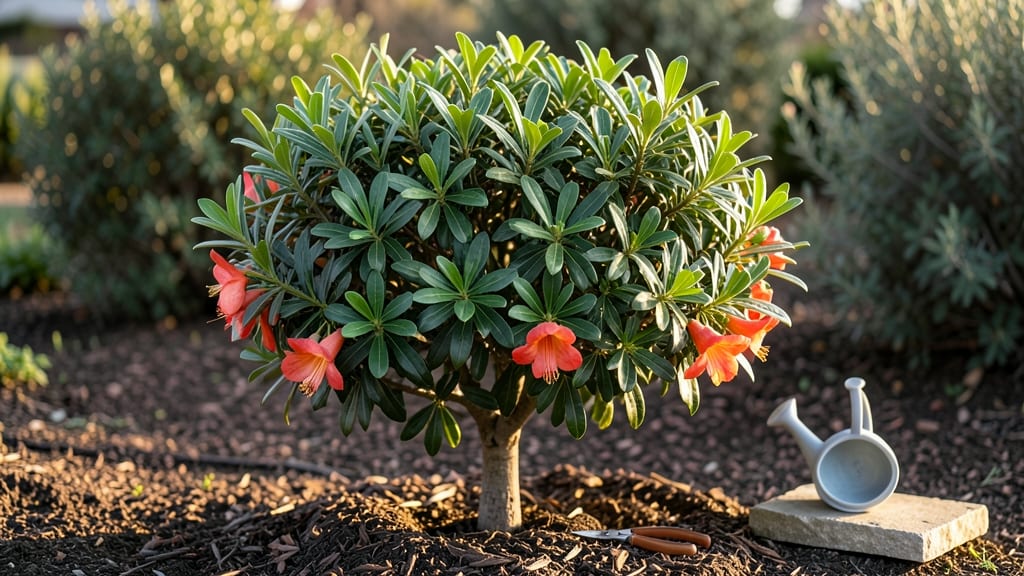
Growing a Parfianka pomegranate tree in the Pacific Northwest means mastering frost survival while enjoying its stunning year-round foliage and sweet fruit. 🌿 I’ve learned the hard way that without proper winter prep, these trees struggle—until I discovered the right pruning and mulching tricks that keep them thriving even when temps dip below freezing.
The secret lies in layered protection: thick mulch, strategic pruning to open the canopy, and selecting the right spot where afternoon sun warms the trunk. Parfianka’s glossy leaves and cold-hardy roots make it the perfect choice for our climate, but it needs your help to beat frost.
Start with well-draining soil and full sun exposure, then focus on winter prep before the first freeze.
By spring, you’ll see vibrant new growth and—if all goes well—plump, ruby-red fruit by late summer. The tree’s dense branches also provide shade and privacy, making it a multi-season star in any yard. With just a few adjustments, your Parfianka will outlast frost and reward you with harvests for decades.
Whether you’re planting bare-root or container-grown, the same principles apply: protect the roots, shape the canopy, and never skip the mulch. Let’s get your tree set up for a frost-free future—it’s easier than you think!
📚 In This Guide
- What you need
- Instructions
- Tips and common mistakes
- Wrapping up and next steps
What you need
- ● Pruning shears: Bypass pruners (sharp, sterilized) for clean cuts—2 pairs (one for small branches, one for thicker limbs).
- ● Loppers: Heavy-duty (16–24" reach) for branches ½–2 inches thick—1 pair.
- ● Pruning saw: Curved-tooth saw for branches >2 inches—1.
- ● Frost cloth: 30–50g/m² breathable fabric (covers entire canopy in winter)—1–2 rolls (depending on tree size).
- ● Burlap or tree wrap: 12–18" wide for trunk protection—1 roll.
- ● Organic mulch: Wood chips or straw (3–4" layer around base)—1–2 cubic yards.
- ○ Potting soil (optional for container growth): Well-draining, pH 6.0–7.0—1–2 bags (if repotting).
- ● Gloves: Heavy-duty gardening gloves (cut-resistant for pruning).
- ● Hose or watering can: For post-pruning hydration.
- ● Tree ties: Soft fabric ties for securing frost cloth.
- ● Fungicide: Copper-based (prevents fungal issues)—1 bottle.
- ● Soil moisture meter: For monitoring drought-prone roots.
Step-by-Step guide to year-round Pacific Northwest pomegranate canopy care
Here's how to keep your Parfianka pomegranate thriving through PNW winters—no frost damage in sight.
🌿 Step 1: Establish Summer Canopy Structure for Winter Resilience
In late summer, prune to create an open, airy canopy. Remove any inward-growing branches that crowd the center—this prevents snow accumulation and frost pockets. I target 40-50% canopy reduction by cutting back overgrown limbs to lateral buds, ensuring sunlight reaches the interior. The goal is a vase-like shape that sheds snow easily and allows cold air to circulate.
Use clean, sharp pruners to make cuts at a 45-degree angle just above outward-facing buds. Avoid heavy pruning after mid-August, as new growth won't harden off before winter. You'll notice healthier inner branches develop over winter when you've got good airflow.
✂️ Step 2: Winter Pruning for Frost Hardening
Wait until late winter (February) to do your major pruning—after the worst frosts have passed but before new growth starts. Remove any dead, diseased, or crossing branches first. Then, cut back remaining limbs by 20-30% to stimulate fresh, cold-hardy growth. The Parfianka handles pruning well, but avoid over-thinning—you want to maintain some leaf cover for photosynthesis.
Here's the thing—pomegranates bloom on old wood, so prune after flowering to preserve next year's fruit. Watch for suckers at the base and remove them immediately, as they drain energy from the main tree. After pruning, apply a 2-inch layer of wood chips around the base to insulate roots.
🪴 Step 3: Layered Frost Protection for PNW Winters
Start by wrapping the trunk with burlap or tree wrap in late November to prevent sunscald. Then, construct a snow fence around the tree to collect and direct snowfall onto the canopy. The weight of snow actually insulates branches better than blankets—just make sure it doesn't accumulate too heavily in one spot. I've seen Parfiankas survive -10°F with proper snow cover.
For extreme years, drape frost cloth over the canopy when temperatures drop below 20°F, securing it loosely to allow airflow. Remove it during the day if temperatures rise above freezing to prevent moisture buildup. The key is balance—too much protection can create humidity pockets that invite fungal issues.
☀️ Step 4: Spring Transition and Early Season Care
As soon as daytime temperatures reach 50°F consistently, remove all winter protection. Inspect branches for frost cracks—if you see split bark, seal with pruning sealant to prevent disease entry. The Parfianka's thick skin usually handles cold well, but severe cracks need attention. Prune out any damaged limbs immediately.
Apply a balanced 10-10-10 fertilizer in early spring when buds swell, using 1 pound per inch of trunk diameter. Water deeply to 12 inches to encourage root growth before summer heat arrives. You'll notice new shoots emerge within 3-4 weeks—this is your signal that winter stress is over and the tree is recovering.
💧 Step 5: Summer Maintenance for Cold Hardiness
Throughout summer, maintain deep watering every 10-14 days to encourage deep root growth—deeper roots mean better frost resistance. Avoid overhead watering after 6 PM to prevent fungal issues. I use drip irrigation to keep foliage dry while delivering moisture directly to roots.
Monitor for aphids or scale—these pests weaken trees and make them more frost-sensitive. Treat infestations immediately with horticultural oil. By late summer, you'll see the canopy thickening naturally, which helps trap heat in winter. This is when the Parfianka's natural resilience really shines in our unpredictable PNW climate.
Tips & tricks for perfect Pacific Northwest pomegranate canopy care
These practical strategies will help your Parfianka pomegranate thrive through PNW winters without frost damage.
Pruning Precision: When you're making those 45-degree angle cuts in Step 1, look for the bud that's facing outward—this is your target. The angle helps water run off, preventing rot. I've seen branches develop better in winter when cut this way, as the new growth follows the natural growth pattern of the tree. Use a ruler to verify your angle if needed.
Frost Protection Layering: For that critical 20°F threshold in Step 3, I recommend adding a layer of straw mulch around the base after wrapping the trunk. This creates an extra insulating barrier that works in tandem with your snow fence. The straw also helps regulate soil temperature fluctuations, which is especially helpful in our unpredictable PNW winters where temperatures can swing dramatically.
Spring Transition Strategy: That 50°F threshold in Step 4 is your cue to remove winter protection, but don't rush it. Check daytime highs for three consecutive days before making the switch. I've seen trees suffer from sudden temperature changes when protection was removed too early. Also, inspect the bark for any signs of frost cracks before applying pruning sealant—this prevents disease entry points.
Pest Prevention: In Step 5, when monitoring for aphids or scale, focus on the undersides of leaves and new growth areas. These are the prime hiding spots. I've found that applying horticultural oil in late afternoon (just before sunset) gives it time to work overnight without risking leaf burn from afternoon sun exposure. This proactive approach keeps your tree healthier through winter.
Pro Tips for Parfianka Pomegranate Tree
- These practical strategies will help your Parfianka pomegranate thrive through PNW winters without frost damage.
- Pruning Precision: When you're making those 45-degree angle cuts in Step 1, look for the bud that's facing outward—this is your target.
- Frost Protection Layering: For that critical 20°F threshold in Step 3, I recommend adding a layer of straw mulch around the base after wrapping the trunk.
Frequently asked questions
How cold can a Parfianka pomegranate tree tolerate?
The Parfianka is one of the hardiest pomegranate varieties, surviving temperatures as low as 10°F (-12°C) with proper care. However, young trees or newly planted ones may need winter protection (like burlap wraps or mulch) until established. Pro tip: Avoid pruning late in the season—wait until spring to encourage new growth before cold snaps hit!
When is the best time to prune for frost resilience?
Prune your Parfianka in late winter or early spring (February–March) to remove dead/diseased wood and shape the tree. Never prune in fall—this stimulates new growth that won’t harden off before winter. Focus on open-center pruning to improve airflow and reduce frost pockets in dense foliage.
Can I grow a Parfianka pomegranate in a container?
Yes! Use a large (15+ gallon) container with drainage holes and a well-draining mix (like cactus/succulent soil). Move pots indoors or to a sheltered spot when temps drop below 20°F (-7°C). Warning: Containers freeze faster—wrap the pot in bubble wrap or use a frost blanket for extra protection.
Why aren’t my Parfianka pomegranates ripening?
Ripening issues often stem from insufficient sunlight (this tree needs 6+ hours/day) or over-pruning (which reduces fruiting branches). Check for aphids or scale insects too—pests stress the tree. If your tree is young (<3 years), be patient; full production takes time. Try this: Fertilize lightly in spring with a low-nitrogen, high-phosphorus blend to boost fruit set.
How much can I prune without harming the tree?
For established trees, limit pruning to 20–30% of the canopy per year. Avoid “topping” (cutting back to a stub)—this creates weak regrowth. Instead, thin out crowded branches and remove suckers at the base. Remember: Prune on a dry, frost-free day to prevent disease entry through fresh cuts.
What’s a good alternative if Parfianka struggles in my microclimate?
If your area gets colder than 10°F (-12°C) regularly, consider these cold-tolerant alternatives:
- ‘Wonderful’ pomegranate (hardy to 15°F (-9°C) with protection)
- ‘Eversweet’ pomegranate (slightly less cold-hardy but disease-resistant)
- Fig trees (e.g., ‘Chicago Hardy’) (thrive in PNW zones 6–9)
For maximum frost survival, plant near a south-facing wall or use a cold frame for young trees.
Wrapping up and next steps
Growing a Parfianka pomegranate tree in the Pacific Northwest is totally doable with the right frost-proofing strategies!
By combining smart pruning, mulching, and seasonal protection, you’ll enjoy its stunning foliage and sweet fruit year-round. Now’s the time to act: assess your tree’s needs, gather supplies, and start implementing these techniques before winter hits.
🌱 Next Steps:
- Schedule a pruning session before the first frost.
- Test your mulch and windbreak setup for effectiveness.
- Join local gardening groups for PNW-specific tips!