
Trees
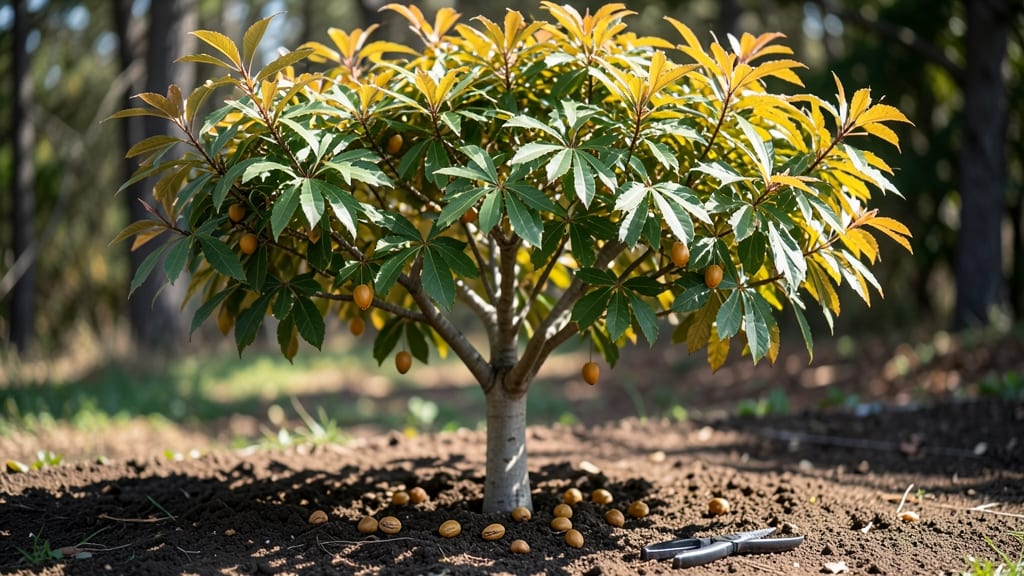
Paper shell pecan trees deliver harvests in half the time of traditional varieties—fast-growing nuts that crack open like candy shells. 🌱 I planted mine last spring, and by midsummer, they were already taller than my fence.
The secret lies in their thin, papery shells that mature earlier, letting you enjoy pecans years sooner than with standard trees.
You’ll need full sun, well-draining soil, and patience for the first few years while roots establish. These trees thrive in zones 6-9, but young saplings need winter protection until they’re sturdy enough to handle frost.
The payoff? A tree that produces 10-15 pounds of nuts per year once mature—with minimal effort after the initial planting.
Pruning in late winter keeps them shaped and productive, while regular watering (especially in drought) ensures thick shells and plump kernels. The biggest challenge? Squirrels love them too—so harvest early or use netting.
By year three, you’ll have a tree that’s both ornamental and edible, with nuts ready by early fall.
Perfect for home orchards, large yards, or even containers (for dwarf varieties). Start with a grafted tree from a reputable nursery, and you’ll be cracking open your own pecans in no time. Here’s how to get them growing strong from day one.
📚 In This Guide
- What you need
- Instructions
- Tips and common mistakes
- Wrapping up and next steps
What you need
- ● Paper shell pecan tree saplings: 1–3 healthy, disease-free nursery-grown trees (choose fast-growing varieties like Schley or Cape Fear)
- ● Well-draining soil: 50–100 lbs of a mix of native soil, compost (20–30%), and sand or perlite (10–20%) for loose, fertile soil
- ● Organic mulch: 2–3 inches of wood chips, straw, or pine bark (spread in a 3–4 ft radius around the base)
- ● Watering supplies: Garden hose with adjustable nozzle or a 5-gallon watering can
- ● Fertilizer: Balanced 10-10-10 or slow-release pecan-specific fertilizer (follow package rates for young trees)
- ○ Tree supports (optional but recommended): 2–3 wooden stakes (6 ft tall) and tree ties for young, slender saplings
- ● Shovel or trowel: For digging planting holes (12–18 inches wide and deep)
- ● Pruning shears: Sharp, sterilized shears for shaping and removing dead branches
- ● Gloves: Heavy-duty work gloves to protect hands from thorns and rough bark
- ● Measuring tape: To ensure proper spacing (15–20 ft between trees for optimal growth)
- ○ Soil pH test kit (optional): To check soil acidity (ideal range: 6.0–7.0 for pecans)
- ○ Drip irrigation system (optional): For consistent moisture, especially in dry climates
- ● Full-sun location (6+ hours of direct sunlight daily)
- ● USDA Hardiness Zones 6–9 (paper shell pecans thrive in warm climates)
- ● Well-draining soil (avoid waterlogged areas)
- ● Proximity to a water source for regular irrigation
Step-by-Step guide to planting and caring for fast-growing paper shell pecan trees
Here’s how to get your nutty harvest growing quickly—with the right prep and care.
🌱 Step 1: Choose the Right Location and Prepare the Soil
Paper shell pecan trees thrive in full sun—at least 6-8 hours daily—so pick a spot with no afternoon shade. They’re drought-tolerant once established, but young trees need well-draining soil. If your yard is heavy clay, mix in 2-3 inches of compost to loosen the earth before planting.
Dig a hole twice as wide as the tree’s root ball but only as deep. Loosen the sides of the hole to encourage root spread. I always tap the hole lightly with a shovel afterward to remove air pockets—this prevents roots from settling unevenly later.
🪴 Step 2: Plant at the Correct Depth and Water Deeply
Place the tree so the top of the root ball sits 1 inch above ground level. This prevents soil from settling and smothering the trunk. Fill the hole halfway with native soil, then water deeply to settle it. Wait until the water drains, then finish filling the hole and firm the soil gently with your hands.
Don’t skip the initial deep watering—this helps roots establish quickly. After planting, water again to ensure the soil around the roots stays moist for the first 2 weeks. You’ll know it’s right when the top inch feels damp but not soggy.
☀️ Step 3: Mulch and Fertilize for Fast Growth
Spread 2-3 inches of organic mulch (like shredded bark or pine straw) in a ring around the tree, keeping it 3 inches away from the trunk. Mulch locks in moisture and regulates soil temperature—critical for young trees in hot climates. I always refresh the mulch layer every spring to maintain its effectiveness.
Apply a balanced, slow-release fertilizer (10-10-10) in early spring and again in midsummer. Follow the package rates, but halve them for the first year to avoid overfeeding. You’ll see faster growth when the tree’s energy goes into roots instead of excess foliage.
⏰ Step 4: Prune for Shape and Airflow in Early Spring
Wait until late winter or early spring before pruning—this is when the tree is still dormant. Remove any dead, crossing, or weak branches first. Then, trim back any suckers (shoots growing from the base) to redirect energy to the main trunk. I like to shape the tree into an open vase form to maximize sunlight penetration.
Use clean, sharp pruners to make cuts just outside the branch collar. Avoid leaving stubs—this invites disease. After pruning, give the tree a light watering to help it recover. You’ll notice new growth within 4-6 weeks if the timing and cuts were right.
💧 Step 5: Monitor Watering and Watch for Early Harvest Signs
Young trees need deep watering once a week during dry spells, but mature paper shell pecans are drought-resistant. Water at the base, not overhead, to prevent fungal issues. You’ll know it’s enough when the soil 6 inches down stays moist but not waterlogged.
In their 3rd or 4th year, you’ll start seeing paper-thin shells forming on the nuts—this is your fast-growth payoff! Harvest when the hulls turn brown and split open naturally. Shake the tree gently over a tarp to collect the nuts, then let them dry in a warm, dry place for 2-3 weeks before storing.
Tips & tricks for perfect paper shell pecan trees
Want to grow these nutty wonders faster? These proven tips will help you avoid common pitfalls and maximize your harvest.
Sunlight Strategy: While 6-8 hours of sunlight is the minimum, I’ve found that positioning your tree where it gets morning sun and afternoon shade in hot climates actually prevents stress. In Step 1, consider planting near a building’s east side to capture gentle morning rays while avoiding harsh afternoon heat.
Root Ball Prep: Before planting, soak the root ball in water for 10-15 minutes in Step 2. This helps hydrate the roots immediately and reduces transplant shock. I also like to trim any circling roots gently with clean shears—this encourages outward growth instead of tangled roots that can strangle themselves.
Mulch Timing: The 2-3 inches of mulch in Step 3 works wonders, but here’s the key: apply it right after planting and again in late fall. This double layer protects against winter cold and summer heat extremes. Just remember to pull mulch back 3 inches from the trunk to prevent rot.
Pruning Visual Cues: In Step 4, look for branches that grow inward or cross each other—these are your first targets. I use a simple trick: hold your pruners at a 45-degree angle and make cuts just outside the branch collar. You’ll know you’re doing it right when the cut looks like a smile facing the trunk.
Pro Tips for Paper Shell Pecan Trees
- Want to grow these nutty wonders faster?
- Sunlight Strategy: While 6-8 hours of sunlight is the minimum, I’ve found that positioning your tree where it gets morning sun and afternoon shade in hot climates actually prevents stress.
- Root Ball Prep: Before planting, soak the root ball in water for 10-15 minutes in Step 2.
Frequently asked questions
Got questions about growing paper shell pecan trees? You’re in the right place! Whether you're curious about care, timing, or troubleshooting, here are some of the most common queries—plus straightforward answers to help you grow like a pro.
What makes paper shell pecans different from regular pecans?
Paper shell pecans, like the Desirable or Stuart varieties, have thinner, easier-to-crack shells compared to traditional pecans. This makes harvesting and processing nuts a breeze! They’re also prized for their buttery flavor and high oil content, perfect for baking or snacking.
How long does it take for a paper shell pecan tree to bear fruit?
Most paper shell pecan trees start producing nuts within 4–7 years, depending on climate and care. Dwarf varieties may bear fruit slightly sooner (3–5 years), while standard trees take longer. Patience pays off—healthy trees reward you with abundant harvests!
Can paper shell pecan trees grow in cold climates?
While they thrive in USDA Zones 6–9, some varieties (like Desirable) tolerate brief cold snaps. For colder regions, plant near a south-facing wall or use frost cloth in early spring. Mulching also helps protect roots. Check your local nursery for cold-hardy cultivars!
What’s the best alternative if I can’t grow paper shell pecans?
Consider Schley or Moore pecans—they’re cold-hardy and produce sweet, paper-thin shells. For faster results, try dwarf varieties like Pawnee, which mature quickly and fit small spaces. If you prefer low-maintenance, Oconee pecans are another great pick!
Why aren’t my paper shell pecan tree’s nuts forming properly?
Common culprits include poor pollination (plant two trees for cross-pollination), nut drop (due to drought or pests), or nutrient deficiencies. Test soil pH (ideal: 6.0–7.0) and fertilize with nitrogen in early spring. Watch for aphids or pecan weevils—spray with neem oil if needed!
Pro Tip:
Harvest paper shell pecans when they’re fully ripe (late fall) but before they fall. Use a nut rake to gather them gently—overripe nuts stain and spoil faster. Store in a cool, dry place (or freeze) to preserve freshness!
Wrapping up and next steps
Growing paper shell pecan trees is a rewarding journey that combines patience with the joy of harvesting delicious, high-quality nuts—especially when you choose fast-growing varieties! 🌱 Whether you're a homesteader, gardener, or simply love fresh pecans, these trees offer a fantastic way to enjoy nature’s bounty.
Now that you’re armed with the right knowledge on varieties, care, and troubleshooting, it’s time to roll up your sleeves and plant your own!
Ready to take the next step? Start by selecting your favorite fast-growing variety—like the Desirable or Cape Fear—and find a sunny spot in your yard or orchard. With proper care, you’ll be enjoying crunchy, buttery pecans in just a few years! Happy planting! 🌳🍃