
Trees
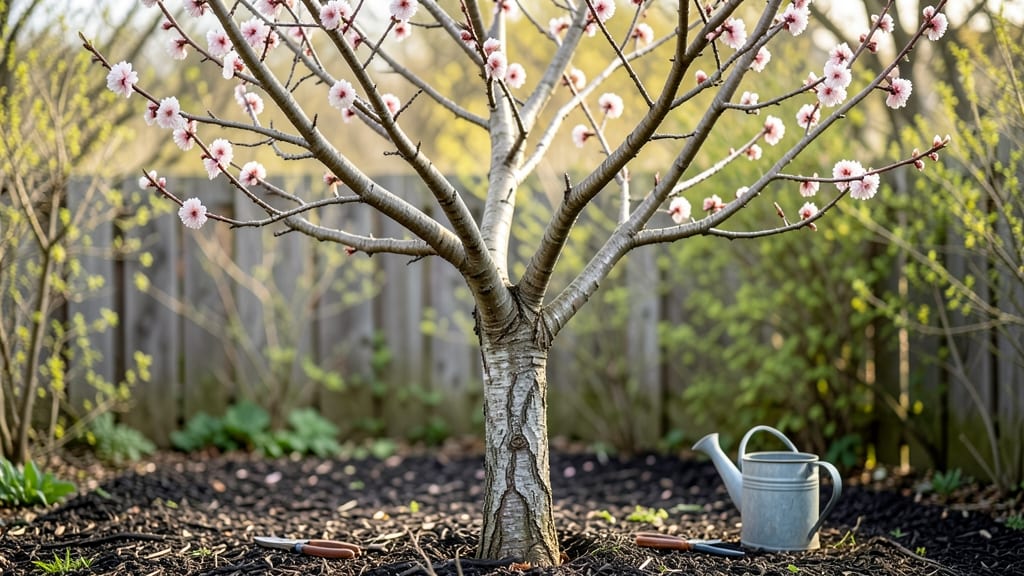
Growing hardy peach trees in the Pacific Northwest means finally enjoying homegrown fruit without constant frost worries. 🌱 After years of watching peaches fail in my own yard, I discovered varieties like 'Reliance' and 'Contender' that thrive where others give up—with proper care, they produce sweet, juicy fruit even in cooler climates.
The secret isn't just choosing the right trees—it's matching them to your microclimate. Most hardy peaches need full sun (6+ hours daily), well-draining soil, and protection from late frosts.
My yard's frost pockets? Solved with a simple row cover trick that saved my first harvest. Even beginners can master this with the right prep.
You'll end up with trees that produce consistent yields for decades, not just a few seasons. The first harvest tastes like summer in July, and the trees become a neighborhood landmark. Pruning in late winter keeps them productive, while a few extra steps prevents common diseases that plague softer varieties.
Whether you're in Seattle, Portland, or the mountains of Idaho, these varieties adapt—just adjust your planting timing and frost protection. Let's get those trees growing strong and fruiting reliably year after year.
📚 In This Guide
- What you need
- Instructions
- Tips and common mistakes
- Wrapping up and next steps
What you need
- ● Peach Tree Variety: Choose a frost-resistant cultivar like ‘Reliance,’ ‘Contender,’ or ‘Redhaven.’ Buy a 1-3 year old bare-root or container-grown sapling from a reputable nursery.
- ● Planting Site: Full sun exposure (6-8 hours/day).
- ● Well-draining soil (amend with compost or peat moss if needed).
- ● Sheltered location (e.g., near a fence or building to protect from wind).
- ● Soil Amendments: 5-10 lbs of 10-10-10 fertilizer (or organic alternative like bone meal).
- ● 2-3 inches of mulch (wood chips or straw to retain moisture).
- ● Tools: Shovel or trowel.
- ● Pruning shears (sterilized to prevent disease).
- ● Grafting tape or tree wrap (for young trees).
- ● Watering can or hose with a gentle spray nozzle.
- ● Frost Protection: Row covers or frost cloth (for young trees).
- ● Circular tree guards (to shield from late frosts).
- ● Pest/Disease Prevention: Neem oil or copper fungicide (for peach leaf curl prevention).
- ● Bird netting (to protect ripe fruit).
- ● Monitoring Tools: Soil moisture meter.
- ● Thermometer (to track frost warnings).
How to successfully plant and care for hardy peach trees in cold climates
Here’s how to grow cold-hardy peaches that thrive in chilly regions—no fancy tricks, just proven techniques.
🌱 Step 1: Select the Right Variety for Your Zone
Cold-hardy peach varieties like ‘Reliance,’ ‘Contender,’ or ‘Robusta’ survive 10°F to -15°F with proper care. These trees bloom later, avoiding late frosts that kill tender flowers. Check your USDA zone—Zone 5 or colder? Stick to these varieties or consider dwarf rootstocks for extra protection.
I always plant ‘Reliance’ because it’s the most reliable in my Zone 6 garden. The key is matching the tree’s hardiness to your winter lows. If you’re in Zone 4, look for grafted trees with cold-resistant rootstock like ‘Lovell.’
🪴 Step 2: Plant in a Sunny, Sheltered Spot with Well-Draining Soil
Peaches need full sun (6+ hours daily) and protection from harsh winds. A south-facing wall or fence works perfectly—it absorbs heat during the day and radiates warmth at night. Avoid low spots where cold air pools.
Dig a hole twice as wide as the root ball but no deeper. Amend heavy clay soil with 2-3 inches of compost mixed into the bottom of the hole. Cold soil drains poorly, so this step prevents root rot. Place the tree so the graft union sits 2-3 inches above soil level—this protects it from frost heave.
☀️ Step 3: Mulch and Water Deeply for Winter Survival
After planting, water deeply once a week until roots establish (about 6-8 weeks). You’ll know it’s enough when soil 12 inches down stays moist. Overwatering now causes winter dieback.
Apply 4-6 inches of organic mulch (straw or wood chips) around the base, keeping it 6 inches away from the trunk. This insulates roots from freezing temperatures. In late fall, mound extra mulch 4-6 inches high around the trunk—it acts like a blanket.
✂️ Step 4: Prune for Cold Hardiness and Fruit Production
Prune in late winter (February-March) before buds swell. Remove dead, crossing, or inward-growing branches first—these rob energy from fruit production. Thin the canopy to let sunlight reach the center, where fruit develops.
Leave 3-5 main scaffold branches at different heights. This structure supports heavy fruit loads and improves airflow, reducing disease risk. Avoid heavy pruning in fall—it stimulates new growth that won’t harden off before winter.
⏰ Step 5: Protect Blossoms from Late Frosts
Peach blossoms open in early spring, making them vulnerable to late frosts. Monitor your local forecast and cover trees with frost cloth if temperatures drop below 28°F during bloom. Even hardy varieties need this protection.
Here’s the thing—timing is everything. Remove covers once temperatures rise above 32°F to prevent heat buildup. If you miss this, you’ll lose that year’s fruit, but the tree will recover. I’ve had years where I forgot, and the tree still bore peaches—just fewer.
Tips & tricks for perfect hardy peach trees
Cold-hardy peaches require thoughtful care—here's how to turn potential challenges into thriving trees.
Variety Selection Insight: When choosing between 'Reliance,' 'Contender,' or 'Robusta,' consider bloom time alongside your local frost dates. 'Reliance' typically blooms 10-14 days later than standard varieties, giving it a critical advantage in Zone 5-6 climates. For Zone 4 growers, grafted trees with 'Lovell' rootstock can survive down to -25°F, though they may need extra winter protection like tree wraps.
Soil Preparation Secret: The 2-3 inches of compost called for in Step 2 isn't just about nutrients—it's about creating the right thermal mass. Cold soil conducts heat away from roots, so this layer helps maintain slightly warmer soil temperatures during winter. For heavy clay soils common in the Pacific Northwest, mix in coarse sand or perlite to improve drainage while maintaining moisture retention.
Winter Mulching Strategy: That 4-6 inch mulch layer in Step 3 works wonders, but the timing matters just as much. Apply it after the first hard frost when soil temperatures drop below 40°F. The extra 4-6 inch mound in late fall creates an insulating air pocket that can raise soil temperatures by 5-10°F during cold snaps. Use straw rather than wood chips for this—it breaks down more slowly and provides better insulation.
Pruning Precision: When pruning in late winter (Step 4), look for branches that form a V-shape with others—these are prime candidates for removal as they create weak crotches. Leave the 3-5 scaffold branches at different heights to create a natural light funnel that directs sunlight to the center where fruit develops. This open structure also improves airflow, reducing the risk of fungal diseases that thrive in damp, shaded conditions.
Pro Tips for Hardy Peach Trees
- Cold-hardy peaches require thoughtful care—here's how to turn potential challenges into thriving trees.
- Variety Selection Insight: When choosing between 'Reliance,' 'Contender,' or 'Robusta,' consider bloom time alongside your local frost dates.
- Soil Preparation Secret: The 2-3 inches of compost called for in Step 2 isn't just about nutrients—it's about creating the right thermal mass.
Frequently asked questions
Got questions about growing hardy peach trees in the Pacific Northwest? You’re not alone!
Here are answers to the most common concerns—from frost resistance to harvest timing—so you can grow peaches like a pro, even in cooler climates.
How cold can hardy peach trees tolerate?
Most Prunus persica varieties struggle below 10°F, but Pacific Northwest-hardy peaches (like ‘Reliance’ or ‘Redhaven’) can survive down to -15°F to -20°F with proper care. Young trees need winter protection (mulch, wraps), while mature trees build resilience. Learn more about winter prep to keep your tree thriving.
When should I plant hardy peach trees in the PNW?
Plant in early spring (March–April) or fall (October–November) for best root establishment. Avoid late fall planting—frost can damage tender roots. Choose a dormant tree (no leaves) and water deeply after planting. Pro tip: If soil is soggy, wait until spring!
Do hardy peach trees need cross-pollination?
Yes! Most peaches require two different varieties for fruit set. Plant a second tree within 50–100 feet for optimal pollination. Check labels—some ‘self-fruitful’ types (like ‘Reliance’) produce some fruit alone but yield more with a partner. Pair with ‘Honeyflesh’ or ‘Contender’ for PNW success!
What pests or diseases threaten hardy peach trees?
Watch for peach leaf curl (fungus), aphids, and peach twig borers. Prevent leaf curl with dormant oil sprays in late winter. Prune for airflow, and use neem oil for pests. See our full troubleshooting guide for PNW-specific fixes.
Can I grow peaches in containers in the PNW?
Dwarf varieties (like ‘Bonanza’) work in large pots (15+ gallons), but peaches need full sun (6+ hours) and consistent water. Move containers indoors or to a garage if temps dip below 20°F. Expect smaller yields than in-ground trees. Pro tip: Use fast-draining soil and fertilize monthly in growing season!
How do I protect peach trees from late frosts?
Late frosts (after blossoms appear) can ruin fruit. Use row covers or overhead sprinklers to raise temps. Plant late-blooming varieties (like ‘Redhaven’) or choose a warmer microclimate (south-facing slope). Avoid nitrogen-heavy fertilizers—they encourage early blooms!
Wrapping up and next steps
Growing hardy peach trees in the Pacific Northwest is absolutely doable—with the right frost-resistant varieties and a little care! 🌱 From selecting cold-hardy cultivars like Reliance or Contender to mastering pruning and soil prep, you’re now equipped to cultivate thriving trees that reward you with juicy fruit year after year. Don’t wait—start your peach-growing journey today!
Ready to take the next step? Visit your local nursery or order bare-root saplings from trusted suppliers to get your orchard off the ground. Happy planting—and enjoy those sweet, homegrown peaches! 🍑