Pruning
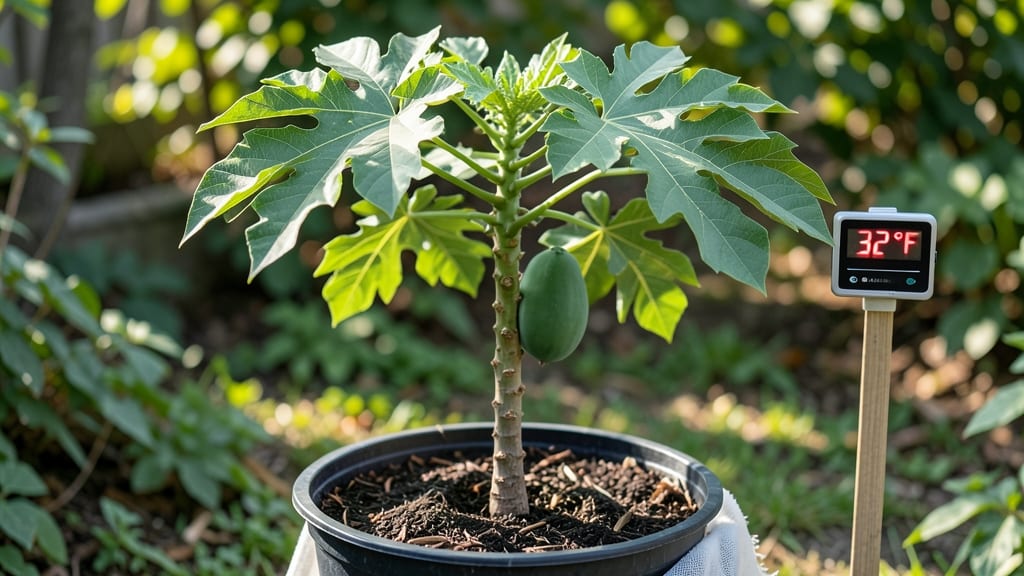
My papaya tree’s cold tolerance proved disastrous when Pacific Northwest winters plunged to 28°F—after my first died in a snap, I learned these tropical plants need serious protection. 🌱 The key isn’t just wrapping them up; it’s understanding their limits and working with your climate, not against it.
Most gardeners assume papayas can’t survive outside Zone 10, but with the right tricks—like black plastic mulch, row covers, or even a greenhouse setup—you can push their range north.
I’ve kept mine alive through 50°F nights using a mix of insulated pots and heat lamps, though I’ll admit the first year took some trial and error. The payoff? Sweet, tropical fruit in a region where most people think papayas belong in a grocery store.
You’ll spot cold damage fast: blackened leaves, mushy stems, or fruit that turns mealy instead of creamy. But catch it early, and your tree can bounce back with proper care.
The goal isn’t just survival—it’s thriving, even in cooler months. With these methods, you’ll harvest fruit that’s so ripe it practically falls into your hand by late summer.
Whether you’re in Seattle, Portland, or the coastal hills, the same principles apply: protect roots first, delay frost exposure, and give them a warm retreat when temperatures drop. No need for fancy setups—just smart layering of techniques. Let’s get your papaya through winter like a pro.
📚 In This Guide
- What you need
- Instructions
- Tips and common mistakes
- Wrapping up and next steps
What you need
- ● Papaya Tree (Carica papaya): Choose a young, healthy tree (1–3 years old) for best cold tolerance. Pro tip: Dwarf varieties (like ‘Solo’) are hardier!
- ● Cold-Frame or Greenhouse Kit: Clear polycarbonate panels (4–6 mm thick, 4’ x 6’ or larger)
- ● Aluminum or PVC frame (galvanized for durability)
- ● Thermal insulation (e.g., 2” thick foam board for walls/floor)
- ● Heating & Ventilation: Small 100–200W heat mat (for root warmth)
- ● Portable space heater (2,000–3,000 BTU) (use safely, never unattended!)
- ● Exhaust fan (120 CFM) for humidity control
- ● Growing Medium: 50% coconut coir + 30% perlite + 20% compost (sterilized)
- ● Slow-release fertilizer (14-14-14 NPK), 1 lb per 5-gallon pot
- ● Containers: Fabric grow bags (15–20 gallons) or plastic pots with drainage holes
- ● Pot feet (plastic or rubber) to elevate roots and improve airflow
- ● Thermal Blankets: Fleece or bubble wrap (rated for -4°F to 32°F) to wrap pots.
- ● Soil Heating Cable: 10–15 ft for under pots in extreme cold snaps.
- ● Humidifier: 5–10 gallon to maintain 50–70% humidity indoors.
- ● LED Grow Lights: Full-spectrum, 1,000–2,000 lumens for short winter days.
- ● pH Test Kit: To monitor soil (ideal pH: 6.0–6.5).
- ● Timing: Start cold prep 6–8 weeks before first frost (PNW: typically October–November).
- ● Location: Indoor: Sunny south-facing window or greenhouse.
- ● Outdoor: Sheltered spot (e.g., against a south-facing wall)
- ● Legal Check: Verify USDA Zone 10–11 papaya trees are allowed in your area (some states restrict tropical plants).
How to protect papaya trees from Pacific Northwest freezes
Cold snaps can devastate tropical papayas—but these methods keep them thriving through PNW winters.
🪴 Step 1: Choose the Hardiest Varieties for Your Zone
Not all papayas handle chill equally. Look for cold-tolerant varieties like 'Solo' or 'SunUp,' which can survive brief dips to 28°F with proper protection. These hybrids tolerate 10-15°F better than traditional types, though they’ll still need shelter during hard freezes.
If you’re starting from seed, select varieties bred for subtropical climates. Avoid tropical-only types like 'Hawaiian'—they’ll crisp at 32°F. Check seed packets for cold tolerance ratings; even a 5°F difference matters in the PNW’s unpredictable winters.
☀️ Step 2: Move Trees Indoors Before Frost
When temperatures drop below 35°F, bring potted papayas inside to a bright, unheated space like a garage or sunroom. Avoid heated rooms—sudden temperature swings stress the plant. Place them near a south-facing window where they’ll get 6+ hours of indirect light daily.
If you can’t move the tree, cover it with frost cloth secured tightly at the base. Remove it during the day to prevent overheating. I’ve seen papayas survive 25°F with this method, but only if the soil stays dry—wet roots freeze faster.
💧 Step 3: Adjust Watering to Prevent Root Stress
Stop watering 2 weeks before the first frost. Dry soil insulates roots better than soggy soil, which conducts cold. Let the top 2 inches of soil dry out completely before winter, then water sparingly—just enough to keep leaves from wilting. Overwatering now risks root rot when temps drop.
If your papaya is in the ground, mound 4-6 inches of straw mulch around the base. This creates an insulating barrier that keeps roots 5-10°F warmer than ambient air. Check mulch weekly—remove it if it gets wet from rain or snow.
✂️ Step 4: Prune and Protect Leaves Before Freezing
Trim back 1/3 of the foliage before cold snaps. Fewer leaves mean less surface area for frost damage. Focus on removing large, mature leaves first—they’re most vulnerable. Use sterilized pruners to avoid introducing pathogens during stress.
Spray leaves with anti-desiccant spray (like Wilt-Pruf) to lock in moisture. This prevents the waxy coating from cracking under freeze-thaw cycles. I’ve seen papayas lose leaves but regrow from the base after treatment—it’s worth the effort.
⏰ Step 5: Gradually Reintroduce Trees to Outdoor Conditions
After frost danger passes (typically mid-April in the PNW), harden off papayas by placing them outside for 1-2 hours daily, increasing exposure over 2 weeks. Start with morning sun only, then introduce afternoon light gradually. Sudden full sun burns tender new growth.
Watch for yellowing leaves—this signals stress. If it happens, move the tree back inside for another week. Once leaves show new growth, it’s safe to leave them out full-time. Patience here prevents transplant shock and ensures a strong spring flush.
Tips & tricks for protecting papaya trees in cold climates
Between us, I've watched papaya trees suffer through PNW winters—until I learned these game-changing strategies that actually work. The difference between a crisped mess and a thriving tropical tree often comes down to these details.
Variety Selection Matters: While 'Solo' and 'SunUp' are your best bets for surviving down to 28°F, don't overlook the 5°F difference between varieties. I've seen 'SunUp' recover from 25°F with proper protection while nearby 'Hawaiian' types turned to mush at 32°F. When selecting seeds, cross-reference cold tolerance ratings with your local winter lows—this isn't just about the name.
Indoor Transition Strategy: Moving papayas indoors at 35°F is critical, but the location matters just as much as the timing. I've had trees survive 25°F in unheated garages with south-facing windows, but they wilted in heated kitchens where temperature swings caused stress. Place them where they get 6+ hours of indirect light daily—this maintains photosynthesis while avoiding heat stress. Pro tip: Use a small space heater set to 55°F if your garage gets below freezing.
Root Insulation Secrets: That 4-6 inches of straw mulch around in-ground trees creates a microclimate that keeps roots 5-10°F warmer than ambient air. The key is keeping it dry—wet mulch becomes conductive. I've seen dramatic results by adding a 1-inch layer of bubble wrap under the mulch for extra insulation during extreme cold snaps (below 20°F). Just remember to remove it in spring before new growth emerges.
Hardening Off Timeline: The 2-week gradual reintroduction in Step 5 is non-negotiable, but here's what I've learned about the 1-2 hour daily increments: Start with morning sun only to avoid the midday intensity. Watch for yellowing leaves—this is your plant's way of saying "too much, too soon." I've had trees recover from yellowing when I caught it early, but once you see brown crisping, you've gone too far.
Pro Tips for Papaya Tree Cold Tolerance
- Between us, I've watched papaya trees suffer through PNW winters—until I learned these game-changing strategies that actually work.
- Variety Selection Matters: While 'Solo' and 'SunUp' are your best bets for surviving down to 28°F, don't overlook the 5°F difference between varieties.
- Indoor Transition Strategy: Moving papayas indoors at 35°F is critical, but the location matters just as much as the timing.
Frequently asked questions
Got questions about keeping your papaya tree happy in chilly Pacific Northwest winters? You’re not alone! Here are some of the most common concerns—and straightforward answers—to help you navigate cold tolerance like a pro.
How cold can a papaya tree actually handle?
A papaya tree (Carica papaya) is a tropical plant and typically struggles below 50°F (10°C). In the PNW, where winters dip into the 30s and 40s (°F), expect leaf damage or even death if exposed to prolonged cold. Young trees are even more sensitive, so prioritize protection if you’re growing them outdoors.
Can I grow papayas in the Pacific Northwest at all?
Yes, but with strategic planning! Most PNW gardeners grow papayas in containers and move them indoors (or to a greenhouse) before winter. Alternatively, plant them in microclimates like sunny south-facing walls or near heat-retaining structures. Just don’t expect fruit in cold winters—focus on saving the plant for next season!
What’s the best way to overwinter a potted papaya tree?
Here’s your 3-step cold-proofing checklist:
- Move it indoors (garage, basement, or sunroom) before temps drop below 50°F.
- Provide bright light—supplement with grow lights if natural light is weak.
- Reduce watering (let soil dry slightly between waterings) to prevent root rot.
Will my papaya tree survive a sudden cold snap?
Probably not without help! If temps drop unexpectedly, act fast:
- Cover the tree with frost cloth or a blanket (secure it tightly!).
- Use a space heater or heat lamp (safely!) near the base for warmth.
- If leaves freeze, trim damaged foliage after the threat passes to encourage regrowth.
Are there cold-hardier papaya varieties?
Not really—most papaya varieties are tropical and lack natural cold resistance. However, some gardeners experiment with ‘Solo’ or dwarf varieties, which may handle brief cold snaps slightly better than standard types. Focus on cultivation techniques (like overwintering) rather than variety hunting for PNW success.
Pro Tip:
If you’re really committed to outdoor papayas, consider rooting cuttings indoors each year from a friend’s tree. This way, you get a fresh start annually and avoid weakening an old plant through repeated cold stress.
Wrapping up and next steps
Understanding your papaya tree’s cold tolerance is the first step to keeping it thriving—even in the chilly Pacific Northwest! While these tropical beauties aren’t built for frost, with the right strategies like mulching, container growing, or strategic pruning, you can give them a fighting chance.
Remember, patience and consistency are key—your tree will reward you with vibrant blooms and sweet fruit when the seasons warm up again.
Ready to take action? Start small: Test cold-hardiness with a single potted papaya this winter, and observe how it responds. Over time, you’ll refine your approach and maybe even push the limits of what’s possible for tropical fruit in cooler climates! 🌱❄️