
Pruning
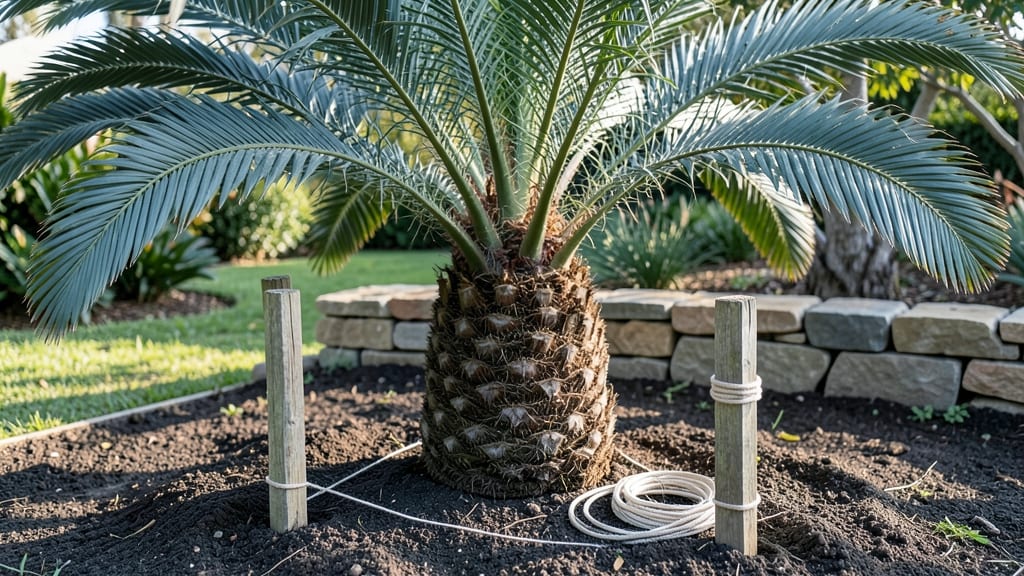
Staking young palm trees isn’t just about keeping them upright—it’s the difference between a thriving specimen and one that leans into the wind like a drunk sailor. 🌴 I’ve watched palm trees I staked properly grow into sturdy, 20-foot giants in five years, while neglected ones still struggle with weak trunks at half that height.
The secret lies in timing, technique, and the right materials.
You’ll need bamboo stakes (at least 2-3 feet taller than your palm), soft tree ties or strips of old T-shirt fabric, and a little patience. The stakes should go 6-12 inches deep into the soil, angled slightly outward to create a tripod effect—this distributes pressure naturally.
Avoid metal stakes, which can damage the trunk as the tree grows.
Once staked, your palm will develop a stronger trunk by redirecting wind stress into the roots. Within a year, you’ll notice the trunk thickening noticeably, and by year three, you can remove the stakes entirely.
The key is checking ties every 6-8 weeks—they should be snug but not cutting into the trunk.
This method works for palmettos, canary palms, and Mexican fan palms, though tropical varieties like coconuts need extra support in storm-prone areas. Start staking when your palm reaches 3-4 feet tall, and you’ll save yourself years of frustration from wind damage.
📚 In This Guide
- What you need
- Instructions
- Tips and common mistakes
- Wrapping up and next steps
What you need
- ● Stakes: 3–4 wooden or metal stakes per tree (1–2 inches in diameter, 3–5 feet tall). Opt for untreated wood or galvanized metal to prevent rust or decay.
- ● Soft tree ties: 3–6 pieces (1–2 inches wide, made from fabric or rubber). Avoid wire or plastic ties—they can damage the trunk as the tree grows!
- ● Mulch or landscape fabric: A small amount to protect the base of the tree from stake pressure.
- ● Measuring tape or ruler: To ensure stakes are placed at the correct distance from the trunk (about 6–12 inches away).
- ● Shovel or trowel: For digging small holes to secure stakes in place.
- ● Gloves: To protect your hands while handling stakes and ties.
- ● Tree support straps: Adjustable straps for extra stability if your palm is particularly top-heavy.
- ● Waterproof tape: To seal the ends of wooden stakes and extend their lifespan.
- ● PVC pipes or bamboo stakes: Lightweight alternatives if you prefer a natural look.
- ● Pruning shears: For trimming any low-hanging fronds that might interfere with staking.
How to stake palm trees for stability and growth
Here's the simple method I use to keep young palms standing tall without stressing the roots.
🪴 Step 1: Choose the Right Staking Materials
Select 2-3 flexible bamboo stakes (about 1/2 inch in diameter) for each palm, slightly taller than the plant's current height. I prefer bamboo because it's lightweight yet strong enough to support wind without snapping. Avoid metal stakes—they can damage tender palm trunks as the tree grows.
You'll also need soft garden twine or wide fabric strips (never wire) to tie the stakes. The twine should be stretchy enough to accommodate trunk growth without cutting into the bark. For a 4-palm staking project, you'll need roughly 10-15 feet of twine total, with extra for adjustments.
🌱 Step 2: Position Stakes Around the Palm
Plant the stakes at a 45-degree angle about 6-8 inches from the trunk, spaced evenly around the base. For young palms, three stakes work best—one on each side and one behind the trunk. Drive them 1/3 of their length into the soil so they're firm but not wobbling.
Here's the thing—don't hammer them in. Use a mallet to tap gently until the soil resists. You want the stakes to stay put but not compact the surrounding soil, which could suffocate roots. The top of each stake should be above the palm's fronds to allow for growth without interference.
💧 Step 3: Secure Without Restricting Growth
Tie the stakes together at the top with twine, forming a loose triangle that gently leans into the palm's trunk. The twine should create a soft cradle—not a tight cage. For extra support, tie the trunk itself to the stakes using figure-eight knots spaced 12-18 inches apart up the trunk.
I always check the tightness after a week. The twine should allow the palm to sway slightly in the wind—this helps strengthen its natural resilience. If you can't fit a finger between the twine and the trunk, loosen it immediately. Too-tight staking can girdle the trunk as it grows.
⏰ Step 4: Monitor and Adjust Over Time
Remove stakes after 6-12 months, or when the palm's trunk is thicker than your thumb at the base. This usually happens when new fronds stop leaning toward the stakes. I like to check stakes every 4-6 weeks during windy seasons—loosen any twine that's digging into the bark.
Watch for signs the stakes are doing their job: the palm should stand upright even in breezy conditions, and the trunk should show no leaning. If you notice the palm bending between checks, tighten the twine slightly or add a third stake on the opposite side of the lean. Real talk: over-staking is worse than under-staking—let the palm grow into its own strength.
Tips & tricks for perfect palm tree staking
A few simple adjustments can make all the difference between a palm that sways dangerously and one that grows strong and steady.
Material Selection Matters: When choosing your 2-3 bamboo stakes, look for ones that are slightly thicker than 1/2 inch—this gives the best balance of strength and flexibility. I've found that split bamboo (not solid) works even better because it bends slightly with the wind instead of breaking. For extra durability, soak the stakes in water for 10-15 minutes before planting to prevent them from splitting when driven into the soil.
Positioning Precision: In Step 2, when planting stakes at a 45-degree angle, I like to visualize an imaginary triangle around the palm. Place one stake on the windward side (the direction wind most frequently comes from in your area), and distribute the other two stakes evenly around the base. This creates a more stable support system that can handle gusts from any direction. The 6-8 inch distance from the trunk is perfect—any closer risks damaging the roots, while farther away reduces effectiveness.
Tying Technique: The figure-eight knots in Step 3 are crucial, but here's what nobody tells you—use the "V" method for your first knot. Create a loose "V" shape with the twine around the trunk, then cross it over itself and pull tight. This prevents the twine from slipping downward as the palm grows. For the 12-18 inch spacing, I mark my twine with a pencil before starting so I can maintain consistent intervals up the trunk. This visual guide saves time and ensures even support.
Monitoring Made Easy: To track your 4-6 week checks, I create a simple calendar system using colored pushpins. Red pins mark the initial staking date, and each subsequent pin shows when I'll check the tightness. This visual reminder helps me stay consistent, especially during busy seasons. When checking, I always run my finger along the twine path—if I feel any resistance, it's time to loosen immediately. The goal is to mimic natural wind movement, not create a rigid cage.
Pro Tips for Palm Tree Staking
- A few simple adjustments can make all the difference between a palm that sways dangerously and one that grows strong and steady.
- Material Selection Matters: When choosing your 2-3 bamboo stakes, look for ones that are slightly thicker than 1/2 inch—this gives the best balance of strength and flexibility.
- Positioning Precision: In Step 2, when planting stakes at a 45-degree angle, I like to visualize an imaginary triangle around the palm.
Frequently asked questions
Got questions about palm tree staking? You’re not alone! Here are answers to the most common concerns to help you support your young trees like a pro.
When is the best time to stake a palm tree?
Stake your palm tree immediately after planting or when you notice it leaning or wobbling in the wind. Young palms (under 3–5 years old) benefit most from staking, especially in exposed or breezy locations. Avoid staking mature trees—they’re usually stable on their own!
How deep should stakes go into the soil?
Drive stakes 12–18 inches deep into the soil to ensure stability. For larger palms, use two stakes on opposite sides, angled slightly outward. Bury them deep enough so the tree can’t rock free, but avoid damaging roots—keep stakes at least 6–12 inches from the trunk.
Can I use bamboo stakes instead of metal or wooden ones?
Bamboo stakes are a great, budget-friendly alternative—they’re flexible, lightweight, and biodegradable. Just ensure they’re sturdy enough to resist bending in strong winds. Metal or wooden stakes work too, but bamboo blends naturally with the landscape.
What should I do if the tree trunk starts to rot where the stake touches?
If you spot rot or discoloration near the stake, remove the stake immediately to prevent further damage. Clean the trunk with a 10% bleach solution (or hydrogen peroxide), then re-stake with a wider, padded material (like a rubber sleeve) to avoid direct contact. Monitor the area closely!
How long should I leave the stakes in place?
Most palms need staking for 6–12 months while their root systems establish. Check periodically—once the tree stands firm in the wind and the stakes no longer wobble, it’s safe to remove them. Over-staking can weaken the trunk over time, so don’t leave them longer than necessary!
Wrapping up and next steps
Palm tree staking isn’t just about keeping your young trees upright—it’s an investment in their long-term health and resilience. 🌱 By using the right materials, proper techniques, and a little patience, you’ll give your palms the best chance to thrive.
Whether you’re a seasoned gardener or just starting out, this simple practice can make a big difference in your tropical oasis.
Ready to take action? Start by assessing your palm’s needs—grab your supplies, follow the steps, and watch your tree grow stronger with each passing season. Your future palm paradise starts with just a few stakes and some care!