
Pruning
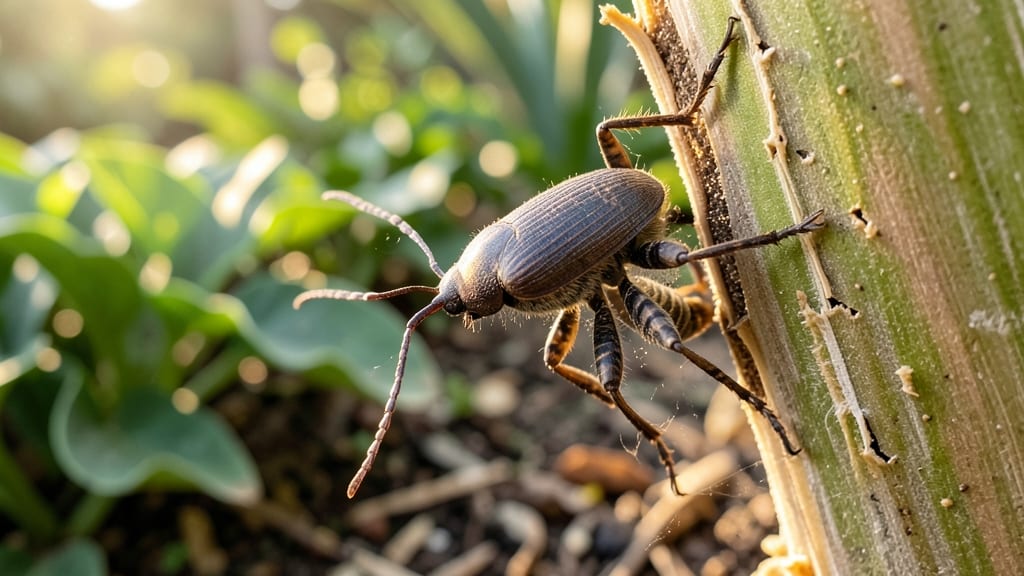
When palm tree insects threaten your tree’s health, the right approach keeps your tree alive without harsh chemicals. 🌿 I’ve battled spider mites, mealybugs, and even palm weevils—each one requires a different strategy, but the key is acting early.
The moment you spot yellowing fronds or sticky residue, you’ve got a head start on saving your tree.
Most infestations start small, so prevention is your best tool. Healthy soil, proper pruning, and even introducing ladybugs or lacewings can turn the tide before pests take over.
I’ve seen palm trees recover completely when treated in the first signs of trouble—wilting fronds, holes in the trunk, or webbing between leaves are clear warnings.
You’ll learn to spot the early signs, use targeted organic sprays, and even encourage natural predators to do the work for you. No more guessing whether your tree is just struggling with heat or under siege by insects.
By the end, you’ll have a plan that keeps your palm thriving without chemicals.
Whether you’re dealing with a single frond issue or a full-blown infestation, these methods work for both young and mature palms. The goal isn’t just to treat the problem—it’s to build a tree that resists pests naturally. Let’s get started with the right steps for your specific situation.
📚 In This Guide
- What you need
- Instructions
- Tips and common mistakes
- Wrapping up and next steps
What you need
- ● Neem oil (100% cold-pressed, organic) – 1 quart (32 oz) (for insecticidal spray)
- ● Insecticidal soap (potassium salt-based) – 1 gallon (3.8L) (safe for soft-bodied insects)
- ● Horticultural oil (dormant or summer grade) – 1 quart (32 oz) (smothers insects)
- ● Spray bottle or garden sprayer (1-2 gallons capacity) – For even application
- ● Pruning shears (sterilized) – 1 pair (to trim infested fronds or fronds with insect nests)
- ● Gloves (nitrile or rubber) – 1 pair (protection from oils and sap)
- ● Bucket (5-gallon) – 1 (for mixing solutions)
- ● Water (clean, room-temperature) – As needed (for diluting solutions)
- ● Plastic sheeting or drop cloth – 1-2 pieces (4’x6’) (to protect ground/lawn)
- ● Diatomaceous earth (food-grade) – 1 lb (0.45 kg) (sprinkle around tree base for crawling insects)
- ● Yellow sticky traps – 2-4 traps (to monitor adult fly populations like palm weevils)
- ● Beneficial nematodes (Steinernema carpocapsae) – 1-2 million per application (targets grubs in soil)
- ● Magnifying glass – 1 (for close inspection of insect activity)
- ● Labeling tape & markers – 1 roll + 2 markers (to track treatment dates)
How to manage palm tree pests naturally for a healthy tree
Here’s my go-to approach for keeping palm trees thriving without harsh chemicals.
🌱 Step 1: Identify the Pest and Assess the Damage
Start by closely examining your palm tree for signs of pests. Look for chewed fronds, sticky residue (honeydew), or tiny crawling insects—these are common clues. I check the undersides of fronds first, as many pests hide there. Palm aphids, mealybugs, and palm weevils are the most frequent troublemakers, each leaving distinct damage patterns.
If you spot fronds turning yellow or brown at the tips, it could signal scale or spider mites. Take a small sample of affected leaves or insects to a local nursery or extension office for confirmation. This step is critical—misidentifying pests can lead to ineffective treatments. I’ve learned the hard way that treating for the wrong pest wastes time and resources.
💧 Step 2: Apply Natural Sprays for Immediate Control
Once you’ve identified the pest, use a neem oil spray (mix 1 tablespoon neem oil with 1 quart water and a drop of dish soap) for broad-spectrum control. Spray the undersides of fronds thoroughly, focusing on areas with visible pests. Neem oil disrupts insect life cycles without harming the tree, and it’s safe to use every 2-4 weeks for persistent infestations.
For sticky honeydew buildup (a sign of aphids or scale), follow up with a horticultural oil spray (like dormant oil). Apply it in the early morning or late afternoon to avoid burning the fronds in direct sunlight. Always cover the soil with a tarp or newspaper to protect beneficial insects and soil organisms.
☀️ Step 3: Introduce Beneficial Insects for Long-Term Defense
Release ladybugs, lacewings, or parasitic wasps to target soft-bodied pests like aphids and mealybugs. These predators thrive in palm environments and provide natural, ongoing control. Order them from a reputable supplier and release them in the early morning or evening when temperatures are cooler. I’ve seen ladybugs nearly eliminate a mealybug outbreak within 2-3 weeks of introduction.
For palm weevils (the most destructive pests), introduce nematodes into the soil around the base of the tree. These microscopic organisms seek out and kill weevil larvae before they mature. Water the soil lightly after application to help them move into the root zone. This method works best when combined with regular monitoring for early signs of weevil activity.
✂️ Step 4: Prune and Maintain for Pest Resistance
Remove and destroy heavily infested fronds immediately—don’t compost them, as pests can survive and reinfest your tree. Use sterilized pruning shears and wear gloves to avoid spreading pests to other parts of the tree. Prune in the late morning or afternoon when temperatures are mild to reduce stress on the tree.
After pruning, apply a potassium-rich fertilizer (like 0-0-50) to strengthen the tree’s natural defenses. Healthy palms are far less susceptible to pests. I also recommend mulching with 2-3 inches of organic mulch around the base to retain moisture and deter weevils from laying eggs in dry soil.
Tips & tricks for natural palm tree pest management
Keeping your palm trees pest-free without chemicals takes a few strategic moves—here's how to make it effortless and effective.
Pest Identification Tip: When you're checking for pests in Step 1, bring a magnifying glass—it helps spot tiny eggs or early signs of weevil activity that your eyes might miss. I've caught infestations early by examining the base of fronds where pests often hide. Focus on the undersides and along the midrib where insects cluster.
Spray Application Strategy: For the neem oil spray in Step 2, I recommend using a pump sprayer with a fine mist nozzle to ensure thorough coverage. Apply until the undersides of fronds are visibly wet, but avoid oversaturating the soil. The key is consistent coverage—missed spots can lead to reinfestation. Repeat applications every 2-4 weeks only if you still see pests after the first treatment.
Beneficial Insect Timing: In Step 3, when releasing ladybugs or lacewings, do it on a cloudy day or in the evening when temperatures are below 85°F. These predators are sensitive to heat and direct sunlight. I've found that releasing them in the morning gives them time to settle in before the heat of the day. For nematodes targeting palm weevils, always water the soil lightly after application to help them move toward the larvae.
Pruning Best Practices: When pruning in Step 4, cut just above the point where the frond meets the trunk—this prevents water from pooling and creating a breeding ground for pests. Sterilize your pruning shears between cuts with rubbing alcohol to prevent spreading any hidden pests. I also recommend wearing long sleeves and gloves to protect yourself from potential bites or stings from disturbed insects.
Pro Tips for Palm Tree Insects
- Keeping your palm trees pest-free without chemicals takes a few strategic moves—here's how to make it effortless and effective.
- Pest Identification Tip: When you're checking for pests in Step 1, bring a magnifying glass—it helps spot tiny eggs or early signs of weevil activity that your eyes might miss.
- Spray Application Strategy: For the neem oil spray in Step 2, I recommend using a pump sprayer with a fine mist nozzle to ensure thorough coverage.
Frequently asked questions
Got questions about palm tree insects and how to manage them safely?
Here are some of the most common concerns—and practical answers to keep your tree thriving without harsh chemicals.
What are the most common insects that attack palm trees?
The most troublesome pests include palm weevils (destructive to the heart), palm aphids (sap-suckers causing yellowing fronds), mealybugs (white cottony clusters), and scale insects (sticky residue). Early identification is key—check fronds, trunks, and soil for signs like wilting, sawdust-like frass, or honeydew.
How do I know if my palm tree has an insect problem?
Watch for these red flags: fronds turning brown or yellowing, sawdust-like debris at the base, sticky residue on leaves, or new shoots dying back. Tap the trunk—hollow sounds may signal weevil damage. Act fast: minor infestations are easier (and cheaper) to treat!
Are there natural ways to prevent insect infestations?
Start with regular pruning to remove dead fronds (pests love hiding there). Apply neem oil or horticultural oil (diluted per label) to fronds and trunks. Beneficial nematodes (like Steinernema carpocapsae) target grubs in soil. Keep trees well-watered—stressed palms attract more pests.
Can I use insecticidal soap on palm trees?
Yes, but with caution! Insecticidal soap works well for aphids, mealybugs, and scales—just spray directly on pests (avoid hot sun to prevent leaf burn). For palm weevils, soap won’t cut it; opt for fermented molasses traps or professional treatment. Always test a small area first.
What should I do if my palm tree is already severely infested?
Don’t panic—but act fast! For weevils, contact an arborist specializing in palm care (they can inject systemic treatments). For other pests, prune heavily infested fronds, apply horticultural oil, and monitor weekly. In extreme cases, tree removal may be necessary to protect nearby palms.
Pro tip: Prevention is easier than cure! Inspect your palms every 2–3 months, especially after storms (pests thrive in damaged trees). Healthy soil and proper watering go a long way in keeping pests at bay.
Wrapping up and next steps
From neem oil sprays to handpicking pests, there are plenty of eco-friendly ways to protect your palm tree without causing harm. These methods not only keep your tree thriving but also support a balanced ecosystem around your home. 🌿
Now that you’re armed with knowledge, take action! Start with a simple inspection of your palm tree this weekend—you might spot early signs of trouble before it becomes a bigger issue. Small steps lead to big results!
- 📅 Schedule a quick check every few weeks.
- 🛠️ Gather your tools and try one method at a time.
- 🌱 Celebrate progress! A healthy palm tree is a beautiful one.