Pruning
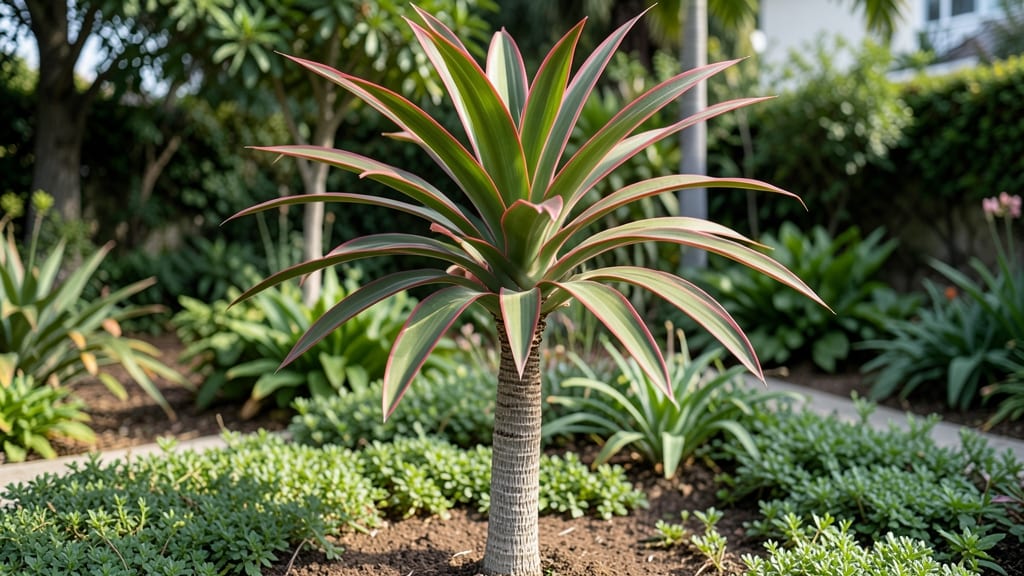
Your outdoor dracaena tree can survive Pacific Northwest winters with the right pruning approach—especially when you focus on frost-resistant trimming. I’ve learned the hard way that cutting back too late or too aggressively turns these dramatic plants into crispy skeletons by spring.
The key is timing: prune in early spring before new growth starts, and you’ll encourage sturdy, cold-hardy branches that bounce back from frost.
Most outdoor dracaenas thrive in zones 10-11, but a few varieties like Dracaena marginata or Dracaena fragrans ‘Massangeana’ tolerate brief dips to 25°F with proper care. Start by removing dead or damaged branches first—those won’t regrow—and then shape the tree by cutting just above a leaf node.
Use sharp pruners to avoid tearing the bark, and seal larger cuts with pruning sealant to prevent disease.
What you’ll end up with is a tree that looks like it’s been standing for decades, with thick, arching branches and vibrant variegation. The new growth in spring will be lush and disease-resistant, and you’ll notice fewer brown tips from winter stress.
Plus, pruning encourages fuller foliage lower on the trunk, so your dracaena fills out beautifully even after harsh winters.
This method works for container-grown dracaenas too—just move pots to a sheltered spot before the first frost. For larger trees, wrap the base in burlap if your winters dip below 20°F.
The goal is to protect the roots and trunk while letting the branches toughen up naturally. Let’s get those pruners ready!
📚 In This Guide
- What you need
- Instructions
- Tips and common mistakes
- Wrapping up and next steps
What you need
- ● Pruning shears or loppers – Sharp, bypass-style (for clean cuts). Size: 6-8" blades for small branches, 10-12" for thicker growth.
- ● Hand pruners – For fine-tuning (smaller than ½" diameter). Quantity: 1 pair.
- ● Rubbing alcohol (70% isopropyl) – Quantity: Small bottle for sterilizing tools between cuts.
- ● Heavy-duty gloves – Cut-resistant (e.g., leather or Kevlar). Quantity: 1 pair.
- ● Disposable pruning bags or bucket – For collecting clippings. Size: 5+ gallon capacity.
- ○ Tree wound dressing (optional but recommended) – Pruning sealant for cuts larger than ½". Quantity: Small tube.
- ● Ladder (if needed) – Sturdy, extendable (12-16 ft). Safety: Non-slip feet and harness-compatible.
- ● Watering can or hose – For post-pruning hydration.
- ● Frost cloth or burlap – To protect trimmed areas if temps dip below 25°F. Size: Enough to wrap vulnerable branches.
- ○ Mulch (optional) – Organic (e.g., wood chips) to insulate roots. Depth: 2-3 inches around the base.
- ● Sharp tools = cleaner cuts 🔪 – Dull blades tear bark, inviting disease.
- ● Prune on a dry day ⏰ – Wet tools spread bacteria faster.
- ● Label clippings ✨ – If propagating, mark healthy cuttings with a tag.
Step-by-step guide to pruning outdoor dracaena trees in the Pacific Northwest
Here's how I keep my hardy dracaena thriving through our damp, cool winters.
✂️ Step 1: Time Your Pruning for Frost Protection
Wait until late spring—after the last frost date—when new growth appears but before summer heat arrives. In the Pacific Northwest, this typically falls between mid-April and early May, depending on your elevation. Pruning too early risks exposing tender new shoots to late frosts, while waiting too long can stress the tree before summer establishes itself.
Check the weather forecast for a stretch of dry, mild days. You want temperatures consistently above 45°F for at least 5 days after pruning. This gives the cuts time to callus over before potential rain or cold snaps. I always mark my calendar with the last frost date from my local extension office—it's worth the 10-minute call to avoid costly mistakes.
🌿 Step 2: Assess and Select Branches to Trim
Examine your dracaena for dead, damaged, or crossing branches first—these take priority. Look for brown, brittle stems or limbs rubbing against others. Healthy branches should have vibrant green leaves with no yellowing or blackened tips. I use a small hand pruner to gently bend each branch—if it snaps easily, it's ready to remove.
For shaping, focus on removing no more than 25% of the tree's foliage in one session. This maintains its natural form while allowing enough leaves to photosynthesize through our shorter summer days. Start at the bottom and work upward, always cutting just above a leaf node where new growth can emerge. Never leave stubs—clean cuts heal faster and look more professional.
✂️ Step 3: Make Clean Cuts with the Right Tools
Use sharp, sterilized pruning shears or a pruning saw for thicker branches. I dip my tools in rubbing alcohol between cuts to prevent spreading disease. Make your cut at a 45-degree angle, about ¼ inch above a leaf node or outward-facing bud. This angle helps water run off the cut instead of pooling and rotting the wound.
For branches over ½ inch thick, make the first cut slightly deeper on the underside of the branch to prevent tearing. Then follow with a second cut just outside the first to remove the remaining wood cleanly. Avoid tearing the bark—this creates larger wounds that take longer to heal. Wipe your tools clean after each cut to maintain sharpness and hygiene.
🌱 Step 4: Promote New Growth and Winter Hardiness
After pruning, apply a balanced, slow-release fertilizer around the base of the tree to encourage new growth. I use a 10-10-10 formula in early summer, following the package rate. This helps the dracaena recover from the stress of pruning and builds resilience for our wet winters. Water deeply but infrequently—dracaenas prefer their soil to dry out slightly between waterings.
Mulch the base with 2-3 inches of organic mulch (like shredded bark) to insulate roots and retain moisture. This is especially important in the Pacific Northwest's rainy season. Keep the mulch 6 inches away from the trunk to prevent rot. In late fall, add an extra layer of mulch to protect roots from temperature fluctuations during our mild but unpredictable winters.
⏰ Step 5: Monitor and Maintain Through the Seasons
Check your pruned dracaena every 2-3 weeks during the growing season for new growth. Healthy new shoots should appear within 4-6 weeks of pruning. If you notice yellowing leaves, it could indicate overwatering or poor drainage—dracaenas prefer well-draining soil and can tolerate some drought once established.
In late fall, give your tree one final inspection before winter. Remove any remaining dead branches and consider wrapping the trunk with burlap if you're in a particularly cold microclimate. While dracaenas are frost-resistant, young trees or those in exposed areas benefit from this extra protection. I always prune lightly again in early spring to remove any winter damage before new growth begins.
Tips & tricks for perfect outdoor dracaena tree pruning
Pruning your dracaena correctly can make all the difference in its long-term health—especially in our unpredictable Pacific Northwest climate. Here’s how to avoid common pitfalls and get the best results.
Timing is Everything: The late spring window between mid-April and early May is critical. If you prune too early, tender new growth can be damaged by late frosts, while waiting too long stresses the tree before summer establishes itself. I’ve learned this the hard way—after pruning in early April, my dracaena’s fresh shoots were nipped by a surprise frost. Always double-check your local last frost date, and look for at least 5 days of temperatures consistently above 45°F afterward to ensure proper healing.
Branch Selection Strategy: When assessing branches, focus on removing no more than 25% of the foliage in one session. This balance keeps the tree’s natural form while allowing enough leaves to photosynthesize during our shorter summer days. Pro tip: Use a small hand pruner to gently bend each branch—if it snaps easily, it’s ready for removal. This simple test saves time and prevents unnecessary cuts. Start at the bottom and work upward to maintain the tree’s natural silhouette.
Cutting Technique Matters: Making clean cuts at a 45-degree angle, about ¼ inch above a leaf node, is crucial for preventing disease and promoting faster healing. For branches over ½ inch thick, the two-cut method—first cutting deeper on the underside, then making a second cut just outside—prevents tearing and creates a smaller wound. I sterilize my tools between cuts with rubbing alcohol to prevent spreading any potential pathogens, which has kept my trees healthier over the years.
Post-Pruning Care: After pruning, apply a balanced 10-10-10 slow-release fertilizer in early summer to encourage new growth. Water deeply but infrequently—dracaenas prefer their soil to dry out slightly between waterings. Mulching with 2-3 inches of organic material, like shredded bark, helps retain moisture and insulate roots during our rainy season. Keep the mulch 6 inches away from the trunk to prevent rot, and consider adding an extra layer in late fall for added winter protection.
Pro Tips for Outdoor Dracaena Tree
- Pruning your dracaena correctly can make all the difference in its long-term health—especially in our unpredictable P...
- Timing is Everything: The late spring window between mid-April and early May is critical. If you prune too early, ten...
- Branch Selection Strategy: When assessing branches, focus on removing no more than 25% of the foliage in one session....
Frequently asked questions
Can Dracaena trees survive winter in the PNW without extra protection?
Most Dracaena marginata (the "dragon tree") are tender perennials and won’t survive hard frosts (<20°F/-7°C) without shelter. In the PNW, wrap the trunk in burlap or frost cloth and mulch the base with straw or pine needles. If temps drop below 15°F (-9°C), move potted plants to a garage or under eaves. Prune back dead growth in early spring to encourage new frost-resistant shoots.
When is the best time to prune my Dracaena for frost resilience?
Prune in late winter or early spring (Feb–March) before new growth starts. This gives your tree time to harden off before summer heat. Focus on:
- Removing dead, brown, or split leaves (use sterilized shears to avoid disease).
- Trimming overly leggy branches to encourage bushier, sturdier growth.
- Avoid heavy pruning in fall—it stresses the plant before winter.
How do I protect my Dracaena from PNW’s wet, windy winters?
PNW’s rain and wind can cause rot or breakage. Here’s how to shield your tree:
- Elevate pots (use feet or saucers) to prevent waterlogging.
- Install a windbreak (e.g., bamboo fence or shrubs) on exposed sides.
- Apply anti-desiccant spray (like Wilt-Pruf) to leaves before winter to lock in moisture.
- Check for soggy soil—drainage is critical! Amend heavy clay with perlite if needed.
What can I do if my Dracaena’s leaves turn yellow or brown after pruning?
Yellow/brown leaves are often normal post-pruning stress, but act fast if you see:
- Crispy edges = underwatering or sunburn. Move to partial shade and water deeply.
- Mushy stems = root rot from overwatering. Let soil dry out and repot in well-draining mix.
- Curling leaves = low humidity. Mist leaves or use a pebble tray in dry PNW summers.
Are there frost-hardy Dracaena alternatives for the PNW?
If your Dracaena struggles with PNW winters, try these hardier houseplants that tolerate cooler temps:
- Corn Plant (Dracaena fragrans) – Handles temps down to 50°F (10°C) indoors.
- Cast Iron Plant (Aspidistra) – Survives down to 20°F (-7°C) if mulched well.
- Zebra Plant (Aphelandra squarrosa) – Thrives in 60–75°F (15–24°C) and adds bold color.
- Snake Plant (Sansevieria) – Nearly indestructible and tolerates 50°F (10°C).
Wrapping up and next steps
Pruning your outdoor Dracaena tree in the Pacific Northwest doesn’t have to be intimidating—especially when you focus on frost-resistant techniques! With the right tools, timing, and care, you’ll keep your tree thriving while embracing the region’s unique climate. 🌿✂️
Ready to take action? Start by scheduling your next pruning session during the early spring or late summer—when your Dracaena is most resilient. And remember: patience and precision go a long way!
Whether you’re a seasoned gardener or just starting, every trim brings your tree one step closer to lush, healthy growth.
Next step: Grab your pruners, review your notes, and give your Dracaena the TLC it deserves! 🌟