
Pruning
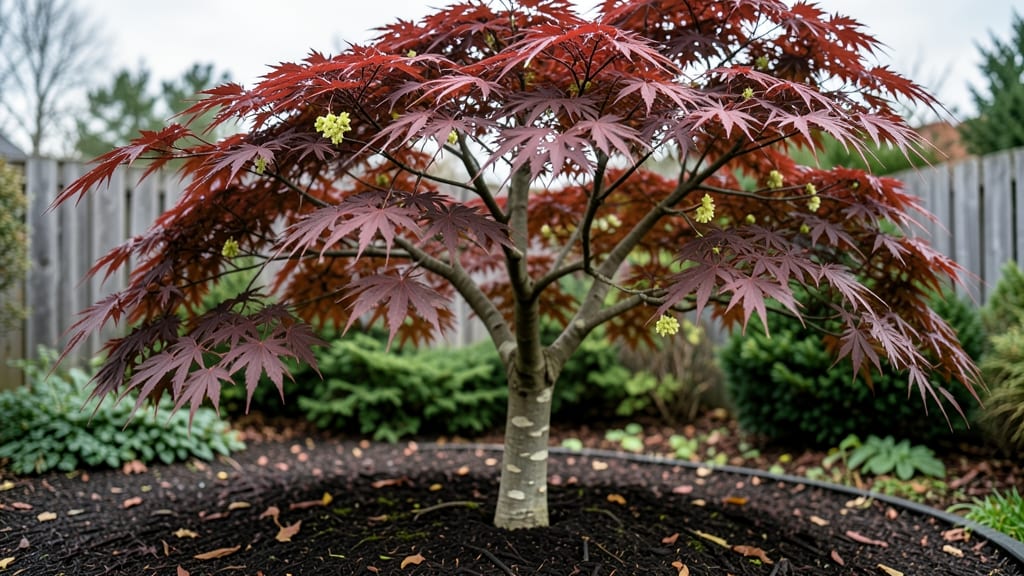
The Oriental maple tree (Acer palmatum) transforms any space into a living watercolor—its delicate lace-like leaves and fiery autumn hues are unmatched. I’ve pruned mine for years, and the difference between a scraggly specimen and a showstopper comes down to timing and technique.
This tree isn’t just about survival; it’s about artistry, blending Japanese garden traditions with practical care.
Pruning isn’t just about shaping—it’s about health and harmony. Start with clean cuts in late winter to remove dead wood, then fine-tune in early summer to encourage lush foliage.
Varieties like ‘Bloodgood’ (deep red) or ‘Moonrise’ (silver-pink) respond beautifully to strategic trims, rewarding you with vibrant color and graceful form all year. The key? Never prune when sap is flowing heavily (spring), or you’ll stress the tree.
You’ll end up with a tree that’s disease-resistant, structurally sound, and bursting with seasonal interest—from spring’s fresh green to autumn’s fiery display. The process takes just 30-60 minutes per session, and the results last for decades.
Whether you’re correcting a wayward branch or sculpting for balance, every cut brings you closer to that perfect Japanese garden aesthetic.
Works for both container-grown specimens and mature trees in the ground. Let’s get those shears ready—your Oriental maple deserves to shine.
📚 In This Guide
- What you need
- Instructions
- Tips and common mistakes
- Wrapping up and next steps
What you need
- ● Pruning shears: Sharp, bypass-style shears (for cuts up to ½ inch in diameter). Quantity: 1 pair.
- ● Loppers: Bypass or anvil-type for thicker branches (½–2 inches). Quantity: 1 pair.
- ● Pruning saw: Curved-tooth saw for branches over 2 inches in diameter. Quantity: 1.
- ● Gloves: Heavy-duty, cut-resistant gloves to protect your hands. Quantity: 1 pair.
- ● Disinfectant: 70% isopropyl alcohol or rubbing alcohol to sterilize tools. Quantity: Small bottle.
- ○ Pruning sealant: Optional but recommended for large cuts (e.g., Tanglefoot Tree Wound Pruning Seal). Quantity: Small tube.
- ● Ladder or step stool: Sturdy, extendable for reaching higher branches. Height: At least 10–12 feet.
- ● Safety gear: Safety glasses and long sleeves to protect against debris.
- ● Work gloves: Garden-grade for gripping branches comfortably.
- ● Tree bag: Mesh bag to collect pruned branches easily.
- ● Extension pole pruners: For hard-to-reach branches without a ladder.
- ● Marking spray: Biodegradable paint to mark cuts before pruning.
- ● First-aid kit: Just in case of minor scrapes or thorns!
Strategic pruning techniques for Oriental maple tree vitality
Here’s how to maintain your tree’s natural beauty and health year-round with precise, seasonal cuts.
Assess the Tree’s Structure and Identify Growth Priorities
Start by examining the tree’s canopy and branches in early spring, before new growth begins. Look for dead, diseased, or crossing branches—these are your first targets. Use a pruning saw for branches over 2 inches thick and bypass pruners for smaller limbs. I always scan from the ground up, noting where branches rub against each other or grow inward, as these create weak points and invite pests.
Mark the cuts with a piece of twine or flagging tape if you’re unsure—this helps you visualize the final shape. Oriental maples have a natural, layered growth habit, so aim to preserve that open, airy structure. Avoid removing more than 25% of the canopy in a single season, as this stresses the tree and can lead to weak regrowth.
Remove Dead, Damaged, or Hazardous Branches First
Begin with deadwood removal—these branches are no longer alive and can harbor insects or fungi. Cut just outside the branch collar, the swollen area where the branch meets the trunk. Make a clean, angled cut at a 45-degree angle, sloping away from the branch collar. This prevents water from pooling and rotting the wound.
Next, address diseased branches by cutting 6 inches below the visible signs of decay or discoloration. Sterilize your tools with 70% isopropyl alcohol between cuts to prevent spreading pathogens. If a branch is cracked, split, or structurally weak, remove it entirely—these are safety hazards, especially during storms. Always step back after each cut to reassess the tree’s balance and airflow.
Thin the Canopy for Light and Air Circulation
Thinning involves selectively removing branches to improve light penetration and reduce disease risk. Focus on removing branches that cross or rub—these compete for resources and create entry points for pests. Start at the outer edges of the canopy and work inward, removing one-third of the smallest branches first. This opens up the tree’s interior, allowing sunlight to reach lower limbs and encouraging stronger growth.
For Oriental maples, prioritize removing water sprouts—those fast-growing, upright shoots that appear along the trunk or branches. These saplings drain energy from the tree and disrupt its natural form. Use hand pruners for branches under ½ inch thick, making cuts just above a bud or lateral branch to encourage outward growth. Avoid "topping" the tree by cutting back to a stub—this leads to weak, unsightly regrowth.
Shape the Tree for Balance and Aesthetic Appeal
Once you’ve addressed deadwood and thinning, refine the tree’s shape by selectively pruning to enhance its natural form. Oriental maples have a graceful, layered silhouette, so avoid aggressive shaping. Instead, shorten overlong branches by cutting just above a bud that faces outward—this encourages growth in the desired direction. For larger branches, use the three-cut method: make the first cut 1-2 feet out from the trunk, then a second cut just outside the branch collar, and finally the third cut to remove the remaining stub.
Step back frequently to evaluate the tree’s symmetry. If one side looks heavier, remove a few branches from that side to restore balance. Avoid removing more than 10% of the tree’s foliage in a single session—this ensures the tree can recover without stress. In late summer, you can do a light pruning session to remove any new growth that disrupts the tree’s shape, but avoid heavy cuts after mid-August, as this encourages tender growth that may not harden off before winter.
Maintain Year-Round with Seasonal Check-Ins
After the initial spring pruning, monitor the tree throughout the year. In early summer, remove any suckers or water sprouts that appear at the base or along branches. These compete with the main canopy for nutrients. Use sharp pruners to cut them at ground level—this prevents regrowth from the same spot.
In fall, focus on sanitizing the tree by removing any diseased leaves or branches before they drop. Rake up fallen leaves to reduce overwintering pests. If you notice dieback—where branches suddenly lose leaves and appear dead—wait until late winter or early spring before pruning, as some branches may still be alive beneath the damaged tissue. Always prune in dry, calm weather to minimize stress on the tree and reduce the risk of spreading disease.
Tips & tricks for perfect Oriental maple tree pruning
These practical insights will help you refine your technique and protect your tree's long-term vitality—without the guesswork.
Branch Collar Awareness: In Step 2, when removing branches, the branch collar is your guide. This swollen area where the branch meets the trunk contains protective cells that help the wound heal. Cutting just outside it prevents damage to these healing tissues. I've seen many pruning mistakes where people cut flush with the trunk, creating large wounds that take years to close. Always make your angled cut sloping away from the collar—this simple detail makes all the difference in recovery time.
Seasonal Timing Strategy: The instructions emphasize early spring for initial pruning, but I've found that late winter (just before buds swell) often works better in colder climates. This timing gives you a clearer view of the tree's structure before new growth obscures your view. For Oriental maples specifically, avoid pruning after mid-August as the instructions note—this prevents tender new growth that won't harden off before winter. I've seen beautiful trees develop winter dieback simply because pruning was done too late in the season.
Tool Sterilization Protocol: Between cuts on diseased branches, the instructions recommend 70% isopropyl alcohol—but I've expanded this to include a more thorough approach. After sterilizing, wipe your tools with a clean cloth, then spray with a diluted bleach solution (1 part bleach to 9 parts water) for extra protection. This extra step prevents cross-contamination between branches. I learned this the hard way after seeing a previously healthy tree develop fungal issues from improperly sterilized tools between cuts on different branches.
Visual Assessment Technique: When evaluating your work in Step 4, step back frequently to assess symmetry. I've developed a simple mental checklist: Can you draw an imaginary vertical line through the center of the tree? Does each side mirror the other? For Oriental maples, the layered growth should create a gradual taper from top to bottom. If one side looks heavier, remove a few branches from that side—just enough to restore balance. This technique prevents that "lopsided" look that often results from uneven pruning.
Pro Tips for Oriental Maple Tree
- These practical insights will help you refine your technique and protect your tree's long-term vitality—without the guesswork.
- Branch Collar Awareness: In Step 2, when removing branches, the branch collar is your guide.
- Seasonal Timing Strategy: The instructions emphasize early spring for initial pruning, but I've found that late winter (just before buds swell) often works better in colder climates.
Frequently asked questions
Got questions about keeping your Oriental Maple Tree thriving with the right pruning? Here are some of the most common ones—plus straightforward answers to help you care for this stunning tree year-round.
When is the best time to prune an Oriental Maple Tree?
The ideal time is late winter or early spring (before buds swell) to avoid sap bleeding and promote vigorous growth. However, light pruning can be done in summer (after 60% of leaves emerge) to shape the tree or remove dead branches. Avoid heavy pruning in fall—it stresses the tree before winter.
How much can I prune my Oriental Maple Tree without harming it?
Stick to the 10-20% rule: Never remove more than 20% of the canopy in a single year. For mature trees, 10% or less is safer. Over-pruning weakens the tree, making it vulnerable to disease or pests. If you need heavy shaping, spread it over 2-3 years.
What should I do if my Oriental Maple Tree starts bleeding sap after pruning?
Sap bleeding is normal but can be messy! To minimize it, prune in cooler weather (below 60°F) and use sharp tools to avoid tearing bark. Seal larger cuts with pruning sealant (optional for small branches). The tree will heal naturally—just keep the area clean to prevent fungal growth.
Can I prune an Oriental Maple Tree in summer, or will it hurt the tree?
Yes, but lightly! Summer pruning is best for removing dead wood, shaping, or thinning to improve airflow. Avoid heavy cuts—it can stress the tree and invite pests. If you must prune in summer, do it early (June) and never after August to prevent late-season growth that won’t harden off before winter.
Are there alternatives to traditional pruning for Oriental Maple Trees?
If you’re hesitant about cutting, try selective thinning to open the canopy or coppicing (cutting stems to the ground) for younger trees to encourage bushier growth. For mature trees, crown raising (removing lower branches) can improve sunlight access without heavy pruning. Always prioritize health over aesthetics!
Wrapping up and next steps
The Oriental maple tree thrives with the right pruning care—whether you’re shaping it for beauty or boosting its health! 🌿 By following seasonal strategies and using the right tools, you’ll keep this stunning tree strong and vibrant for years. Remember, patience and consistency are key.
Ready to take action? Start with a quick inspection of your tree this weekend—trim those overgrown branches and watch your Oriental maple flourish! 🌱