
Trees
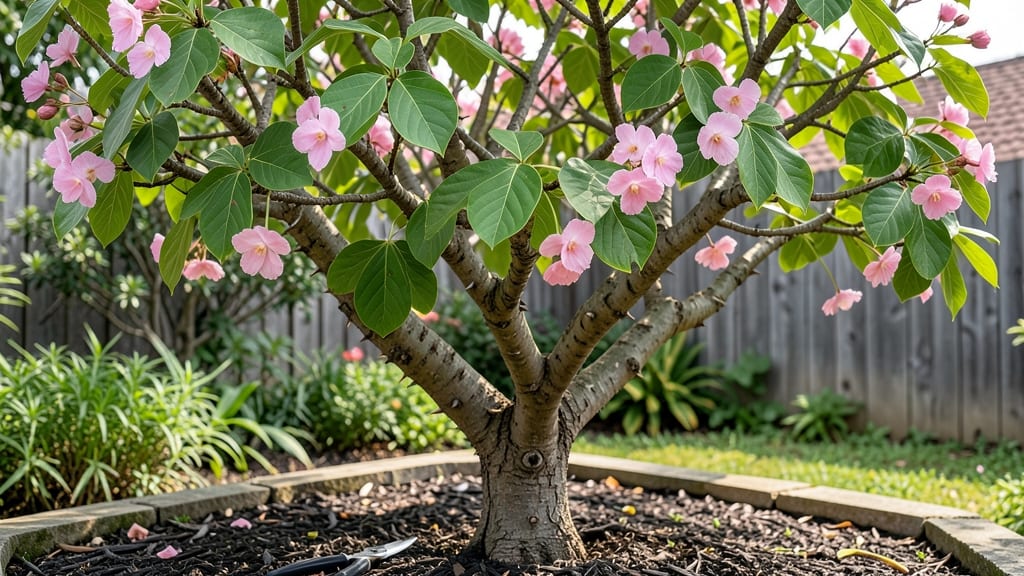
Arizona’s scorching summers can actually be perfect for orchid trees—if you know the tricks. 🌵 These striking plants thrive in desert heat when given the right conditions, and I’ve learned which varieties handle 110°F days without wilting.
The key isn’t mimicking rainforest humidity but embracing the dry climate with smart watering and soil choices.
Start with Bauhinia or Cassia species—they’re the desert survivors among orchid trees. You’ll need well-draining soil (think cactus mix with extra perlite), a spot with 6+ hours of sun, and containers with drainage holes if planting in pots.
My first attempt failed because I overwatered, but once I adjusted to deep watering every 7-10 days, the trees took off.
By late spring, you’ll see those signature orchid-like blooms—pink, purple, or yellow—dotting the branches. The foliage stays lush even in summer, and with minimal pruning after blooms fade, these trees reward you with years of low-maintenance beauty. They even handle monsoons better than many tropicals.
Container growing works great for Arizona’s variable soils, and native alternatives like Desert Willow offer similar drama with less fuss. The biggest mistake? Ignoring the roots—they need room to stretch. With the right setup, your orchid tree will outlast most Arizona summers without a single complaint.
📚 In This Guide
- What you need
- Instructions
- Tips and common mistakes
- Wrapping up and next steps
What you need
- ● Orchid Tree (Bauhinia spp.) Seedlings or Nursery Plants: Choose Bauhinia variegata (orchid tree) or Bauhinia galpinii (desert-friendly varieties).
- ● Quantity: 1–3 plants (depending on space and desired impact).
- ● Well-Draining Soil Mix: 60% cactus/succulent soil (e.g., Miracle-Gro Cactus, Palm & Citrus Mix).
- ● 30% perlite or pumice (for aeration).
- ● 10% coarse sand (Arizona desert sand works well!).
- ● Container or Planting Hole: For containers: 15–20 gallon pot with drainage holes (1 plant per container).
- ● For in-ground: Hole twice as wide as the root ball, with amended soil.
- ● Drip Irrigation or Soaker Hose: Essential for low-water desert care. Set up near the root zone.
- ● Mulch: 2–3 inches of gravel or decomposed granite (retains moisture, mimics desert conditions).
- ● Fertilizer: Balanced, slow-release fertilizer (e.g., 10-10-10) or orchid-specific granules (apply sparingly, 2–3 times/year).
- ● Gloves & Hand Trowel (for planting).
- ● Pruning Shears (sterilized, for shaping after blooming).
- ● Sun Hat & Watering Can (for manual checks during establishment).
- ● Shade Cloth (30–50%) (temporary, for young plants in intense 110°F+ heat).
- ● Epsom Salt (Magnesium Sulfate) (1 tbsp/month in water for leaf health).
- ● Decorative Rocks or Wind Chimes (to enhance desert aesthetics!).
Step-by-Step guide to cultivating orchid trees in Arizona's climate
Here’s how to nurture these stunning desert natives through Arizona’s extremes.
🌱 Step 1: Select the Right Orchid Tree Variety for Arizona
Bauhinia purpurea and Bauhinia variegata are your best bets—they thrive in 100°F+ heat and low humidity, matching Arizona’s climate perfectly. Avoid tropical orchid trees like Oncidiums, which need high humidity and struggle in dry desert air. Look for bare-root plants in early spring when local nurseries stock desert-adapted varieties.
I always check the leaf structure: the two-lobed, orchid-like foliage of Bauhinia confirms you’ve got the right species. These trees naturally shed leaves in drought, so don’t panic if yours drops foliage during summer—it’s a survival mechanism, not a problem. Plant when temperatures stabilize above 50°F to avoid transplant shock.
☀️ Step 2: Plant in Well-Draining Soil with Strategic Sun Exposure
Use a mix of 50% native desert soil, 30% coarse sand, and 20% compost to replicate their natural habitat. Arizona’s alkaline soil is perfect—no amendments needed beyond ensuring good drainage. Plant in full sun (6+ hours daily) but provide afternoon shade during summer’s peak heat to prevent leaf scorch.
Dig a hole twice as wide as the root ball but only as deep. The top of the root ball should sit 1 inch above ground level—this prevents waterlogging. I always water deeply right after planting to settle the soil, then let it dry completely before watering again. Overwatering is the #1 killer of orchid trees in desert climates.
💧 Step 3: Master the Desert Watering Schedule
Orchid trees hate soggy roots, so water deeply every 10-14 days during growing season (spring/fall) and monthly in summer. Check moisture by sticking your finger 3 inches deep—if dry, water thoroughly until it runs out the bottom of the pot or drainage holes. In winter, reduce to every 3-4 weeks or when leaves start curling.
Here’s the thing—these trees store water in their roots, so they’ll look dormant in summer. Don’t assume they’re dead if they drop leaves. I’ve seen them rebloom spectacularly after a single deep watering in fall. Mulch with 2 inches of gravel around the base to reflect heat and prevent soil evaporation.
✂️ Step 4: Prune Strategically for Arizona’s Blooming Seasons
Prune immediately after flowering to encourage new growth. Cut back one-third of the oldest stems to a healthy bud or joint, using sterilized pruners. This mimics their natural cycle of shedding leaves in drought and regrowing when rains return. Never prune in summer—you’ll stress the plant during peak heat.
Watch for new growth shoots emerging from the base—these are your plant’s signal it’s recovering. I always fertilize lightly (½ strength balanced 10-10-10) after pruning to support regrowth. Avoid high-nitrogen fertilizers—they promote leafy growth at the expense of flowers, which is the opposite of what you want.
🌿 Step 5: Protect from Arizona’s Unique Threats
Shield young trees from scaly bark insects and aphids with neem oil spray applied in early spring. These pests thrive in Arizona’s dry heat and can defoliate a tree in weeks. I also wrap the trunk with tree guard to prevent sunburn on the bark, especially for newly planted specimens.
Monitor for root rot if you’ve overwatered—yellowing leaves and mushy stems are red flags. If caught early, reduce watering and improve drainage. In winter, protect from unexpected freezes below 28°F with a frost cloth draped loosely over the tree. Most orchid trees survive down to 20°F, but young plants need extra care.
Tips & tricks for desert-adapted orchid trees
Arizona's extreme climate demands special care—here's how to give your orchid trees the edge they need to thrive.
Soil Mix Precision: When creating your 50-30-20 soil mix (native desert soil, coarse sand, compost), I recommend sifting the native soil first to remove any rocks or debris. The coarse sand should be about the size of a grain of rice—not too fine, or it won't provide proper drainage. I've found that adding a handful of perlite to this mix can further improve aeration, especially for container-grown specimens. This small adjustment prevents the compacting that often leads to root rot in Arizona's heavy clay soils.
Heat Stress Prevention: The afternoon shade recommendation in Step 2 is critical during Arizona's summer months. I've seen firsthand how direct afternoon sun (especially between 12-4pm) can scorch leaves within hours. Use shade cloth rated for 30-50% coverage—this allows enough light for photosynthesis while protecting delicate foliage. For newly planted trees, I often add a temporary shade structure that can be removed as the tree establishes deeper roots.
Watering Technique: That 3-inch moisture check in Step 3 is your best friend. I've learned this the hard way—overwatering is the silent killer of desert-adapted trees. When watering, aim for the root zone rather than wetting the leaves, which can promote fungal issues. For container-grown orchid trees, I use the "soak and dry" method: water until it runs freely from drainage holes, then let the top 3 inches dry completely before watering again. This mimics Arizona's natural monsoon patterns.
Pruning Insight: The one-third pruning rule in Step 4 might seem drastic, but it's essential for maintaining your tree's natural bloom cycle. When cutting back those oldest stems, look for the first set of leaves below the flower cluster—this is your pruning point. I always sterilize my pruners with rubbing alcohol between cuts to prevent disease transmission. After pruning, I've noticed that new growth often emerges within 2-3 weeks, signaling the tree's recovery process.
Pro Tips for Orchid Trees In Arizona
- Arizona's extreme climate demands special care—here's how to give your orchid trees the edge they need to thrive.
- Soil Mix Precision: When creating your 50-30-20 soil mix (native desert soil, coarse sand, compost), I recommend sifting the native soil first to remove any rocks or debris.
- Heat Stress Prevention: The afternoon shade recommendation in Step 2 is critical during Arizona's summer months.
Frequently asked questions
Got questions about growing orchid trees in Arizona’s desert climate? You’re not alone! Here are some of the most common queries—plus straightforward answers to help you nurture stunning blooms with confidence.
Can orchid trees (Bauhinia) survive Arizona’s extreme heat and dry spells?
Orchid trees are highly drought-tolerant once established, thriving in Arizona’s heat zones (9–11). Their deep roots access water efficiently, but mulch heavily (3–4 inches) and water deeply once a week during the first year. After that, minimal watering is needed—just enough to keep soil slightly moist during scorching summers.
How long does it take for an orchid tree to bloom in Arizona?
Patience pays off! Young trees may take 2–3 years to bloom, but mature specimens (5+ years) reward you with vibrant flowers spring through fall. For faster blooms, plant in full sun (6+ hours daily) and fertilize lightly with a low-phosphorus formula (like 10-10-10) in early spring. Prune spent blooms to encourage repeat flowering.
What’s the best alternative if my orchid tree isn’t thriving?
If your Bauhinia struggles, try these desert-friendly alternatives:
- Mexican Poppy (Kallstroemia grandiflora): Drought-proof, blooms year-round, and attracts pollinators.
- Desert Willow (Chilopsis linearis): Thrives in poor soil, produces trumpet-shaped flowers, and handles heat like a champ.
- Paloverde (Parkinsonia spp.): Native, evergreen, and zero-maintenance once rooted.
Why are my orchid tree leaves yellowing or dropping?
Yellow leaves usually signal overwatering or nutrient stress. Here’s how to troubleshoot:
- Check soil moisture: Stick your finger 2 inches deep—if damp, cut back watering. Desert soil should be dry between waterings.
- Test for pests: Inspect undersides of leaves for aphids or spider mites. Spray with neem oil if needed.
- Fertilize lightly: Use a balanced, slow-release fertilizer in spring (avoid high-nitrogen blends).
Do orchid trees need winter protection in Arizona?
Most Arizona winters are mild, but young trees or low-desert areas (like Phoenix) may need a little help. Wrap the trunk with burlap or use a lightweight frost cloth if temps dip below 25°F. Mature trees (3+ years) are hardy to 15°F—just avoid heavy mulch in winter to prevent rot.
Wrapping up and next steps
Growing orchid trees in Arizona’s desert climate is absolutely doable—with the right knowledge and a little patience! 🌵✨ These stunning plants thrive when you match their care to the arid conditions, from well-draining soil to strategic watering and protection from extreme heat.
By following the tips above, you’ll be rewarded with vibrant blooms and a resilient addition to your landscape.
Ready to turn your desert oasis into a showstopper? Start by selecting your orchid tree variety and gathering the essential supplies. Then, roll up your sleeves and give these desert beauties the love they deserve—your future blooms will thank you!