Trees
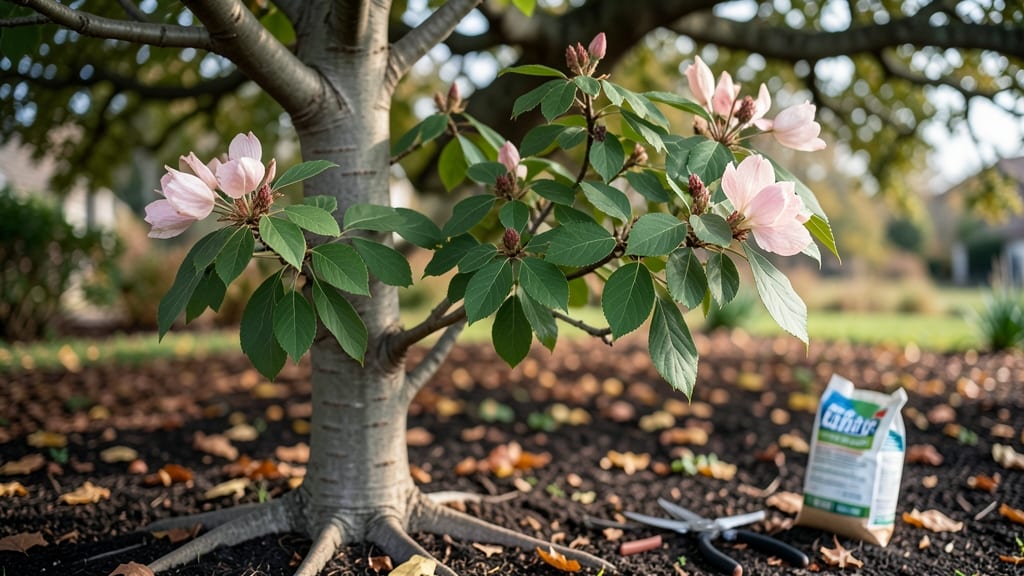
Dogwood trees in spring are the Pacific Northwest's secret weapon for turning yards into dreamy pink canvases. 🌸 I remember the first time I saw one explode with blooms—it felt like the whole neighborhood paused to admire it. That moment changed how I think about spring landscaping forever.
These trees thrive with minimal fuss once established, but timing matters: plant bare-root dogwoods in early spring when soil is workable but before buds swell, or container-grown trees anytime through fall. A light layer of mulch keeps roots cool, and pruning spent blooms right after flowering encourages next year’s show.
The key is patience—it takes 3-5 years for mature blooms, but the wait is worth it.
You’ll end up with a tree that looks like a living watercolor painting, its pink flowers standing out against fresh green leaves. Birds love the berries that follow, and the tree’s graceful shape adds year-round interest. Even in partial shade, dogwoods shine brighter than most spring bloomers.
Works equally well as a standalone specimen or mixed with rhododendrons and azaleas. The Pacific Northwest’s mild, moist springs are perfect for them, but they adapt well to other regions too. Here’s how to make yours the star of the season.
📚 In This Guide
- What you need
- Instructions
- Tips and common mistakes
- Wrapping up and next steps
What you need
- ● Dogwood Trees: 1–3 Cornus florida or Cornus nuttallii (Pacific Dogwood) saplings (native to the PNW!)
- ● Mature trees (if transplanting): Ensure roots are intact and soil is moist.
- ● Planting Supplies: High-quality well-draining soil (amend with compost if needed)
- ● 5–10 gallons of mulch (wood chips or bark)
- ○ 1–2 slow-release fertilizer (10-10-10 NPK ratio, optional for new plants)
- ● Pruning Tools: 1 pair bypass pruners (for small branches)
- ● 1 pruning saw (for thicker stems)
- ● 1 sterilizing solution (70% isopropyl alcohol or bleach mix)
- ○ Safety Gear (Optional but Recommended):strong> Work gloves (gardening or heavy-duty)
- ● Safety goggles (if pruning near eyes)
- ● Knee pads (for prolonged planting)
- ● Location: Partial shade to full sun (mornings sun, afternoon shade ideal for PNW climate).
- ● Water Access: Hose with nozzle or watering can (deep watering 1–2x/week for new trees).
- ● Season Timing: Planting: Early spring or fall (avoid frost periods).
- ● Pruning: Late winter/early spring before buds swell.
- ● Local Regulations: Check for city/county restrictions on tree planting (especially near sidewalks or utilities).
Instructions for cultivating vibrant dogwood blooms in spring
Here's how to coax your Pacific Northwest dogwood into its showstopping spring display.
🌱 Step 1: Prune Last Year's Growth for Better Blooms
This is the moment that matters: prune 2-3 weeks after flowering when the blooms fade but before new buds form. I always grab my pruning shears and remove any dead, crossing, or diseased branches first—they'll only compete with fresh growth. Cut just outside the branch collar where it meets the trunk for clean wounds that heal properly.
For mature trees, focus on thinning out the center to improve airflow. Dogwoods hate crowded branches, and proper pruning ensures those signature pink blooms get maximum sunlight. You'll see next spring's buds forming along last year's branches, so don't cut those off—they're the year's flower show.
☀️ Step 2: Feed and Mulch for Spring Growth
Spread 2-3 inches of organic mulch around the base, keeping it 6 inches away from the trunk to prevent rot. I use shredded bark or wood chips because they break down slowly and improve soil structure over time. This mulch layer also helps retain moisture during our Pacific Northwest's unpredictable spring rains.
Apply a balanced 10-10-10 fertilizer in early spring when you see new shoots emerging. Lightly scratch it into the top inch of soil within the drip line. Dogwoods are light feeders—too much nitrogen will give you foliage but few blooms. You'll notice fresh, vibrant green leaves within a few weeks, signaling the tree is waking up properly.
💧 Step 3: Water Deeply During Dry Spells
Water deeply once a week during dry periods to encourage strong root growth. The key is to water until the soil 6 inches down feels moist—stick your finger in to check. Dogwoods establish deep roots naturally, so shallow watering just encourages surface roots that dry out quickly in our summer heat.
Real talk: Overwatering is just as bad as underwatering. If the soil stays soggy for more than a day, the roots will suffocate. You'll see yellowing leaves or wilting as a sign you're watering too much. Adjust your schedule based on what you feel when you check the soil—not just the calendar.
✂️ Step 4: Protect New Growth from Pests
Inspect the tree regularly for dogwood borers—they're the #1 threat to healthy blooms. Look for tiny holes or sawdust-like frass at the base of branches. If you spot any damage, treat immediately with horticultural oil or neem oil. These natural sprays smother pests without harming beneficial insects.
Also watch for powdery mildew on new leaves. Our Pacific Northwest springs can be damp, creating perfect conditions for this fungal disease. Prune for airflow and apply a fungicide spray if you see white powdery spots. Healthy leaves mean better photosynthesis, which means more energy for those showstopping pink blooms.
Tips & tricks for perfect dogwood blooms in spring
A few well-timed tricks can transform your dogwood from merely pretty to breathtakingly vibrant.
Pruning Precision: In Step 1, when you're pruning 2-3 weeks after flowering, look for branches that grow inward or cross each other—these are the prime candidates for removal. I've seen dogwoods with crowded centers that never get enough sunlight, and those branches produce sparse blooms. Aim to open up the canopy like you're creating a window for sunlight to reach every branch. The goal is to create an airy, open structure where every bud gets equal access to light, which is what fuels those stunning pink blooms.
Mulch Magic: That 2-3 inch layer of organic mulch in Step 2 isn't just decoration—it's a moisture regulator and temperature stabilizer. I like to rake it out in a gentle cone shape, keeping it 6 inches from the trunk as instructed, but I always add a bit more around the drip line for extra protection. This creates a thermal blanket that keeps roots cool in summer and insulated in winter, which is particularly important in our Pacific Northwest's unpredictable weather swings. The mulch also slowly releases nutrients as it breaks down, giving your tree a steady diet of goodness.
Watering Wisdom: The once-a-week deep watering in Step 3 might seem counterintuitive when our springs can be rainy, but consistency is key. I've learned this the hard way—when I skipped watering during a particularly wet spring, the roots became waterlogged and the tree developed yellow leaves. The secret is that finger check: if the soil 6 inches down feels dry, it's time to water. This encourages deep root growth, which is what gives dogwoods their resilience. And remember, morning watering is best—it gives the leaves time to dry before evening, reducing the risk of fungal diseases.
Pest Prevention: When inspecting for dogwood borers in Step 4, don't just look at the obvious branches. I've found borers hiding in the less conspicuous areas where branches meet the trunk. If you spot any damage, treat immediately with horticultural oil—it's like giving your tree a protective coat of armor. For powdery mildew, I've had great success with a simple baking soda spray (1 teaspoon baking soda + 1 quart water + a drop of dish soap) as a preventative measure. It's a natural solution that works wonders without harsh chemicals.
Pro Tips for Dogwood Trees In Spring
- A few well-timed tricks can transform your dogwood from merely pretty to breathtakingly vibrant.
- Pruning Precision: In Step 1, when you're pruning 2-3 weeks after flowering, look for branches that grow inward or cross each other—these are the prime candidates for removal.
- Mulch Magic: That 2-3 inch layer of organic mulch in Step 2 isn't just decoration—it's a moisture regulator and temperature stabilizer.
Frequently asked questions
Got questions about dogwood trees in spring?
You’re not alone! Here are answers to the most common queries about these stunning Pacific Northwest blooms—from timing to care tips.
When do dogwood trees bloom in spring?
Dogwoods typically bloom in late March to early May in the Pacific Northwest, depending on weather. Warmer microclimates (like urban areas) may see earlier blooms, while cooler zones could delay them by a week or two. Pro tip: Watch for buds swelling in February—they’re your cue!
How long do dogwood flowers last?
Dogwood blooms last 2–4 weeks, with peak beauty in the first 10–14 days. After flowering, the trees produce red berries in fall (edible for wildlife, but toxic to humans). For extended color, plant alongside rhododendrons or azaleas, which bloom at slightly different times.
Why aren’t my dogwood flowers opening?
Several factors can delay blooms:
- Late frost damage: Dogwoods are frost-sensitive. If buds freeze, they may drop instead of opening.
- Over-fertilizing: Too much nitrogen promotes leafy growth over flowers. Use a low-nitrogen, high-phosphorus fertilizer in early spring.
- Poor sunlight: Dogwoods need partial shade to full sun. If shaded by taller trees, blooms may be sparse.
Check for powdery mildew (white fungal spots) or borer damage (holes in bark), which can stress trees.
Are dogwood trees easy to grow in the PNW?
Yes! Dogwoods thrive in the Pacific Northwest’s mild, moist climate. They prefer:
- Well-draining, slightly acidic soil (pH 4.5–6.0).
- Moisture-retentive but not waterlogged soil.
- Protection from harsh winds (plant near fences or other trees).
Bonus: They’re low-maintenance—just mulch annually and prune dead branches in late winter.
What’s the best dogwood variety for PNW gardens?
Top picks for the Pacific Northwest:
Variety
Bloom Time
Height
Standout Feature
Pacific Dogwood (Cornus nuttallii)
Late April–May
15–25 ft
Large, pink-white blooms (state tree of Washington!)
Kousa Dogwood (Cornus kousa)
May–June
15–20 ft
Fragrant flowers, disease-resistant, and glossy foliage.
Dwarf Dogwood (Cornus florida ‘Cherokee Brave’)
April–May
6–8 ft
Perfect for small gardens; vibrant pink blooms.
Tip: For year-round interest, pair with Oregon grape or salal for native understory plants.
Wrapping up and next steps
Spring in the Pacific Northwest is nothing short of magical when dogwood trees burst into bloom, painting the landscape with their soft pink and white hues. These iconic trees aren’t just stunning—they’re a symbol of renewal, resilience, and the beauty of nature’s seasonal transformations.
Whether you’re admiring them from afar or planning to grow your own, their presence reminds us to pause, appreciate, and connect with the world around us.
Ready to embrace the charm of dogwoods? Take the next step:
- 🌱 Visit a local arboretum or park to see them in full glory.
- 📝 Sketch or photograph your favorite blooms for inspiration.
- 🌿 Consider planting one in your garden to welcome spring for years to come!