Blooming
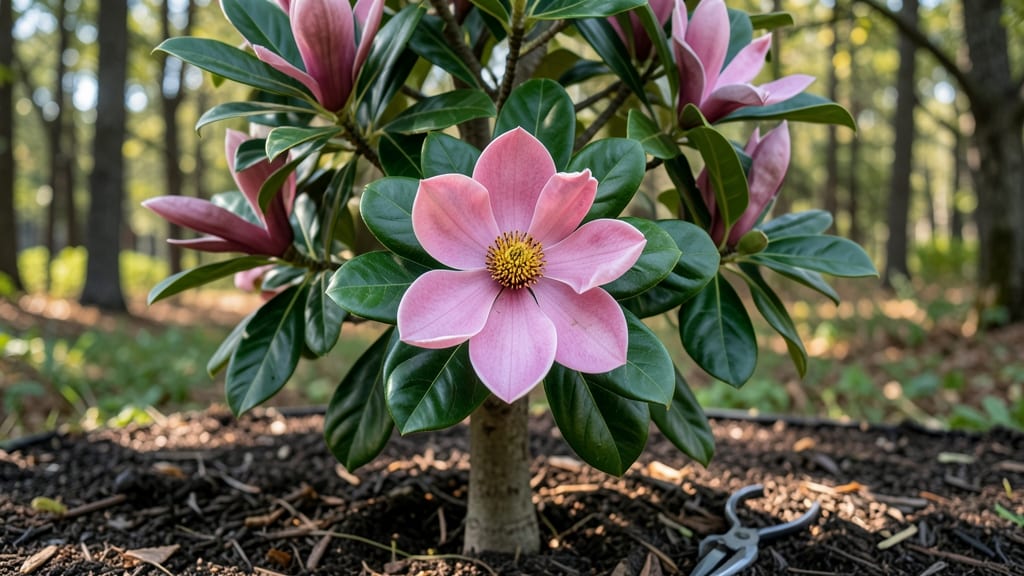
The magnolia tree blooming season arrives when the air smells like damp earth and azaleas—usually between late March and May in the South, though varieties like 'Annabel' bloom earlier while 'Little Gem' waits until April.
I still remember the first time I saw my Southern magnolia unfurl those creamy-white petals after a chilly night, like nature’s own fireworks display. The timing isn’t just about beauty—it’s a delicate balance of chill hours, sunlight, and soil health that determines whether your tree puts on its best show.
Not all magnolias bloom at once, though. Early bloomers like 'Elizabeth' might surprise you with flowers in February, while late varieties like 'Bracken’s Brown Beauty' hold off until June.
Your local climate plays a huge role—warmer winters can delay blooming, while a cold snap in early spring might trigger an earlier burst. Even soil moisture matters: too much water can stress roots, while consistent hydration keeps buds plump and ready to burst open.
Once you know your tree’s rhythm, you can time everything perfectly—like pruning after blooms fade to encourage next year’s flowers or fertilizing in early spring to fuel new growth. A well-cared-for magnolia rewards you with bold, fragrant blooms that last for days, even after they’ve fallen.
The key is patience: some trees take 3-5 years to reach their full flowering potential, but once they do, they become the showstopper of your landscape.
Whether you’ve got a towering Southern magnolia or a compact 'Teddy Bear,' these timing tips help you anticipate—and celebrate—that magical moment when your tree transforms your yard into a springtime paradise. Now, let’s dive into how to keep those blooms coming back year after year.
📚 In This Guide
- What you need
- Instructions
- Tips and common mistakes
- Wrapping up and next steps
What you need
- ● Magnolia tree (species like Magnolia grandiflora or Magnolia stellata, depending on your climate zone).
- ● Well-draining soil (pH 5.0–6.5). Mix in compost (5–10 gallons) for nutrient-rich planting.
- ● Organic mulch (3–4 inches of pine straw or shredded bark) to retain moisture.
- ● Pruning shears (sharp, bypass-style, 6–8 inches long) for shaping and deadwood removal.
- ● Gloves (gardening or work gloves for protection).
- ● Watering can or hose with a gentle spray nozzle (1–2 gallons per watering session).
- ● Fertilizer (balanced 10-10-10 or slow-release magnolia-specific formula, 1–2 lbs per tree).
- ● Staking supplies (3–4 wooden stakes + soft ties) for young or newly planted trees.
- ● Tree food or micronutrients (e.g., iron chelate for yellowing leaves).
- ● Pest control (neem oil or horticultural soap for aphids or scale insects).
- ● Tree wrap (for young trunks to prevent sunscald in winter).
- ● Bloom-boosting supplements (like Epsom salt or fish emulsion for extra nutrients).
- ● Camera or smartphone (to capture those stunning magnolia blooms!).
How to time magnolia blooms for a Southern spring display
Southern gardens burst with color when magnolias bloom—here's how to predict and extend their show.
Identify Your Magnolia Variety and Region
Magnolias bloom at different times based on their species and your climate zone. Southern magnolias (Magnolia grandiflora) typically bloom in late spring to early summer, while Southern magnolia hybrids often push into June. For example, 'Little Gem' blooms in May, while 'Bracken's Brown Beauty' waits until June-July. Check your specific variety's bloom window—it's the first clue to timing.
Your USDA hardiness zone also matters. In zones 7-9, magnolias bloom reliably each spring. In cooler zones (6 or below), blooms may be delayed until after the last frost when soil temperatures reach 60°F. I’ve seen magnolias in Zone 7 wait until mid-April for buds to swell, while Zone 9 trees may start as early as March. Use your local cooperative extension service for precise frost dates.
Monitor Bud Development for Peak Bloom Timing
Start watching your magnolia in late winter when buds begin to swell. Healthy buds should be firm, plump, and greenish-brown. If they feel soft or mushy, it’s a sign of bud rot—likely from fungal infection or winter damage. Prune any affected buds immediately to prevent spread. Buds that stay small or dry out won’t bloom, so keep an eye out for signs of stress.
Once buds are 1-2 inches long, they’re typically 4-6 weeks out from blooming. This is the moment to adjust your garden plans—plant annuals that complement magnolia blooms, like azaleas or camellias, to extend your spring color display. I like to mark this stage with a note on my calendar so I don’t miss it.
Optimize Conditions for Longer Blooms
Magnolias thrive in partial shade to full sun, but too much direct sunlight can scorch petals and shorten bloom time. If your tree is in a hot, exposed spot, consider pruning nearby structures to filter light gently. Mulch the base with 2-3 inches of organic mulch (like pine straw or shredded bark) to retain moisture and regulate soil temperature—this helps buds stay healthy longer.
Water deeply once a week during dry spells, aiming for 1-1.5 inches of water per session. Overhead watering can damage buds, so use a soaker hose or drip irrigation directed at the root zone. I’ve noticed that magnolias in well-drained, slightly acidic soil (pH 5.5-6.5) produce larger, longer-lasting blooms. Test your soil and amend with sulfur if needed.
Extend the Bloom Season with Strategic Care
To coax your magnolia into blooming earlier or later, adjust care based on the season. In early spring, if buds swell but then drop, it’s often due to late frost. Protect your tree by draping frost cloth over it on cold nights (below 32°F). Once buds are open, avoid heavy pruning—this removes next year’s flowers. Instead, prune immediately after blooming to shape the tree without sacrificing future blooms.
For a second flush of blooms, some magnolias (like Magnolia × soulangeana) may produce a smaller round of flowers in late summer. To encourage this, keep the tree well-watered and fertilized with a balanced, slow-release fertilizer in early spring. I’ve seen 'Jane' magnolias reward patience with a second show in August, adding unexpected color to the garden.
Plan Your Garden Around Magnolia Blooms
Time companion plants to bloom before, during, and after your magnolia’s show. Early spring bulbs like daffodils and tulips set the stage, while late-summer perennials like black-eyed Susans take over after magnolia petals fall. I design my beds so that when magnolias fade, clematis or roses step in to carry the season forward.
Take photos of your magnolia in bloom to track yearly progress. Over time, you’ll notice patterns—like how 'Ann' blooms two weeks earlier than 'Elizabeth' in your yard. This helps you predict future displays and adjust care accordingly. Share your observations with local garden clubs; magnolias are finicky, and collective data helps everyone’s trees thrive.
Tips & tricks for perfect magnolia bloom timing
These insider strategies will help you maximize your magnolia's springtime show with precision and confidence.
Variety-Specific Timing: Southern magnolias like 'Little Gem' bloom in May, while 'Bracken's Brown Beauty' waits until June-July. I've found that hybrid varieties often bloom 2-3 weeks earlier than their grandiflora counterparts. Check your specific cultivar's bloom window—this is your first clue to timing. For example, 'Ann' typically blooms two weeks before 'Elizabeth' in my Zone 8 garden, creating a beautiful staggered display.
Bud Development Watch: When buds reach 1-2 inches in length, they're typically 4-6 weeks from blooming. This is the perfect moment to adjust your garden plans—plant companion annuals like azaleas or camellias that complement magnolia blooms. I mark this stage on my calendar to ensure I don't miss it. Remember that healthy buds should feel firm and plump—any softness indicates potential bud rot from fungal infection or winter damage.
Climate Zone Adjustments: In cooler zones (6 or below), blooms often wait until after the last frost when soil temperatures reach 60°F. I've seen magnolias in Zone 7 wait until mid-April for buds to swell, while Zone 9 trees may start as early as March. Use your local cooperative extension service for precise frost dates—they provide invaluable data for Southern gardeners planning their seasonal displays.
Soil Preparation Strategy: Magnolias thrive in well-drained, slightly acidic soil (pH 5.5-6.5). I've noticed that trees in this optimal soil produce larger, longer-lasting blooms. Test your soil in late winter and amend with sulfur if needed. The 2-3 inches of organic mulch (like pine straw) recommended in Step 3 helps regulate soil temperature and retain moisture—critical factors for bud health during the critical bloom development period.
Pro Tips for Magnolia Tree Blooming Season
- These insider strategies will help you maximize your magnolia's springtime show with precision and confidence.
- Variety-Specific Timing: Southern magnolias like 'Little Gem' bloom in May, while 'Bracken's Brown Beauty' waits unti...
- Bud Development Watch: When buds reach 1-2 inches in length, they're typically 4-6 weeks from blooming. This is the p...
Frequently asked questions
Got questions about when and how magnolias bloom? You’re not alone! Here are some of the most common queries—and their answers—to help you plan your springtime magnolia moments.
When is the best time to plant a magnolia tree for optimal blooms?
Plant magnolias in late fall or early winter (November–February in most Southern climates) to give roots time to establish before spring blooming season. Avoid planting in summer heat, which can stress young trees. If you’re adding one to an existing landscape, choose a spot with well-draining soil and partial shade—this mimics their natural woodland habitat and encourages healthier blooms.
Why isn’t my magnolia tree blooming this year?
Magnolias often take 3–5 years to bloom after planting, especially if they’re young. Other common reasons include:
- Improper pruning: Prune after blooming (late spring/early summer) to avoid cutting off next year’s flower buds.
- Nutrient deficiencies: Test soil for nitrogen or phosphorus and amend with compost or a balanced fertilizer.
- Stress from transplant shock: Mulch well and water deeply during dry spells.
- Cold damage: Some varieties (like Magnolia grandiflora) need winter chilling to bloom—check your zone!
Can I force a magnolia to bloom earlier than usual?
Unfortunately, no—magnolias bloom based on natural temperature cues, not human intervention. However, you can encourage earlier blooms by:
- Planting early-blooming varieties like Magnolia stellata (star magnolia) or Magnolia ‘Jane’, which often bloom in late winter.
- Avoiding heavy pruning in fall/winter, which can delay blooming.
- Ensuring the tree gets full sun to partial shade (6+ hours of sunlight for most species).
What’s the difference between early spring and late spring magnolia bloomers?
Timing varies by species! Here’s a quick guide:
Bloom Time
Popular Varieties
Key Features
Late Winter/Early Spring (Feb–March)
Magnolia stellata, Magnolia ‘Little Gem’, Magnolia ‘Black Tulip’
Compact, fragrant, and cold-hardy—perfect for early color.
Late Spring (April–May)
Magnolia grandiflora, Magnolia ‘Ann’, Magnolia ‘Elizabeth’
Larger, showier blooms; some (like grandiflora) bloom on old wood, meaning they flower before new leaves appear.
How do I protect magnolia blooms from late frosts?
Late frosts (<32°F) can damage delicate magnolia flowers. Try these tricks:
- Cover blooms with a lightweight frost cloth (remove during the day to avoid overheating).
- Plant frost-tolerant varieties like Magnolia ‘Alexandrina’ or Magnolia ‘Yellow Bird’.
- Avoid overhead watering before frosts, as wet flowers freeze more easily.
- Use row covers or Christmas lights (strung strategically) to add 5–10°F of warmth.
Wrapping up and next steps
Witnessing a magnolia tree in full bloom is like stepping into a living postcard of Southern charm—fragrant, vibrant, and utterly unforgettable. Whether you’re planning a garden refresh, a spring road trip, or simply admiring nature’s artistry, knowing the perfect timing ensures you won’t miss this seasonal masterpiece.
Now that you’re armed with the blooming secrets, grab your camera, sketchbook, or gardening gloves—and make this the year you embrace the magic of magnolia season!
🌸 Your Next Step:
- 📅 Mark your calendar for local blooming peaks (or plant your own for year-round joy!).
- 🌿 Visit a nearby arboretum or botanical garden to see magnolias in person.
- 📸 Share your blooms with #MagnoliaSeason—let’s celebrate together!