Trees
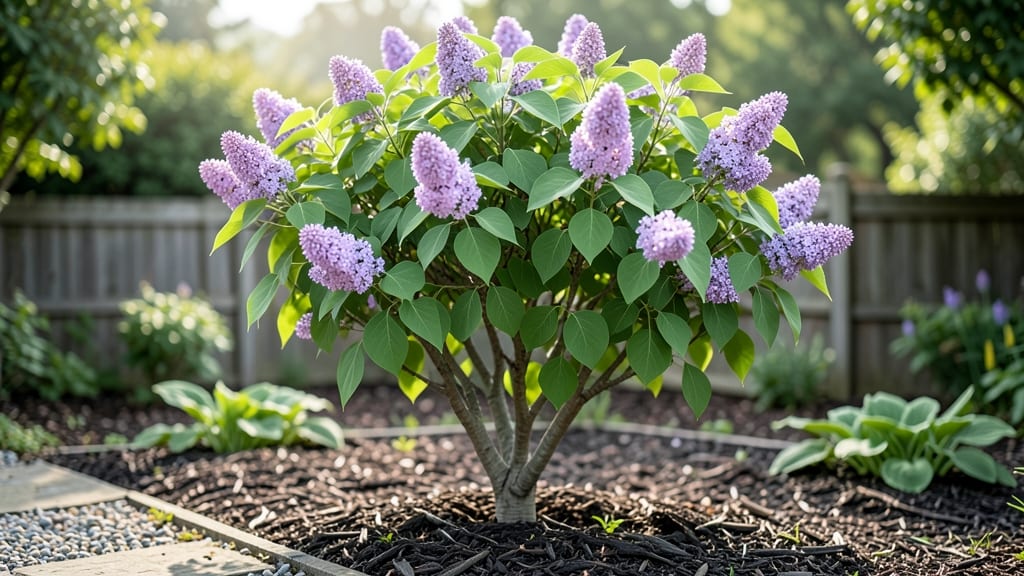
Lilac tree leaves aren’t just fragrant—they’re nature’s hidden remedy for stress and focus. 🌿 I’ve been drying and steeping them for years, and the results are a soothing, floral tea that rivals anything you’d find in a store.
The key is harvesting them at the right time, when the scent is strongest but before they turn bitter.
Start by picking healthy, fully opened leaves in late spring when the blooms fade. Avoid any yellowing or spotted foliage—those are signs of powdery mildew or pests like aphids. Once dried, the leaves release a delicate lavender-like aroma that calms the mind without caffeine.
Just steep 1-2 teaspoons in hot water for 5-10 minutes for a gentle, clarity-boosting brew.
📚 In This Guide
- What you need
- Instructions
- Tips and common mistakes
- Wrapping up and next steps
What you need
- ● Fresh or dried lilac leaves: 1–2 tablespoons (or ~10–15g). Pro tip: Harvest leaves from organic trees (avoid sprayed ones!) when blooms are just fading for peak fragrance. 💡
- ● Complementary herbs (choose 1–2): Dried chamomile (1 tsp) – for relaxation
- ● Fresh mint leaves (2–3) – for brightness
- ● Lemon balm (1 tsp) – for citrusy depth
- ● Hot water: 1 cup (8 oz or 240 mL) per serving
- ● Teapot or heat-safe mug: Glass or ceramic preferred (avoid reactive metals like aluminum)
- ○ Mortar & pestle (optional): For crushing leaves to release oils (boosts aroma!)
- ● Fine-mesh strainer or tea infuser: To filter leaves post-steeping
- ○ Honey or local sweetener: 1 tsp (adds warmth; optional)
- ○ Lemon slices (optional): For a zesty twist
- ● Storage jar: Airtight container for dried leaves (if making a batch)
Step-by-Step guide to harvesting lilac leaves for tea
Here's how to gather and prepare fragrant lilac leaves for your soothing herbal blend.
🌿 Step 1: Choose the Right Leaves at Peak Freshness
Select leaves from healthy lilac bushes in late spring or early summer, when the foliage is lush and vibrant. Avoid leaves with brown spots, holes, or signs of disease—these will affect your tea's quality. The best leaves are the younger, lighter green ones near the tips of branches. They're more tender and packed with aromatic oils.
Harvest on a dry morning after the dew has evaporated. This ensures the leaves are crisp and free of excess moisture, which can lead to mold during drying. Use clean, sharp pruning shears to snip small clusters of leaves rather than pulling them off the stem. This prevents damaging the plant and encourages bushier growth.
✂️ Step 2: Clean and Prepare the Harvested Leaves
Spread the leaves out on a clean kitchen towel or paper towels to remove any dirt or debris. Gently shake off any remaining dust or insects. You can also rinse them briefly under cool water if they're particularly dusty, but avoid soaking them—this will make drying more difficult. Pat them dry with a clean towel or let them air-dry for a few minutes.
Remove any stems, flowers, or damaged leaves from your harvest. Stems add bitterness to the tea, and damaged leaves can introduce unwanted flavors. Once cleaned, spread the leaves in a single layer on a baking sheet lined with parchment paper. This ensures even drying and prevents clumping.
☀️ Step 3: Dry the Leaves Thoroughly
Place the baking sheet in a warm, dry spot with good air circulation, like a sunny windowsill or a well-ventilated room. Avoid direct sunlight, which can cause the leaves to bleach or lose their delicate fragrance. Turn the leaves occasionally to ensure they dry evenly. This process should take about 3-5 days, depending on your climate and humidity levels.
You'll know the leaves are fully dried when they become crisp to the touch and easily crumble between your fingers. Store the dried leaves in an airtight container, away from light and moisture. Properly dried lilac leaves can keep their flavor and aroma for up to 6 months. If you notice any signs of mold or mustiness, discard the batch immediately.
💧 Step 4: Store and Use for Your Tea Blend
To make your fragrant lilac tea, steep 1-2 teaspoons of dried leaves in 1 cup of hot water for 5-7 minutes. The longer you steep, the stronger the flavor will be, but avoid oversteeping, which can make the tea bitter. Strain the leaves and enjoy your calming, aromatic brew. You can also mix dried lilac leaves with other herbs like chamomile or mint for a more complex flavor profile.
For best results, use the tea within a few days of brewing. If you want to store it, pour the cooled tea into a clean glass jar and refrigerate for up to 5 days. Avoid adding milk or sweeteners that can mask the delicate lilac flavor. Instead, try a splash of honey or a slice of lemon to enhance the natural aroma.
Tips & tricks for perfect lilac leaf tea
Real talk: Harvesting and drying lilac leaves takes patience, but these little tricks make all the difference between good and extraordinary tea.
Timing Secret: In Step 1, harvest after morning dew has evaporated but before the afternoon heat sets in—this window between 9 and 11 AM gives you the freshest leaves with maximum aromatic oils. I learned this the hard way after ruining three batches with dew-damp leaves that molded during drying. Trust me on this.
Cleaning Technique: For Step 2, use a soft paintbrush instead of rinsing to remove dust from delicate leaves. This keeps them dry faster and prevents the moisture that leads to mold. Place a fine-mesh strainer over a bowl to catch tiny debris while shaking leaves gently—this saves you from picking out specks later. The goal is to keep those aromatic oils intact while removing impurities.
Drying Strategy: In Step 3, if your climate is particularly humid, place a small fan on low near your drying leaves to create gentle airflow. This cuts drying time from 5 days to 3-4 days without risking bleaching. I also recommend using a wire cooling rack instead of a baking sheet—it allows air to circulate underneath too, preventing any potential dampness from lingering.
Storage Wisdom: After drying, let leaves cool completely before storing. I place mine in a small paper bag for 24 hours in a dark cupboard to release any remaining moisture before transferring to airtight containers. This extra step prevents condensation that could lead to mold in your final storage containers. The crispier the leaves, the longer they'll keep their aroma—up to that 6-month mark.
Pro Tips for Lilac Tree Leaves
- Real talk: Harvesting and drying lilac leaves takes patience, but these little tricks make all the difference between good and extraordinary tea.
- Timing Secret: In Step 1, harvest after morning dew has evaporated but before the afternoon heat sets in—this window between 9 and 11 AM gives you the freshest leaves with maximum aromatic oils.
- Cleaning Technique: For Step 2, use a soft paintbrush instead of rinsing to remove dust from delicate leaves.
Frequently asked questions
Got questions about harvesting, using, or caring for lilac tree leaves? You’re not alone! Here are some of the most common queries—and their answers—to help you make the most of these fragrant, soothing leaves.
When is the best time to harvest lilac leaves for tea?
The ideal time to pick lilac leaves is right after the flowers bloom but before the leaves turn yellow or brown—usually late spring to early summer. Early morning harvests yield the most fragrant, aromatic leaves since essential oils are concentrated after a cool night. Avoid harvesting after rain or pesticide treatments to keep your tea safe and flavorful.
Can I use dried lilac leaves instead of fresh ones for tea?
Dried lilac leaves work just as well as fresh ones, often with a more concentrated flavor. To dry them, tie small bundles of leaves with twine and hang them upside down in a dark, well-ventilated area for 1–2 weeks. Once crispy and brittle, store them in an airtight container away from light. Pro tip: Crush dried leaves lightly before steeping to release their aromatic oils!
Are lilac leaves safe for everyone, or are there any risks?
Lilac leaves are generally safe for most people when used in moderation, but a few precautions apply. Avoid consuming them if you’re pregnant, nursing, or have severe allergies to plants in the olive family (like lilacs). Some people may experience mild stomach upset with large doses—start with 1 tsp per cup to test tolerance. If you’re on medication, consult your doctor, as lilac leaves may interact with sedatives or blood thinners.
What’s the best way to store fresh lilac leaves for later use?
Fresh lilac leaves can be stored in the fridge for up to 5–7 days in a sealed container lined with a paper towel to absorb moisture. For longer storage, freeze them whole or chopped in ice cube trays (add water to make "leaf cubes" for easy tea-making later). Alternatively, blanch leaves in boiling water for 30 seconds, then dry them quickly on a towel before storing in the freezer for up to 3 months.
Can I substitute lilac leaves with other fragrant leaves if I can’t find any?
If lilac leaves are unavailable, try these aromatic alternatives for a similar calming effect:
- Lavender (soothing, floral)
- Peppermint or spearmint (refreshing, invigorating)
- Chamomile (mild, sleep-inducing)
- Rose petals (romantic, delicate)
- Lemon balm (citrusy, uplifting)
Wrapping up and next steps
From their soothing aroma to their potential health benefits, lilac tree leaves offer a simple yet powerful way to embrace nature’s tranquility. Whether you’re brewing your first cup or perfecting your blend, these fragrant leaves are a gentle reminder that calm and clarity are just a steeping session away. 🌿
Ready to deepen your connection with this fragrant botanical? Start by experimenting with different leaf-to-water ratios or pairing them with complementary herbs like lavender or chamomile. Your mind—and your senses—will thank you! ☕✨