
Pruning
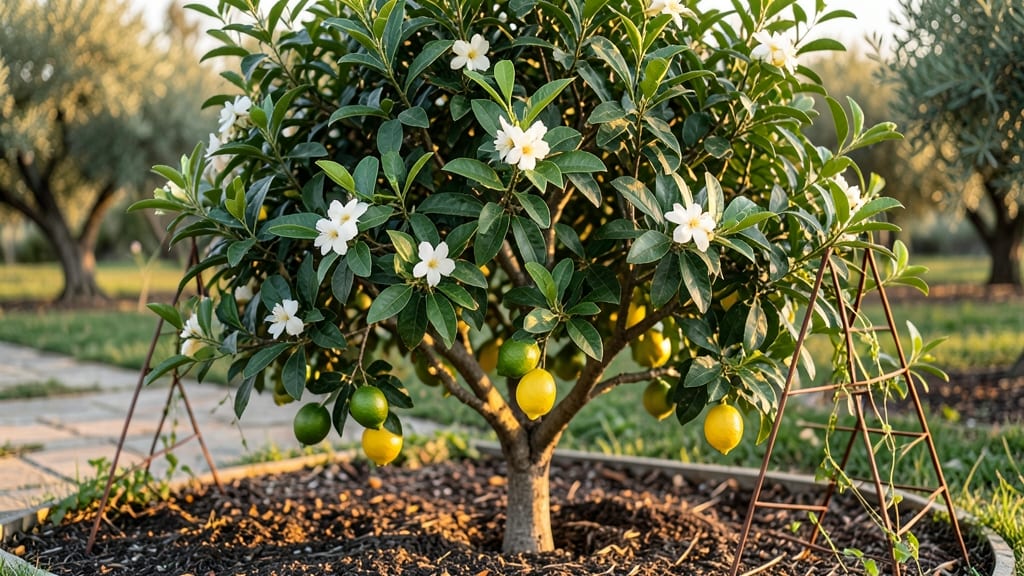
Your lemon tree’s floral stage is where magic happens—when fragrant white blossoms transform into sweet lemons, but only if you prune with purpose. 🌿 The difference between a tree heavy with fruit and one that just shows off pretty flowers comes down to timing, technique, and understanding what your tree truly needs during its bloom cycle.
Here’s the thing—most gardeners prune too late or too aggressively, and their trees either drop blossoms or produce sparse fruit. I’ve learned the hard way that floral pruning isn’t about hacking branches willy-nilly; it’s about encouraging the right kind of growth.
You’ll focus on shaping the tree in late winter, then fine-tuning in early spring to maximize bloom production, all while keeping the air filled with that intoxicating citrus scent.
By the time summer rolls around, you’ll have a tree laden with both fragrant blooms and developing fruit, not just one or the other. The key is balancing sunlight exposure, water consistency, and strategic cuts that don’t stress the tree—just enough to redirect its energy where you want it.
Think of it as giving your lemon tree a spa day: less stress, more blooms, and better fruit.
This method works year-round in warm climates, with adjustments for cooler zones where you’ll need to time your cuts around frost. Whether you’re dealing with a mature tree or a young sapling, the principles stay the same—precision over brute force.
Let’s get those branches in shape for a harvest that’ll make your neighbors green with envy.
📚 In This Guide
- What you need
- Instructions
- Tips and common mistakes
- Wrapping up and next steps
What you need
- ● Pruning shears: Bypass pruners (sharp, clean, and sterilized with rubbing alcohol to prevent disease). Quantity: 1 pair (or 2 if pruning large branches).
- ● Hand pruners: For smaller cuts (ergonomic grip for comfort). Quantity: 1 pair.
- ● Loppers: For thicker branches (½"–1.5" diameter). Quantity: 1 pair.
- ● Saw: Pruning saw or handsaw (for branches >1.5" thick). Quantity: 1.
- ● Gloves: Heavy-duty gardening gloves (cut-resistant for protection). Quantity: 1 pair.
- ● Disinfectant: Rubbing alcohol (70% isopropyl) or bleach solution (1:9 bleach-to-water).
- ○ Sealing wax: Optional but helpful for larger cuts to prevent sap oozing. Quantity: Small jar.
- ● Pruning sealant: Tree wound pruning paste (to protect cuts). Quantity: Small tube.
- ● Safety gear: Safety glasses (to protect from debris).
- ● Clean workspace: Newspaper, tarp, or drop cloth to catch clippings.
- ● Weather check: Overcast or early morning (avoid pruning in extreme heat or wet conditions).
- ● Lemon tree health: Ensure your tree is disease-free (look for pests, mold, or yellowing leaves before pruning).
- ● Plan of action: Sketch or note areas to prune (focus on dead, crossing, or overcrowded branches).
- ● 🔥 Sterilize tools before and after pruning to avoid spreading disease.
- ● 🌡️ Prune at a 45-degree angle just above a leaf node or bud for optimal regrowth.
- ● ✨ Save clippings for compost or propagation—lemon tree cuttings can root in water!
How to prune your lemon tree for continuous blooms and fragrance
Here's how I keep my lemon tree flowering year-round—no special tools needed, just sharp cuts and timing.
🌿 Step 1: Prune After Harvest to Stimulate New Growth
After you pick fruit, trim back branches that bore fruit by about one-third of their length. I look for branches that grew last season's harvest—they're thicker and often have dried blossom clusters still attached. Cut just above a leaf node where new growth will emerge.
Use clean, sharp pruning shears to avoid tearing the bark. You'll see fresh green tissue just below the cut—this is where your tree will push out new shoots. I make my cuts at a 45-degree angle to prevent water from pooling on the wound.
✂️ Step 2: Shape in Late Winter for Airflow and Light
In late February or early March, when your lemon tree is still dormant, give it a light shaping. Remove any dead, crossing, or inward-growing branches first—they compete for energy and block sunlight. I aim to create an open center that lets light reach all parts of the tree.
For thicker branches, I make my cuts just outside the branch collar (the swollen area where the branch meets the trunk). Thin branches can be cut back to their base. You'll notice how the tree's natural shape emerges—this is your guide for where to stop cutting.
☀️ Step 3: Encourage Summer Blooms with Strategic Trimming
During June and July, when temperatures are warm but not extreme, give your tree a light trim to encourage late-season blooms. Focus on branches that grew after your spring flush—these are the ones that'll respond best to summer pruning.
I cut back only about 10-15% of the branch length, just enough to remove any leggy growth. The key here is to avoid heavy pruning—your tree needs energy to produce flowers, not recover from major cuts. Watch for new leaf growth within 2-3 weeks—this tells me the pruning worked.
🌱 Step 4: Light Maintenance Pruning Year-Round
Between major pruning sessions, do quick monthly checks. Remove any suckers (shoots growing from the base or trunk) and any branches growing toward the center. I also snip off any flower clusters that appear on new growth—these won't develop fruit and sap energy from future blooms.
Keep your pruning shears clean between cuts by wiping them with rubbing alcohol. I've found that clean tools prevent disease from entering through fresh cuts. The goal is to keep your tree looking tidy while maintaining its natural shape—no drastic changes needed.
Tips & tricks for perfect lemon tree floral pruning
Took me years to figure out these little details that make all the difference between a tree that flowers sporadically and one that bursts with fragrance year-round.
The Right Time for Step 1: After harvest is the perfect window for Step 1 pruning because your tree has just finished fruiting and is ready to redirect energy into new growth. I've learned that waiting too long after picking fruit means the tree's energy is already shifting toward dormancy—cutting then won't stimulate as much regrowth. The one-third reduction is critical: it's enough to signal the tree to branch out without shocking it.
Branch Identification Secret: When selecting branches to trim in Step 1, look for the classic "T" shape where the branch meets the trunk. The thicker, more mature branches that bore fruit last season are your targets—they've already proven their productivity. I always check for dried blossom clusters as a visual cue; they're like nature's little flags saying "this branch was fruitful last year."
Summer Pruning Strategy: The light trim in June-July (Step 3) is where most people go wrong—they either skip it or do too much. Focus only on the new growth from this spring's flush, cutting back just 10-15% of the length. This subtle encouragement tells the tree "it's summer, keep blooming" without overstressing it. The 2-3 week window for new leaf growth is your confirmation that the pruning worked—if you don't see fresh leaves, you might have been too aggressive.
Tool Maintenance: This might seem obvious, but I can't stress it enough: clean tools are non-negotiable. Wiping your pruning shears with rubbing alcohol between cuts prevents introducing pathogens through fresh wounds. I keep a small bottle of alcohol right by my pruning station—it takes 10 seconds but saves your tree from potential infections that could derail all your hard work.
Pro Tips for Lemon Tree Floral
- Took me years to figure out these little details that make all the difference between a tree that flowers sporadically and one that bursts with fragrance year-round.
- The Right Time for Step 1: After harvest is the perfect window for Step 1 pruning because your tree has just finished fruiting and is ready to redirect energy into new growth.
- Branch Identification Secret: When selecting branches to trim in Step 1, look for the classic "T" shape where the branch meets the trunk.
Frequently asked questions
Got questions about keeping your lemon tree floral blooms vibrant and fragrant? Here are some of the most common ones—and their answers!
When is the best time to prune for more flowers?
The ideal time to prune for lemon tree floral blooms is late winter or early spring, just before new growth begins. This encourages healthy, fragrant flowers. Avoid heavy pruning in summer or fall, as it can stress the tree and reduce flowering. Light trimming to shape or remove dead branches can be done year-round!
How much should I cut back to encourage flowering?
For most lemon trees, prune back 1/3 of the current season’s growth to stimulate new shoots and blooms. Focus on removing crowded or crossing branches first. Avoid over-pruning—too much at once can weaken the tree. Pro tip: Use clean, sharp shears to make precise cuts just above a leaf node (growth point).
Can I prune a lemon tree in full bloom?
Light pruning (like removing spent or diseased branches) is fine during the lemon tree floral season, but avoid heavy cuts. Heavy pruning while in bloom can shock the tree and reduce fragrance. Save major shaping for dormant periods. If you must prune during flowering, do it gradually to minimize stress.
What should I do if my lemon tree isn’t flowering?
Lack of flowers could stem from nutrient deficiency, improper light, or stress. Ensure your tree gets 6+ hours of sunlight daily and fertilize with a citrus-specific blend in early spring. Overwatering or underwatering can also hinder blooms. If the issue persists, check for pests or disease, which may require targeted treatment.
Are there alternatives to pruning for better floral scent?
While pruning is key, you can also boost lemon tree floral fragrance with proper care. Water deeply but infrequently (let the top inch of soil dry out), and mulch around the base to retain moisture. A light spray of water on leaves in the morning can enhance scent. For extra fragrance, plant companion flowers like jasmine or gardenia nearby!
Wrapping up and next steps
Transforming your lemon tree into a fragrant, blooming beauty is all about precision, patience, and passion! 🌸 By mastering the art of floral pruning—whether it’s shaping for aesthetics, encouraging blooms, or maintaining health—you’ll unlock a year-round sensory delight.
Remember, every snip is a step toward a more vibrant, productive tree.
Ready to take the next step? Start small:
- Grab your pruners and inspect your tree this weekend!
- Try one technique—like selective thinning—and observe the changes.
- Join gardening communities to share your progress and tips!