
Trees
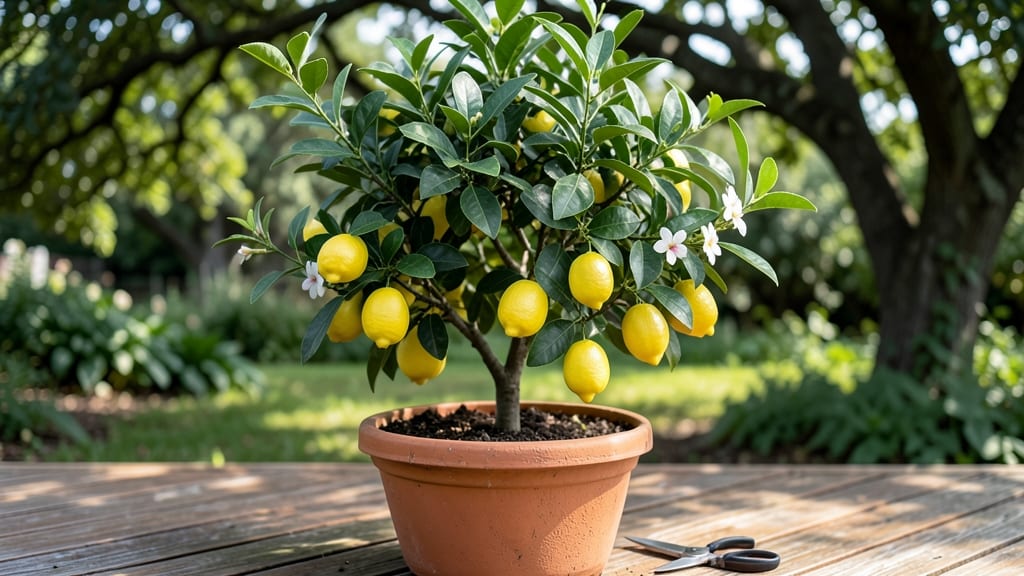
When your lemon tree's leaves start telling a story of yellowing, curling, or spots, it’s not just a cosmetic issue—it’s a cry for help from your citrus queen. 🌿 In the Pacific Northwest’s damp, cool climate, lemon trees fight an uphill battle against fungal diseases, nutrient leaching, and winter stress.
I’ve nursed more than a few back from the brink, and the key lies in reading those leaves like a weather forecast.
The first step is identifying the problem: Are the leaves yellowing from overwatering? Curling because of dry air? Or spotted from fungal pressure? Once you pinpoint the issue, the fix often boils down to adjusting water, improving drainage, or applying a targeted treatment—like copper fungicide for those pesky spots.
My trees now thrive year-round, even through our soggy winters, and the secret isn’t magic—it’s paying attention.
📚 In This Guide
- What you need
- Instructions
- Tips and common mistakes
- Wrapping up and next steps
What you need
- ● Lemon tree (Citrus × limon) – Choose a dwarf variety (e.g., 'Meyer' or 'Improved Meyer') for easier indoor/outdoor management.
- ● 10–15 gallon container – Ensure it has drainage holes (plastic, ceramic, or fabric grow bags work).
- ● Well-draining potting mix – A blend of 60% cactus/succulent mix, 30% perlite/pumice, and 10% compost (avoid heavy garden soil!).
- ● Grow lights or sunny windowsill – A full-spectrum LED grow light (12–16 hrs/day) or a south-facing window (6+ hrs of sunlight).
- ● Fertilizer – Citrus-specific fertilizer (e.g., Espoma Citrus-Tone) or a balanced 10-10-10 with micronutrients (iron, zinc).
- ○ Mulch (optional but helpful) – Straw or bark chips to retain moisture and insulate roots in winter.
- ● Insulation blanket or bubble wrap – Wrap the pot and tree (except leaves) to protect from temps below 25°F (-4°C).
- ○ Heat mat (optional) – A 100W–150W mat placed under the pot for extra warmth during cold snaps.
- ● Humidifier or pebble tray – Lemon trees love humidity! Add water to a tray with pebbles or use a humidifier near the tree.
- ● Pruning shears (sterilized with rubbing alcohol)
- ● Spray bottle (for misting leaves)
- ● pH test kit (ideal soil pH: 6.0–7.0)
- ● Thermometer (to monitor indoor/outdoor temps)
Step-by-step instructions for cultivating a hardy lemon tree in cold climates
Here’s how to keep your citrus thriving in the Pacific Northwest’s chill—no greenhouses required.
🪴 Step 1: Choose the Right Container and Soil Mix
Lemon trees hate soggy roots, so grab a 12-15 gallon container with drainage holes—larger pots stabilize temperatures better in cold snaps. I use a well-draining citrus mix (equal parts potting soil, perlite, and coarse sand) to prevent root rot. The soil should feel like a damp sponge, not a mud puddle.
Fill the pot halfway, then add a 2-inch layer of gravel at the bottom for extra drainage. This keeps roots from sitting in cold water during winter rains. Your lemon tree will thank you when spring rolls around—strong roots mean faster recovery after frost.
☀️ Step 2: Position for Maximum Sun and Winter Protection
Place your lemon tree in the sunniest spot you have—6+ hours of direct light daily is non-negotiable, even in winter. A south-facing window or a grow light on a timer (12-14 hours/day) keeps leaves vibrant. If outdoors, move the pot to a protected corner against a wall or under an overhang when temps drop below 40°F.
Real talk: I’ve seen lemon trees survive brief dips to 25°F in containers, but only if they’re dry and sheltered. Wrap the pot in bubble wrap or frost cloth for extra insulation during cold snaps. Watch for yellowing leaves—that’s your cue to move it indoors before frost hits.
💧 Step 3: Adjust Watering for Seasonal Shifts
Water only when the top 2 inches of soil feel dry—overwatering is the #1 killer of container citrus. In summer, you’ll water every 5-7 days, but in winter, cut back to every 10-14 days. Cold roots absorb water poorly, so let the soil dry more between waterings. Always use room-temperature water to avoid shocking the roots.
Here’s the thing—lemon trees go dormant in winter, so reduce feeding completely until spring. I stop fertilizing in November and resume in March. If you see dropping leaves in winter, it’s usually from overwatering or drafts. Adjust your care, not your panic.
✂️ Step 4: Prune for Shape and Cold Resilience
Prune in early spring (March) to shape the tree and remove any dead or crossing branches. Use sterilized pruning shears to make clean cuts just above a leaf node. This encourages bushier growth, which handles cold better than tall, spindly stems. Never prune in fall—new growth won’t harden off before winter.
I also thin out overcrowded leaves to improve air circulation, which prevents fungal issues. If your tree looks leggy, it’s begging for more light—move it closer to the window or add a grow light. You’ll see new, sturdy growth within 4-6 weeks of pruning.
🌿 Step 5: Overwinter Like a Pro
When nighttime temps drop below 35°F, move your lemon tree indoors near a bright, draft-free window. Avoid heat vents—consistent 60-65°F is ideal. If you’re keeping it outside, mulch the pot base with 2-3 inches of straw to insulate roots. Check soil moisture weekly—dormant trees need less water.
Watch for pests like spider mites (common indoors) and treat with neem oil if you spot webbing. In late winter (February), wipe leaves with a damp cloth to remove dust and prep for spring. You’ll know it’s working when buds start forming—that’s your reward for winter prep.
Tips & tricks for perfect lemon tree hardiness in cold climates
Between us, growing citrus in the Pacific Northwest takes some clever workarounds—but these tricks will keep your lemon tree thriving when others give up.
Container Size Matters: That 12-15 gallon pot recommendation isn't arbitrary—it's about temperature stability. Smaller pots freeze faster in cold snaps, while larger containers moderate temperature swings. If you're in a particularly chilly microclimate, consider upgrading to a 20-gallon container for extra protection.
Lighting Up the Winter Blues: When indoor light gets dim, supplement with a grow light on a timer for those critical 12-14 hours/day. I've had success with LED grow lights placed 6-12 inches above the tree—just rotate the pot weekly so all sides get even exposure. This prevents that leggy, weak growth that screams "I'm not getting enough light!"
Root Insulation Secret: The 2-inch gravel layer at the bottom isn't just for drainage—it creates an insulating barrier that prevents roots from freezing. For extra protection during hard freezes, wrap the entire pot (including gravel layer) in thick bubble wrap or frost cloth. I've seen trees survive 25°F temps with this method when they'd otherwise be toast.
Pruning Timing is Everything: That March pruning window is non-negotiable for cold climate trees. Pruning in fall removes growth that won't harden off before winter, leaving your tree vulnerable. The 4-6 week growth promise only works if you prune when the tree is actively growing—not when it's dormant. Think of it as giving your tree a fresh start when it's ready to spring forward.
Pro Tips for Leaves Of A Lemon Tree
- Between us, growing citrus in the Pacific Northwest takes some clever workarounds—but these tricks will keep your lemon tree thriving when others give up.
- Container Size Matters: That 12-15 gallon pot recommendation isn't arbitrary—it's about temperature stability.
- Lighting Up the Winter Blues: When indoor light gets dim, supplement with a grow light on a timer for those critical 12-14 hours/day.
Frequently asked questions
Got questions about keeping your lemon tree thriving in the Pacific Northwest’s chilly climate? You’re not alone! Here are some of the most common concerns—plus practical solutions—to help you grow lush, productive leaves year-round.
Can lemon trees survive winter in the PNW?
Most lemon trees (Citrus × limon) are tender perennials and won’t survive freezing temps (<32°F) without protection. However, with container growing + winterizing (like moving indoors or using frost cloth), you can extend their life. Dwarf varieties (e.g., ‘Meyer’ lemon) adapt better than standard trees.
How do I harvest leaves for tea or cooking?
Pick mature, aromatic leaves (usually 2–3 inches long) from non-flowering branches. Use clean scissors to avoid damaging the tree. For tea, steep 3–5 leaves in hot water for 5–10 minutes. Pro tip: Harvest in spring/summer when oils are most potent!
What’s the best way to protect a lemon tree from frost?
If your tree is outdoors in winter, wrap the pot in bubble wrap, cover with frost cloth, or move it to a garage/sunroom (if temps drop below 40°F). For container trees, insulate the base with straw or foam. Avoid plastic—it traps cold moisture and can rot roots.
Can I grow lemon leaves indoors all year?
Yes! Place your tree near a south-facing window (or use grow lights 12+ hours/day). Keep soil moist but well-draining, and fertilize lightly in spring/fall. Watch for pests like spider mites—mist leaves weekly to boost humidity.
What if my lemon tree’s leaves turn yellow or drop?
Yellowing leaves often signal overwatering, nutrient deficiency, or root stress. Check soil moisture (top inch should dry between waterings) and repot if roots are crowded. Lack of sunlight or sudden cold snaps can also cause leaf drop. Adjust care and monitor for improvement!
Are there PNW-friendly alternatives to lemon trees?
If lemons are too finicky, try hardier citrus relatives like kumquat (tolerates brief frost) or calamondin (dwarf, cold-resistant). For non-citrus options, lemon verbena or lemon balm (herbs) offer zesty leaves and thrive in cooler climates!
Wrapping up and next steps
From understanding the Pacific Northwest’s unique climate challenges to mastering pruning techniques and soil prep, growing a thriving lemon tree—even in cooler regions—is totally doable! 🌿 With the right leaves of a lemon tree care hacks, you’re not just nurturing a plant; you’re cultivating a year-round source of fresh lemons, fragrant foliage, and even potential medicinal benefits.
The key? Patience, consistency, and a little creativity!
Ready to take the next step? Start by planting your own lemon tree this season—or gift one to a fellow gardening enthusiast! 🌱 Whether you’re a seasoned green thumb or a curious beginner, your lemon tree will reward you with vibrant growth and delicious harvests for years to come.