
Blooming
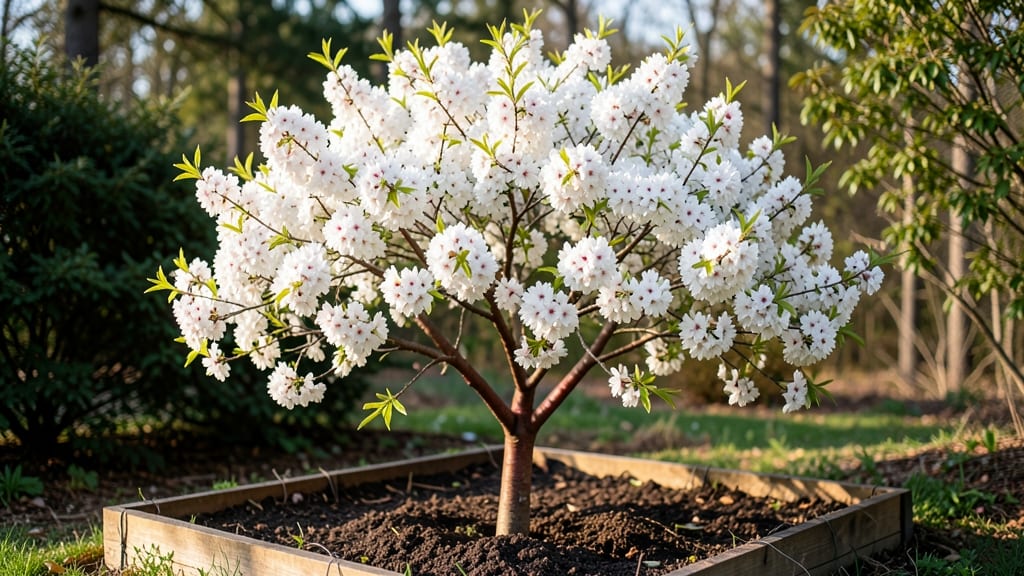
Planting a white peach blossom tree in your Pacific Northwest yard means waking up to clouds of fragrant white blooms every spring—if you give it the right conditions. 🌸 I’ve watched these trees transform bare branches into a snowy canopy, but only when planted in full sun with well-draining soil.
The secret isn’t just the spot, though; it’s the balance of water, pruning, and winter prep that keeps them thriving for decades.
This tree craves six to eight hours of sunlight daily, but it’s picky about soggy roots—amend heavy clay soil with compost before planting. Water deeply once a week after establishment, then let the top inch dry between soakings.
Prune in late winter to shape the tree and remove dead wood, but avoid heavy cuts that reduce next year’s blossoms. The Pacific Northwest’s mild winters usually spare it frost damage, but young trees benefit from a thick layer of mulch to insulate roots.
By midspring, you’ll be rewarded with three to four weeks of showstopping blooms, followed by edible (though tart) peaches if you’re patient. The fragrance alone makes it worth the effort—imagine strolling through your garden when neighbors pause to admire the display.
With proper care, these trees live for 30+ years, becoming a cherished landscape centerpiece.
Here’s where it gets interesting—this tree’s real magic happens in how you prep for winter. Pacific Northwest gardeners know frost can scorch new growth, so a light burlap wrap around young trunks in late fall prevents sunscald.
And if aphids or peach leaf curl show up? A hose blast in early spring clears most pests before they take hold. The key is staying ahead of problems before they start.
📚 In This Guide
- What you need
- Instructions
- Tips and common mistakes
- Wrapping up and next steps
What you need
- ● White peach blossom tree (Prunus persica ‘White Cascade’ or similar) – Choose a dwarf variety (6–10 ft) for containers or a standard (15–20 ft) for in-ground planting.
- ● Well-draining soil – Mix 1 part garden soil, 1 part compost, and 1 part perlite/sand for optimal drainage (PNW’s wet winters demand this!).
- ● Organic mulch (3–4 inches) – Use wood chips or straw to retain moisture and regulate soil temperature.
- ● Slow-release fertilizer (10-10-10 or 5-10-5) – Apply 2–3 times per year (spring, summer, fall) for blooms and fruit.
- ● Pruning shears (bypass, sharp, and sterilized) – For shaping and deadwood removal.
- ● Watering can or drip irrigation system – Deep watering 1–2 times per week (adjust for rain).
- ● Gloves (gardening or nitrile) – Protect your hands from thorns and sap.
- ● Soil pH tester – Aim for 6.0–7.0 (PNW soil is often acidic; amend with lime if needed).
- ● Tree stake & ties (for young trees) – Provides support in windy PNW conditions.
- ● Pest control (neem oil or horticultural oil) – Preemptive treatment for aphids or scale insects.
- ● Container (15–20 gallon) + saucer – If growing in pots (ensure drainage holes!).
- ● Sunlight – 6+ hours of full sun daily (PNW’s partial shade won’t cut it for blooms!).
- ● Space – 10–15 ft clearance from structures/walls (account for mature size).
- ● Patience – Trees take 2–3 years to bloom fully (but worth the wait! 🌸).
Step-by-Step guide for planting and caring for your white peach blossom tree
Here's how I've kept my Pacific Northwest peach blossom tree thriving through every season.
🌱 Step 1: Choose the Perfect Planting Spot
White peach blossom trees adore sunlight—aim for a location with 6-8 hours of direct sun daily. In the Pacific Northwest, this often means planting near a south-facing wall or fence to maximize warmth. I dig a hole twice as wide as the root ball but only as deep as the container's base—this prevents burying the graft union, which can weaken the tree.
Amend the native soil with 3-4 inches of compost mixed into the bottom of the hole. This improves drainage while retaining moisture, crucial for young trees. Tap the tree gently from the sides to settle soil around roots, then water deeply to eliminate air pockets. The soil should feel damp 6 inches down after watering.
☀️ Step 2: Water and Fertilize for Strong Establishment
Water your new tree deeply every 3-4 days for the first month, ensuring moisture reaches 12 inches down. You'll know it's enough when water drains from the bottom of the hole. After that, water when the top 2-3 inches of soil feel dry—this encourages deep root growth. I use a soaker hose to avoid wetting leaves, which helps prevent fungal diseases common in our damp climate.
Apply a balanced 10-10-10 fertilizer at half-strength when new leaves appear in spring. This gives your tree the nutrients it needs without overwhelming it. Repeat monthly through summer, then switch to a low-nitrogen fertilizer in fall to promote root hardening before winter. Always water before fertilizing to prevent root burn.
✂️ Step 3: Prune for Shape and Bloom Health
Prune your white peach blossom tree in late winter or early spring before buds swell. Remove any dead, crossing, or inward-growing branches first—these compete for energy and reduce air flow. I cut back about ⅓ of the previous year's growth to encourage bushier growth and more abundant blooms. Always make cuts just above an outward-facing bud to direct new growth outward.
After the first flush of blooms, thin out some of the fruit if needed—this ensures the remaining fruit grows larger and healthier. You'll know it's time when branches start sagging under the weight. Prune again lightly in summer to shape the tree and remove any suckers growing from the base. Sterilize your pruners with rubbing alcohol between cuts to prevent disease spread.
🪴 Step 4: Protect Through Pacific Northwest Seasons
In winter, mulch around your tree with 3-4 inches of organic mulch, keeping it 6 inches away from the trunk. This insulates roots from freezing temperatures while allowing moisture to penetrate. I also wrap the trunk with tree wrap to protect against winter sunscald, which can damage bark in our fluctuating PNW winters. Remove the wrap in early spring once new growth appears.
Watch for signs of stress—yellowing leaves often mean overwatering, while brown edges signal underwatering or windburn. If you notice aphids or other pests, spray with a mix of water and mild dish soap (1 tablespoon per gallon) to protect the delicate blossoms. The tree's natural resilience means it rarely needs heavy intervention, but these small steps keep it thriving year after year.
Tips & tricks for perfect white peach blossom tree care
Took me years to figure out these PNW-specific tricks that make all the difference with your peach blossom tree.
Sunlight Strategy: In Step 1, when choosing your planting spot, remember that PNW mornings can be foggy. Position your tree where it gets full sun from late morning through afternoon—this is when the light intensity is strongest. If planting near a fence, make sure it's not a north-facing one, as that can block too much sunlight during the critical afternoon hours.
Soil Preparation Insight: The 3-4 inches of compost in Step 1 should be well-aged, not fresh. Fresh compost can burn young roots with its high nitrogen content. I like to mix in a handful of mycorrhizal fungi granules with the compost—this helps establish a beneficial root network right from the start, especially important in our dense PNW soils.
Watering Technique: For the deep watering in Step 2, I've found using a garden trowel to create small trenches around the root zone helps water penetrate deeper. After watering, let the soil settle for 10 minutes before checking moisture—this gives water time to fully absorb rather than just pooling on the surface. The soil should stay moist 6 inches down, not just at the surface.
Pruning Precision: When you're cutting back that ⅓ of last year's growth in Step 3, look for branches that form a natural vase shape. These will support more blossoms. I always make my cuts at a 45-degree angle just above an outward-facing bud—this creates a natural shield from rain and directs new growth in the right direction. Sterilizing your pruners between cuts is especially important in our damp climate.
Pro Tips for White Peach Blossom Tree
- Took me years to figure out these PNW-specific tricks that make all the difference with your peach blossom tree.
- Sunlight Strategy: In Step 1, when choosing your planting spot, remember that PNW mornings can be foggy.
- Soil Preparation Insight: The 3-4 inches of compost in Step 1 should be well-aged, not fresh.
Frequently asked questions
Got questions about keeping your white peach blossom tree thriving in the Pacific Northwest? You’re not alone! Here are some of the most common concerns—plus expert-backed answers to help you nurture this stunning tree year-round.
When is the best time to plant a white peach blossom tree in the PNW?
Plant your tree in early spring (March–April) or fall (September–October). The PNW’s mild winters mean fall planting gives roots time to establish before frost, while spring avoids winter stress. Avoid planting in summer heat or winter—both can shock delicate roots. Pro tip: Choose a cloudy day to reduce transplant shock!
How cold can a white peach blossom tree tolerate?
Most varieties handle down to 10°F (-12°C), but young trees or extreme cold snaps (below 0°F/-18°C) may need winter protection—like burlap wraps or mulch. In the PNW, focus on sheltering from wind and ensuring consistent moisture before dormancy. Prune damaged branches in late winter to encourage new growth. Watch for: Brown buds = frost damage; trim them off to avoid energy loss.
Why aren’t my white peach blossoms blooming?
Blooming depends on chill hours (300–800, typical for PNW winters) and proper care. If your tree skips blooms, check for:
- Enough sunlight (6+ hours/day)
- Balanced fertilizer (low-nitrogen in winter)
- Pruning timing (after blooming, never in late summer)
What pests or diseases should I watch for in the PNW?
The PNW’s damp climate can attract aphids, peach leaf curl, or borers. Prevent pests:
- Inspect leaves regularly for holes or sticky residue (aphids).
- Apply neem oil early spring/fall as a preventative.
- Avoid overhead watering to reduce fungal risks like leaf curl.
Can I grow a white peach blossom tree in a container?
Yes! Dwarf varieties (like ‘Bonanza’) thrive in large pots (15+ gallons) with well-draining soil and regular watering. Move containers to partial shade in summer to prevent heat stress. Winter care: Bring pots indoors or wrap them in bubble wrap if temps drop below 20°F (-7°C). Remember: Container trees need more frequent fertilizing (every 4–6 weeks in growing season).
Wrapping up and next steps
The white peach blossom tree is a stunning addition to any Pacific Northwest garden, offering delicate beauty and year-round charm with the right care.
From pruning in late winter to protecting against frost and pests, these steps ensure your tree thrives for seasons to come—so you can enjoy its fragrant blooms and lush foliage for years. 🌸
Now that you’re armed with expert tips, why not plant one this spring? Start by choosing a sunny spot, gather your tools, and give your future tree the love it deserves. Happy gardening—your future blossoms will thank you! 🌱