
Planting
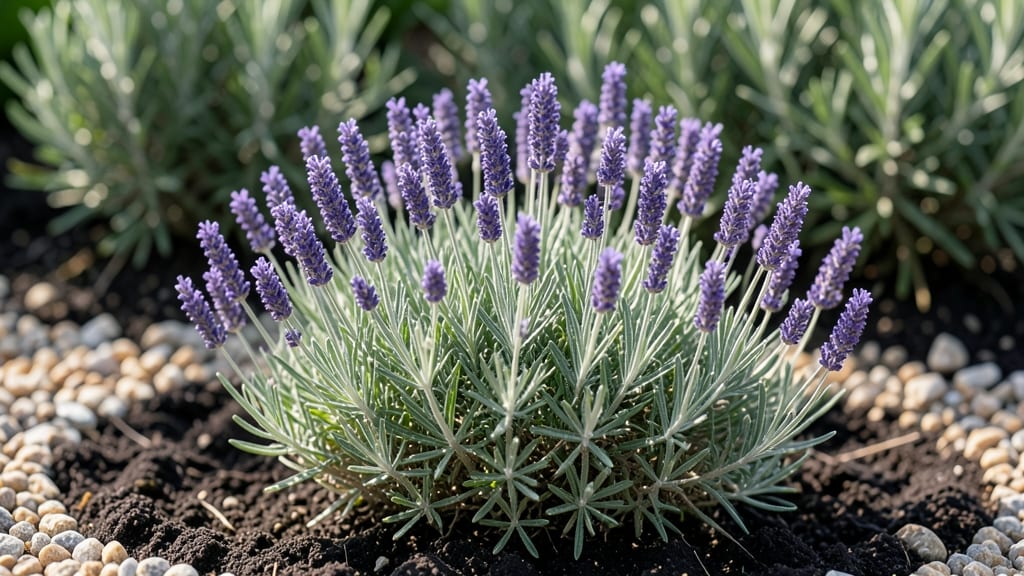
Planting a lavender tree transforms your yard into a fragrant, evergreen showstopper that thrives where other plants struggle. 🌿 I’ve pruned mine into a small tree shape—it’s stunning in summer, drought-proof, and smells like a Provençal vacation.
The key isn’t just the planting; it’s the ongoing care that keeps it lush and woody.
You’ll need full sun (at least 6 hours daily), well-draining soil, and a spot with good airflow to prevent disease. Most nurseries sell lavender as shrubs, but with strategic pruning—cutting back hard in early spring—you can shape it into a tree form with a single trunk and layered branches.
Start with a healthy 1-gallon plant for best results.
Within a year, you’ll have a fragrant evergreen that repels pests, attracts pollinators, and stays vibrant through droughts. The silvery foliage contrasts beautifully with blooming flowers, and the scent lingers on your hands for hours. Prune lightly after flowering to maintain shape, and avoid overwatering—lavender hates soggy roots.
This plant works in borders, containers, or as a standalone specimen. In colder zones, protect young plants with mulch in winter. Once established, lavender trees need almost no maintenance—just sun, occasional trimming, and a little appreciation for their resilience.
📚 In This Guide
- What you need
- Instructions
- Tips and common mistakes
- Wrapping up and next steps
What you need
- ● Lavender tree plant (e.g., Lavandula angustifolia or Lavandula x intermedia—choose a dwarf variety for containers).
- ● Well-draining potting mix (6-8 quarts) – Mix with perlite or coarse sand (1:1 ratio) for optimal drainage.
- ● Planting container (12-18 inches deep, with drainage holes) OR a sunny garden bed (6+ feet apart for spacing).
- ● Organic fertilizer (balanced 10-10-10 or slow-release lavender-specific formula).
- ● Pruning shears (sharp, sterilized).
- ● Watering can or hose with a gentle nozzle (lavender hates soggy roots!).
- ● Garden gloves (to protect your hands from prickly stems).
- ● Trowel or spade (for digging holes).
- ● Mulch (gravel or pebbles) – Helps retain heat and prevent soil compaction.
- ● Sunlight meter or app (to track 6+ hours of direct sun daily).
- ● Lavender companion plants (e.g., rosemary, thyme, or ornamental grasses for a fragrant garden).
Step-by-Step guide for planting and cultivating lavender trees
Here's how to establish fragrant evergreen lavender trees that thrive for years.
🌱 Step 1: Select and Prepare the Planting Site
Choose a location with full sun exposure (6+ hours daily) and well-draining soil—lavender trees despise soggy roots. The ideal spot mimics their Mediterranean origins: hot, dry, and open. Test your soil by digging a 6-inch hole—if water pools instead of draining within 10 minutes, amend with 3 inches of coarse sand or gravel mixed into the native soil.
Here's the thing—lavender trees hate competition. Space each plant 8-10 feet apart to allow airflow and prevent fungal diseases. If planting in containers, select 10-12 inch pots with drainage holes and fill with a 50/50 blend of potting mix and perlite. I always add a handful of slow-release fertilizer to the bottom layer for the first season—this prevents root burn from over-fertilizing later.
🪴 Step 2: Plant with Proper Technique
Dig a hole twice as wide as the root ball but no deeper—lavender trees prefer to sit at the same soil level they grew in previously. Gently loosen the roots if they're circling the root ball (this encourages outward growth). Place the plant in the hole and backfill with native soil, pressing lightly to eliminate air pockets.
Don't skip the mulch—apply 2 inches of gravel or coarse bark around the base, keeping it 3 inches away from the trunk. Organic mulch like wood chips will smother the roots and trap moisture. Water deeply immediately after planting to settle the soil, then let it dry completely before watering again. Overwatering now will drown the roots before they establish.
☀️ Step 3: Establish Watering and Light Routines
Lavender trees are drought-tolerant once established, but young plants need consistent moisture. Water once a week during the first growing season, providing 1 gallon per plant each time. You'll know it's enough when water drains through the soil 12 inches deep—stick your finger down to check. After the first year, reduce watering to every 2-3 weeks unless your region experiences extreme heat.
Move plants to their permanent location after 4-6 weeks if they started indoors. Harden off gradually by exposing them to outdoor conditions for 1-2 hours daily, increasing time by 30 minutes each week. Watch for leggy growth—this signals insufficient light. If stems stretch toward the sun, relocate the plant to a sunnier spot immediately or supplement with a grow light for 4-6 hours daily during cloudy periods.
✂️ Step 4: Prune for Shape and Health
Prune lavender trees immediately after flowering to maintain shape and encourage bushiness. Use clean, sharp shears to trim back one-third of the current year's growth, cutting just above a set of leaves. Never prune into old wood—this kills the plant. Shape the tree by removing any crossing or dead branches first, then lightly trim the outer growth to create a natural, rounded form.
I know it seems counterintuitive, but never prune lavender trees in fall or winter. Pruning stimulates new growth that won't harden off before cold weather, leaving the plant vulnerable to frost damage. If you notice yellowing leaves, it's usually a sign of overwatering—reduce frequency immediately and check that drainage isn't blocked.
Tips & tricks for perfect lavender tree planting
Common pitfalls—and how to sidestep every one—to ensure your fragrant evergreen thrives for seasons.
Soil Test Trick: That 10-minute drainage test in Step 1 is non-negotiable. If water lingers, mix in 3 inches of coarse sand or gravel—this mimics Mediterranean conditions where lavender evolved. I've seen soggy soil kill plants within weeks, but proper drainage creates the foundation for long-term success. For container plants, ensure those 10-12 inch pots have drainage holes larger than the root ball diameter.
Root Ball Rescue: When planting, if roots are circling the root ball in Step 2, gently tease them apart with your fingers. This encourages outward growth rather than girdling. I learned this the hard way after watching a lavender tree struggle for years with roots bound in a tight circle—now I always check this before planting. The wider the root spread, the more stable and drought-resistant your plant will be.
Watering Wisdom: The 1 gallon per week rule in Step 3 applies only to the first year. After that, lavender trees become drought-tolerant, but young plants need consistent moisture. Use your finger to check soil moisture—if the top 2 inches are dry, it's time to water. Overwatering is the #1 killer of young lavender, so always let the soil dry completely between waterings.
Pruning Precision: When trimming back one-third of the current year's growth in Step 4, focus on the outermost stems first. This creates airflow and prevents fungal diseases. I always prune right after flowering because the plant's energy is already shifting from blooms to new growth—this timing minimizes stress. And remember: never cut into old wood, as lavender trees won't regrow from those stems.
Pro Tips for Lavender Tree Plant
- Common pitfalls—and how to sidestep every one—to ensure your fragrant evergreen thrives for seasons.
- Soil Test Trick: That 10-minute drainage test in Step 1 is non-negotiable.
- Root Ball Rescue: When planting, if roots are circling the root ball in Step 2, gently tease them apart with your fingers.
Frequently asked questions
Got questions about growing your own lavender tree plant? You’re not alone! Here are some of the most common queries—plus straightforward answers to help you cultivate a thriving, fragrant evergreen with confidence.
How long does it take for a lavender tree plant to grow to full size?
A lavender tree (like Lavandula angustifolia or Lavandula x intermedia) typically reaches its mature height of 3–6 feet within 2–3 years with proper care. Pruning annually in late spring encourages bushier growth and prevents legginess. Patience pays off—full fragrance and blooms peak after the second year!
Can lavender trees survive winter in cold climates?
Most lavender trees thrive in USDA Zones 5–9, but they’re semi-evergreen and may drop leaves in harsh winters. To protect yours, mulch the base with 3–4 inches of gravel or wood chips (never organic mulch—it retains moisture). In Zone 4 or below, grow lavender in containers and move it indoors or to a sheltered spot during freezes.
Why are my lavender tree leaves turning yellow or brown?
Yellowing leaves often signal overwatering—lavender hates soggy roots! Brown, crispy tips? It’s likely underwatering or high heat stress. Check your soil: it should dry out completely between waterings. Adjust your care—water deeply but infrequently (every 1–2 weeks in summer) and ensure well-draining soil.
What’s the best alternative if I can’t grow a lavender tree?
If your climate is too cold or wet, try these fragrant, low-maintenance alternatives:
- Rosemary (drought-tolerant, aromatic leaves)
- Russian Sage (perennial, purple blooms, Zone 4+)
- Dwarf Lavender (Lavandula stoechas) (hardier, compact, great for pots)
- Thyme (ground cover, edible, deer-resistant)
When is the ideal time to prune a lavender tree plant?
Prune your lavender tree once a year in late spring (after new growth appears but before summer heat). Use clean, sharp shears to trim back 1/3 of the plant, shaping it into a rounded form. Avoid pruning in fall or winter—it reduces hardiness. Never cut into old wood (the woody stems), as lavender struggles to regrow from there.
Wrapping up and next steps
Growing a lavender tree plant is a rewarding way to bring fragrant beauty and low-maintenance charm to your garden! 🌿 With the right sunny spot, well-draining soil, and a little patience, you’ll enjoy its stunning blooms and soothing scent for years.
Whether you’re a beginner or a seasoned gardener, this fragrant evergreen is a fantastic addition to any outdoor space.
Ready to get started? Pick your favorite lavender variety, gather your supplies, and plant with confidence—your garden (and senses!) will thank you. Happy planting! 🌸