
Pruning
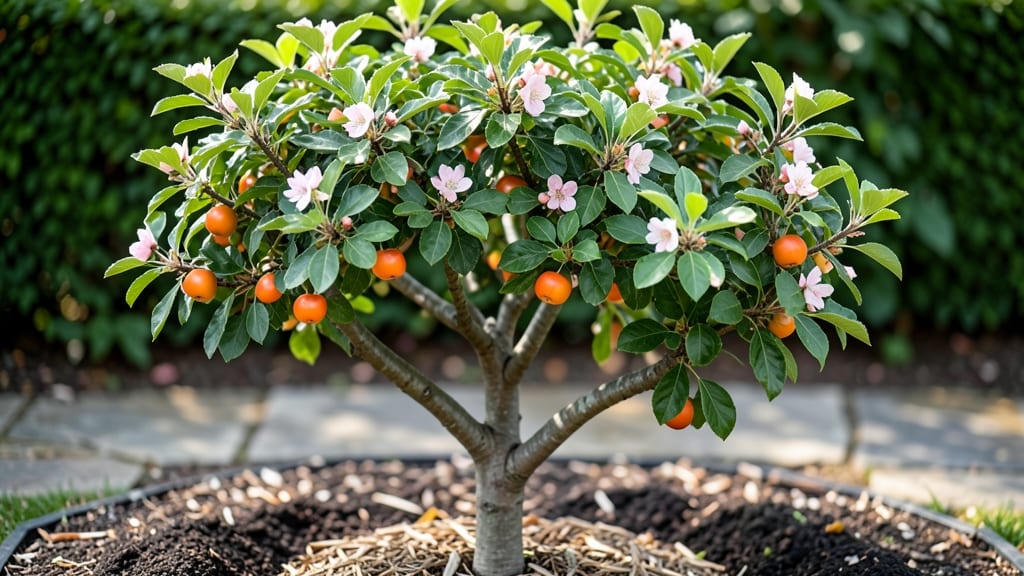
A Japanese crabapple tree transforms any Pacific Northwest garden into a year-round showstopper—its delicate spring blossoms, fiery fall foliage, and compact form make it the perfect anchor for small spaces.
I planted mine near the front walkway, and now it’s the first thing visitors notice, even when it’s bare in winter. The way its branches arch creates natural shade while letting light filter through, turning any spot into a cozy corner. 🌿
This tree thrives in urban settings, urban gardens, and mixed borders, pairing beautifully with evergreens like rhododendrons or boxwoods for structure. Underplant with spring bulbs like daffodils or perennials like hellebores to extend the seasonal interest.
The key is its frost resilience—it handles our wet winters without fuss, and its small size (15–25 feet) fits tight spots where larger trees wouldn’t. Maintenance is minimal: just a light pruning after flowering to keep its shape clean and open.
Imagine waking to pink blossoms in April, then crisp red leaves in October, all while hummingbirds flit through the branches. This isn’t just a tree—it’s a four-season conversation piece that works in city yards, cottage gardens, or as a standalone specimen.
The best part? It stays manageable even as it matures, so you’ll never outgrow its charm. Let’s talk placement and pairings next!
For urban gardeners, consider planting near a patio or deck where you can enjoy its fragrance up close. In larger gardens, use it as a focal point at the edge of a lawn or near a water feature—its reflection adds unexpected elegance.
And if you’re worried about pests, don’t be: Japanese crabapples are tougher than they look, resisting most diseases that plague other fruit trees. The only real challenge is resisting the urge to prune too aggressively—less is more with these stunners.
📚 In This Guide
- What you need
- Instructions
- Tips and common mistakes
- Wrapping up and next steps
What you need
- ● Pruning shears: Bypass pruners (sharp, 6–8" blade) for small branches (¼" diameter)
- ● Loppers: 8–10" bypass loppers for medium branches (½–1½" diameter)
- ● Pruning saw: Curved-tooth saw for thick branches (1½" and up)
- ● Extension pole: 6–10 ft telescoping pole (for high branches)
- ● Gloves: Heavy-duty, cut-resistant gloves (protects from thorns)
- ● Disinfectant: 70% isopropyl alcohol or bleach solution (1 part bleach:9 parts water) for tool sterilization
- ○ Pruning sealant: Optional but recommended for large cuts (>½") to prevent disease
- ● Safety gear: Goggles (to shield from debris) and sturdy shoes
- ● Weather: Choose a dry, calm day (avoid pruning when branches are wet or frozen)
- ● Timing: Late winter or early spring (dormant season) for best results
- ● Tree assessment: Map out branches to remove (dead, crossing, or overcrowded)
- ● Cleanup supplies: Heavy-duty trash bags (for debris) and a rake
- ● Ladder: Sturdy, extendable ladder (for hard-to-reach areas)
- ● Tree paint: Pruning paint (for sealing cuts on older trees)
- ● Camera: Smartphone or instant camera to document before/after progress
Step-by-Step guide for planting a frost-resilient Japanese crabapple canopy
Here's how to establish a sturdy, long-lived Japanese crabapple that thrives in Pacific Northwest winters.
🌱 Step 1: Select and Prepare the Planting Site
Japanese crabapples need full sun—at least 6 hours of direct light daily—but tolerate partial shade in hotter microclimates. In the Pacific Northwest, choose a spot with well-draining soil and elevation to avoid winter waterlogging. I always test drainage by digging a 12-inch hole, filling it with water, and waiting to see if it drains within 30 minutes. Slow drainage means amending with 2-3 inches of compost or planting on a slight mound.
This tree's roots are shallow but extensive, so avoid areas with compacted soil or surface roots from nearby trees. The canopy will reach 15-25 feet wide, so maintain 15 feet of clearance from structures, sidewalks, or other plants. Mark the planting zone with stakes to visualize the mature spread before digging.
🪴 Step 2: Dig the Hole and Amend the Soil
Dig a hole twice as wide as the root ball but no deeper—planting too deep suffocates roots and causes stress. The top of the root ball should sit 1-2 inches above ground level to prevent water pooling at the base. In heavy clay soils common to the PNW, I mix the excavated soil with 5 gallons of compost and 2 cups of bone meal (for phosphorus) to encourage strong root development.
Loosen the roots gently if they're circling the root ball—this prevents girdling as the tree matures. Place the tree in the hole and backfill with the amended soil, tamping lightly every 4 inches to eliminate air pockets. Water deeply to settle the soil around the roots, then add a 2-inch layer of mulch (but keep it 6 inches away from the trunk to avoid rot).
☀️ Step 3: Stake and Water for Initial Establishment
Japanese crabapples have moderate wind resistance, but young trees benefit from temporary staking in exposed sites. Use two stakes driven 6 inches from the trunk at opposite sides, angled outward. Attach flexible tree ties (not wire) to the trunk and stakes, leaving room for trunk growth. Remove stakes after 1-2 years to avoid girdling.
Water deeply once a week during the first growing season, aiming for 1-2 gallons per week (more in summer heat). The soil should be moist but not soggy—stick your finger 2 inches down to check. Overwatering in winter can lead to root rot, so reduce watering to once every 2-3 weeks in dormant seasons. Fertilize lightly with ½ cup of 10-10-10 fertilizer in early spring, but avoid heavy feeding—these trees thrive on balanced native soil.
✂️ Step 4: Prune for Structure and Winter Hardiness
Prune in late winter (February-March) before buds swell, removing dead, crossing, or inward-growing branches first. Japanese crabapples develop natural branching, so avoid heavy pruning—focus on opening the canopy for light penetration. Cut back 1/3 of last year's growth on vigorous shoots to encourage bushiness. Always use clean, sharp pruners and seal larger cuts with pruning sealant to prevent disease entry.
Watch for silver leaf disease (a fungal issue common in PNW crabapples)—look for silvery undersides on leaves or black streaks in the wood. Remove infected branches immediately and sterilize tools with 70% rubbing alcohol. In fall, rake up fallen leaves to reduce overwintering pests. The tree’s frost resistance comes from its dormant buds, so avoid late-season pruning that stimulates new growth vulnerable to cold snaps.
Tips & tricks for perfect Japanese crabapple canopy planting
These pro insights will help you establish a thriving crabapple that outlasts Pacific Northwest winters with minimal fuss.
Site Selection Secret: That 6-hour sun requirement is non-negotiable for winter survival, but here's the thing—east-facing sites get morning sun without afternoon heat stress. I've planted mine on gentle slopes where cold air drains away naturally, preventing frost pockets that can damage young trees. The 30-minute drainage test is your best friend: if water lingers, amend with compost or create a raised bed—this prevents root suffocation during our wet winters.
Root Ball Rescue: When you're loosening those circling roots in Step 2, don't just pull them apart—make clean, diagonal cuts with a sharp knife to prevent tearing. The goal is to create a root flare where the trunk meets the soil, which improves water runoff. Pro tip: if your tree comes in a container, score the bottom of the root ball with a utility knife before planting to encourage root expansion into the surrounding soil.
Staking Strategy: Those two stakes should be positioned at a 45-degree angle from the trunk, not parallel. This creates a natural triangle of support that mimics wind patterns. I always use soft tree ties that can be adjusted as the trunk grows—no wire, ever. And here's what nobody tells you: if your site gets particularly windy, consider a third stake on the downwind side for the first year. The 1-2 year stake removal window is flexible—watch for trunk movement when you tug gently.
Pruning Precision: When you're cutting back that 1/3 of last year's growth in Step 4, make your cuts just above a bud that faces outward. This creates an open canopy that prevents snow accumulation and improves airflow—both critical for winter survival. For larger branches, use the three-cut method: undercut first, then make your main cut, and finally clean up the stub. The pruning sealant isn't just for looks—it prevents silver leaf disease from entering through fresh wounds.
Pro Tips for Japanese Crabapple Tree
- These pro insights will help you establish a thriving crabapple that outlasts Pacific Northwest winters with minimal fuss.
- Site Selection Secret: That 6-hour sun requirement is non-negotiable for winter survival, but here's the thing—east-facing sites get morning sun without afternoon heat stress.
- Root Ball Rescue: When you're loosening those circling roots in Step 2, don't just pull them apart—make clean, diagonal cuts with a sharp knife to prevent tearing.
Frequently asked questions
Got questions about caring for your Japanese crabapple tree? You’re not alone! Here are answers to the most common queries—from pruning tips to seasonal concerns—to keep your tree thriving in the Pacific Northwest’s frosty climate.
When is the best time to prune a Japanese crabapple tree?
Prune your Japanese crabapple in late winter or early spring (February–March), just before buds swell but before new growth starts. This timing promotes healthy blooms and minimizes disease risk. Avoid pruning in fall, as late cuts can leave wounds vulnerable to frost and pests.
How cold-hardy is this tree, and does it need winter protection?
Japanese crabapples are highly frost-resistant (USDA Zones 4–8), making them ideal for the PNW. However, young trees or those in exposed areas may benefit from a light mulch layer (3–4 inches) around the base to insulate roots. No need for wraps—just let nature do the work!
Why aren’t my Japanese crabapple flowers blooming this year?
Bloom delays can stem from over-pruning, poor nutrition, or stress (like drought or transplant shock). Ensure your tree gets well-draining soil and balanced fertilizer in early spring. If issues persist, check for aphids or fungal spots—common culprits in damp PNW climates.
Can I grow a Japanese crabapple in a container, or does it need to be planted in the ground?
While possible in large containers (20+ gallons), Japanese crabapples thrive best in the ground due to their spreading roots and mature size (15–25 ft). If container-grown, use fast-draining mix and repot every 2–3 years. Note: Container trees may bloom less abundantly.
How do I fix “water sprouts” or messy growth after pruning?
Water sprouts (vertical shoots) are the tree’s way of compensating for cuts. To manage them:
- Prune out 90% of the sprout at its base in early spring.
- Thin crowded branches to improve airflow and sunlight.
- Avoid “heading back” (cutting mid-shoot)—this encourages more sprouts!
What’s a good alternative if I want a low-maintenance crabapple?
Consider the ‘Adams’ crabapple (disease-resistant) or ‘Royal Raindrops’ (compact, great for small yards). Both require minimal pruning and handle PNW winters like pros. For edible crabapples, try the ‘Dolgo’ variety—its fruit is tart but perfect for jellies!
Wrapping up and next steps
The Japanese crabapple tree is a stunning, frost-resistant gem that brings year-round beauty to Pacific Northwest gardens—from delicate spring blooms to fiery autumn foliage. With the right pruning techniques, you’ll ensure its health, shape, and longevity while minimizing pests and disease.
Now that you’re equipped with the tools, timing, and tips, it’s time to roll up your sleeves and give your tree the care it deserves!
Ready to transform your outdoor space? Start with a single branch this season—your Japanese crabapple will thank you with vibrant growth and dazzling displays for years to come. 🌿✨