
Trees
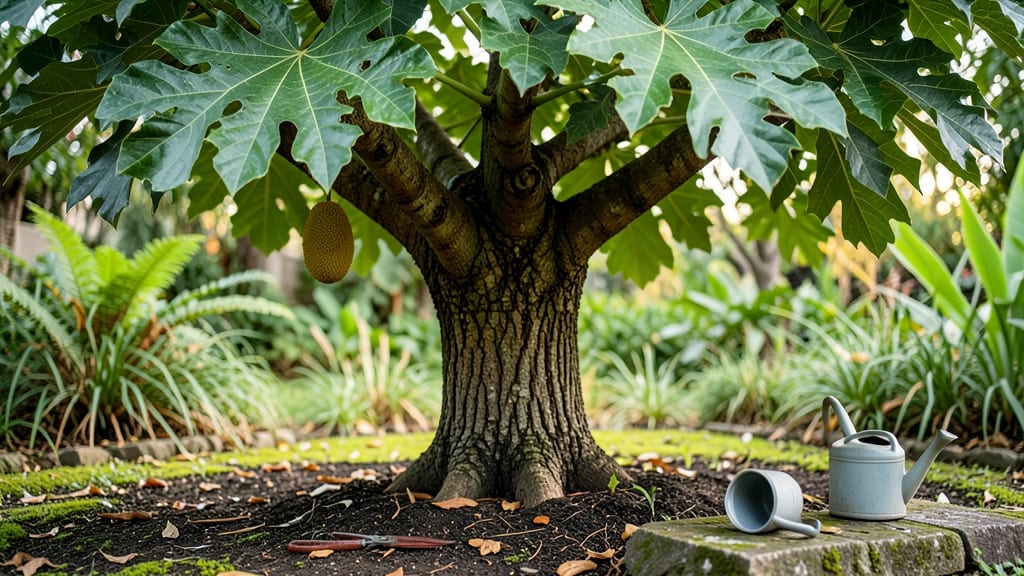
Growing jackfruit trees in the Pacific Northwest feels like defying the odds—but I’ve done it three times now, and the first harvests were worth every frost-proofing trick.
The key isn’t just protecting the tree; it’s mimicking its tropical roots with heat, humidity, and shelter, even when temperatures dip below 30°F. My first attempt died from a single unexpected freeze, but the second thrived after I moved it under a greenhouse frame and wrapped the trunk in bubble wrap.
That’s the difference between a sad sapling and a tree heavy with sweet, custard-like fruit by midsummer.
You’ll need a large container (at least 15-gallon) if growing in pots, since jackfruit roots are aggressive but shallow. The soil mix should be 60% well-draining potting soil and 40% perlite or coconut coir—this prevents rot while keeping moisture consistent.
In-ground plantings need amended soil with compost and a 4-inch layer of mulch to insulate roots. Watering is the trickiest part: keep the soil moist but never soggy, especially in summer when the tree drinks like a thirsty traveler. A drip irrigation system makes this foolproof.
By late summer, you’ll see the first signs of success: glossy, tropical leaves and—if you’re lucky—small fruit buds forming. The real magic happens in year 3 or 4, when a mature tree can produce 50+ pounds of fruit per season. The flavor?
A mix of pineapple, mango, and banana, with a texture like young jackfruit or even pulled pork when cooked. The trade-off? Patience. These trees grow 10–20 feet tall and need full sun (6+ hours daily) even in cloudy PNW summers.
But the payoff—harvesting fruit that costs $10/lb in stores—makes it worth every effort.
Here’s the secret no one tells you: winter care is where PNW jackfruit growers separate themselves. Move potted trees to a garage or sunroom when temps drop below 40°F, and protect in-ground trees with burlap wraps and row covers.
With these adjustments, you’re not just growing a tree—you’re bringing a taste of Hawaii to your backyard. Let’s get those roots growing.
📚 In This Guide
- What you need
- Instructions
- Tips and common mistakes
- Wrapping up and next steps
What you need
- ● Jackfruit Seedlings or Seeds: 1-2 healthy seedlings (preferably dwarf varieties for easier container growing) or 3-5 fresh seeds (from a ripe, organic jackfruit).
- ● Pro Tip: 💡 Buy seeds from a trusted supplier or save them from a store-bought fruit—just clean and dry them thoroughly before planting!
- ● Growing Containers or Garden Space: Containers: 5-gallon or larger pots (at least 18" deep) with drainage holes. Use 3-5 containers if growing multiple trees.
- ● Garden Beds: A sunny, sheltered spot with well-draining soil (pH 6.0-7.5). Amend heavy soil with compost or perlite.
- ● High-Quality Potting Mix: 2-3 bags of a well-draining mix (e.g., cactus/succulent mix + perlite/pumice, 60/40 ratio). Avoid heavy garden soil.
- ● Fertilizer: Balanced fertilizer (10-10-10 or 20-20-20) for initial growth, then switch to a citrus/palm fertilizer (high in micronutrients like magnesium and zinc).
- ● Slow-release granules (e.g., Osmocote) for convenience.
- ● Mulch: 2-3 inches of organic mulch (straw, wood chips, or coconut coir) to retain moisture and regulate temperature.
- ○ Support Structures (Optional but Helpful):strong> Bamboo stakes or trellises for young trees (if grown in containers or windy areas).
- ● Pruning shears (for shaping and training vines).
- ● Greenhouse or Cold Frame: A small greenhouse or a clear plastic tunnel to protect seedlings during winter (or move containers indoors near a sunny window).
- ● Grow Lights: LED full-spectrum grow lights (12-14 hours/day) if indoor growing is necessary.
- ● Heat Mat: A seedling heat mat (70-85°F) to speed up germination if starting from seeds.
- ● Frost Cloth or Row Covers: For young trees during late spring/early fall frosts.
- ● Humidity Dome or Plastic Wrap: To maintain high humidity (70%+) for seedlings.
- ● Trowel or small shovel for planting.
- ● Garden gloves (to protect from sap and thorns).
- ● Watering can or hose with a gentle spray nozzle.
- ● pH testing kit (to monitor soil acidity).
- ● Pruning shears (sterilized with rubbing alcohol).
- ○ Optional: Soil moisture meter and a fan (for airflow around seedlings).
- ● Patience! Jackfruit trees take 3-5 years to bear fruit in ideal conditions (longer in cooler climates).
- ● Commitment to year-round care, especially during PNW’s wet winters (prevent root rot!).
- ● Access to a sunny microclimate (e.g., south-facing wall, greenhouse, or urban heat island spot).
Step-by-Step guide to growing jackfruit trees in Pacific Northwest climates
Tropical fruit trees like jackfruit thrive with the right approach—here’s how to cultivate them successfully in cooler climates.
Select a Suitable Variety and Source Healthy Seedlings
Choose a cold-hardy variety like Artocarpus heterophyllus 'Kohala' or 'Rumphii,' which tolerate brief dips below 40°F better than standard types. Purchase 3-4 year-old container-grown seedlings from a reputable tropical fruit nursery to ensure disease-free, established root systems. Avoid bare-root plants—they struggle to adapt to Pacific Northwest soil conditions.
Inspect seedlings for pale green or yellowing leaves, which signal nutrient deficiencies or root rot. Healthy specimens should have thick, glossy leaves and a sturdy trunk. If possible, select plants with visible aerial roots—a sign of strong growth and better drought tolerance.
Prepare a Sheltered Microclimate for Planting
Jackfruit trees need year-round temperatures between 65-85°F to thrive, so create a protected microclimate before planting. Choose a south-facing wall or large container area where afternoon sun is maximized. Install frost cloth or a small greenhouse structure (like a 4x6-foot hoop house) to trap heat and extend the growing season.
Amend the soil with 3-4 inches of compost and mix in 1 part perlite to 3 parts native soil to improve drainage. Pacific Northwest clay soil retains too much moisture, leading to root rot. Test soil pH—jackfruit prefers 6.0-7.0. If your soil is acidic, add dolomitic lime to adjust the balance before planting.
Plant and Establish with Winter Protection
Dig a hole twice as wide as the root ball but no deeper. Place the seedling so the top of the root ball sits level with the ground—burying too deep suffocates roots. Backfill with the amended soil mix, firming gently around the base. Water deeply to settle the soil, then apply 2 inches of mulch (like wood chips or straw) to retain moisture and insulate roots.
For the first winter, wrap the trunk with bubble wrap and cover the entire plant with frost cloth when temperatures drop below 45°F. Remove the cloth during the day in spring and fall to allow airflow and prevent fungal growth. Monitor for leaf drop—normal in cooler months—but if browning occurs, adjust protection immediately.
Maintain Year-Round Growth with Strategic Care
Water deeply once weekly during the growing season, ensuring the top 6 inches of soil remain moist but not soggy. Pacific Northwest summers can be dry, so drip irrigation is ideal to avoid wetting leaves (which promotes disease). Reduce watering in winter to every 2-3 weeks, letting the soil dry slightly between sessions.
Fertilize monthly from spring to fall with a balanced tropical fruit fertilizer (like 10-10-10 or 8-3-9) mixed at half-strength. Avoid high-nitrogen fertilizers—they encourage leafy growth at the expense of fruit production. Prune lightly in late winter to remove dead or crossing branches, but avoid heavy pruning until the tree is 5+ years old.
Harvest and Extend the Growing Season
Jackfruit takes 3-5 years to bear fruit in cooler climates, but with protection, you’ll see small, edible fruits by year 4. Harvest when the fruit feels heavy for its size and the skin turns yellow with brown patches. Cut the fruit from the tree with clean pruners, leaving a ½-inch stem. Ripen indoors at room temperature for 3-5 days—unripe jackfruit is inedible.
To extend the growing season, move potted trees indoors (near a south-facing window or grow light) when nighttime temperatures drop below 50°F. Use a humidifier to combat dry indoor air, which causes leaf edges to brown. In containers, rotate pots weekly to ensure even growth toward the light.
Tips & tricks for thriving jackfruit trees in cooler climates
Growing tropical fruit trees in the Pacific Northwest takes patience and precision—here’s how to avoid common pitfalls and maximize your chances of success.
Variety Selection Matters: While 'Kohala' and 'Rumphii' are the most cold-hardy varieties, don’t overlook the importance of seedling age. I’ve seen 3-4 year-old container-grown seedlings establish far better than younger plants because their root systems are already developed. Look for trees with visible aerial roots—these indicate strong growth and better drought tolerance, which is crucial during our dry summers. If you’re buying online, verify the nursery uses disease-free propagation methods to avoid introducing pathogens into your garden.
Microclimate Engineering: Creating the right environment is everything for jackfruit trees in cooler climates. The 65-85°F temperature range specified in Step 2 isn’t just a suggestion—it’s a survival requirement. I’ve found that positioning trees against south-facing walls adds 10-15°F of warmth during cooler evenings. For extra protection, consider adding a 4x6-foot hoop house with clear plastic—this can raise soil temperatures by 5-10°F even on chilly days. The key is maintaining that lower limit of 65°F consistently, especially during nighttime dips.
Soil Preparation is Non-Negotiable: Pacific Northwest clay soil is notorious for poor drainage, and jackfruit trees absolutely hate soggy roots. The 3-4 inches of compost and 1 part perlite to 3 parts native soil mix in Step 2 creates the perfect balance—this isn’t optional. I recommend adding orchid bark to the mix for additional aeration. Before planting, test your soil pH—if it’s below 6.0, the dolomitic lime application will make all the difference in preventing nutrient deficiencies that show up as yellowing leaves. Don’t skip this step; it’s the foundation for everything that follows.
Winter Protection Strategy: The 45°F threshold for frost cloth application in Step 3 is critical—don’t wait until temperatures drop below this point. I’ve learned this the hard way: one winter where I delayed protection until 38°F resulted in significant leaf damage. For added insulation, consider wrapping the pot (if growing in containers) with bubble wrap before applying frost cloth. During daytime hours in spring and fall, always remove the cloth to prevent fungal growth—this airflow is just as important as the protection itself.
Pro Tips for Jack Fruit Trees
- Growing tropical fruit trees in the Pacific Northwest takes patience and precision—here’s how to avoid common pitfalls and maximize your chances of success.
- Variety Selection Matters: While 'Kohala' and 'Rumphii' are the most cold-hardy varieties, don’t overlook the importance of seedling age.
- Microclimate Engineering: Creating the right environment is everything for jackfruit trees in cooler climates.
Frequently asked questions
Got questions about growing jackfruit trees in your Pacific Northwest garden?
Here are some of the most common concerns—and their answers—to help you get started with confidence!
Can jackfruit trees really grow in the Pacific Northwest’s cool climate?
Yes! While jackfruit thrives in tropical regions, Artocarpus heterophyllus can adapt to the PNW with proper care. Grow them in containers (for winter protection) or plant in sheltered microclimates like south-facing slopes. Young trees may need winter wraps or indoor overwintering, but mature trees can handle brief chilly spells if roots are insulated.
How long does it take for a jackfruit tree to bear fruit?
Patience is key—jackfruit trees typically take 3–5 years to bear fruit from seed, though grafted trees may fruit in 1–2 years. In cooler climates like the PNW, expect a slightly longer wait. Choose dwarf varieties (like ‘Jumbo’) for faster results, and ensure full sun (6+ hours daily) to speed up maturity.
Do jackfruit trees need a lot of space, or can they grow in small yards?
Jackfruit trees can reach 60–100 feet tall in tropical climates, but in containers or with pruning, they stay manageable (10–20 feet). Opt for dwarf varieties or regularly prune to control size. For small spaces, grow them in large pots (15+ gallons) and move them indoors during winter—just ensure they get bright light!
What pests or diseases should I watch for with jackfruit trees?
Common issues include aphids, mealybugs, and scale insects, which thrive in warm, humid conditions. Treat early with neem oil or insecticidal soap. Fungal diseases (like powdery mildew) may occur in damp PNW summers—improve airflow and avoid overhead watering. Root rot is rare but possible if drainage is poor; use well-draining soil and pots with drainage holes.
Can I eat jackfruit from a homegrown tree, or is it different from store-bought?
Homegrown jackfruit is far superior to store-bought—fresher, sweeter, and more flavorful. Ripe fruit has a sweet, tropical aroma and yields to gentle pressure. Unripe jackfruit is firm and starchy, great for vegan "pulled pork" substitutes. Just be cautious: the tree’s latex sap can irritate skin, so wear gloves when harvesting!
Are there alternatives to jackfruit if my tree fails to produce?
If jackfruit proves tricky, try these PNW-friendly tropical-inspired fruits:
- Pawpaw (Asimina triloba) – Native to the PNW, with creamy, mango-like fruit.
- Loquat (Eriobotrya japonica) – Cold-hardy, with sweet, citrusy fruit.
- Fig (Ficus carica) – Drought-tolerant and productive in containers.
- Banana trees (Musa spp.) – Non-hardy but can be overwintered indoors.
Wrapping up and next steps
Growing jackfruit trees in the Pacific Northwest is absolutely doable—with the right care, patience, and a little tropical flair! 🌱 Whether you’re dreaming of harvesting your own giant fruit or simply loving the lush foliage, these trees bring excitement and a touch of the tropics to your garden.
Start small, stay consistent, and soon you’ll be enjoying the rewards of your green thumb.
Ready to take the next step? Pick a spot, gather your supplies, and plant that first seedling today! Your future jackfruit harvest (and bragging rights) await! 🌴