
Pruning
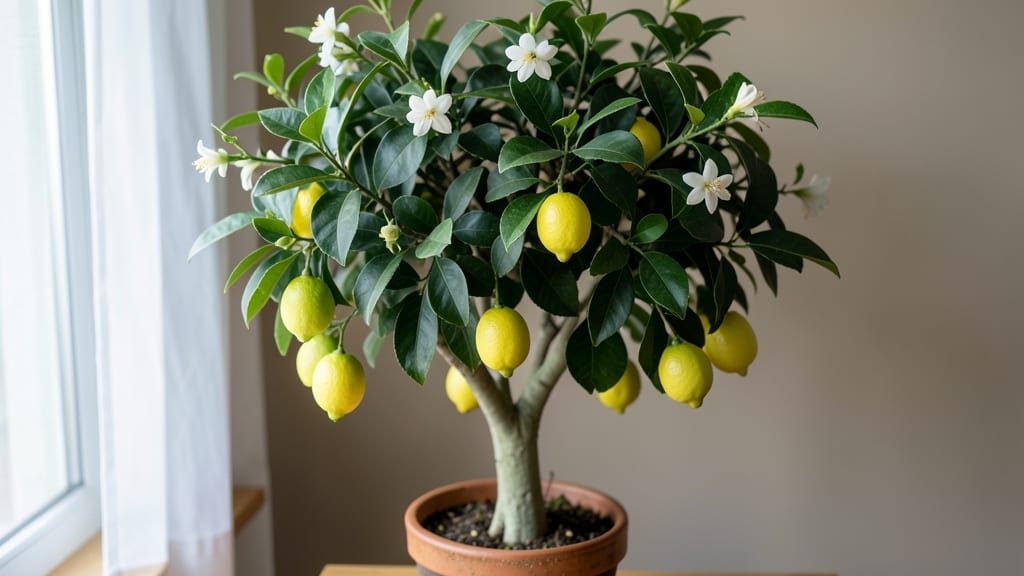
Caring for an indoor lemon tree isn’t as tricky as it seems—my first one produced fruit within three years of bringing it home. The key lies in mimicking its Mediterranean origins indoors: bright light, consistent moisture, and a little winter rest.
I’ve learned that most people overwater or underlight their trees, which stunts growth or causes leaf drop. With the right balance, you’ll watch glossy new leaves unfurl and tiny blossoms appear by spring.
You’ll need just a few essentials: a 6- to 8-inch pot with drainage holes, well-draining potting mix (think cactus or citrus blend), and a south-facing window or grow light. Humidity matters too—mist leaves regularly or place the pot on a tray of pebbles and water to keep air moist.
Pruning is simple: trim leggy stems in early spring to encourage bushier growth, and always use clean, sharp shears to avoid disease. The payoff? A tree that thrives year-round, not just survives.
By summer, you’ll harvest your first lemons—small but sweet, perfect for zesting or making simple syrup. The scent of blossoms in spring and the tangy aroma of ripe fruit make it worth every effort.
Even if you’ve killed houseplants before, lemon trees are surprisingly forgiving once you get the basics right. Let’s get yours growing strong, step by step.
This method works for dwarf varieties like Meyer lemons or standard types, though dwarf trees fruit faster in small spaces. Adjust light and water as seasons change—less in winter, more in summer—and you’ll keep your tree productive for decades.
No green thumb required, just patience and a little attention to detail.
📚 In This Guide
- What you need
- Instructions
- Tips and common mistakes
- Wrapping up and next steps
What you need
- ● Pot: A well-draining container (12–18 inches in diameter) with drainage holes. Terracotta or ceramic works best.
- ● Potting Mix: Cactus/succulent mix (2 parts) + perlite or pumice (1 part) for aeration.
- ● Lemon Tree: A dwarf Meyer lemon tree (best for indoors) or a young grafted lemon sapling.
- ● Watering Can: With a narrow spout for precise watering.
- ● Pruning Shears: Sharp, sterilized shears (or clean scissors) for trimming.
- ● Fertilizer: Balanced citrus fertilizer (e.g., 5-5-5 NPK) or organic options like fish emulsion.
- ○ Grow Lights (Optional but Helpful): LED full-spectrum bulbs (12–16 hours/day) if natural light is limited.
- ● Humidity Tray: A shallow tray with pebbles + water to boost humidity.
- ● pH Test Kit: To monitor soil pH (ideal: 6.0–7.0).
- ● Misting Bottle: For light leaf misting in dry climates.
- ● Support Stake: A bamboo or metal stake to train young trees.
- ● Glove: A gardening glove (citrus oils can irritate skin!).
- ● Spray Bottle (for Pests): Neem oil or insecticidal soap (pre-mixed).
Simple steps for growing a healthy indoor lemon tree
Here’s how to keep your citrus tree thriving indoors with minimal fuss—no green thumb required.
Choose the Right Spot for Light and Airflow
Place your lemon tree near a south- or west-facing window where it gets 6-8 hours of bright, indirect sunlight daily. Direct midday sun can scorch tender leaves, so if you notice crispy edges, move it back a few feet. Rotate the pot quarter-turn weekly to prevent lopsided growth—you’ll see the branches reach evenly toward the light.
Good airflow is just as important as light. Avoid cramming it in corners or near drafty vents. If you see yellowing leaves, it’s often a sign of poor circulation. A small fan on low speed nearby helps without damaging the tree.
Water Deeply but Sparingly
Check the soil weekly by sticking your finger 1-2 inches deep. Water only when the top layer feels dry to the touch—overwatering is the #1 killer of indoor citrus. Use room-temperature water to avoid shocking the roots, and pour slowly until water drains from the bottom. Empty the saucer after 10-15 minutes to prevent root rot.
Lemon trees hate soggy soil, but they also dislike drought stress. If the leaves start curling or dropping, it’s a cry for moisture. A moisture meter makes this foolproof—just insert it until it beeps and follow the reading.
Feed and Prune for Year-Round Growth
Use a balanced citrus fertilizer every 4-6 weeks during spring and summer. Cut back to monthly in fall and winter when growth slows. I like to mix fertilizer with water and apply it directly to the soil, avoiding the leaves. You’ll see new growth within weeks if the tree is happy.
Prune lightly in late winter to shape the tree and encourage bushier growth. Snip back leggy branches just above a leaf node with clean, sharp shears. Don’t overdo it—citrus trees produce best when slightly pruned. Remove any dead or yellowing leaves immediately to redirect energy to healthy branches.
Watch for Pests and Adjust Seasonally
Inspect leaves monthly for spider mites or scale insects, especially in dry winter air. Wipe them off with a damp cloth or spray with neem oil if you spot tiny webs or sticky residue. Early detection keeps infestations from spreading. I’ve found that a lukewarm shower once a month also washes away dust and deters pests.
In winter, reduce watering to every 2-3 weeks and move the tree away from cold drafts. If the air feels dry, mist the leaves occasionally or place the pot on a tray of pebbles with water. You’ll notice slower growth, but the tree will rebound in spring with proper care.
Tips & tricks for perfect indoor lemon tree care
Keeping your lemon tree happy indoors doesn't have to be complicated—just a few simple adjustments make all the difference. Here's what I've learned from years of growing citrus trees without a single brown leaf in sight.
Light Adjustment: If you notice crispy leaf edges after the recommended 6-8 hours of sunlight, it's a sign your tree is getting too much direct sun. Try moving it back a foot or using a sheer curtain to diffuse the light. I've found that east-facing windows provide the perfect balance for most homes, especially during summer months when the sun is strongest.
Watering Wisdom: The 10-15 minute drainage time after watering is crucial—don't skip this step! I've ruined trees by leaving water sitting in saucers, which leads to root rot. For extra protection, consider using a pot with drainage holes and a cache pot underneath to catch excess water. This two-step system prevents soggy soil while keeping your tree hydrated.
Fertilizer Timing: When you're applying that balanced citrus fertilizer every 4-6 weeks, pay attention to the tree's response. New growth within weeks is a good sign, but if you see yellowing leaves after fertilizing, you might be overdoing it. I've found that cutting back to monthly in fall and winter prevents nutrient overload during slower growth periods.
Pest Prevention: That monthly lukewarm shower isn't just for cleaning—it's also a great way to deter pests before they become a problem. I've seen spider mites completely wiped out by this simple routine. For extra protection, especially in dry winter air, consider placing a small humidifier nearby or using a pebble tray with water to increase humidity around your tree.
Pro Tips for Indoor Lemon Tree Care
- Keeping your lemon tree happy indoors doesn't have to be complicated—just a few simple adjustments make all the difference.
- Light Adjustment: If you notice crispy leaf edges after the recommended 6-8 hours of sunlight, it's a sign your tree is getting too much direct sun.
- Watering Wisdom: The 10-15 minute drainage time after watering is crucial—don't skip this step!
Frequently asked questions
about indoor lemon tree care—because even citrus experts need a little help sometimes! Here are answers to the most common questions to keep your tree happy and fruitful.How often should I water my indoor lemon tree?
Water your lemon tree when the top 1–2 inches of soil feel dry. Overwatering is the #1 killer—stick your finger in the soil to check! In winter, reduce watering to every 2–3 weeks, as growth slows. Pro tip: Use a pot with drainage holes to prevent root rot.
Can lemon trees survive indoors in winter?
Yes! Lemon trees thrive indoors year-round if you mimic their natural environment. Keep them in bright, indirect light (south-facing windows are ideal) and maintain temperatures between 60–75°F. Avoid drafts and sudden temperature drops—citrus trees hate cold snaps!
Why aren’t my lemon tree leaves turning yellow?
Yellow leaves usually signal overwatering, but check for other clues:
Lower leaves yellowing? Likely overwatering or poor drainage.
Yellowing with brown edges? Could be underwatering or fluoride buildup from tap water.
Yellow + crispy leaves? Too much sun or low humidity.
Flush the soil with water to cleanse it and adjust your care routine.How do I get my lemon tree to produce fruit?
Patience is key—indoor lemon trees (especially Meyer lemons) may take 2–5 years to bear fruit. Ensure they get 6+ hours of sunlight daily, fertilize monthly with citrus-specific food in spring/summer, and hand-pollinate flowers with a soft brush. Bonus: Smaller pots encourage fruiting!
Should I prune my indoor lemon tree?
Prune lightly in late winter/early spring to shape the tree and remove dead or crowded branches. Use clean, sharp shears and cut just above a leaf node. Avoid heavy pruning—citrus trees fruit on new growth. Pro tip: Save clippings in water to propagate new plants!
Wrapping up and next steps
Caring for an indoor lemon tree is a rewarding journey that brings fresh citrus to your home with just a little patience and love! 🌿 By mastering pruning techniques, ensuring proper light and watering, and troubleshooting common issues, you’ll enjoy a thriving tree year-round.
Whether you’re a beginner or a seasoned plant parent, these simple tricks make the process stress-free—and delicious.
Ready to take the next step? Start by inspecting your tree this week—trim any overgrown branches, adjust its sunlight spot, and watch it flourish! Soon, you’ll be harvesting lemons for homemade treats or gifts for friends. Happy growing! 🍋✨