
Trees
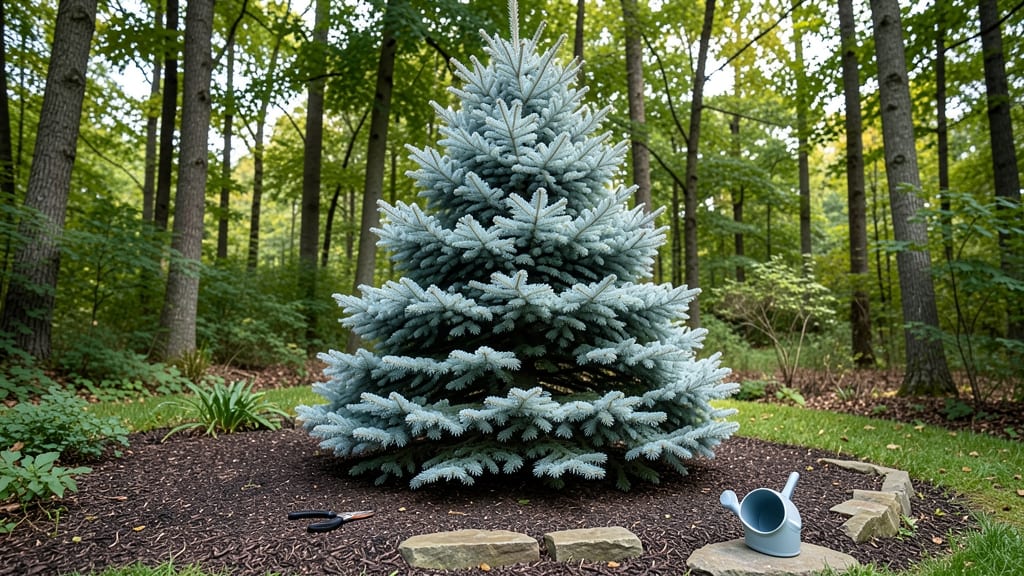
A huge white Christmas tree isn’t just a holiday centerpiece—it’s a year-round statement piece that transforms your yard into a winter wonderland. I’ve seen these frost-resistant giants stand tall through blizzards, their snow-laden branches glowing under string lights, and they never lose their dramatic presence.
The key is choosing a variety that thrives in cold climates, like the Abies concolor or Thuja occidentalis, both of which hold their color and shape even when dusted with frost.
Placement is everything—position yours near a foundation or along a driveway to create a grand entrance, or let it anchor a mixed border with evergreens like blue spruce or eastern white pine.
Add twinkling lights or solar-powered lanterns to highlight its architectural beauty after dark, and you’ll have a display that feels magical all season long. The best part? These trees keep their elegance even when the holidays end, blending seamlessly into your landscape.
📚 In This Guide
- What you need
- Instructions
- Tips and common mistakes
- Wrapping up and next steps
What you need
- ● Tree Structure: Artificial: 10–12 ft pre-lit white or silver pine tree (PE or PVC branches, frost-resistant coating)
- ● Real (if possible): Mature blank">white spruce or blank">blue spruce (8–12 ft tall, cold-hardy varieties like Picea glauca)
- ● Snow Effect (Artificial): 1–2 lbs of blank">polyester snow (static-cling or spray-on, UV-resistant)
- ○ Optional: blank">LED snow flakes (battery-operated, waterproof)
- ● Lighting: 500+ blank">white LED string lights (16–24 gauge, waterproof, 100+ bulbs/string)
- ○ 1–2 blank">solar-powered tree toppers (optional for extra sparkle)
- ● Heavy-duty blank">tree stand (holds 10+ gallons of water, rust-proof)
- ● Ladder (10–14 ft extension, stable base)
- ● Wire cutters & blank">tree clippers (for trimming real branches)
- ● Spray bottle (for misting snow effect on artificial trees)
- ● Extension cord (outdoor-rated, 16-gauge or thicker)
- ○ Optional: Frost-resistant blank">tree paint (for real trees in mild climates)
- ● Heated bird spikes (to protect from pests in winter)
- ● Outdoor space or large indoor area (ceiling height ≥12 ft, weight-bearing floor)
- ● Access to water (for real trees) or a blank">humidifier (for artificial trees to reduce static)
- ● Weather check: Artificial trees can stay out year-round; real trees need sub-freezing temps (<32°F) if left outside.
- ● Pro Tip: 💡 If using a real tree, choose one with thick, waxy needles—they resist ice buildup better!
Step-by-step guide to planting a frost-resistant giant white Christmas tree
Here's how to establish a towering, snow-white evergreen that thrives through winter and beyond.
🌱 Step 1: Select and Prepare the Planting Site
Choose a location with full sun exposure for at least 6 hours daily—these giants need ample light to develop their signature dense, frosted foliage. Test the soil pH to ensure it falls between 5.0 and 6.5, the ideal range for white pine varieties. If your soil is too alkaline, amend it with 2 pounds of peat moss per square yard and mix thoroughly.
Dig a hole twice as wide as the root ball but no deeper—this prevents root suffocation. The top of the root ball should sit 1-2 inches above ground level to prevent waterlogging. I always loosen the native soil at the bottom of the hole with a garden fork to encourage root penetration into surrounding soil.
🪴 Step 2: Plant the Tree with Proper Spacing and Support
Place your 10-12 foot tall white Christmas tree (likely Pinus strobus 'White Pine') into the hole, ensuring the root flare is visible at the soil line. Backfill with the native soil mixed with 1 cubic yard of compost to promote strong establishment. Water immediately after planting to settle the soil around roots.
For trees over 15 feet tall, install two sturdy wooden stakes on opposite sides of the trunk before backfilling. Use tree ties (not wire) to secure the trunk at two points—never wrap tightly enough to restrict growth. Water deeply again after staking to eliminate air pockets in the soil.
☀️ Step 3: Establish a Winter Care Routine for Frost Resistance
Mulch the base with 3 inches of shredded bark within a 3-foot radius, keeping mulch 6 inches away from the trunk to prevent rot. This insulation layer protects roots from freeze-thaw cycles while retaining soil moisture. In Zone 5 or colder, wrap the lower trunk with burlap during the harshest winter months to shield against sunscald.
Water deeply every 10-14 days during the growing season, aiming for 1-1.5 inches of water per week. Reduce watering in fall but keep soil moist until the ground freezes. In drought-prone areas, install a drip irrigation system on a timer to maintain consistent moisture without overwatering.
✂️ Step 4: Prune for Health and Shape Year-Round
Prune in late winter or early spring before new growth begins. Remove dead, crossing, or rubbing branches first using clean, sharp pruners. For shaping, limit cuts to no more than 25% of the tree's foliage in any single season to maintain its natural pyramid form. Always make cuts just outside the branch collar.
Fertilize annually in early spring with 1 pound of slow-release 10-10-10 fertilizer spread evenly in the root zone. Avoid high-nitrogen fertilizers—they promote fast growth at the expense of cold hardiness. Watch for brown needle tips in winter, which indicate winter burn; this is normal for young trees but should improve as the tree matures.
Tips & tricks for perfect frost-resistant giant white Christmas trees
A few key strategies will help your towering evergreen thrive through winter and beyond—here's what I've learned from years of planting these majestic trees.
Soil Preparation Secret: Beyond the 2 pounds of peat moss per square yard for alkaline soil, I recommend adding 1/2 cup of sulfur if your pH test shows readings above 7.0. This will gradually lower the pH over time, creating the ideal acidic environment these white pines crave. The goal is to get that pH between 5.0 and 6.5—this makes all the difference in root health and frost resistance. Remember, you're not just planting a tree, you're creating a microclimate that will protect it through harsh winters.
Root Ball Technique: When handling that 10-12 foot tall tree, never remove it from the container until you're ready to plant. The root ball stays intact when you dig the hole twice as wide—this prevents root circling, which is a common issue with transplanted trees. I've seen too many beautiful specimens fail because their roots couldn't penetrate the surrounding soil properly. The 1-2 inches above ground level positioning is crucial too—it prevents water from pooling around the trunk during heavy rains or snowmelt.
Winter Protection Strategy: For Zone 5 or colder climates, I've found that wrapping the lower trunk with burlap during the harshest months prevents sunscald better than anything else. But here's the pro move: pair that with a lightweight tree wrap that you can remove in early spring. The combination shields against both winter sun and temperature swings. And that 3 inches of shredded bark mulch within a 3-foot radius? Keep it fresh—top up annually if you notice it breaking down, as decomposed mulch loses its insulating properties.
Pruning Precision: When you're pruning in late winter or early spring, focus on removing those dead, crossing, or rubbing branches first—they're the main culprits for disease and pest entry. For shaping cuts, I always use clean, sharp pruners and make the cut just outside the branch collar. This technique promotes faster healing and reduces the risk of infection. And remember, never remove more than 25% of the foliage in any single season—this maintains the tree's natural pyramid form while keeping it healthy enough to withstand winter's challenges.
Pro Tips for Huge White Christmas Tree
- A few key strategies will help your towering evergreen thrive through winter and beyond—here's what I've learned from years of planting these majestic trees.
- Soil Preparation Secret: Beyond the 2 pounds of peat moss per square yard for alkaline soil, I recommend adding 1/2 cup of sulfur if your pH test shows readings above 7.0.
- Root Ball Technique: When handling that 10-12 foot tall tree, never remove it from the container until you're ready to plant.
Frequently asked questions
Got questions about keeping a huge white Christmas tree thriving year-round? Here are some answers to help you plan, maintain, and troubleshoot your frost-resistant giant:
How do I choose the right location for my large white Christmas tree?
A frost-resistant Abies concolor (white fir) or Picea glauca (white spruce) needs 6+ hours of sunlight daily and well-draining soil. Avoid low-lying spots where cold air pools—plant on a slight slope or raised bed. Mulch the base (3–4 inches) to insulate roots and retain moisture. Pro tip: Test soil pH (ideal: 5.0–6.5) before planting!
Can a huge white Christmas tree survive winter in cold climates?
Native varieties like the Picea glauca (white spruce) thrive in USDA Zones 2–6 and handle snow loads up to 20 lbs/sq ft. For extra protection, wrap the trunk with burlap to prevent rodent damage and shake off heavy snow gently with a broom. Water deeply before the first frost to harden roots.
Are there affordable alternatives to a full-sized white Christmas tree?
Yes! Consider these budget-friendly options:
- Container-grown saplings: Buy a 5-gallon white fir for $50–$100, then transplant it into the ground later.
- Dwarf varieties: Picea pungens ‘Glauca Globosa’ (blue spruce) stays under 5 ft tall but retains color.
- Rent or lease: Some nurseries offer seasonal tree rentals (e.g., $200–$400/year) with maintenance included.
Why are the needles on my white Christmas tree turning brown?
Brown needles usually signal drought stress, sunburn, or pest damage. If it’s new growth turning brown, check for spider mites or aphids (spray with neem oil). For older needles, the issue is often underwatering—deep water 2–3x/week in dry spells. Sunburn? Move the tree to partial shade if leaves scorch in afternoon sun.
Can I decorate my white Christmas tree year-round without damaging it?
Yes! Use lightweight, UV-resistant decorations (e.g., fabric ornaments, solar-powered lights) to avoid breaking branches. Avoid:
- Heavy tinsel or metal ornaments (can cut bark).
- Real candles (opt for LED flameless ones).
- Overwatering near the trunk (keeps soil soggy, inviting fungi).
Wrapping up and next steps
A huge white Christmas tree isn’t just a holiday statement—it’s a year-round investment in beauty, resilience, and timeless charm. Whether you’re drawn to its frost-resistant elegance, low-maintenance allure, or the joy of evergreen splendor, this giant is ready to transform your space with minimal effort. 🌲✨
Ready to bring home your own winter wonderland? Start by researching local nurseries or trusted online sellers, then plan your planting spot with care. Your dream tree is just a season away!