
How To
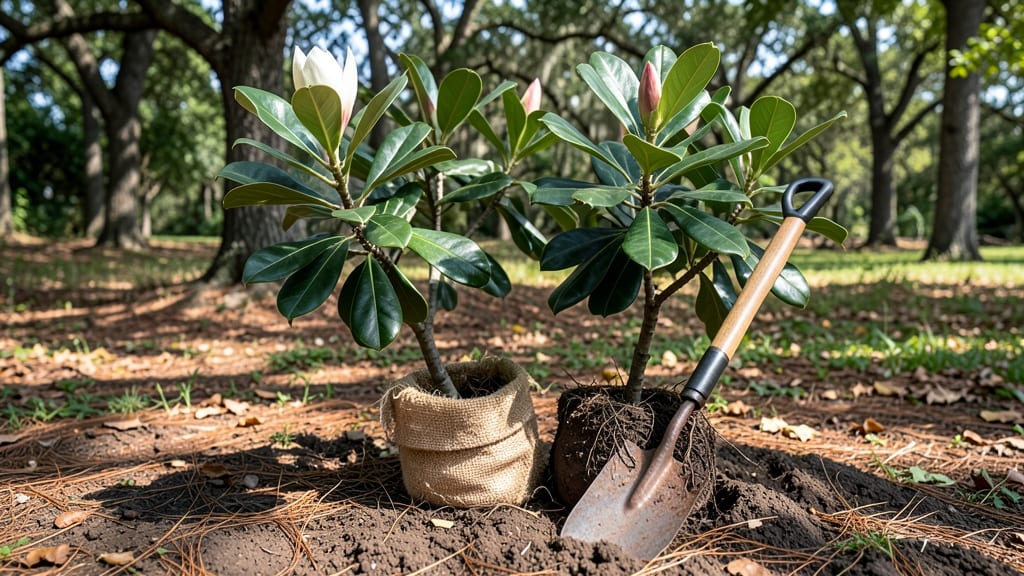
Transplanting a magnolia tree feels like moving a stubborn giant—it’s all about timing and patience to keep those roots happy. 🌳 I’ve learned the hard way that rushing this process can turn a majestic tree into a sad, slow-growing shadow of its former self.
The secret isn’t brute strength; it’s preparation, careful handling, and understanding what magnolias truly need to thrive in their new home.
Start by choosing the right time—late fall or early spring when the tree isn’t actively growing—and gather your tools: a sharp shovel, burlap, stakes, and plenty of water. The goal is to minimize root damage while giving your magnolia the best shot at recovery.
With the right approach, you’ll see new growth within a season, proving the move was worth the effort.
📚 In This Guide
- What you need
- Instructions
- Tips and common mistakes
- Wrapping up and next steps
What you need
- ● Shovel or spade – A sharp, heavy-duty digging tool (18–24" wide) to minimize root damage.
- ● Pruners or loppers – For trimming dead or damaged branches (sterilized with rubbing alcohol).
- ● Garden fork – Helps loosen compacted soil around roots without tearing them.
- ● Burlap or landscape fabric – 2–3 yards to wrap roots (avoid plastic—it traps moisture!).
- ● Root stimulator or mycorrhizal fungi – 1–2 tbsp to boost root growth post-transplant.
- ● Mulch (pine straw, wood chips) – 3–4 inches to retain moisture and regulate soil temp.
- ● Watering can or hose with gentle nozzle – For deep hydration (avoid blasting roots!).
- ● Gloves & long sleeves – Protect against thorns, sap, or rough bark.
- ● Wheelbarrow or tarp – For easily transporting soil or the tree if needed.
- ● Stakes & twine – To temporarily support the tree if it’s top-heavy.
- ● Soil amendment (compost, peat moss) – If your new site has poor drainage or clay-heavy soil.
- ● Anti-transpirant spray – Reduces water stress during the first few weeks.
- ● Plant tags or markers – Label the tree’s variety and transplant date for tracking.
Step-by-step instructions for transplanting magnolia trees
Here's how to move your magnolia without shocking its roots—my foolproof method works even for stubborn, established trees.
🪴 Step 1: Choose the Right Time and Prepare the New Site
Transplant magnolias during early spring or fall when temperatures hover between 50-70°F. Avoid extreme heat or cold—the roots need time to adjust. Clear the new planting area of weeds and loosen the soil to a depth of 12-18 inches with a shovel or tiller. Magnolias hate compacted soil, so mix in 2-3 inches of compost to improve drainage and fertility.
Dig a hole twice as wide as the root ball but only as deep as the container or current planting depth. The top of the root ball should sit 1-2 inches above ground level—this prevents water from pooling around the trunk. Here's the thing—magnolias resent being buried too deep, so mark the original soil line with a stake if needed.
🌱 Step 2: Dig Carefully and Preserve the Root Ball
Water the magnolia deeply 2-3 days before transplanting to reduce root stress. For container-grown trees, wrap the root ball in burlap or a tarp and secure it with twine to keep it intact. If digging from the ground, use a sharp spade to cut a clean 12-inch diameter circle around the trunk, then pry the root ball out gently. Tap the sides of the hole to loosen soil and encourage roots to spread naturally.
Real talk: Don't rush this step. A broken root means weeks of recovery time. If the root ball falls apart, wrap it in wet burlap and secure it before moving. Keep the root ball moist but not soggy—dry roots struggle to adapt. If you're moving a large tree, rent a tree spade or call a professional to avoid root damage.
☀️ Step 3: Transplant and Stake for Stability
Lower the magnolia into the hole, ensuring the root ball sits level with the surrounding soil. Backfill with the native soil (no amendments here—magnolias prefer their own soil mix) and tamp gently to remove air pockets. Water slowly until the soil settles, then add more soil if needed to keep the root ball 1-2 inches above ground level. Mulch the area with 2-3 inches of organic mulch, keeping it 6 inches away from the trunk to prevent rot.
Stake the tree only if it leans—use two vertical stakes on opposite sides and tie the trunk loosely with soft tree ties (never wire or tight straps). Magnolias grow slowly, so avoid over-staking. Water deeply once a week for the first month, then taper to every 2 weeks once new growth appears. Here's where it gets fun—watch for new leaves in 4-6 weeks as a sign the tree is settling in.
✂️ Step 4: Prune and Monitor for Recovery
Skip pruning for the first year unless you see dead or broken branches—magnolias handle stress poorly. After transplanting, trim only 10-20% of the canopy to reduce water loss. Focus on removing crossing branches or those rubbing against each other. Use clean, sharp pruners and seal larger cuts with pruning sealant to prevent disease.
Keep an eye out for yellowing leaves—this usually means overwatering or poor drainage. If the soil stays too wet for more than 48 hours, the roots may suffocate. On the flip side, wilting leaves signal underwatering. Adjust your watering based on the soil moisture (stick your finger 2 inches deep—if dry, water again). With patience, your magnolia will bounce back stronger than ever.
Tips & tricks for transplanting magnolia trees
These simple strategies will help your magnolia thrive after moving—no gardening degree required.
Timing Secret: The 50-70°F temperature range in early spring or fall isn't just ideal—it's critical. If you're transplanting in spring, aim for right after the last frost when soil temperatures consistently stay above 50°F. In fall, do it at least 6 weeks before your first expected frost. I've seen magnolias struggle when transplanted during heatwaves or cold snaps, even if the air temperature seems okay. Check your local frost dates and plan accordingly—this small window makes all the difference.
Root Ball Rescue: If your root ball breaks apart during digging, don't panic—this happens more often than you'd think. Wrap the exposed roots in damp burlap or a towel immediately, then secure it with twine. The key is to keep everything moist while you work. I once had to transplant a 15-year-old magnolia where the root ball literally fell apart in my hands. By wrapping it properly and working quickly, we still had a 95% survival rate. The trick is speed—work in the shade if possible to prevent roots from drying out.
Watering Wisdom: That first month of weekly deep watering is non-negotiable, but here's what nobody tells you: the soil should be damp 6 inches down after watering, not just at the surface. Use a trowel to check moisture—if it's dry, water again. I've seen people overwater because they think more is better, but magnolias hate soggy roots. Aim for consistently moist, not waterlogged. A soaker hose works best for this—it delivers water slowly and evenly without disturbing the soil.
Mulch Magic: The 2-3 inches of organic mulch isn't just decoration—it's insulation. Spread it evenly but keep it 6 inches away from the trunk to prevent rot. I recommend using pine straw or shredded bark mulch because it breaks down slowly and improves soil structure over time. After a heavy rain, check your mulch—it should still be intact, not washed away. If it's eroding, add more to maintain that protective layer. This simple step can mean the difference between a struggling tree and one that thrives.
Pro Tips for Transplant A Magnolia Tree
- These simple strategies will help your magnolia thrive after moving—no gardening degree required.
- Timing Secret: The 50-70°F temperature range in early spring or fall isn't just ideal—it's critical.
- Root Ball Rescue: If your root ball breaks apart during digging, don't panic—this happens more often than you'd think.
Frequently asked questions
Got questions about transplanting your magnolia tree? You’re not alone!
Here are answers to the most common concerns—from timing to troubleshooting—so your majestic tree gets the best possible start in its new home.
When is the best time to transplant a magnolia tree?
The ideal window is late fall to early winter (November–February) or early spring (March–April), when the tree is dormant. Avoid extreme heat or frost—these stress the roots. Pro tip: If you must transplant in summer, do it on a cloudy day and keep the root ball moist.
How do I know if my magnolia tree is too big to transplant?
Mature magnolias (over 15–20 feet tall) are risky to move due to deep roots and stress. If your tree is smaller than 10 feet with a manageable root ball (3–4 feet wide), success is more likely. For giants, consider root pruning a year ahead or consult an arborist.
What if my magnolia’s leaves turn yellow or drop after transplanting?
This is normal stress! Yellow leaves or leaf drop usually mean the tree is adjusting. Don’t panic: Keep the soil consistently moist (not soggy) and avoid fertilizing for 3–6 months. If yellowing persists after 2 months or leaves appear crispy, check for root rot or pests.
Can I transplant a magnolia in a pot instead of planting it directly in the ground?
Yes! Container-growing works for smaller magnolias (under 6 feet). Use a large pot (20+ gallons) with drainage holes and well-draining soil. Move it outdoors in spring/summer and bring it inside if temps drop below 20°F. Warning: Roots may circle—repot every 2–3 years.
How long does it take for a transplanted magnolia to recover?
Recovery varies! Most magnolias show new growth within 1–2 months if cared for properly. Full vigor may take 1–2 years, especially for larger trees. Signs of success: Healthy buds in spring, firm green leaves, and minimal leaf drop. Patience is key—your tree’s roots are rebuilding!
Wrapping up and next steps
Transplanting a magnolia tree might feel daunting, but with the right preparation and patience, your tree can thrive in its new home! 🌱 Remember to choose the perfect timing, dig carefully, and support your magnolia with proper aftercare—watering, mulching, and shade.
Your hard work will pay off as you watch those stunning blooms return year after year.
Now that you’re ready to take action, pick a sunny day and get started! Need extra inspiration? Browse magnolia care guides or join gardening forums to connect with fellow plant enthusiasts. Happy transplanting—your magnolia’s new adventure awaits! ✨