
Trees
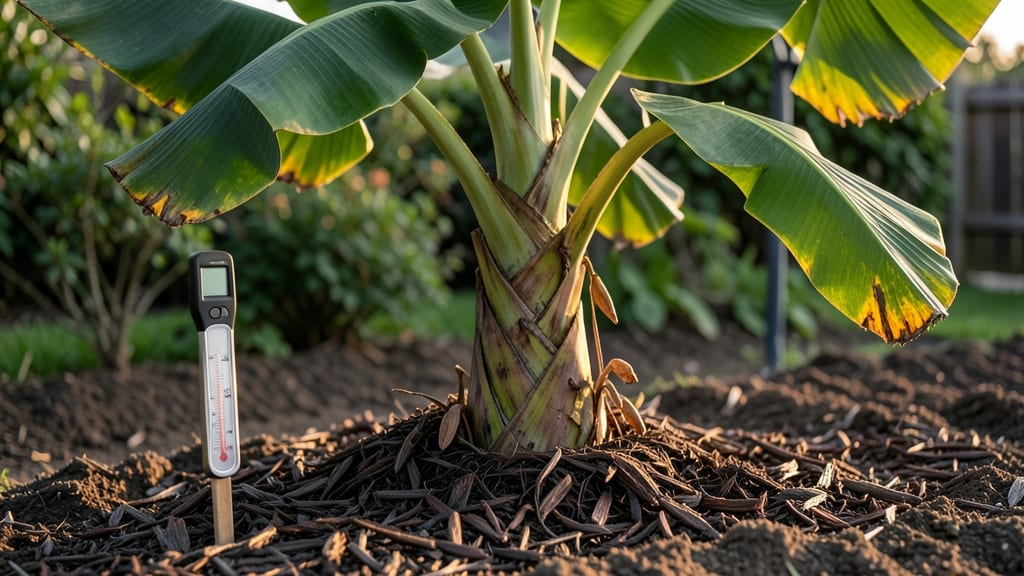
Learn how to take care of banana trees in the winter—they’ll survive even in frosty zones with the right strategy, and I’ve kept mine thriving through three winters by treating it like a delicate houseguest: warm, sheltered, and carefully monitored. 🌿 The key isn’t just wrapping it in burlap (though that helps) but adjusting water, light, and protection before the first freeze hits.
Most people overdo the insulation or underestimate the need for consistent warmth. You’ll need a well-ventilated shelter (like a garage or insulated box) and a thermometer to track temps—banana trees die when they dip below 32°F.
Cut back on watering as temperatures drop, and hold off on fertilizer entirely until spring growth resumes. The goal is to mimic their tropical roots without creating soggy conditions that rot the trunk.
By spring, you’ll see fresh fronds unfurling with vibrant green leaves, ready to produce fruit again. The trick is consistency: no sudden temperature swings, no letting the soil dry out completely, and no rushing to move it back outside until nighttime temps stay above 50°F.
Even in colder climates, this method works—just be patient and precise.
Outdoor overwintering is possible in milder zones (8-10) with heavy mulch and frost cloth, but indoor care is the foolproof option for zones 7 and below. Whether you’re prepping for the first frost or a late-season chill, the same principles apply: shelter, warmth, and careful monitoring.
Let’s get your banana tree through winter unscathed.
📚 In This Guide
- What you need
- Instructions
- Tips and common mistakes
- Wrapping up and next steps
What you need
- ● Mulch (organic): 4–6 inches of straw, wood chips, or shredded leaves (enough to cover the root zone).
- ● Burlap or frost cloth: 1–2 large sheets (at least 6’ x 8’ each) to wrap the trunk and leaves.
- ● Plastic wrap or greenhouse plastic: 1–2 rolls (for creating a mini greenhouse effect).
- ● Garden twine or zip ties: 50–100 feet (to secure wraps and protectors).
- ● Pruning shears: Sharp, clean pair (for trimming dead or damaged leaves).
- ● Watering can or hose with a gentle nozzle: For deep but controlled watering.
- ○ Thermometer (optional but helpful): Soil or air thermometer to monitor temperatures.
- ● Insulated plant wrap: For added trunk protection in freezing temps.
- ● Heat lamp or space heater (outdoor-safe): For extreme cold snaps (use cautiously!).
- ● Fertilizer (low-nitrogen, high-potassium): A balanced winter blend (e.g., 5-10-10) to support root health.
- ● Potting soil (if repotting): Well-draining mix for container-grown banana trees.
- ● Garden stakes or a wooden frame: To create a sturdy structure for wrapping.
Step-by-Step guide for winterizing banana trees
Here's how I've kept my banana trees thriving through freezing temperatures—no fancy equipment, just smart prep.
🪴 Step 1: Assess Your Tree's Cold Hardiness
Banana trees are tropical at heart, so they can't handle frost. First, check your tree's variety—some, like the hardy Musa basjoo, tolerate brief cold snaps down to 20°F, while others need protection above 35°F. Look for signs of stress: yellowing leaves, brown leaf tips, or slow growth. These are clues your tree needs extra winter care.
If you're unsure, test your tree's resilience by observing how it handles the first light frost. A healthy tree might just drop its leaves temporarily, while a struggling one will show blackened stems or wilting fronds. I always keep a thermometer nearby to track overnight lows—this helps me decide when to act.
🌿 Step 2: Prune and Protect the Trunk
Start by removing all dead or damaged leaves with clean, sharp pruners. This prevents disease and reduces moisture loss. Cut back only the fronds that are completely brown or mushy—never prune healthy green leaves, even if they're yellowing. The goal is to keep the tree's energy focused on the trunk and roots.
Next, wrap the trunk with 10-12 inches of burlap or bubble wrap. I use a sturdy layer of burlap secured with twine, then add a second layer of bubble wrap for insulation. This combo traps heat and shields the tender pseudostem from freezing winds. Leave the top open to allow some airflow—trapped moisture will rot the trunk faster than cold will kill it.
⏰ Step 3: Mulch the Soil and Insulate the Roots
Spread 4-6 inches of straw mulch around the base of the tree, piling it higher against the trunk. Avoid using wood chips or leaves—they can compact and trap too much moisture. The mulch acts like a blanket, keeping the soil temperature stable and protecting roots from freezing. I always water the soil deeply before mulching to ensure the roots have moisture reserves.
For extra protection in sub-30°F zones, add a clear plastic dome (like a large nursery pot cover) over the entire tree. Prop it up with stakes so it doesn’t touch the leaves. This creates a microclimate that can raise temperatures by 10-15°F. Remove it during the day if temperatures rise above 50°F to prevent overheating.
☀️ Step 4: Monitor and Adjust Through the Season
Check your tree weekly, especially after cold snaps. Look for frost damage on the leaves—if they turn black or feel mushy, trim them immediately. The tree will regrow new fronds in spring, but leaving damaged foliage on invites pests and disease. I also inspect the trunk for cracks or oozing sap, which can happen if the insulation shifts.
Adjust your protection as needed. If temperatures drop unexpectedly, add an extra layer of mulch or reinforce the trunk wrap. In mild winters, you might only need to cover the tree at night. The key is flexibility—banana trees are resilient, but they won’t survive if left to fend for themselves in freezing conditions.
Tips & tricks for cold-proofing banana trees
Here's what I've learned from years of keeping my tropical plants alive through harsh winters—these tricks make all the difference.
Hardiness Test: That first frost is your best indicator of whether your banana tree needs extra protection. If your tree's leaves turn black and feel mushy after just a light frost, you're dealing with a sensitive variety that needs the full winterizing treatment. I always test with a small section of the tree first—if it recovers within 24 hours, it's more resilient than I thought. For the hardy Musa basjoo varieties, you can push the envelope down to 20°F, but most others need protection above 35°F.
Insulation Layering: When wrapping your trunk with 10-12 inches of burlap (Step 2), don't skimp on the layers. I've found that adding bubble wrap underneath the burlap creates an extra air pocket that can raise trunk temperatures by an additional 5-10°F. The key is to leave that top open—trapped moisture becomes a bigger threat than the cold itself. Think of it like dressing for winter: layers keep you warm without making you sweat.
Mulch Depth Matters: Those 4-6 inches of straw mulch around your roots (Step 3) should feel thick enough that you can't see the soil through it. I've seen people use too little and end up with frozen roots that take months to recover. For extra insurance in sub-30°F zones, I add a second layer of mulch after the first few hard freezes—this creates a thermal buffer zone that can make the difference between survival and loss.
Plastic Dome Hack: That clear plastic dome over your tree isn't just for show—it's a game-changer in extreme cold. When temperatures drop below 30°F, I prop up a large nursery pot cover with stakes, creating a mini greenhouse effect. During sunny days above 50°F, I remove it to prevent overheating, but I've seen this simple trick raise overnight temperatures by 10-15°F in my zone 6 garden. Just remember to leave some ventilation at the bottom to prevent condensation buildup.
Pro Tips for Take Care Of Banana Trees In The Winter
- Here's what I've learned from years of keeping my tropical plants alive through harsh winters—these tricks make all the difference.
- Hardiness Test: That first frost is your best indicator of whether your banana tree needs extra protection.
- Insulation Layering: When wrapping your trunk with 10-12 inches of burlap (Step 2), don't skimp on the layers.
Frequently asked questions
Got questions about winterizing your banana trees? You’re not alone! Here are some of the most common concerns—and expert-backed answers to keep your tropical beauty thriving through the cold months.
Can banana trees survive winter outdoors in colder climates?
Most banana trees (Musa spp.) are tropical and won’t survive freezing temps (<32°F/0°C) outdoors long-term. However, hardy varieties like the Musa acuminata ‘Dwarf Cavendish’ or Musa basjoo (Japanese fiber banana) can tolerate brief dips to <20°F (-6°C) with proper protection. For non-hardy types, bring them indoors or use heavy mulch + frost cloth.
What’s the best way to protect a potted banana tree from frost?
Move pots to a sheltered spot (like a garage or porch) before temps drop. Wrap the pot in bubble wrap or frost cloth and cover the foliage with a breathable blanket. Avoid plastic—it traps moisture and can rot leaves. If outdoors, mound straw or leaves 6+ inches deep around the base for insulation.
Should I cut back banana tree leaves before winter?
Only prune dead, yellow, or damaged leaves—never healthy ones! Cut back to the pseudostem (the trunk-like structure) with clean shears. Avoid heavy pruning, as it stresses the plant. Save trimmed leaves for mulch to protect the roots from cold snaps.
Can I keep a banana tree indoors during winter?
Yes! Place it near a south-facing window for bright light (supplement with grow lights if needed). Reduce watering—let the soil dry slightly between waterings—and avoid drafts. Watch for spider mites (common indoors) and mist leaves occasionally to boost humidity.
What if my banana tree’s leaves turn black or mushy in winter?
This usually signals overwatering or frost damage. If the soil is soggy, let it dry out and improve drainage. For frost damage, trim blackened leaves above the damaged area. If the crown (center of the plant) is mushy, the tree may not recover—start fresh with a new plant in spring.
How do I revive a banana tree that’s been frozen?
Check for green growth at the base—if present, the roots may still be alive. Cut back all dead fronds, then mulch heavily and water lightly (but not excessively). If no green appears, the tree is likely dead; dig it up, inspect the roots, and replant if any are firm and white.
Wrapping up and next steps
Caring for your banana tree in winter doesn’t have to be stressful—with the right steps, you can protect it from frost and even encourage new growth when spring arrives. 🌱 Remember, mulching, wrapping, and providing shelter are your best friends, while monitoring moisture and temperature keeps your tree thriving.
With patience and a little extra attention, your banana tree can survive—and maybe even flourish—through the cold months.
Now that you’re equipped with the know-how, take action! Start by inspecting your banana tree today and implement one or two of these tips. Before you know it, your tree will be ready to bounce back when warmer weather returns. Happy gardening! 🌿