
Pruning
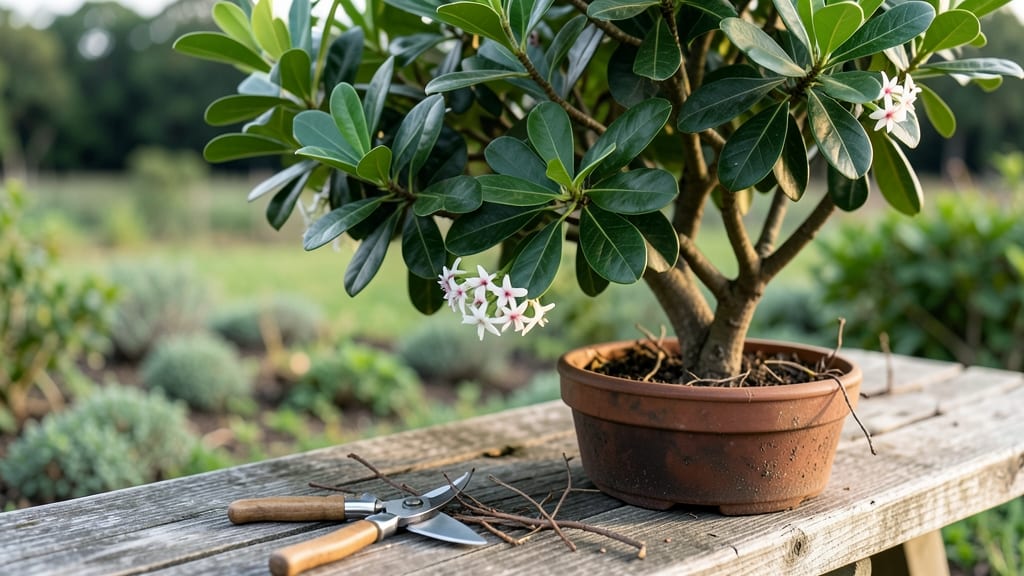
Pruning a guava tree isn’t just about shaping—it’s the secret to doubling your fruit harvest while keeping the tree healthy. 🌿 I’ve learned that guavas reward precise cuts, not random hacking, and the right timing turns a dense tangle into a sunlit, productive machine.
The key is working with the tree’s natural rhythm: heavy cuts in late winter when it’s dormant, lighter trims after harvest, and occasional cleanup throughout the year.
The tools you’ll need are simple: sharp pruning shears for small branches, loppers for thicker stems, and a saw for anything bigger than your wrist. Safety first—wear gloves (guava thorns are no joke) and sanitize your tools with rubbing alcohol to prevent disease spread.
Most importantly, bring a clear plan: remove dead wood first, then thin out crowded branches to let sunlight reach the center, and finally shape the tree to encourage airflow and fruit-bearing branches.
What you’ll end up with is a tree that produces larger, sweeter fruit and fewer problems with pests or disease. The open center lets air circulate, reducing fungal issues, while strategic cuts encourage new growth where you want it.
By summer, your guava tree will look like a well-behaved orchard instead of a wild thicket—and you’ll be picking fruit instead of fighting branches.
This works for both young trees you’re training and mature giants that need rejuvenation. Whether you’re in Florida, California, or a tropical climate, the principles stay the same—just adjust timing to your local growing season. Ready to transform that tangled mess into a fruit-bearing powerhouse?
📚 In This Guide
- What you need
- Instructions
- Tips and common mistakes
- Wrapping up and next steps
What you need
- ● Pruning shears: Bypass pruners (for small branches, 5–8 inches long) – 1 pair (ensure they’re sharp and clean).
- ● Loppers: Long-handled bypass loppers (for branches ½–2 inches thick) – 1 pair (look for ergonomic grips).
- ● Pruning saw: Curved-tooth pruning saw (for branches 2+ inches thick) – 1 saw (avoid cheap saws that dull quickly).
- ● Gloves: Heavy-duty gardening gloves (cut-resistant, like mechanized or Kevlar-reinforced) – 1 pair (protects from thorns and splinters).
- ● Disinfectant: 70% isopropyl alcohol or bleach solution (1 part bleach to 9 parts water) – small spray bottle (prevents disease spread).
- ○ Pruning sealant: Tree wound sealant (optional but helpful for large cuts) – small tube (look for natural, non-toxic options).
- ● Ladder: Sturdy, extendable ladder (if your tree is over 6 feet tall) – 1 (ensure it’s rated for your weight).
- ● Safety glasses: Goggles – 1 pair (protects eyes from debris).
- ● Marking twine or flags: Colored twine or small flags – small roll (helps mark branches to remove).
- ● Heavy-duty trash bags: For collecting pruned branches – 1–2 bags (or a wheelbarrow if hauling large debris).
- ○ Notebook or app: For sketching your tree’s structure (optional but great for tracking progress).
- ● Choose a dry, sunny day (wet branches are harder to cut and can spread disease).
- ● Work during the tree’s dormant season (late winter/early spring) for best results, but you can prune lightly year-round.
- ● Have a clear plan (review your tree’s shape and goals before starting).
Step-by-step guide for pruning guava trees
Here's how I keep my guava trees thriving with healthy growth and fruit production.
✂️ Step 1: Assess the Tree and Identify Key Branches
Start by examining the tree for branches that need attention. Look for dead, diseased, or crossing branches—these are your first targets. Guava trees grow best with good airflow, so remove any branches rubbing against each other or growing inward. I also scan for suckers at the base—these compete with the main tree for nutrients and should be cut back to 1/4 inch above the ground.
Next, identify water sprouts—fast-growing, vertical shoots that drain energy from fruit production. These are usually thinner than the main branches and grow straight up. Mark them for removal unless they’re part of a planned shape. Use a sharp pruning saw or loppers for thicker branches and hand pruners for smaller ones. Always make cuts at a 45-degree angle just above a leaf node or outward-facing bud to encourage healthy regrowth.
✂️ Step 2: Thin Out Overcrowded Areas
Guava trees produce fruit on new growth, so you’ll want to create an open, airy structure. Focus on thinning branches that are too close together—this improves sunlight penetration and reduces disease risk. Start at the outer canopy and work your way inward, removing 1 in 3 branches in dense areas. This isn’t about cutting back drastically; it’s about creating space for the remaining branches to grow stronger.
Here’s the thing—guava trees respond well to selective pruning. If you see a branch with multiple fruit clusters but it’s blocking light from inner branches, consider thinning it slightly. You don’t need to remove the whole branch, just enough to open up the canopy. Watch for weak, spindly growth—these branches are often overproducing leaves at the expense of fruit. Prune them back by 1/3 of their length to encourage sturdier, fruit-bearing wood.
✂️ Step 3: Shape the Tree for Optimal Fruit Production
Guava trees benefit from a balanced, rounded shape that allows sunlight to reach all branches. I like to maintain a central leader—the main upward-growing branch—while pruning side branches to create a natural dome. Start by removing any branches growing directly upward from the trunk or main limbs, as these often become weak and produce little fruit. Instead, encourage horizontal branches by pruning upward-growing shoots back to a side bud.
Pay attention to the lower branches. If they’re shading the trunk or competing with the canopy, prune them out completely. This lifts the canopy and improves air circulation at ground level, reducing humidity-related diseases. For mature trees, I avoid heavy pruning—just enough to maintain shape and remove deadwood. The goal is to keep the tree open and well-lit, which translates to more fruit and easier harvesting.
⏰ Step 4: Time Pruning for Best Results
Timing matters with guava trees. The best time to prune is late winter or early spring, just before new growth begins. This gives the tree time to heal before the growing season kicks in. Avoid pruning during active fruit production—heavy cuts can stress the tree and reduce yield. If you must prune during the fruiting season, do it lightly and gradually, focusing only on dead or diseased branches.
After pruning, monitor the tree closely for new growth. You’ll see fresh, green shoots emerge within 2-4 weeks—this is a good sign the tree is responding well. Water the base of the tree deeply after pruning to help it recover. Avoid fertilizing immediately; wait until new growth is established before adding nutrients. If you notice yellowing leaves or wilting, it could be a sign of stress—reduce pruning in future sessions or adjust your timing.
Tips & tricks for pruning guava trees
Took me years to figure out the right way to prune guava trees without stressing them—here's what actually works.
Tool Selection Matters: Never use dull tools for pruning guava trees. A sharp pair of loppers or a pruning saw makes clean cuts that heal faster. I always sterilize my tools with rubbing alcohol between cuts to prevent spreading disease. For thicker branches, use a pruning saw—it gives you more control and prevents tearing the bark.
Pruning Angle Technique: When cutting branches, always make a 45-degree angle just above a leaf node or outward-facing bud. This angle helps water run off the cut and encourages new growth in the right direction. I mark the cut location with a piece of tape before making the cut to ensure precision—this prevents accidental over-cutting.
Seasonal Pruning Strategy: The late winter/early spring timing in Step 4 is critical because it allows the tree to heal before the growing season. If you must prune during fruiting season, limit yourself to removing only dead or diseased branches—never more than 10% of the tree at once. I've seen trees stressed beyond recovery when people prune too aggressively during fruit production.
Post-Pruning Care: After finishing your pruning, give the tree a deep watering to help it recover. I always add a 2-3 inch layer of mulch around the base (keeping it away from the trunk) to retain moisture and prevent weeds. This simple step can make a huge difference in how quickly the tree recovers—especially important after heavy pruning sessions.
Pro Tips for Prune Guava Tree
- Took me years to figure out the right way to prune guava trees without stressing them—here's what actually works.
- Tool Selection Matters: Never use dull tools for pruning guava trees.
- Pruning Angle Technique: When cutting branches, always make a 45-degree angle just above a leaf node or outward-facing bud.
Frequently asked questions
Got questions about pruning your guava tree? You’re not alone! Here are some of the most common concerns—plus clear, actionable answers to keep your tree thriving and fruiting.
When is the best time of year to prune a guava tree?
Prune your guava tree twice a year: late winter/early spring (before new growth) and right after harvest. Avoid heavy pruning during fruiting season to prevent stress. Light trimming (removing dead branches) can happen year-round, but major cuts wait for dormant or post-harvest periods.
How much can I prune a guava tree without harming it?
Guava trees are resilient! You can safely remove up to 25-30% of the canopy per year without stressing the tree. Focus on dead, diseased, or crossing branches first, then thin out crowded growth to improve airflow. Over-pruning (beyond 30%) may reduce fruit production temporarily, so balance is key.
Will pruning increase my guava yield?
Yes—when done correctly! Pruning redirects energy to healthier branches, leading to bigger fruit and more clusters. It also improves sunlight penetration and air circulation, reducing pests/diseases. However, avoid aggressive pruning if your tree is young or struggling; prioritize shaping and maintenance first.
What should I do if my guava tree bleeds sap after pruning?
Sap bleeding (or "weeping") is normal for guava trees and harmless—it’s the tree’s way of sealing wounds. To minimize it, prune on a dry, cool day and use sharp, clean tools. If bleeding persists or turns black/moldy, sterilize cuts with copper fungicide or pruning sealant to prevent infection.
Can I prune a guava tree without tools? What’s the alternative?
While sharp pruners or a saw are ideal, you can carefully remove small branches by hand (wear gloves!). For larger cuts, use a clean hacksaw or borrow tools from a neighbor. If tools aren’t available, focus on pinching back new growth with your fingers to shape the tree—just avoid heavy cuts.
How do I tell if my guava tree needs pruning?
Watch for these signs: dead/dying branches (no leaves, brown or hollow), crossing or rubbing branches (creates wounds), overcrowded growth (shady interior), or fruit clusters on weak stems. Also prune if your tree looks top-heavy or has more leaves than fruit—this signals it needs better airflow and light distribution.
Wrapping up and next steps
Pruning your guava tree isn’t just about keeping it tidy—it’s the secret to healthier growth, better fruit production, and a stronger tree for years to come! 🌿 By following the right techniques—whether for shaping, disease prevention, or harvest optimization—you’ll unlock a tree that thrives year-round.
Now that you’re armed with the know-how, grab those shears and get started—your future guava harvest will thank you!
Ready to take it further? Monitor your tree’s progress after each trim, adjust your approach seasonally, and soon, you’ll be the proud grower of the juiciest, most abundant guavas in the neighborhood! 🍈✨