
How To
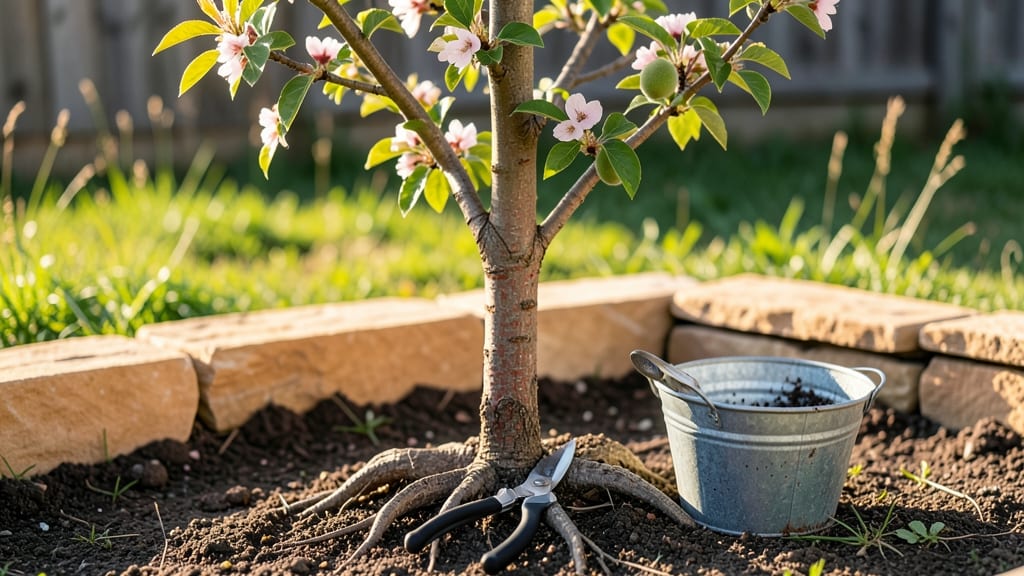
Pruning a peach tree for the first time feels intimidating—until you see how a few strategic cuts unlock stronger branches, better airflow, and more fruit next season. ✂️ I’ve turned nervous first-timers into confident pruners by focusing on just three key goals: removing dead wood, opening up the center for sunlight, and shaping the tree to encourage fruit-bearing branches.
The best time to tackle this is late winter or early spring, while the tree is still dormant but before buds swell.
You’ll need basic tools—a sharp pair of hand pruners, a loppers for thicker branches, and maybe a pruning saw for stubborn limbs—and about 30 minutes to an hour for a young tree. The real secret?
Cutting at the right angle (just outside the branch collar) and avoiding over-pruning—never remove more than 25% of the tree’s canopy in one go. Peach trees reward precision over aggression, so think of yourself as a sculptor shaping a living work of art.
📚 In This Guide
- What you need
- Instructions
- Tips and common mistakes
- Wrapping up and next steps
What you need
- ● Pruning shears (bypass pruners): Sharp, clean shears with a 6- to 8-inch blade for small branches (avoid anvil pruners—they crush wood). Pro tip: 💡 Test sharpness by snipping a small twig; if it tears, sharpen first!
- ● Loppers: For branches ½ to 1½ inches thick. Look for bypass-style loppers with a 10-12 inch handle for leverage.
- ○ Pruning saw: A curved-tooth saw (like a bow saw) for thick branches over 1½ inches. Optional: A foldable pruning saw for portability.
- ● Gloves: Heavy-duty, cut-resistant gloves (like those rated for gardening or chainsaw use) to protect from thorns and splinters.
- ○ Disinfectant (optional but recommended): A 10% bleach solution (1 part bleach to 9 parts water) or rubbing alcohol (70%+) to sterilize tools between cuts and prevent disease spread.
- ● Rag or paper towels: For wiping tools before/after disinfecting.
- ○ Marking twine or flags (optional): Thin twine or bright-colored flags to tag branches for removal (helps visualize the final shape).
- ● Heavy-duty trash bags: For hauling away pruned branches (a 5-gallon contractor bag works well).
- ● Step stool or ladder (if needed): A stable, 4-foot step stool for reaching higher branches safely. ⚠️ Safety first: Avoid wobbly ladders!
- ● Know your tree’s age: First-time pruning is best for 1- to 3-year-old peach trees (younger trees recover faster).
- ● Timing: Prune in late winter or early spring (before buds swell) or summer after harvest (avoid pruning in fall—disease risk!).
- ● Weather check: Choose a dry, sunny day (no rain forecast for 24 hours).
- ● Safety gear: Long sleeves/pants and closed-toe shoes to protect from thorns and falling branches.
Step-by-Step instructions for pruning a young peach tree
Here's how to shape your tree for maximum fruit production and airflow—without stressing the wood.
✂️ Step 1: Identify and Remove Dead or Diseased Branches
Start by scanning the entire tree for branches that look brown, brittle, or hollow. These are dead and must go immediately—they won’t produce fruit and can spread disease. Use clean, sharp pruners to cut these branches back to a healthy bud or branch junction, making your cut at a 45-degree angle just outside the branch collar.
If you see any branches with oozing sap, cracks, or fungal growth, these are diseased and should be removed completely. Don’t leave stubs—this invites further infection. I always disinfect my pruners with rubbing alcohol between cuts to prevent cross-contamination.
✂️ Step 2: Open the Canopy for Better Airflow and Sunlight
Peach trees need sunlight to reach their inner branches, so your goal is to create an open, vase-like shape. Start by removing any branches that grow straight up (called "water sprouts") or cross over others. These compete for energy and block light from reaching the center of the tree.
Focus on thinning out branches rather than just cutting back. Aim to leave 3-4 main scaffold branches spaced evenly around the trunk. These should be spaced about 12-18 inches apart and grow at a 45-degree angle from the trunk. This structure supports future fruit weight and reduces disease risk.
☀️ Step 3: Shape the Tree for Future Fruit Production
Now it’s time to encourage the tree to grow in a way that maximizes fruit production. Look for branches that grow outward and upward—these are ideal for bearing fruit. Cut back any branches that grow inward or downward, as they’ll either rub against other branches or block sunlight.
For each remaining branch, make a clean cut just above an outward-facing bud. This ensures the new growth will continue in the right direction. Avoid cutting back more than one-third of the tree’s total foliage in a single session—this can stress the tree and reduce next year’s fruit yield.
⏰ Step 4: Clean Up and Monitor for Recovery
After pruning, remove all cut branches and debris from the area to prevent pests and diseases from taking hold. Rake up any fallen leaves or twigs, and consider applying a 2-3 inch layer of mulch around the base of the tree (but keep it 6 inches away from the trunk) to retain moisture and suppress weeds.
Water the tree deeply after pruning to help it recover. You’ll notice new growth within 4-6 weeks, and the tree will start filling in more evenly. If you see any signs of stress—like wilting leaves or oozing sap—reduce watering slightly and avoid pruning for at least 6 months to let the tree heal.
Tips & tricks for pruning a young peach tree
Pruning your first peach tree can feel intimidating, but these insider tricks will help you shape it like a pro—without risking damage.
Tool Prep: Sharpen your pruners before starting—dull blades tear wood instead of making clean cuts, which invites disease. I also bring a small bottle of rubbing alcohol to wipe between cuts, especially when dealing with diseased branches in Step 1. This prevents spreading pathogens to healthy parts of the tree. A small brush or broom helps clear debris from pruning wounds immediately after cutting.
Visual Cues for Step 2: When creating that open vase shape, imagine sunlight streaming through the center of the tree. Remove any branches that grow straight up (water sprouts) or cross others—they'll block light and airflow. For the 3-4 main scaffold branches, think of them as spokes on a wheel: evenly spaced around the trunk at 12-18 inches apart, growing at a 45-degree angle. This creates a sturdy framework that supports future fruit.
Bud Direction Matters: In Step 3, when making cuts above outward-facing buds, remember this rule: "Outward buds mean outward growth." Look for buds that point away from the center of the tree—these will grow branches that bear fruit rather than shade the interior. If you're unsure which way a bud faces, gently bend the branch slightly to see which direction it naturally wants to grow.
Recovery Timeline: The 4-6 week recovery period mentioned in Step 4 is your tree's chance to heal. During this time, avoid heavy pruning or fertilizing—your tree is redirecting energy to new growth. If you notice new shoots emerging within those 6 weeks, these are your tree's way of telling you it's happy with the changes. These can usually be left alone unless they're growing in problematic directions.
Pro Tips for Prune A Peach Tree For The First Time
- Pruning your first peach tree can feel intimidating, but these insider tricks will help you shape it like a pro—without risking damage.
- Tool Prep: Sharpen your pruners before starting—dull blades tear wood instead of making clean cuts, which invites disease.
- Visual Cues for Step 2: When creating that open vase shape, imagine sunlight streaming through the center of the tree.
Frequently asked questions
Got questions about your first peach tree pruning session? You’re not alone! Here are answers to the most common concerns to help you feel confident before grabbing those pruners.
When is the absolute best time to prune a peach tree for the first time?
The ideal window is late winter to early spring (just before buds swell but before leaves appear). This timing minimizes stress and disease risk. Avoid pruning in fall—peach trees are prone to fungal infections when cuts heal slowly in cooler weather. Pro tip: If you miss winter, wait until summer after harvest, but prioritize disease prevention by sterilizing tools!
Do I need to remove all the dead branches, or just some?
Always remove all dead, diseased, or crossing branches—even if it seems drastic! Deadwood harbors pests and fungi, while crossing branches compete for energy. Aim to open the canopy to sunlight and airflow. Watch out: If a branch is gray, crumbly, or oozing sap, it’s dead. Snip it at the branch collar (the swollen area where it meets the trunk).
What if I accidentally cut too much off my peach tree?
Don’t panic! Peach trees are resilient, but never remove more than 25% of the canopy in one session. If you overdo it, your tree may struggle to fruit that year—but it’ll bounce back. Focus on shaping (not size) next time. Quick fix: Water deeply and avoid fertilizing until new growth appears. Monitor for stress signs (yellow leaves, weak branches).
Can I prune a peach tree without special tools? What’s the minimum I need?
You can technically use a sharp knife or handsaw, but bypass pruners (for small branches) and loppers (for thicker limbs) are ideal. Sterilize tools with rubbing alcohol to prevent disease spread. Bonus: A pruning saw helps with stubborn branches, and gloves protect against thorns. Skip the fancy stuff—just prioritize clean cuts and sharp tools!
Will pruning my peach tree reduce my fruit harvest next year?
Not if done right! Proper pruning increases fruit quality and yield by directing energy to healthier, larger fruit. However, heavy pruning might delay fruiting for a season. Balance is key: Remove weak growth but keep 6–8 strong branches. Remember: Young trees (under 3 years) need less aggressive pruning—focus on structure, not harvest!
Wrapping up and next steps
Pruning your peach tree for the first time might feel intimidating, but with the right tools, timing, and technique, you’re already setting it up for a lifetime of abundant fruit and healthy growth. 🌱 Remember, the goal is to open up the canopy, remove dead wood, and encourage strong branches—small cuts today mean big rewards tomorrow.
Now that you’re armed with confidence, why not schedule a follow-up pruning session in late winter or early spring? Keep an eye on your tree’s progress, and soon, you’ll be harvesting juicy peaches like a pro! 🍑