
Planting
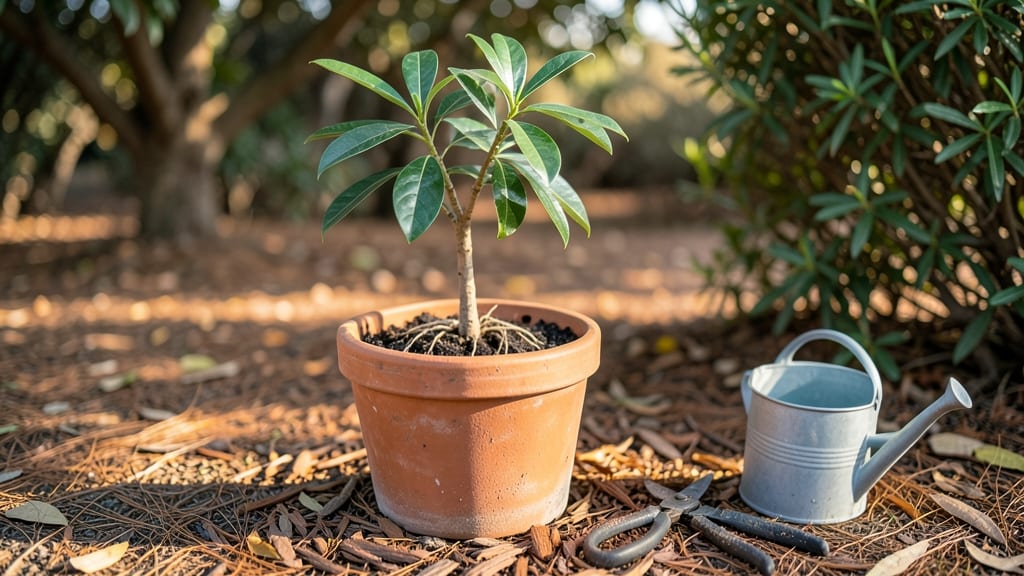
Planting a cinnamon tree means waking up to the scent of spice in your own backyard—imagine it! 🌿 While true cinnamon (Cinnamomum verum) thrives in tropical climates, its hardier cousin (Cinnamomum cassia) adapts beautifully to warmer USDA zones 9-11, even in containers.
The key isn’t just soil or sunlight—it’s patience, since these trees grow slowly but reward you with aromatic leaves and, eventually, cinnamon sticks.
You’ll need well-draining soil mixed with compost, a spot with 6+ hours of morning sun, and either seeds (slow but rewarding) or cuttings (faster but trickier).
Containers work for small spaces, but ground planting gives roots room to spread—just avoid waterlogged soil, which is the #1 killer of young trees. The first year is all about establishing roots, not harvests, so think long-term spice garden rather than instant kitchen supply.
By year three, you’ll see glossy green leaves that smell like your favorite holiday baking, and with proper care, your tree could live for decades. The real magic? Those leaves double as culinary cinnamon—dry and grind them for homegrown spice that tastes nothing like store-bought.
Let’s get those roots in the ground the right way from the start.
Whether you’re starting with a seedling or a cutting, the biggest mistake beginners make is overwatering. These trees prefer to dry out slightly between waterings, and they hate soggy feet.
We’ll cover exactly how to balance moisture, sunlight, and soil to set your cinnamon tree up for a lifetime of harvests—no tropical vacation required.
📚 In This Guide
- What you need
- Instructions
- Tips and common mistakes
- Wrapping up and next steps
What you need
- ● Cinnamon tree source: Seeds (if propagating from seed—note: germination can take 1-3 months!)
- ● Cuttings (4-6 inches long, from a healthy, disease-free tree)
- ● Young sapling (3-6 feet tall, from a nursery or trusted grower)
- ○ Potting mix: Well-draining, peat-based or coconut coir mix (avoid heavy clay soil). Optional: Add perlite or sand for aeration.
- ● Pot or container: At least 12-18 inches in diameter (for saplings/cuttings) or a 5-gallon nursery pot for seeds.
- ● Grow lights or sunny window: Cinnamon trees thrive in bright, indirect light (6+ hours/day).
- ● Humidity dome or plastic wrap: To maintain moisture during germination/rooting.
- ● Fertilizer: Balanced, water-soluble fertilizer (e.g., 10-10-10) or organic options like compost tea.
- ● Pruning shears: Sharp, sterilized shears for trimming cuttings or shaping the tree.
- ○ Rooting hormone (optional but helpful): Speeds up root growth for cuttings.
- ● Sunny location: Full sun to partial shade (6+ hours of sunlight daily).
- ● Well-draining soil: Mix compost or aged manure into native soil to improve fertility.
- ● Mulch: Organic mulch (e.g., wood chips) to retain moisture and regulate soil temperature.
- ○ Stakes and ties (optional): For young trees in windy areas.
- ● Watering can or hose with gentle spray nozzle (avoid overwatering!).
- ● pH test kit (ideal soil pH: 5.5-6.5).
- ● Spray bottle (for misting leaves to maintain humidity).
- ● Gloves and long sleeves (cinnamon leaves can be slightly irritating to some skin).
Step-by-Step instructions for planting a cinnamon tree
Here's how to nurture this fragrant tropical beauty into a thriving backyard specimen.
🌱 Step 1: Choose and Prepare the Planting Site
Cinnamon trees (Cinnamomum verum) thrive in humid, subtropical climates with well-draining soil and partial shade to filtered sunlight. If you're in a cooler zone, plant near a south-facing wall or under high-canopy trees to mimic their native forest understory. The ideal spot receives morning sun and afternoon shade—direct afternoon sun will scorch tender leaves.
Test your soil's drainage by digging a 12-inch deep hole and filling it with water. If it doesn't drain within 30-45 minutes, amend with equal parts garden soil, compost, and coarse sand to improve aeration. Cinnamon trees despise soggy roots, which lead to root rot—a fatal problem for these tropicals.
🪴 Step 2: Plant the Tree at the Right Depth and Support
Dig a hole twice as wide as the root ball but only as deep as the container it came in. Gently remove the tree from its pot and loosen any circling roots with your fingers—this encourages outward growth. Place the tree in the hole so the root flare (where roots meet trunk) sits just above soil level. Burying too deep suffocates the trunk and invites disease.
Backfill with the amended soil mix, pressing lightly to eliminate air pockets but avoiding compaction. Water deeply to settle the soil, then add a 3-inch layer of organic mulch (like wood chips) around the base, keeping it 6 inches away from the trunk. This conserves moisture and regulates soil temperature—critical for cinnamon trees in dry climates.
☀️ Step 3: Establish a Watering and Fertilizing Routine
Water twice weekly for the first 6 months, providing 1-2 gallons per watering to ensure moisture reaches the root zone. You'll know it's enough when water drains freely from the bottom of the hole you dug earlier. After establishment, reduce to weekly deep waterings—cinnamon trees prefer consistent moisture but won't tolerate waterlogged conditions.
Fertilize monthly during growing season (spring-fall) with a balanced 10-10-10 fertilizer, using half the recommended dose. Over-fertilizing burns roots and encourages leafy growth at the expense of bark development. Look for dark green, glossy leaves as a sign your tree is thriving—pale or yellowing foliage means it's time to adjust your water or fertilizer.
✂️ Step 4: Prune for Shape and Airflow
Prune lightly in late winter or early spring before new growth begins. Remove dead, diseased, or crossing branches first, then thin out 10-15% of the canopy to improve airflow. Cinnamon trees grow best with an open, vase-like shape, so avoid heavy pruning—this stimulates dense growth that can harbor pests.
Never prune more than one-third of the canopy at once, or you'll shock the tree into stress. Watch for new shoots emerging from leaf nodes—these indicate healthy growth. If you see bare stems with no leaves, your tree may need more sunlight or fertilizer.
Tips & tricks for perfect cinnamon tree planting
Here's what I've learned after helping clients grow thriving cinnamon trees in diverse climates.
Soil Drainage Test: The 30-45 minute drainage test in Step 1 is non-negotiable. If water pools after 30 minutes, your soil needs more sand—cinnamon trees in soggy conditions develop root rot within weeks. I've seen clients skip this test and lose their trees before they even sprouted leaves. For heavy clay soils, consider raised beds with a 50-50 mix of topsoil and perlite.
Root Ball Handling: When removing your cinnamon tree from its container in Step 2, gently squeeze the root ball to check for circling roots. If you find them, use a clean knife to make vertical cuts along the root perimeter—this prevents girdling as the tree matures. I've seen trees with circling roots struggle for years, while properly loosened roots establish within months.
Mulch Placement: That 3-inch mulch layer in Step 2 isn't just decoration—it's a temperature regulator. In hot climates, it keeps roots cool; in cold snaps, it insulates against temperature swings. Keep it 6 inches from the trunk to prevent moisture buildup that causes fungal issues. I've had clients accidentally pile mulch against the trunk, which led to trunk rot within a year.
Watering Visual Cue: For the 1-2 gallons per watering in Step 3, watch for water draining from the bottom of your planting hole. If you see puddles forming, you're overwatering—cinnamon trees hate soggy feet. In containers, I use the "finger test": stick your finger 2 inches deep between waterings. If it's dry, water; if moist, wait. This prevents the most common beginner mistake of overwatering.
Pro Tips for Plant Cinnamon Tree
- Here's what I've learned after helping clients grow thriving cinnamon trees in diverse climates.
- Soil Drainage Test: The 30-45 minute drainage test in Step 1 is non-negotiable.
- Root Ball Handling: When removing your cinnamon tree from its container in Step 2, gently squeeze the root ball to check for circling roots.
Frequently asked questions
Got questions about growing your own cinnamon tree?
Here are answers to the most common concerns—from timing to troubleshooting—so you can confidently plant and nurture this aromatic treasure in your backyard.
How long does it take for a cinnamon tree to produce cinnamon?
A cinnamon tree typically takes 3–5 years to bear fruit (cinnamon sticks come from the bark, not the fruit). Patience is key—focus on creating ideal growing conditions first! Harvesting bark for cinnamon requires 10+ years of growth, but you can enjoy the leaves for tea or the flowers for garnishes much sooner.
Can I grow a cinnamon tree indoors or in a pot?
Yes! Cinnamon trees thrive in large containers (15+ gallons) with well-draining soil and bright, indirect light. Place them near a sunny window or under grow lights. Just ensure the pot has drainage holes to prevent root rot. Note: Indoor trees may grow slower and produce less bark for cinnamon, but they’re perfect for leaves and ornamental use!
What’s the best time of year to plant a cinnamon tree?
The ideal time is during the spring or early summer (March–June in most climates). This gives young trees time to establish roots before cooler weather. If you’re in a tropical or subtropical zone, you can plant year-round—but avoid frost-prone seasons. Pro tip: Water deeply after planting to reduce transplant shock!
Why are my cinnamon tree leaves turning yellow or dropping?
Yellowing leaves often signal overwatering, poor drainage, or nutrient deficiencies. Check the soil—it should be moist but not soggy. Adjust watering habits and fertilize with a balanced, citrus-friendly formula (like 10-10-10) every 2–3 months. Pests like spider mites can also cause leaf drop; treat with neem oil if needed.
Is there a faster-growing alternative to true cinnamon?
If you want cinnamon flavor quickly, try cassia cinnamon (Cinnamomum cassia)—it grows faster (5–7 years for bark) and thrives in similar conditions. True cinnamon (Cinnamomum verum) is rarer and slower-growing but has a milder, sweeter taste. Bonus: Cassia leaves make a great cinnamon substitute for cooking!
Wrapping up and next steps
Growing your own cinnamon tree is a rewarding journey that brings the exotic allure of tropical flavors right to your backyard! 🌱 By following these steps—from selecting the right variety to nurturing your sapling with care—you’ll soon enjoy the fragrant leaves and spice of a homegrown harvest. Remember, patience is key: these trees thrive with time, and every watering, pruning, and sunny spot you provide will pay off in delicious cinnamon sticks and leaves.
Now that you’re equipped with the know-how, take the next step! Start with a cutting or seedling, and let your green thumb guide you. Whether you’re dreaming of homemade cinnamon rolls or just love the idea of a fragrant garden, your cinnamon tree adventure begins today. Happy planting! 🌿✨