
Container Gardens
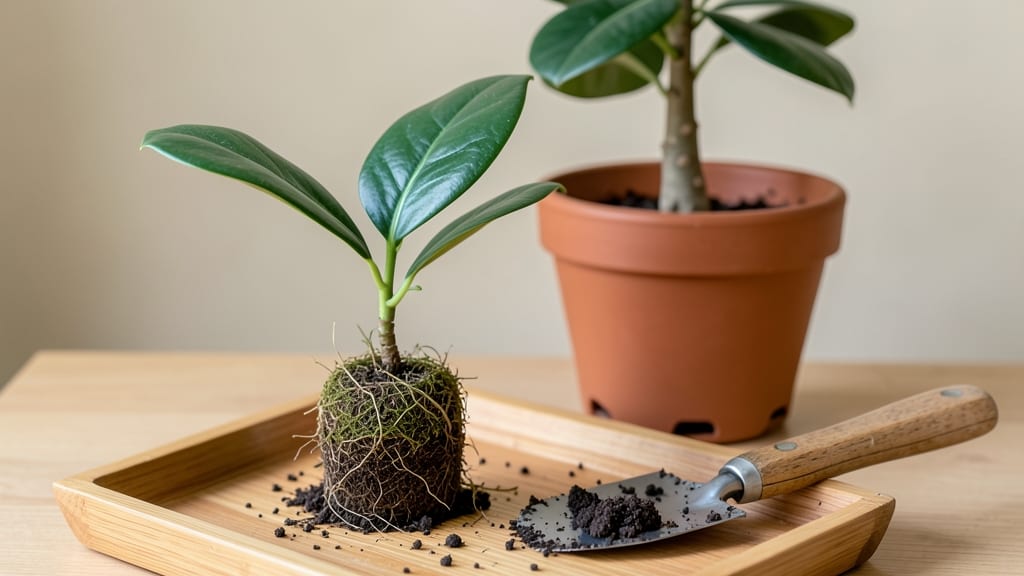
Planting a tree in a pot lets you grow full-size shade or fruit trees on a balcony or patio—no yard required. 🌳 I’ve turned my tiny urban space into a mini orchard by mastering this technique, and the key starts with the right pot and soil mix.
The biggest mistake? Skipping drainage or choosing a container too small for the tree’s mature size.
You’ll need a pot at least 12 inches wide and deep for small trees (like dwarf fruit varieties) or 18+ inches for larger species, plus a well-draining soil mix with 30% perlite or sand.
Dwarf varieties like ‘Columnar Apple’ or ‘Patio Pecan’ thrive in containers, while full-size trees need 5+ gallons of growing space per inch of trunk diameter. The secret? A slow-release fertilizer at planting time keeps roots fed without overpowering them.
After planting, water deeply until it drains from the bottom, then let the top inch dry before watering again. Mulch with 2 inches of bark to retain moisture and protect roots from temperature swings.
By summer, you’ll see new growth—proof your tree isn’t just surviving, but thriving in its temporary home.
Container trees need annual repotting to refresh soil and upgrade pots as they grow. Prune leggy branches in late winter to encourage bushier growth, and watch for pests like spider mites (they love dry soil).
With the right setup, your potted tree could outlive you—and become the centerpiece of your outdoor space.
📚 In This Guide
- What you need
- Instructions
- Tips and common mistakes
- Wrapping up and next steps
What you need
- ● Container: Size: At least 12–18 inches in diameter and depth (bigger for mature trees).
- ● Material: Terracotta, plastic, or fabric grow bags (ensure drainage holes!).
- ● Quantity: 1 per tree (or more if planting multiple).
- ● Potting Mix: Type: Well-draining, nutrient-rich mix (e.g., 60% potting soil + 30% perlite/pumice + 10% compost).
- ● Quantity: Enough to fill the pot 2/3 full (adjust for tree size).
- ● Tree: Type: Container-friendly species (e.g., dwarf fruit trees, bonsai, or shrubs like olive or citrus).
- ● Size: Small sapling or bare-root tree (check root ball for potted trees).
- ● Drainage Layer: Material: Pebbles, broken pottery, or gravel (1–2 inches at the pot’s bottom).
- ● Tools: Trowel or small shovel
- ○ Gloves (optional but helpful!)
- ● Watering can or hose with gentle spray
- ● Fertilizer: Slow-release granules or liquid fertilizer for potted plants.
- ● Mulch: Organic mulch (e.g., bark chips) to retain moisture.
- ● Support Stakes: For young trees (e.g., bamboo stakes + ties).
- ● Saucer or Tray: To catch excess water (place under the pot).
- ● Tree Pruners: For shaping or trimming new growth.
Step-by-step instructions for growing trees in containers
Here's how to give your tree the best possible start in a confined space.
🪴 Step 1: Choose the Right Container and Drainage
Select a pot that's at least 12-18 inches deep and 2-3 times wider than the tree's root ball—this prevents root binding. I recommend fabric grow bags for young trees because they allow roots to breathe while maintaining structure. If using traditional ceramic or plastic, ensure it has multiple drainage holes spaced evenly around the bottom.
Line the bottom with 2-3 inches of gravel or broken pottery to create an air pocket that prevents waterlogging. This is critical—root rot from poor drainage will kill your tree within weeks. I always test drainage by filling the pot with water and watching it empty completely within 10-15 minutes. If it pools, your pot needs more holes.
🌱 Step 2: Prepare the Potting Mix and Planting Site
Fill the pot one-third full with a well-draining potting mix that contains 20% perlite or vermiculite to improve aeration. Avoid garden soil—it compacts and suffocates roots. I like to add 1 cup of slow-release fertilizer mixed into the bottom layer to give the tree an immediate nutrient boost without burning tender roots.
Place the tree in the pot so the root flare (where roots meet the trunk) sits just above the soil line. This prevents the trunk from sitting buried, which causes girdling and eventual death. Tap the pot gently on all sides to settle the soil around the roots, then add more mix until the pot is 90% full. Leave space at the top for watering.
☀️ Step 3: Water Thoroughly and Establish a Care Routine
Water the newly potted tree until water runs freely from the drainage holes—this ensures the entire root ball is saturated. After the initial soaking, let the top 1-2 inches of soil dry out before watering again. Overwatering is the #1 killer of potted trees, so I always check moisture by sticking my finger 2 inches deep into the soil. If it feels dry, it's time to water.
Move the pot to a location with at least 6 hours of sunlight daily, but avoid harsh afternoon sun for young trees. A south-facing window or partial shade works best for most species. If you notice leaves yellowing or wilting, adjust the light exposure—this is your tree's way of saying it's stressed. Mulch the top of the soil with 1 inch of organic mulch to retain moisture and regulate temperature.
✂️ Step 4: Prune and Monitor for Long-Term Health
After 4-6 weeks, inspect the tree for any dead, crossing, or weak branches and prune them with sterilized pruning shears. Make cuts just above a leaf node to encourage new growth. I also remove any suckers (shoots growing from the base) because they drain energy from the main trunk. This is the moment that matters—proper pruning now ensures a stronger structure later.
Fertilize every 6-8 weeks during the growing season with a balanced, slow-release fertilizer. Watch for signs of nutrient deficiency: yellowing leaves mean nitrogen deficiency, while purple stems indicate phosphorus shortage. If your tree outgrows its pot (roots circling the bottom), it's time to up-pot into a container 2-4 inches larger in diameter. Real talk: Most people wait too long—root-bound trees never recover properly.
Tips & tricks for perfect container tree planting
Container gardening with trees takes patience and precision—here's how to avoid the most common pitfalls while maximizing your tree's potential in limited space.
Container Selection: Fabric grow bags are my go-to for young trees because they allow roots to breathe while preventing the rigid structure of ceramic pots. If you choose plastic, look for containers with multiple drainage holes—I've seen too many trees fail from poor drainage. The 10-15 minute drainage test is non-negotiable: fill the pot and time how quickly water empties. If it pools, drill more holes immediately.
Root Flare Positioning: This is where most people go wrong. The root flare (where roots meet the trunk) should sit just above the soil line, never buried. I've seen trees planted with the flare completely covered—this causes girdling, which slowly strangles the tree. After planting, gently tap the pot to settle soil around roots, then fill to 90% capacity, leaving room at the top for watering without overflow.
Soil Mix Science: That 20% perlite or vermiculite in your potting mix isn't just filler—it's what prevents compaction and suffocation. I always mix in 1 cup of slow-release fertilizer at planting to give the tree an immediate nutrient boost without risking root burn. Avoid garden soil at all costs; it compacts into a brick-like barrier that roots can't penetrate.
Watering Wisdom: The 1-2 inch dry-top test is your best friend. Stick your finger 2 inches deep—if it feels dry, water thoroughly until it runs from the drainage holes. Overwatering kills faster than underwatering, so I always let the top layer dry between waterings. And never skip the 1 inch of organic mulch—it regulates temperature and retains moisture without compacting the soil.
Pro Tips for Plant A Tree In A Pot
- Container gardening with trees takes patience and precision—here's how to avoid the most common pitfalls while maximizing your tree's potential in limited space.
- Container Selection: Fabric grow bags are my go-to for young trees because they allow roots to breathe while preventing the rigid structure of ceramic pots.
- Root Flare Positioning: This is where most people go wrong.
Frequently asked questions
Got questions about potted trees? You’re not alone!
Here are answers to the most common concerns—from choosing the right pot to keeping your tree happy long-term.
What’s the best type of tree for a pot?
Opt for slow-growing, shallow-rooted species like Japanese maples, dwarf citrus trees, or bonsai varieties. Avoid fast-growing trees (e.g., willows or poplars)—they’ll outgrow containers quickly and struggle with root-bound issues.
When is the best time to plant a tree in a pot?
Spring or early fall is ideal! Planting in spring gives roots time to establish before summer heat, while fall allows growth before winter dormancy. Avoid extreme temperatures—never plant in frost or peak summer.
Can I reuse an old pot or container?
Yes, but clean and sanitize it first! Scrub with soapy water, rinse, and disinfect with a 1:10 bleach-water mix (or baking soda) to kill fungi/bacteria. Ensure drainage holes are unclogged—no holes? Drill them or use a pot with built-in drainage.
Why is my potted tree dropping leaves?
Leaf drop usually signals overwatering, underwatering, or root stress. Check soil moisture (top 1–2 inches dry = water time), ensure proper drainage, and avoid letting roots sit in soggy soil. Yellow leaves? Overwatering. Brown, crispy leaves? Underwatering or sunburn.
How often should I repot a tree in a container?
Repot every 2–3 years (or when roots circle the pot). Spring is best! Choose a container 1–2 inches wider than the current one, refresh the soil, and trim tangled roots gently. Pro tip: Add a layer of gravel or broken pottery at the bottom to boost drainage.
How do I protect my potted tree in winter?
Move containers to a sheltered, unheated space (e.g., garage or porch) if temps drop below 20°F (-7°C). Wrap the pot in bubble wrap or use a tree blanket for extra insulation. Water sparingly—overwatering in cold soil can suffocate roots.
Wrapping up and next steps
Planting a tree in a pot isn’t just possible—it’s a rewarding way to bring nature to small spaces! With the right container, soil, and care, your tree can thrive for years.
Remember to choose the perfect pot size, prioritize drainage, and give your tree the love it needs with consistent watering and sunlight.
Now that you’re ready to plant, watch your little tree grow—and don’t forget to share your progress with fellow green thumbs! 🌱 For even more container gardening tips, check out our guide on maintaining potted trees long-term.