
Size
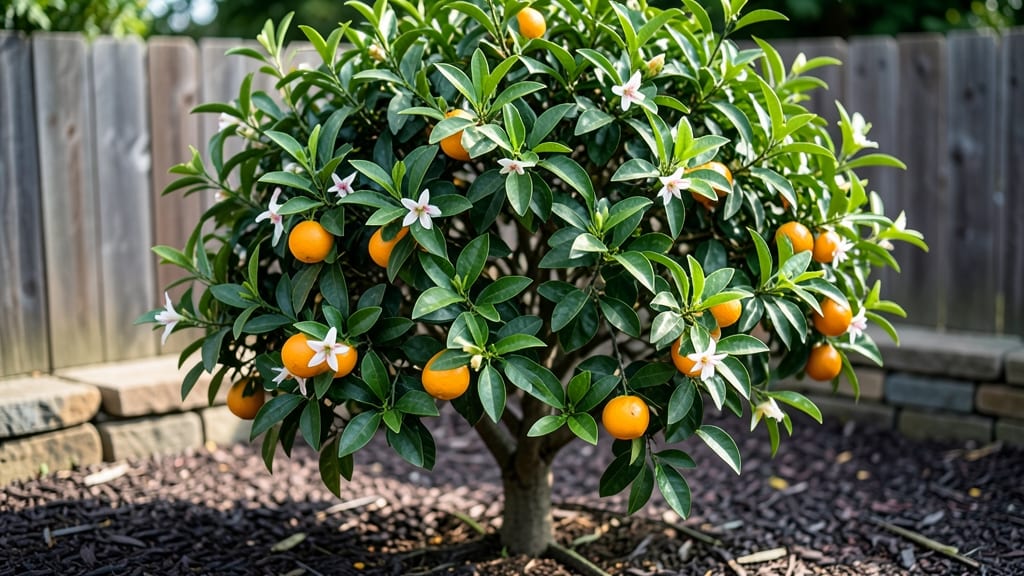
Growing a tangerine tree from seed means waking up to fragrant blossoms and sweet fruit in just a few years—if you get the light, soil, and patience right.
I’ve grown mine in containers on my Florida balcony, and the key is mimicking the Mediterranean climate they crave: warm days, bright sun, and well-draining soil that never stays soggy.
The first year is all about roots, not fruit, but those tiny leaves unfurling in spring make the wait worth it.
You’ll need a spot with at least 6-8 hours of direct sun daily, whether in-ground or in a container at least 15 gallons for dwarf varieties. The soil mix should be 60% potting soil, 30% perlite or sand, and 10% compost—think "dry but drinkable."
Water deeply when the top inch feels dry, but never let it sit in waterlogged soil. That’s where root rot starts, and once it takes hold, it’s game over.
By year three, you’ll see the first blossoms, and with luck, tiny tangerines by fall. The fruit won’t be store-bought sweet yet—it takes 5-7 years for full flavor—but the scent alone is worth the journey.
Prune in late winter to shape the tree and remove dead wood, and watch how the new growth bursts with energy. Even in colder zones, a large container lets you move it indoors for winter.
Here’s the secret: tangerine trees thrive on neglect almost as much as they do on care. Overwatering kills them faster than underwatering, and they’ll forgive missed pruning seasons.
The real magic happens when you let them grow their own way—just give them sun, drainage, and time. Now, let’s get those seeds started or that sapling planted.
📚 In This Guide
- What you need
- Instructions
- Tips and common mistakes
- Wrapping up and next steps
What you need
- ● Tangerine tree: A dwarf variety (like 'Dancy' or 'Sunburst') for containers (1-2 ft tall, 3-5 years old)
- ● OR a standard seedling (4-6 ft tall) for in-ground planting
- ● Container (if growing in a pot): Minimum 15-20 gallon pot (18"+ diameter) with drainage holes
- ○ Optional: Self-watering pot for convenience
- ● Well-draining soil: Mix of citrus potting soil (50%) + perlite or sand (30%) + compost (20%)
- ● OR loamy garden soil (pH 6.0–7.0) for in-ground planting
- ● Fertilizer: Balanced citrus fertilizer (e.g., 6-6-6 or 8-3-9 NPK ratio)
- ● Slow-release granules or liquid feed (follow package instructions)
- ● Watering supplies: Watering can or hose with adjustable nozzle
- ○ Drip irrigation system (optional but great for containers)
- ● Mulch: Organic mulch (e.g., straw, wood chips, or pine bark) to retain moisture
- ● Pruning tools: Sharp bypass pruners (for small branches)
- ● Sterilized hand saw (for thicker limbs)
- ● Support (if needed): Stake or tree tie kit for young seedlings in windy areas
- ● Grow lights: LED full-spectrum bulbs (for indoor/container growers in low-light areas)
- ● Humidity tray: Pebble tray with water to boost humidity for container trees
- ● Citrus food: Extra micronutrients like iron chelate (prevents leaf yellowing)
- ● Pest control: Neem oil, horticultural oil, or sticky traps for aphids/mealybugs
- ● Winter protection: Frost cloth or burlap wrap for tender varieties in cold climates
Step-by-step guide to cultivating your own tangerine tree
Here's how to nurture a thriving citrus tree from seed to fruit—whether you're planting outdoors or keeping it in a container.
🌱 Step 1: Start with Fresh Seeds and Proper Germination
Choose a ripe, organic tangerine and remove the seeds carefully, rinsing off any pulp. Plant 2-3 seeds per 6-inch pot (they're small but need space) using the seed-starting mix—this lightweight blend drains well and prevents rot. Press each seed just ¼ inch deep into the moistened soil, then lightly cover with more mix.
Keep the pot in a warm spot (70-80°F) with indirect light. A clear plastic bag over the pot creates a humid microclimate that speeds germination. Check daily for moisture—tap the bag occasionally to prevent mold. Germination takes 2-4 weeks, so patience is key. You'll know it's working when the first green sprout pushes through the soil.
☀️ Step 2: Provide Bright Light and Gradual Growth Conditions
Once seedlings emerge, remove the plastic bag and move them to the brightest window—south-facing is ideal. Tangerine trees need 6-8 hours of direct sunlight daily, so supplement with a grow light if natural light is weak. Rotate the pot weekly so the seedling grows straight rather than leaning toward the light.
When seedlings reach 4-6 inches tall, transplant the strongest one into a 1-gallon container with fresh citrus potting mix. This blend has the right acidity and drainage for young citrus roots. Water deeply after transplanting, letting excess drain away completely—soggy soil suffocates roots.
🪴 Step 3: Transition to a Permanent Container or Garden Spot
After 6 months, your tangerine tree will need more space. If growing in a container, upgrade to a 5-gallon pot with drainage holes. Fill with citrus potting mix and add a slow-release citrus fertilizer to the top layer—this feeds roots as they establish. Press the soil gently around the base to eliminate air pockets.
For outdoor planting, choose a location with full sun and protection from strong winds. Dig a hole twice as wide as the root ball but no deeper. Amend the native soil with citrus potting mix to ensure proper drainage. Water thoroughly after planting, then let the soil dry slightly before watering again.
✂️ Step 4: Prune and Maintain for Healthy Fruit Production
Prune in late winter to shape the tree and encourage branching. Remove any dead or crossing branches with clean sterilized pruning shears, cutting just above a leaf node. This encourages new growth where you want it. Avoid heavy pruning—citrus trees fruit on new wood, and over-pruning reduces next year's harvest.
Fertilize every 4-6 weeks during growing season with citrus fertilizer, following package instructions. Water deeply once a week in summer, letting the top 2 inches of soil dry between waterings. Overwatering causes root rot, while underwatering stresses the tree—both lead to dropped blossoms or fruit.
🍊 Step 5: Protect and Harvest Your First Tangerines
Watch for white blossoms in spring—they signal fruit will follow in 9-12 months. Thin fruit clusters to 2-3 tangerines per branch to ensure larger, sweeter fruit. Remove any small, misshapen, or crowded fruit first. Protect the tree from frost (below 28°F) with a blanket or move containers indoors.
Harvest when the fruit is deep orange, slightly soft to touch, and releases easily from the tree. Ripe tangerines will smell sweet near the stem. Store at room temperature for 1-2 weeks or refrigerate for longer shelf life. Enjoy your homegrown citrus—it's sweeter than store-bought!
Tips & tricks for perfect tangerine tree cultivation
Here's what I've learned from years of growing my own citrus trees—these tricks make all the difference between a struggling plant and a thriving fruit producer.
Germination Secret: The 2-4 week germination window can feel endless, but there's a trick to speed things up. After planting your seeds in the 6-inch pot with seed-starting mix, place the pot inside a clear plastic bag but leave it slightly open—this maintains humidity while preventing mold. I also found that gently pressing the seeds into the moist soil (not too deep) gives them the best contact with moisture. Confession: I skipped this step for years and wondered why some seeds never sprouted.
Lighting Strategy: Those 6-8 hours of daily sunlight are non-negotiable, but here's how to maximize them. If your windows don't get enough sun, supplement with a grow light positioned 6-12 inches above the plant. I rotate my containers weekly to prevent leaning, and I've noticed that seedlings grow straighter when you turn them 180 degrees every few days rather than just quarter turns. This creates more balanced growth from the start.
Transplanting Timing: The 4-6 inch height mark is your cue for the first transplant to a 1-gallon container, but don't rush this step. I wait until the seedling has developed at least 3-4 true leaves—this shows it's strong enough to handle the move. When transplanting, I always water the original pot first, then gently slide the seedling out with its root ball intact. This minimizes root damage and gives your tangerine tree the best chance to establish in its new home.
Frost Protection: That 28°F threshold is critical, but here's how to extend your growing season. For container plants, I move them to a sheltered spot against a south-facing wall or bring them indoors near a sunny window. For outdoor trees, I've used frost blankets that create a protective microclimate. I also noticed that wrapping the trunk with bubble wrap provides extra insulation—it's a small detail that can save your tree during unexpected cold snaps.
Pro Tips for Grow A Tangerine Tree
- Here's what I've learned from years of growing my own citrus trees—these tricks make all the difference between a struggling plant and a thriving fruit producer.
- Germination Secret: The 2-4 week germination window can feel endless, but there's a trick to speed things up.
- Lighting Strategy: Those 6-8 hours of daily sunlight are non-negotiable, but here's how to maximize them.
Frequently asked questions
Got questions about growing your own tangerine tree? You’re not alone—citrus care can feel tricky at first! Here are answers to the most common questions to help you grow a thriving tree, whether in a pot or garden.
How long does it take for a tangerine tree to bear fruit?
A tangerine tree typically takes 3–5 years to produce fruit from seed, but grafted trees (common in nurseries) may bear fruit in just 1–2 years. Patience is key—focus on proper care (sunlight, water, and soil) to speed up the process!
Can I grow a tangerine tree from a grocery store fruit?
Yes! Remove seeds from a fresh tangerine, rinse them, and plant them in moist soil. However, seed-grown trees may take longer to fruit and might not produce the same variety. For faster results, opt for a grafted nursery tree labeled with your favorite variety.
How do I protect my tangerine tree in winter?
Tangerine trees are tender to frost (below 25°F/-4°C). If you’re in a cold climate, grow them in containers and move them indoors or wrap the pot in burlap. For garden trees, use frost cloth or mulch heavily around the base. Avoid sudden temperature drops!
Why are the leaves on my tangerine tree turning yellow?
Yellow leaves often signal overwatering, nutrient deficiency, or pests. Check the soil moisture—it should stay slightly dry between waterings. Test for pests (like aphids) and fertilize with a citrus-specific blend in early spring. Adjust care based on your tree’s needs!
Is it better to grow a tangerine tree in a pot or in the ground?
Both work! Containers offer mobility (great for cold climates) and control over soil quality, but ensure the pot is at least 15–20 gallons with drainage holes. Garden planting is ideal for warm zones (USDA 9–11) with well-draining soil. Choose based on your space and climate!
Wrapping up and next steps
Growing a tangerine tree is a rewarding journey that brings vibrant color, fragrant blossoms, and sweet rewards to your home or garden! 🌱 With the right care—sunlight, well-draining soil, and patience—you’ll enjoy fresh, juicy tangerines in just a few years.
Whether you’re planting in a container or your backyard, every step brings you closer to that first harvest.
Now that you’re armed with knowledge, take the next step—pick your spot, gather your supplies, and get planting! Watch your tiny sapling grow into a thriving tree, and soon, you’ll be sharing homegrown tangerines with friends and family. Happy growing! 🍊✨