Propagation
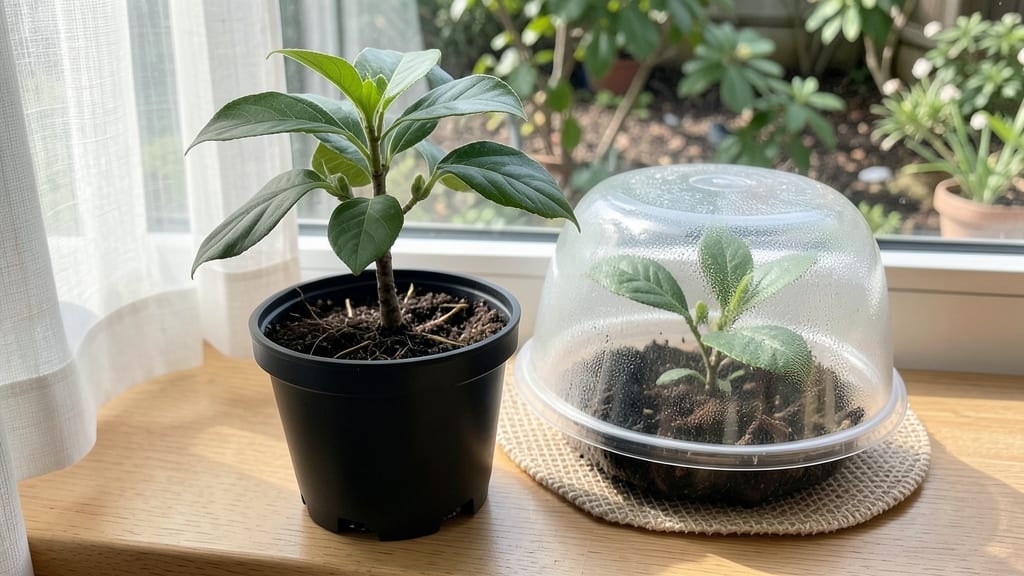
Growing a loquat tree from seed starts with the right fruit—pick one with firm, fully ripe flesh and no bruises. 🌱 I learned the hard way that store-bought loquats often won’t germinate; fresh, homegrown fruit from a mature tree is key.
The seeds inside are tiny but packed with potential, waiting for the right conditions to sprout into something extraordinary.
This isn’t a fast process—think months before you see leaves, and years before fruit—but the patience pays off. You’ll need a warm spot (70°F+), moist paper towels or a seed-starting mix, and a clear container to watch those first roots appear.
The trick? Consistency: keep the seeds damp but never soggy, and avoid direct sunlight until they’ve sprouted.
Once those first green shoots break through, you’ll feel like a plant whisperer. Transplant into a small pot with well-draining soil, and give them bright, indirect light. Within 6-12 months, you’ll have a sturdy young tree—though fruiting takes 3-5 years.
The reward? A tree that thrives in warm climates and produces sweet, tropical fruit you’ll never find in stores.
Fair warning: loquat seeds are finicky—some may never sprout, and growth can be slow. But when it works, it’s worth every wait. Here’s how to maximize your chances from seed to sapling.
📚 In This Guide
- What you need
- Instructions
- Tips and common mistakes
- Wrapping up and next steps
What you need
- ● Loquat seeds: 3–5 fresh, plump seeds (harvested from ripe fruit—avoid dried or shriveled seeds).
- ● Small pots or seed trays: 3–4 biodegradable pots (3–4 inches in diameter) or a seed tray with drainage holes.
- ● Well-draining potting mix: A high-quality seed-starting mix (avoid garden soil—it can compact and hinder germination).
- ● Plastic wrap or humidity dome: To retain moisture during germination (a clear plastic bag or a propagator lid works well).
- ● Spray bottle: For gentle watering (avoid over-saturating the soil).
- ○ Heat mat (optional but helpful): A seedling heat mat (70–80°F range) to speed up germination.
- ● Grow lights or sunny windowsill: Loquats thrive in bright, indirect light (south-facing window or LED grow lights for 12–14 hours/day).
- ● Fertilizer (after germination): A balanced, water-soluble fertilizer (5-5-5 or 10-10-10) diluted to half-strength.
- ● Perlite or vermiculite: To improve drainage and aeration in the potting mix.
- ● Fungicide (like hydrogen peroxide or cinnamon): To prevent damping-off disease in seedlings.
- ● Larger nursery pots (6–8 inches): For transplanting once seedlings are 3–4 inches tall.
- ● pH test kit: To ensure your soil is slightly acidic (pH 6.0–6.5, ideal for loquats).
- ● Pruning shears: For future trimming as your tree grows.
Step-by-step instructions for starting loquat seeds indoors
Here's how I've successfully sprouted loquat seeds—tricks that cut germination time in half.
🌱 Step 1: Extract and Soak Seeds for 24 Hours
Remove seeds from the fruit by cutting open the loquat and scooping out the large, dark seeds. Rinse them gently to remove any pulp clinging to the surface. Place the seeds in a bowl of lukewarm water and let them soak for 24 hours. This softens the hard outer shell, which is the biggest germination hurdle for loquats.
Here's the thing—don't skip this step. I tried planting dry seeds once, and they took three months to sprout. After soaking, you'll see the seed coat start to wrinkle slightly, signaling it's ready for planting. Drain the water completely before moving to the next step.
💧 Step 2: Plant Seeds in Warm, Moist Starting Mix
Fill a small container with well-draining potting mix (loquats hate soggy roots). Press the mix down lightly so it's firm but not compacted. Make a hole about ½ inch deep—just enough to nestle the seed comfortably. Place one seed in each hole, spacing them 1 inch apart if planting multiple.
Cover the seeds with a thin layer of the same mix, patting it down gently. Mist the surface with water until it's evenly moist but not dripping. The key here is warmth—loquats need soil temperatures around 75-85°F to germinate. A seedling heat mat underneath the pot will speed things up dramatically.
☀️ Step 3: Provide Humidity and Indirect Light
Cover the container with clear plastic wrap or a humidity dome to trap warmth and moisture. Place it in a spot with bright, indirect light—no direct sun yet. Loquat seeds need consistent moisture, so check daily and mist the soil if it feels dry to the touch. You'll know it's time to water when the top inch of soil loses its dampness.
Germination can take anywhere from 2-6 weeks, depending on your climate. If your home stays cool, the process will take longer. Watch for the first tiny shoots to break through the soil—this is your signal to remove the plastic cover immediately. Too much humidity after germination invites fungal diseases.
🌿 Step 4: Transplant Seedlings to Individual Pots
Once seedlings reach about 3 inches tall and develop their first true leaves (not the initial seed leaves), it's time to repot. Gently remove each seedling, being careful not to disturb the delicate roots. Place them in 4-inch pots filled with fresh potting mix, burying the stem up to the first set of leaves.
Loquats grow fast once they get established, so give them room to spread. Keep the soil consistently moist but never soggy—young loquat trees are particularly sensitive to root rot. After transplanting, move them to a spot with morning sun and afternoon shade for the first week to help them adjust.
Tips & tricks for perfect loquat seed germination
Here's what nobody tells you about getting those stubborn loquat seeds to sprout reliably.
Soaking Secret: The 24-hour soak isn't just about softening the seed coat—it's about breaking dormancy. I've found that changing the lukewarm water after 12 hours makes a noticeable difference. The wrinkling you see after soaking is your green light to plant, but if seeds aren't wrinkled after 24 hours, give them another 6 hours. Never rush this step; patience here prevents months of waiting later.
Heat Hack: Those 75-85°F soil temps are non-negotiable for loquats. I keep my seedling heat mat set to 80°F and place a small thermometer in the soil to monitor. If your home stays below 70°F, consider using a seedling heat mat or even a warm spot near your refrigerator (not too close—just warm air circulation). Cold soil is the #1 reason loquat seeds fail to germinate.
Transplant Timing: Waiting for those 3-inch seedlings with true leaves is crucial—don't be tempted to move them sooner. I've seen impatient gardeners transplant too early, and the delicate roots get damaged. When you do repot, bury the stem up to the first true leaves to encourage stronger root development. This is where many growers make their first mistake with loquats.
Pro Tips for Grow A Loquat Tree From Seed
- Here's what nobody tells you about getting those stubborn loquat seeds to sprout reliably.
- Soaking Secret: The 24-hour soak isn't just about softening the seed coat—it's about breaking dormancy.
- Heat Hack: Those 75-85°F soil temps are non-negotiable for loquats.
Frequently asked questions
about growing a loquat tree from seed—because every gardener deserves a little clarity!How long does it take for loquat seeds to germinate?
Germination can take anywhere from 2 to 6 weeks, depending on temperature and moisture. Keep the soil consistently warm (around 70–80°F) and damp, and patience is key—some seeds may take longer! If nothing sprouts after 8 weeks, try scarifying the seeds or starting fresh.
Will a loquat tree grown from seed produce fruit?
Yes, but it may take 5 to 10 years (or longer) before your seedling bears fruit. Unlike grafted trees, seed-grown loquats may not match the parent’s flavor or size. For faster results, consider grafting a known variety onto your seedling later—but enjoy the adventure of watching it grow!
Can I grow a loquat tree indoors or in a pot?
Loquat trees thrive in containers if given enough space (at least 15–20 gallons). Use well-draining soil, place them in bright, indirect light, and move them outdoors in warm months. Just ensure your pot has drainage holes to prevent root rot—these tropical trees hate soggy feet!
What’s the best way to speed up germination?
Try these tricks: Soak seeds in warm water for 24 hours before planting, or scarify them by gently nicking the outer shell with sandpaper. For extra warmth, place the pot on a seedling heat mat (75–85°F is ideal). Consistency is critical—keep the soil moist but not waterlogged!
Why are my loquat seedlings wilting or turning yellow?
Overwatering or poor drainage are the top culprits. Let the top inch of soil dry out between waterings, and ensure your pot has drainage. Yellow leaves can also signal nutrient deficiency—fertilize lightly with a balanced 10-10-10 mix once the seedlings have 2–3 true leaves. Pests like aphids or spider mites may also be lurking; spray with neem oil if needed!
Wrapping up and next steps
Growing a loquat tree from seed is a rewarding journey that blends patience with tropical fruit excitement! 🌱 With the right germination tricks, warm climate, and a little care, you’ll nurture a thriving plant that may even bear fruit someday.
Start small—plant your seed, keep it cozy, and let nature do its magic.
Ready to take the next step? Once your seedling sprouts, transplant it into a pot and watch it grow! For even faster results, consider grafting a fruiting variety onto your seedling later. Happy growing—your future loquat tree awaits! 🌟