
Trees
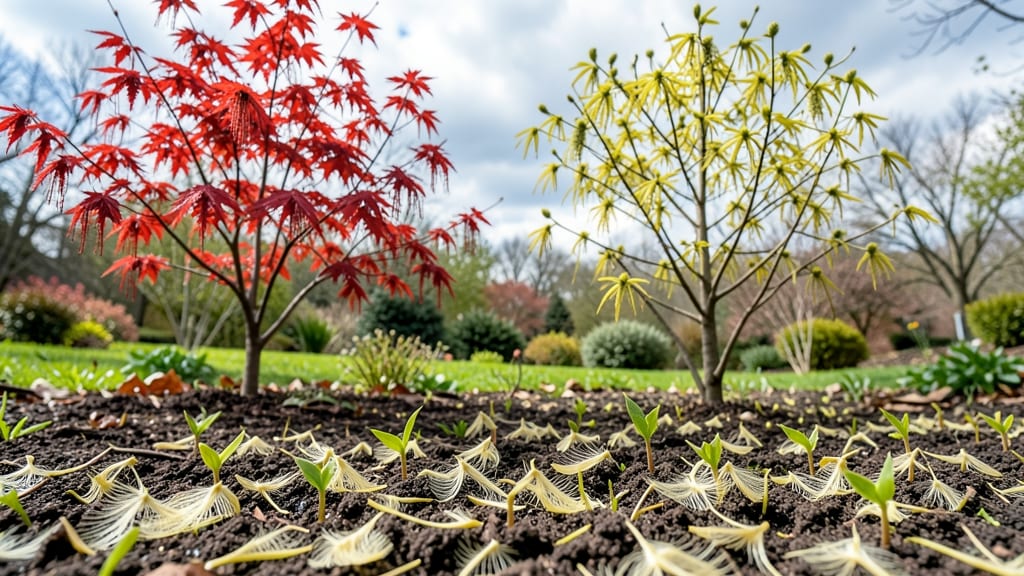
Maple trees reproduce through a fascinating dance of wind, winged seeds, and stubborn saplings—one that’s far more complex than just dropping acorns. 🌳 I’ve watched my backyard sugar maple send out thousands of helicopter seeds each fall, only to see a handful survive, but those that do grow into giants with time.
The real magic happens when nature’s timing aligns with the right conditions: moist soil, partial shade, and a little luck against hungry squirrels.
The process starts with seed collection in late summer or early fall, when the samaras—those papery, whirligig seeds—are ripe but not yet scattered. You’ll need patience to gather enough viable seeds, as not all will sprout, and even fewer will thrive.
Once you’ve got them, stratification (a cold, moist period mimicking winter) boosts germination rates, turning what feels like a gamble into a more predictable process.
What you end up with, if all goes well, is a tiny maple sapling that’ll take years to mature but rewards you with that iconic sweet sap flow.
The first few leaves will be tiny and delicate, but with consistent watering and protection from deer or rabbits, you’ll see steady growth. By year five, you might just spot the first signs of sap—proof that your patience paid off.
For those eager to skip the seed route, grafting onto established rootstock is a faster way to propagate specific varieties, though it requires more skill. Either way, the journey from seed to sapling teaches you more about resilience than any other gardening project.
Here’s how to make it work without losing your mind along the way.
📚 In This Guide
- What you need
- Instructions
- Tips and common mistakes
- Wrapping up and next steps
What you need
- ● Healthy maple tree seeds (helicopters): Collect fresh, viable seeds from mature maple trees (sugar maples, silver maples, etc.). Aim for 50–100 seeds for optimal germination testing.
- ● Well-draining potting mix: Use a blend of 50% peat moss or coconut coir and 50% perlite or coarse sand (about 10–15 lbs depending on container size).
- ● Seed-starting trays or small pots: Choose biodegradable or plastic trays with individual cells (at least 2–3 inches deep) or 4–6 inch pots for each seed.
- ● Spray bottle with water: For gentle, even moisture application (avoid over-saturating the soil).
- ○ Plastic wrap or humidity dome: To create a mini greenhouse effect (optional but highly recommended for humidity control).
- ● Grow lights or sunny windowsill: Maple seeds need bright, indirect light (12–16 hours/day). A LED grow light works best if natural light is limited.
- ● Patient mindset!: Maple seeds can take 2–4 weeks to germinate—persistence pays off! 🌱
- ● Seed stratification setup: If sowing outdoors, a cold stratification method (e.g., refrigerating seeds in moist paper towels for 30–60 days) can boost germination rates.
- ● Soil moisture meter: Ensures you’re keeping the soil consistently moist (not soggy)—critical for young seedlings.
- ● Fertilizer (balanced, low-nitrogen): Once seedlings sprout, use a diluted 10-10-10 or 5-5-5 fertilizer every 4–6 weeks.
- ● Transplanting tools: Small trowel, gardening gloves, and biodegradable pots for moving seedlings outdoors later.
- ● Journal or camera: Track seedling growth—it’s mesmerizing to watch maple trees sprout! 📸
Step-by-step guide to maple tree reproduction in nature
Watch how maples create their iconic wings and spread across forests effortlessly.
🌱 Step 1: Observe the Spring Flowering Stage
Maple trees begin their reproductive cycle in early spring when tiny, greenish-yellow flowers appear before leaves unfurl. These flowers are clustered in pendulous catkins—male flowers hang longer and release pollen, while female flowers sit higher up on the tree. The key moment is when you see these clusters: that’s your signal the tree is preparing to pollinate.
Here’s the thing—maples rely on wind for pollination, so you won’t see bees or butterflies involved. The male flowers release clouds of pollen that drift toward female flowers on the same or nearby trees. If your maple isn’t flowering, it might be too young (most need 10-15 years
After successful pollination, female flowers develop into green, paired seed pods that look like helicopter blades. These pods contain two winged seeds, which is why they spin so dramatically when they fall. The pods start as soft, fuzzy structures but harden into the familiar woody shape by late summer. Watch for these pods to turn brown and split open—this usually happens in late summer to early fall. If you see pods dropping prematurely (before turning brown), your tree might be under stress from pests or disease. A healthy tree will hold onto its pods until they’re fully mature. The most iconic part of maple reproduction happens when the pods release their seeds. A gentle breeze sends the winged seeds spiraling to the ground, where they can germinate if conditions are right. This dispersal can cover up to 100 feet from the parent tree, helping maples colonize new areas naturally. Real talk: not all seeds will sprout. Maple seeds need moist, well-drained soil and partial shade to germinate successfully. If you’re trying to grow maples from seed, plant them immediately after they fall—they won’t tolerate drying out. You’ll see tiny seedlings emerge in 2-3 weeks if moisture and temperature (around 60-70°F) are ideal. Here’s where the "sweet sap flow" connection comes in: maple trees produce their signature sap during late winter when they’re preparing for spring growth—and reproduction. The increased sap flow supports the energy demands of flowering, pollination, and seed development. Tapping sap too early or too aggressively can weaken a tree’s ability to reproduce. If you’re harvesting sap for syrup, time it carefully. The best sap flow for both the tree and syrup production occurs when daytime temperatures reach 40-50°F and nights drop below freezing. This balance ensures the tree has enough energy to both feed its roots and support its reproductive cycle.🌿 Step 2: Identify and Track Developing Seed Pods
⏰ Step 3: Witness the Dramatic Seed Dispersal
🌱 Step 4: Understand the Role of Sap Flow in Reproduction
Tips & tricks for perfect maple tree reproduction
Understanding how maples naturally spread their seeds and sap flow is fascinating—here's how to get the most out of observing this process.
Timing is Everything: The 40-50°F daytime temperature range mentioned for optimal sap flow is critical for both syrup production and tree health. If you're watching for sap flow in late winter, pay attention to nighttime temperatures too—nights must drop below freezing for the tree to produce sap efficiently. I've seen sap flow dramatically increase when these conditions are met consistently for several days in a row.
Seed Germination Secrets: When those iconic helicopter seeds drop in late summer to early fall, plant them immediately if you want to grow new maples. The seeds won't tolerate drying out, so keep them moist with a light misting if you need to store them temporarily. For best results, aim for 60-70°F soil temperatures—this is why early fall planting often works better than spring planting. I've had the best success planting seeds right after they fall and covering them lightly with soil.
Healthy Trees Produce Better: If your maple isn't flowering or pods are dropping prematurely, check for stress signs like yellowing leaves or pest damage. Healthy trees need well-drained soil and partial shade—especially important during those critical 10-15 years before they first flower. I've noticed that trees in open, sunny areas often produce more abundant flowers and pods than those in dense shade.
Wind Direction Matters: Maple seeds can travel up to 100 feet from the parent tree, but their dispersal pattern depends on wind direction. If you're trying to grow maples in a specific area, planting seeds on the downwind side of existing trees can help establish new growth where you want it. I've created small maple groves by strategically planting seeds based on prevailing wind patterns in my region.
Pro Tips for How Do Maple Trees Reproduce
- Understanding how maples naturally spread their seeds and sap flow is fascinating—here's how to get the most out of observing this process.
- Timing is Everything: The 40-50°F daytime temperature range mentioned for optimal sap flow is critical for both syrup production and tree health.
- Seed Germination Secrets: When those iconic helicopter seeds drop in late summer to early fall, plant them immediately if you want to grow new maples.
Frequently asked questions
How long does it take for a maple tree to produce seeds after planting?
A newly planted maple tree typically takes 5–10 years to mature enough to produce seeds, depending on the species and growing conditions. Sugar maples, for example, may take longer (up to 15 years) compared to faster-growing species like silver maples. Patience is key—focus on proper care (water, sunlight, and soil) to speed up the process!
Do maple trees need cross-pollination to reproduce?
Most maple species do require cross-pollination—meaning pollen from one tree must fertilize flowers on another. However, some varieties (like Norway maples) are self-fertile and can produce seeds alone. Planting multiple trees nearby improves seed production, especially in urban areas where isolation is common.
What should I do if my maple tree isn’t producing seeds?
Check these common issues:
- Age: Young trees (under 5 years) won’t seed yet.
- Stress: Poor soil, drought, or pests can halt reproduction.
- Lack of pollinators: Bees/wind may not be visiting.
- Species traits: Some maples (e.g., boxelder) produce seeds more reliably.
Can I grow a maple tree from seed, or should I buy a sapling?
While possible, growing from seed is slow (5+ years to maturity) and unpredictable—seedlings may not inherit desirable traits. For faster results, buy a 1–2-year-old sapling from a nursery. If you’re experimenting, collect seeds in spring (when samaras turn brown) and stratify them (cold treatment) for better germination.
Are maple seeds (samaras) edible, or just for planting?
Maple samaras (the "helicopter" seeds) are not edible for humans—they’re designed for dispersal, not consumption. However, they’re a fun wildlife snack for birds like finches and squirrels! If you’re curious, roast the seeds inside (after removing the wing) like you would any hard seed (high heat, 10+ minutes), but they’re bland and fibrous.
Wrapping up and next steps
Maple trees reproduce through a fascinating blend of wind-pollinated flowers and seed dispersal, ensuring their legacy thrives across seasons. From delicate samaras to the sweet sap that fuels their growth, nature’s design is both intricate and efficient—proving that even the tallest giants start as tiny seeds! 🌱
Now that you’ve unlocked the secrets of maple reproduction, why not plant a seedling or visit a local forest to spot these wonders in action? Every tree you nurture today could be tomorrow’s canopy—helping nature’s sweet cycle continue! 🌳✨