
Size
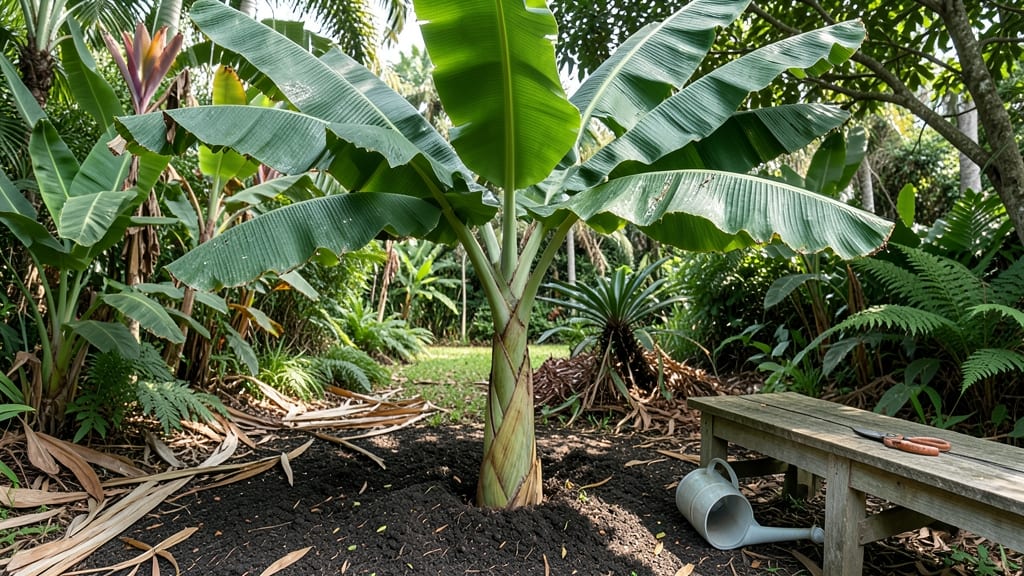
Grow a garden banana tree in your backyard might sound like a tropical fantasy, but with the right container and care, you can harvest sweet fruit even in temperate zones—just like my first attempt with a dwarf Cavendish in a 15-gallon pot. 🌿 pot proved that bananas aren't just for Hawaii—just match the variety to your climate and give it what it craves: warmth, moisture, and space to stretch.
The key to success lies in choosing a cold-hardy variety like 'Dwarf Cavendish' or 'Red Dacca' and using a container at least 2 feet wide with drainage holes.
These tropical plants mimic their jungle roots by growing tall and leafy, so position them where they'll get full sun for at least 6 hours daily. In colder climates, move your banana tree indoors during winter or wrap it in frost cloth when temperatures dip below 50°F.
What you'll end up with is a lush, 6- to 10-foot-tall plant that produces clusters of sweet bananas in its second or third year. The large, dramatic leaves alone make it a conversation piece, but the fruit?
Nothing beats the taste of homegrown bananas—fresh, firm, and bursting with flavor. With proper care, you'll enjoy harvests for years to come.
This method works equally well for patios, balconies, or sunny corners of the yard. Whether you're growing in zone 8 or cooler, the secret is treating your banana tree like the tropical diva it is—with consistent warmth, moisture, and a little extra love when winter rolls around.
📚 In This Guide
- What you need
- Instructions
- Tips and common mistakes
- Wrapping up and next steps
What you need
- ● Banana plant: A Musa variety (like Musa acuminata or Musa balbisiana) from a nursery or online supplier. Choose a dwarf or compact variety (e.g., 'Dwarf Cavendish' or 'Red Dacca') for containers.
- ○ Container: A 5-gallon pot or larger (minimum 18" deep and wide) with drainage holes. Use fabric grow bags for better root aeration (optional but recommended).
- ● Potting mix: A well-draining blend: 60% peat moss or coconut coir, 30% perlite or pumice, and 10% compost. Avoid heavy garden soil!
- ● Fertilizer: Balanced fertilizer (10-10-10) for planting.
- ● High-potassium fertilizer (5-10-10 or 0-0-52) once flowering begins (promotes fruit development).
- ● Mulch: 2–3 inches of straw or wood chips to retain moisture and regulate temperature.
- ● Watering can or hose with a gentle spray nozzle.
- ○ Support stake or trellis (optional): A 5–6 ft bamboo stake or metal cage to help the heavy pseudostems stand upright.
- ● Sunlight: Full sun (6+ hours daily). Partial shade (4–6 hours) works in hot climates.
- ● Temperature: Bananas thrive in 75–85°F (24–29°C). Protect from frost (<32°F/0°C)—they’re tropical divas! 🌴
- ● Humidity: 50–70% humidity. Mist leaves or use a humidifier in dry climates.
- ● Space: At least 3–4 ft of clearance around the plant for airflow (critical to prevent fungal diseases).
- ● 🌱 Test your soil pH: Aim for 5.5–6.5. Adjust with lime (to raise pH) or sulfur (to lower it) if needed.
- ● 🔥 Drainage is non-negotiable: Elevate pots to prevent root rot. Add a 2-inch layer of gravel at the bottom of the pot.
- ● ✨ Container size matters: Upgrade to a 7–10 gallon pot as the plant grows (every 1–2 years).
Step-by-step instructions for growing a banana tree in containers
Here's how to nurture a tropical banana tree in limited space—no yard needed.
🪴 Step 1: Choose the Right Container and Soil Mix
Start with a 5-gallon container or larger—banana trees need room for their roots to spread. I use a pot with drainage holes and a saucer underneath to catch excess water. The soil mix is key: blend equal parts potting soil, coconut coir, and perlite for drainage and aeration. Too much clay soil will suffocate the roots and lead to rot.
Fill the container about two-thirds full with your mix, then tap it gently to settle. The goal is a loose, fluffy texture that lets air reach the roots. Here's the thing—banana trees hate soggy feet. If your mix feels compacted after wetting, add another handful of perlite to lighten it up.
🌱 Step 2: Plant Your Banana Tree and Water Properly
Dig a hole in the center of your container twice as wide as the root ball but no deeper. Gently remove your banana tree from its nursery pot and place it in the hole, ensuring the top of the root ball sits 1 inch below the container rim. This prevents water from pooling around the stem.
Fill the hole with soil and press lightly around the edges. Water deeply until it drains from the bottom holes—this helps settle the soil and removes air pockets. After watering, let the top inch of soil dry out before watering again. Overwatering is the fastest way to kill a banana tree, so check the soil with your finger before reaching for the hose.
☀️ Step 3: Position for Maximum Sunlight and Warmth
Banana trees thrive in full sun (6+ hours daily) and warm temperatures. Place your container in the sunniest spot you have—even a balcony or patio works. If you're in a cooler climate, move the pot indoors during winter when temperatures drop below 50°F. These plants are tropical and won’t survive frost.
Watch for signs of stress: yellowing leaves mean it’s too cold or wet, while brown leaf tips signal too much sun or dry air. If leaves start curling, it’s a cry for more water. Rotate the pot a quarter turn weekly so the tree grows evenly toward the light. You’ll see stronger, straighter growth within a few weeks.
💧 Step 4: Fertilize and Monitor Growth
Feed your banana tree every 4-6 weeks during the growing season (spring and summer) with a balanced, water-soluble fertilizer (10-10-10 or similar). Dilute it to half-strength to avoid burning the roots. I like to fertilize right after watering so the nutrients get absorbed immediately.
As the tree grows, you’ll notice new leaves unfurling from the center. These are your signal that the plant is happy and thriving. If you see flower buds forming, congratulations—you’re on your way to homegrown bananas! Just know that container-grown banana trees may produce smaller fruit than their yard counterparts, but they’re still delicious.
✂️ Step 5: Prune and Maintain Year-Round
Remove any dead or yellowing leaves by cutting them off at the base with clean scissors. This keeps the plant healthy and directs energy to new growth. If your banana tree outgrows its container (usually after 2-3 years), it’s time to repot into a 7-10 gallon container with fresh soil mix.
During winter, reduce watering slightly—let the top 2 inches of soil dry out between waterings. Keep the tree in a warm spot, like a garage or sunroom, if temperatures drop below 55°F. With proper care, your banana tree can live for years and even produce fruit in containers!
Tips & tricks for growing a thriving banana tree in containers
Here's what I learned the hard way about keeping your tropical tree happy in limited space.
Container Size Matters: The 5-gallon minimum is non-negotiable for the first two years—smaller pots will stunt root growth and limit fruit production. I've seen people try 3-gallon containers, and the trees just... give up. If you're impatient and want faster growth, go straight to a 7-gallon pot from the start. Just make sure it has drainage holes or you'll end up with root rot.
Soil Texture is Everything: That equal parts potting soil, coconut coir, and perlite mix isn't just arbitrary—it's the perfect balance. Too much potting soil compacts and suffocates roots, while too much perlite drains too quickly. I always test my mix by squeezing a handful: it should hold its shape but crumble easily when pressed. If it sticks together like wet sand, add more perlite.
Watering Wisdom: The "top inch dry" rule is your best friend, but don't rely solely on timing. Stick your finger 2 inches down—if it feels dry, water thoroughly until it drains from the bottom. I've killed three banana trees by either underwatering or overwatering, and trust me, the wilting happens fast. In winter, let that top 2 inches dry out completely between waterings, even if it means watering only every 10 days.
Sunlight Secrets: That 6+ hours of full sun isn't negotiable, but quality matters more than quantity. If your balcony gets harsh afternoon sun, move the pot to a shadier spot during peak hours. I've seen leaves scorch in as little as 2 hours of direct midday sun. For indoor growers, supplement with a grow light 12 hours a day—your tree will thank you with lush new leaves.
Pro Tips for Grow A Garden Banana Tree
- Here's what I learned the hard way about keeping your tropical tree happy in limited space.
- Container Size Matters: The 5-gallon minimum is non-negotiable for the first two years—smaller pots will stunt root growth and limit fruit production.
- Soil Texture is Everything: That equal parts potting soil, coconut coir, and perlite mix isn't just arbitrary—it's the perfect balance.
Frequently asked questions
Got questions about growing your own garden banana tree?
Here are answers to the most common ones—from beginners to seasoned plant parents.
Can banana trees survive winter in containers?
Banana trees are tropical and can’t handle frost, but with the right care, they can thrive in containers through winter. Move your potted banana tree indoors (near a sunny window or under grow lights) or to a sheltered outdoor spot like a garage or patio. Mulch the pot to retain warmth, and reduce watering slightly. Most varieties will go dormant in cooler months—don’t worry, they’ll bounce back in spring!
How long does it take for a banana tree to produce fruit?
Patience is key! A banana tree typically takes 18–24 months to produce fruit from seed, but faster results come from growing from a pseudostem (the "trunk" base) or a young plant. With ideal conditions—warmth, sunlight, and consistent care—you might see flowers (and later fruit) within 1–2 years. Smaller dwarf varieties may fruit sooner, sometimes in as little as 12 months.
Are banana trees expensive to grow? What’s the cheapest way to start?
Starting a banana tree can be budget-friendly! The cheapest method is growing from seed (available online or from a ripe banana—just save the seeds and dry them first). Alternatively, look for pseudostems or small plants at local tropical nurseries or online marketplaces (often under $20). Avoid buying full-sized trees—they’re pricier and harder to transport. Repurposing large containers (like trash cans or whiskey barrels) also cuts costs!
Why are my banana tree leaves turning yellow or brown?
Yellow or brown leaves usually signal overwatering, underwatering, or pests. Check the soil—it should be moist but not soggy. Brown edges often mean underwatering or salt buildup (flush with water if using tap water). Pests like spider mites or aphids can also cause discoloration. Inspect the undersides of leaves and treat with neem oil or insecticidal soap if needed. Too much wind or cold drafts can also stress the plant.
Can I grow a banana tree in a small apartment with limited sunlight?
Banana trees adapt well to containers and can thrive in small spaces—even apartments—if you meet their needs. Place your pot near the sunniest window (south- or west-facing is ideal) or supplement with a grow light (12–14 hours/day). Choose a dwarf variety like ‘Dwarf Cavendish’ or ‘Lady Finger’—they stay compact (under 10 feet) and fruit faster. Rotate the pot weekly for even growth, and ensure proper drainage to prevent root rot.
Will my homegrown banana tree produce edible fruit?
Yes! While seed-grown banana trees may produce smaller or less sweet fruit (due to genetic variability), plants propagated from pseudostems or cuttings will yield fruit similar to store-bought varieties. For the best results, choose a cultivar known for edible fruit, like ‘Ice Cream’ or ‘Red Dacca.’ Even if the fruit isn’t perfect, it’s still delicious and rewarding. Just avoid eating the hard, fibrous core—it’s not palatable!
Wrapping up and next steps
Growing a garden banana tree in containers is a rewarding way to bring tropical vibes to small spaces—no sprawling yard required! 🌱 With the right pot, soil, and care, you’ll enjoy lush foliage and delicious fruit in just a few years.
Start small, stay patient, and soon you’ll be harvesting your own homegrown bananas!
Ready to take the next step? Pick your favorite variety (like Dwarf Cavendish or Red Dwarf) and get planting—your future banana harvest is just around the corner! 🍌✨