Size
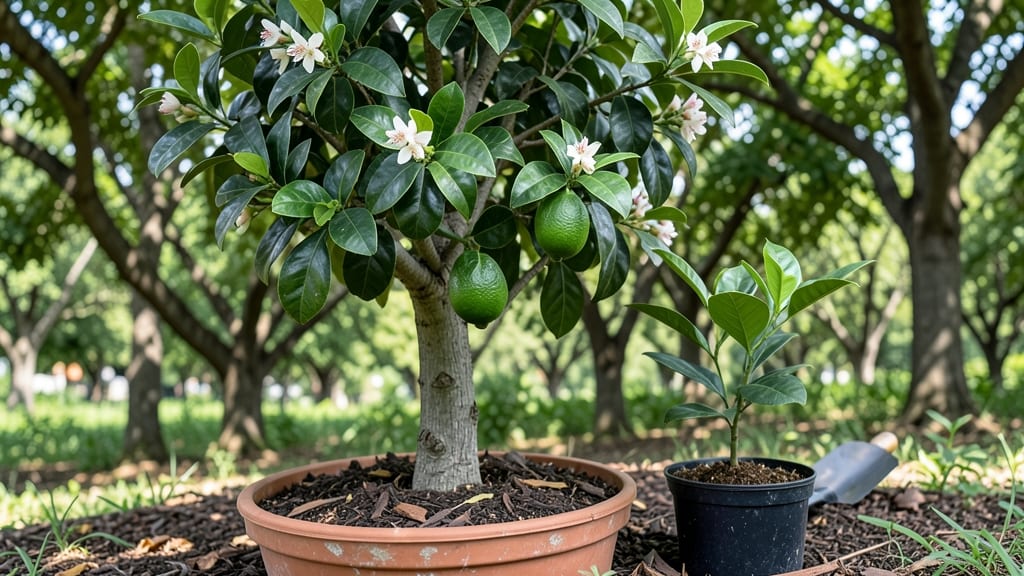
Growing a lime tree from seed or sapling means tangy, homegrown fruit in just a few years—whether you live in a warm climate or a cozy kitchen. 🌱 The key is matching your growing space to the tree's needs: bright light, well-draining soil, and consistent moisture.
My first attempt failed because I overwatered, but now I've perfected the balance for both outdoor and indoor setups.
You'll need fast-draining potting mix (or sandy garden soil), a sunny spot (6+ hours daily), and patience for dwarf varieties to mature. Outdoor trees thrive in USDA zones 9-11, while indoor dwarf types like 'Meyer' adapt to containers year-round.
The biggest mistake? Using regular houseplant soil—lime trees hate soggy roots.
By summer, you'll see glossy new leaves and, with luck, tiny limes forming. Outdoor trees produce fruit in 3-5 years, while indoor varieties may take 5-7 years but reward you with fragrant blossoms first. Prune lightly to encourage branching, and watch for pests like spider mites—neem oil works wonders.
For beginners, start with a Meyer lime sapling—they're cold-hardier and more forgiving. In warmer climates, plant outdoors after last frost; indoors, keep near a south-facing window or under grow lights. Either way, you're just a few seasons away from fresh limeade straight from your own tree.
📚 In This Guide
- What you need
- Instructions
- Tips and common mistakes
- Wrapping up and next steps
What you need
- ● Lime Tree Source: 1 lime seed (from a fresh, organic lime) OR
- ● 1 lime cutting (4-6 inches long, with at least 2-3 nodes) OR
- ● 1 young lime tree sapling (3-5 feet tall, disease-free)
- ● Containers: 1 5-gallon pot (for seedlings/cuttings) OR
- ● 1 15-20 gallon pot (for mature saplings, with drainage holes)
- ● Soil: 1 bag well-draining citrus potting mix (or a blend of 60% peat moss, 30% perlite, and 10% compost)
- ● Tools: 1 pruning shears (sterilized with rubbing alcohol)
- ● 1 trowel or small shovel
- ● 1 spray bottle (for misting seedlings)
- ● 1 pH testing kit (to check soil acidity, ideal: 6.0-7.0)
- ● Fertilizer: 1 balanced citrus fertilizer (e.g., 6-6-6 or 8-3-9 NPK ratio)
- ● Miscellaneous: 1 plastic wrap or humidity dome (for seedling propagation)
- ● 1 mulch or bark chips (to retain moisture outdoors)
- ● 1 support stake (for young trees in windy areas)
- ● 1 self-watering pot (for consistent moisture)
- ● 1 grow lights (if growing indoors with limited sunlight)
- ● 1 citrus tree pollinator (if cross-pollination is needed for fruit)
- ● 1 tree guard or frost cloth (for protection in cold climates)
Step-by-Step instructions for cultivating a healthy lime tree
Here's my battle-tested method for growing limes—whether you're starting from seed or transplanting a young tree.
🌱 Step 1: Select and Prepare Your Lime Tree
For fastest results, choose a 1-2 year old dwarf variety like 'Meyer' or 'Bearss' from a nursery. These adapt better to containers and produce fruit sooner than seed-grown trees. If starting from seed, expect 3-5 years before fruiting—patience is key here. Remove the tree from its nursery pot and examine the roots: gently tease apart any circling roots with your fingers to encourage outward growth.
Soak the root ball in lukewarm water for 15-20 minutes before planting. This hydrates the roots and reduces transplant shock. I always add a tablespoon of mycorrhizal fungi to the planting hole—it helps roots establish faster by forming beneficial partnerships with soil microbes. The fungi comes as a powder, so mix it directly into the top 2 inches of soil where roots will spread.
☀️ Step 2: Choose the Right Location and Soil
Limes thrive in full sun—at least 6-8 hours daily—but can tolerate partial shade in hot climates. For outdoor planting, select a spot with well-draining soil and shelter from strong winds, which can damage tender leaves. If growing in containers, use a 15-20 gallon pot with drainage holes—lime trees hate soggy roots.
Amend native soil with 20% compost and a slow-release citrus fertilizer (look for one with 6-6-6 NPK ratio). The pH should be 6.0-7.0—lime trees are sensitive to alkaline soil. Test your soil's pH before planting; if it's too high, mix in sulfur according to package instructions. I always add a 2-inch layer of pine bark fines on top—this mimics their native tropical conditions and retains moisture while preventing compaction.
💧 Step 3: Water and Establish Initial Care
After planting, water deeply—enough to moisten the soil 12 inches down. You'll know you've watered sufficiently when water runs out the drainage holes. For the first 2 weeks, keep the soil consistently moist (but not soggy) by watering every 2-3 days. Overwatering at this stage causes root rot, which is nearly impossible to reverse.
Once established, lime trees prefer drier conditions. Water once a week during dry spells, but always check the soil first—stick your finger 2 inches down. If it feels dry, water thoroughly. If it's still moist, wait another day. I use drip irrigation for container-grown trees to avoid wetting the leaves, which can lead to fungal issues. Fertilize every 3 months with a citrus-specific formula during the growing season (spring through fall).
✂️ Step 4: Prune and Maintain for Fruit Production
Prune your lime tree once a year in late winter or early spring before new growth begins. Remove any dead, diseased, or crossing branches first—these compete with healthy growth. Then, shape the tree by cutting back overly long branches to encourage a compact, bushy form. Never remove more than 25% of the canopy in one session, or you'll stress the tree.
Here's the thing—lime trees produce more fruit when they have good air circulation. Thin out any dense growth inside the canopy. You'll also want to remove suckers (shoots growing from the base or trunk) regularly—they drain energy from fruit production. After pruning, apply a light layer of mulch (like the pine bark fines) around the base, keeping it 3 inches away from the trunk to prevent rot.
🌿 Step 5: Protect and Harvest Your Limes
If growing outdoors in USDA zones 9-11, your lime tree will likely thrive year-round. But if you're in a colder zone, bring container-grown trees indoors before temperatures drop below 40°F. Place them near a south-facing window or under grow lights for 12-14 hours daily. Limes need winter dormancy, so reduce watering by half and stop fertilizing until spring.
Harvest limes when they're fully colored but still slightly firm to the touch. They won't ripen further off the tree. For container-grown trees, expect fruit in 2-3 years; for outdoor trees in warm climates, you might see limes as early as 1 year. I always harvest with clean pruners, leaving a small stem attached—this helps the fruit last longer. Store unripe limes at room temperature and move them to the fridge once they're ripe to extend freshness.
Tips & tricks for cultivating a thriving lime tree
Here's what I've learned after nurturing multiple lime trees—these details make all the difference between a struggling plant and a fruit-bearing powerhouse.
Root Preparation Matters: In Step 1, when you're teasing apart circling roots, take your time—this isn't just about loosening roots, it's about encouraging them to grow outward rather than circling the pot. I've seen trees with perfectly prepared roots thrive where others with tangled roots struggled. The 15-20 minute soak is crucial too; this mimics natural rainfall and helps roots absorb water before planting. Pro tip: If your tap water is particularly hard, use rainwater or distilled water for this soak to give your tree the best start.
Soil Science for Success: The 6.0-7.0 pH range in Step 2 isn't just a recommendation—it's critical. Lime trees are particularly sensitive to alkaline soil, which can lock out essential nutrients. If you're unsure about your soil's pH, invest in a simple test kit. I've seen trees in slightly acidic soil (5.5-6.0) do well, but anything above 7.5 will stress your tree. That 2-inch layer of pine bark fines isn't just decoration—it creates the perfect microclimate by retaining moisture while preventing compaction, which is exactly what lime trees need to mimic their tropical origins.
Watering Wisdom: The first 2 weeks are the most critical for watering in Step 3. I can't stress enough how important it is to check for drainage—water should run out the bottom within 15-20 minutes. If it doesn't, your tree is at risk for root rot. Once established, the "once a week" guideline is perfect, but remember that's during dry spells. In humid climates, you might need to water less frequently, while hot, dry weather may require more frequent checks. That finger test is your best friend—2 inches down is the magic number for determining when to water.
Pruning Precision: When you're pruning in Step 4, think of it as sculpting rather than cutting. The 25% canopy rule is non-negotiable—this prevents shock. I always prune just above a leaf node where new growth can emerge. For fruit production, focus on removing branches that cross or rub against each other—they create wounds that can invite disease. And those suckers? Remove them as soon as you see them. I've seen trees completely drained of energy because homeowners let suckers grow unchecked for months.
Pro Tips for Grow A Lime Tree
- Here's what I've learned after nurturing multiple lime trees—these details make all the difference between a struggling plant and a fruit-bearing powerhouse.
- Root Preparation Matters: In Step 1, when you're teasing apart circling roots, take your time—this isn't just about loosening roots, it's about encouraging them to grow outward rather than circling the pot.
- Soil Science for Success: The 6.0-7.0 pH range in Step 2 isn't just a recommendation—it's critical.
Frequently asked questions
Got questions about growing your own lime tree?
Whether you're a citrus newbie or a seasoned gardener, these answers will help you avoid common pitfalls and maximize your harvest.
Can I grow a lime tree indoors, or does it need to be outside?
Lime trees can thrive indoors, but they need bright, indirect light (like a south-facing window) and warm temperatures (65–80°F). If outdoors, they love full sun and frost-free climates (USDA zones 9–11). For indoor trees, a grow light or occasional outdoor time in summer helps them stay healthy. Pro tip: Rotate your tree weekly for even growth!
How long does it take for a lime tree to bear fruit?
Patience is key! Dwarf varieties (like 'Meyer' limes) may produce fruit in 3–5 years, while standard trees can take 5–10 years. Young trees focus on root and leaf growth first. Boost fruiting by ensuring they get enough sunlight, water, and balanced fertilizer (high in nitrogen early, then switch to phosphorus/potassium for blooms).
Why are my lime tree leaves turning yellow?
Yellow leaves usually signal overwatering (check soil moisture!) or nutrient deficiencies (like iron or nitrogen). Brown edges? It could be underwatering or low humidity. If only new leaves yellow, it’s likely a chlorosis issue—amend soil with iron chelate or sulfur. Fix it fast: Adjust watering, improve drainage, and test soil pH (aim for 6.0–7.0).
Are all lime trees the same? What’s the difference between Key limes and Meyer limes?
Key limes
are small, tart, and heat-loving (great for Key lime pie!), while Meyer limes are sweeter, larger, and more cold-tolerant (perfect for indoors). Key limes need warm climates (zones 9–11), while Meyer limes adapt better to containers and cooler spots. Choose based on your climate and taste preferences!
How do I protect my lime tree from pests like aphids or citrus leaf miners?
Prevent pests with neem oil (spray leaves weekly) and beneficial insects like ladybugs. For leaf miners, remove infested leaves and use kaolin clay as a barrier. Keep trees healthy—stressed plants attract pests. Early action: Inspect leaves regularly (especially undersides) for tiny webs or holes.
| Quick Fixes for Common Issues | Solution |
|---|---|
| Dropping leaves | Check for underwatering or sudden temperature drops. Water deeply but less often. |
| No flowers/fruit | Switch to a low-nitrogen, high-phosphorus fertilizer (like 5-10-10) and ensure 6+ hours of sunlight daily. |
| Small, bitter limes | Thin fruit when young (leave 4–6 inches between limes) to improve size and sweetness. |
Wrapping up and next steps
Growing your own lime tree is a rewarding journey—whether you’re nurturing a tiny seedling or tending to a thriving citrus plant! With the right light, soil, and care, you’ll enjoy fresh limes year-round, whether indoors or out. Remember, patience is key, but the tangy payoff is worth every effort.
Ready to take the next step? Start small:
- Pick a sunny spot (or a bright window) for your tree.
- Monitor moisture and fertilize regularly for lush growth.
- Celebrate each leaf, bloom, and eventually, that first lime!