
Pruning
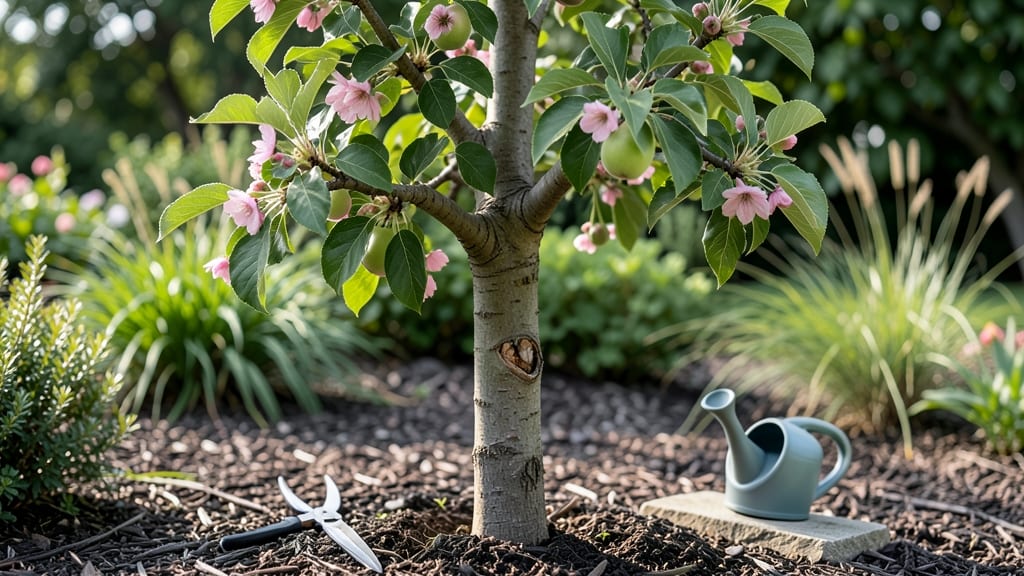
A grafted peach tree in your Pacific Northwest yard means summer fruit without the winter worries. 🌱 I learned the hard way that regular peaches freeze solid here—until I found cold-hardy varieties grafted onto tough rootstock. These trees survive our frosts while still bearing juicy, sweet fruit.
The secret starts with the right rootstock—Elberta or Lovell rootstock thrives in our climate, while the scion (top part) brings the flavor. Planting takes just 30 minutes if you prep the hole right, and pruning keeps the tree productive for decades. Even beginners can master this with the right steps.
By summer, you'll be picking ripe peaches that taste like childhood memories—no more driving hours for fresh fruit. The trees stay compact, fit in small spaces, and reward you with harvests for 20+ years. Let's get yours growing strong.
Works for urban yards, rural orchards, or even large containers. The key is matching variety to your microclimate—whether you're in Portland's rain or the Columbia Gorge's cold snaps. Here's how to make it work perfectly for you.
📚 In This Guide
- What you need
- Instructions
- Tips and common mistakes
- Wrapping up and next steps
What you need
- ● Grafted peach tree: Choose a cold-hardy variety (e.g., ‘Reliance,’ ‘Contender,’ or ‘Redhaven’). Look for whip-and-tongue or cleft-grafted trees labeled for Zone 5-7.
- ● Planting site: Full sun (6+ hours/day).
- ● Well-draining soil (amend with compost if needed).
- ● Sheltered spot (e.g., near a fence or building) to protect from wind.
- ● Tools: Shovel or trowel (for digging).
- ● Pruning shears (sterilized with rubbing alcohol).
- ● Grafting tape or parafilm (if repairing grafts).
- ● Mulch (2–3 inches of wood chips or straw).
- ● Frost protection (early years): Frost cloth or row covers (for young trees).
- ● Tree wrap (to prevent sunscald).
- ● Soil test kit (to check pH—ideal range: 6.0–6.5).
- ● Slow-release fertilizer (10-10-10 or organic options).
- ● Drip irrigation system (for consistent moisture).
- ● Stakes and ties (if planting in windy areas).
- ● Root stimulator (for faster establishment).
Step-by-step guide to planting and caring for a grafted peach tree in cold climates
Here's how to give your cold-hardy peach tree the best start in frost-prone zones.
🪴 Step 1: Choose the Right Planting Site and Prepare the Soil
Pick a sunny spot that gets at least 6-8 hours of direct sunlight daily. Peaches thrive in well-draining soil with a pH between 6.0 and 7.0. If your soil is heavy clay, mix in 2-3 inches of compost and a handful of sand to improve drainage.
Dig a hole twice as wide as the root ball but no deeper. The graft union should sit 2-3 inches above ground level—this prevents it from rotting when soil settles. Loosen the roots gently if they're circling the root ball, but don't prune them unless necessary.
🌱 Step 2: Plant and Stake for Stability
Place the tree in the hole so the graft union faces away from the prevailing wind. Backfill with native soil, tamping lightly to remove air pockets. Water deeply to settle the soil around the roots, then add 2-3 inches of mulch (like wood chips) to retain moisture and regulate temperature.
Stake the tree if needed—young peach trees need support in windy areas. Use a 2-inch-wide stake driven 6 inches deep on the side opposite the prevailing wind. Tie the trunk loosely with soft fabric or rubber tubing to allow some movement.
☀️ Step 3: Water and Fertilize for Strong Growth
Water deeply once a week during the first growing season, providing 1-2 gallons per watering. Let the top 2 inches of soil dry out between waterings to prevent root rot. Avoid wetting the leaves to reduce disease risk.
Apply a balanced 10-10-10 fertilizer in early spring, following package instructions. Avoid high-nitrogen fertilizers—they promote leafy growth at the expense of fruit production. In late summer, switch to a low-nitrogen, high-phosphorus fertilizer to encourage root development for winter hardiness.
✂️ Step 4: Prune and Protect for Winter Survival
Prune in late winter or early spring to remove dead or crossing branches. Open the center of the tree to allow sunlight and air circulation. Cut back any suckers (shoots growing below the graft union)—they drain energy from the desired fruit-bearing branches.
In frost-prone areas, wrap the trunk with tree wrap or burlap to protect it from winter sunscald. Pile 12-18 inches of mulch around the base (but not touching the trunk) to insulate roots. Water the tree thoroughly before the ground freezes to help it survive winter dormancy.
Tips & tricks for planting cold-hardy peach trees
Real talk: Cold-hardy peach trees need extra care to thrive in frost-prone zones. Here's what I've learned after helping several friends establish their own orchards.
Sunlight Secret: Those 6-8 hours of sunlight are non-negotiable for peaches, but I've found that morning sun is even more critical in cold climates. Position your tree to catch eastern sunlight first—it warms up faster and gives your tree a head start each day. If you have limited space, consider a south-facing slope for natural heat retention.
Graft Union Protection: The 2-3 inches above ground level rule for the graft union is crucial, but I've seen many gardeners forget to check this after planting. Use a small stake marked with a line at the correct height to verify placement before backfilling. This simple step prevents future rot that can kill your entire tree.
Mulch Strategy: While the instructions call for 2-3 inches of mulch initially, I recommend building up to 4-6 inches by winter (clearly marked as optional). The extra insulation helps protect roots during temperature swings. Just remember to keep mulch 6 inches away from the trunk to prevent moisture buildup that causes rot.
Winter Watering: That final watering before the ground freezes is often overlooked. I've found that giving your tree 5 gallons (double the usual amount) right before winter helps build root reserves. The extra moisture creates a protective ice layer that insulates roots better than dry soil.
Pro Tips for Grafted Peach Tree
- Real talk: Cold-hardy peach trees need extra care to thrive in frost-prone zones.
- Sunlight Secret: Those 6-8 hours of sunlight are non-negotiable for peaches, but I've found that morning sun is even more critical in cold climates.
- Graft Union Protection: The 2-3 inches above ground level rule for the graft union is crucial, but I've seen many gardeners forget to check this after planting.
Frequently asked questions
When is the best time to plant a grafted peach tree in the Pacific Northwest?
Plant your grafted peach tree in late fall or early winter (November–February) to avoid frost stress. This gives roots time to establish before spring growth. If planting in spring, do so after the last frost (typically March–April) and water deeply to reduce transplant shock.
How cold-hardy are grafted peach trees, and will they survive PNW winters?
Most grafted peach trees tolerate down to -15°F (-26°C), but cold-hardy varieties (like ‘Reliance’ or ‘Contender’) can handle -20°F (-29°C). In the PNW, mulch heavily with straw or wood chips and wrap the trunk with burlap to protect against windburn and extreme cold.
Can I graft a peach tree myself, or should I buy a pre-grafted one?
While DIY grafting is possible (using whip-and-tongue or bark grafting), pre-grafted trees are far more reliable for beginners. Nurseries specializing in cold-hardy varieties (like Washington State University’s recommendations) offer proven, disease-resistant rootstocks already paired with productive scions.
Why isn’t my grafted peach tree producing fruit, even after years of growth?
Common reasons include:
- Improper grafting: The scion (fruit-bearing top) may have failed—check for callus growth at the graft union.
- Rootstock incompatibility: Some rootstocks (like Lovell) produce vigorous growth but poor fruit quality.
- Lack of pollination: Plant a second variety (e.g., ‘Redhaven’ + ‘Suncrest’) for cross-pollination.
- Environmental stress: Frost damage or drought can delay fruiting—ensure 6+ hours of sun and well-draining soil.
What’s the best rootstock for frost-prone PNW climates?
For the Pacific Northwest, prioritize dwarfing or semi-dwarfing rootstocks like:
- ‘Lovell’: Vigorous, cold-tolerant, but requires staking.
- ‘Nemaguard’: Disease-resistant and productive in colder zones.
- ‘Flordaguard’: Compact, reliable for urban gardens.
Always match rootstock to your microclimate—ask local nurseries for zone-specific advice!
Wrapping up and next steps
Growing a grafted peach tree in the Pacific Northwest’s chilly climate is totally doable—especially with cold-hardy varieties like ‘Reliance’ or ‘Contender’! 🌱 By choosing the right rootstock, protecting young trees, and mastering pruning, you’ll enjoy sweet peaches even in frost-prone zones.
Your garden will thank you for the effort, and soon, you’ll be savoring homegrown fruit with pride.
Ready to take the next step? Start small—plant one tree this season, observe its progress, and expand your orchard as you gain confidence. Happy growing! 🍑✨