
Pruning
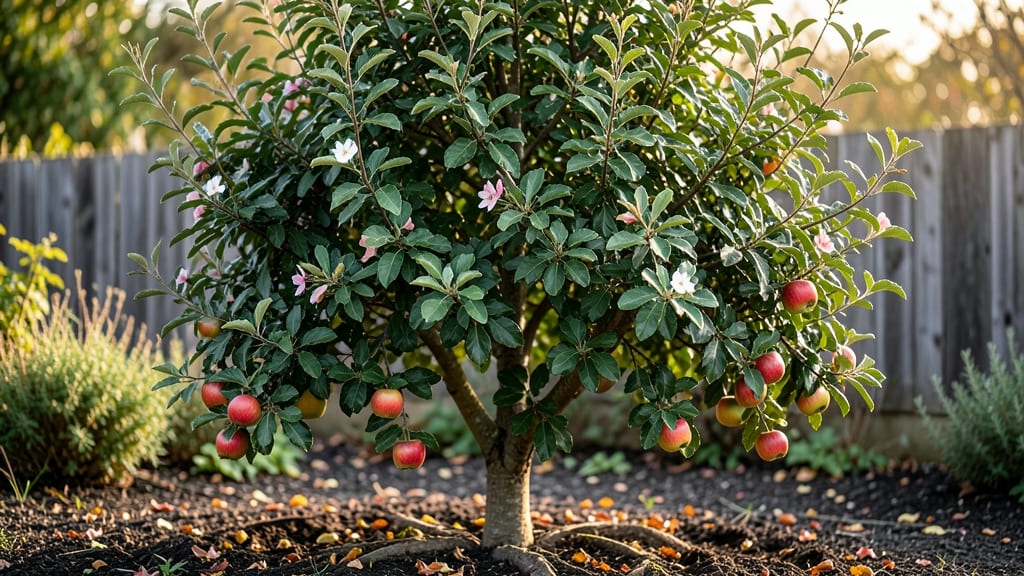
The Galarina apple tree thrives in the Pacific Northwest's chilly climate—if you prune it right. I’ve watched mine survive brutal frosts by following a late-winter pruning method that keeps the branches sturdy and the fruit production strong.
The key isn’t just cutting back; it’s timing it so the tree wakes up just as spring arrives, ready to burst into growth.
Here’s the thing—most pruning guides treat all apple trees the same, but Galarinas need a gentler touch. You’ll work with sharp pruners, a sunny day, and a clear plan for shaping the tree while removing dead wood.
The goal? Open the center to sunlight and air, which prevents rot and boosts fruit quality. I’ve seen trees go from sparse harvests to heavy branches after just one proper pruning session.
By late winter, your tree will reward you with sweet, crisp apples that stay fresh well into fall. The pruned branches heal quickly, and the tree focuses its energy on producing fruit instead of patchy growth.
Plus, you’ll avoid the heartbreak of frost-damaged blooms—something I learned the hard way my first year.
This method works for both young saplings and mature trees, whether you’re in Seattle’s damp climate or Portland’s drier zones. The only real mistake? Pruning too late, when the buds start swelling. Stick with me, and you’ll have a tree that not only survives the frost but thrives in it.
📚 In This Guide
- What you need
- Instructions
- Tips and common mistakes
- Wrapping up and next steps
What you need
- ● Pruning shears (bypass): Sharp, clean, and disinfected (alcohol or bleach solution) – 1 pair (for small branches).
- ● Loppers (long-handled): For branches ½" to 2" thick – 1 pair.
- ● Pruning saw: For thick branches 2"+" – 1 (with a fine-tooth blade for clean cuts).
- ● Rubbing alcohol (70%+): For sanitizing tools – small bottle.
- ○ Pruning sealant (optional but helpful): To prevent disease entry on large cuts – small jar.
- ● Garden gloves: Heavy-duty, cut-resistant – 1 pair (protects from thorns and sap).
- ● Ladder or step stool: If tree is over 6 ft tall – 1 (stable and non-slip).
- ● Disposable bags or bucket: For collecting pruned branches – 1-2.
- ● Sharpie or marker: To label cuts if needed – 1.
- ● Choose a dry, sunny day: Avoid pruning if rain or frost is forecasted within 24 hours.
- ● Check tree health: Look for diseased or dead branches (remove immediately to prevent spread).
- ● Gather safety gear: Eye protection (goggles) and long sleeves (apple sap can irritate skin).
- ● Plan your cuts: Sketch a rough map of the tree’s structure to visualize open-center vs. central-leader shaping.
- ● Tree wound paint: For large cuts (controversial but some swear by it for extra protection).
- ● Disposable pruning saw blades: If working with very thick branches.
- ● Pruning rope or twine: To temporarily secure branches during shaping.
- ● Camera or phone: Snap before/after photos to track progress!
Instructions for pruning your Galarina apple tree in late winter
This is the best time to shape your tree and protect it from PNW frost—just follow these clear steps.
Gather Tools and Assess the Tree
Start by collecting your tools: a sharp pruning saw, bypass pruners, and disinfectant. Wipe down blades with rubbing alcohol before you begin—this prevents spreading disease between cuts. The Galarina’s dense branches can harbor fungal spores, so cleanliness matters.
Next, examine the tree’s structure. Look for branches that cross, rub together, or grow inward—they’ll compete for sunlight and create weak points. Also identify any dead, diseased, or damaged limbs (they’ll be brown, brittle, or oozing sap). These must come out first, no exceptions.
Remove Problem Branches First
Begin with the 3 D’s: dead, diseased, and damaged branches. Cut these back to the trunk or to a healthy outward-facing bud. Make your cuts at a 45-degree angle, about ¼ inch above the bud, to encourage proper healing. If a branch is thicker than your wrist, use the pruning saw for clean cuts.
Next, tackle crossing or rubbing branches. Remove the smaller of the two, cutting just outside the branch collar. Never leave stubs—this invites rot. For branches growing straight up, trim the top third to open the canopy and let light reach the center. The Galarina’s fruit develops best with good airflow.
Thin the Canopy for Airflow and Light
Now focus on thinning the tree’s interior. Remove about 20-30% of the smaller branches to improve airflow and reduce frost pockets. Start at the center and work outward, prioritizing branches that block sunlight from reaching the core. The Galarina’s thick foliage can trap cold air, so open it up.
Look for branches that grow at sharp angles (less than 45 degrees) to the trunk—these are weak and likely to break in storms. Cut them back to a strong lateral branch or bud. Avoid over-thinning; you want to maintain the tree’s natural shape while improving its structure.
Shape for Frost Resistance
In the Pacific Northwest, frost clings to dense foliage. To protect blossoms and young fruit, shape the tree into an open vase form. This means keeping the lower branches shorter and the upper branches longer, creating a broad, upward-sweeping shape. The Galarina’s fruit ripens later, so this form helps warm air circulate during late frosts.
Step back frequently to visualize the tree’s silhouette. The goal is a balanced, pyramid-like structure with no heavy clusters of branches on one side. Avoid cutting more than 25% of the tree’s total branches in one season—this stresses the Galarina and reduces fruit production.
Clean Up and Apply Wound Treatment
After pruning, rake up and dispose of all debris—this removes hiding spots for pests and diseases. Wipe down your tools again with disinfectant to prevent cross-contamination. For larger cuts (over ½ inch thickwound dressing to seal the area and prevent infection.
Water the tree deeply after pruning to help it recover. The Galarina’s roots will need to support new growth, so mulch around the base with 3-4 inches of organic mulch, keeping it 6 inches away from the trunk. This insulates the roots and retains moisture as spring arrives.
Tips & tricks for pruning Galarina apple trees
Late-winter pruning sets the stage for a healthier, frost-resistant Galarina apple tree—here’s how to avoid common mistakes and get it right the first time.
Tool Prep is Non-Negotiable: That disinfectant wipe isn’t just a suggestion—it’s critical. I’ve seen fungal infections spread between cuts when tools weren’t properly cleaned, especially with Galarina’s dense branches. Use rubbing alcohol on all blades before you begin, and keep a spray bottle handy to clean between cuts on larger branches. The Galarina’s thick foliage traps spores, so you’re essentially working in a petri dish.
Visualize the Final Shape First: Before making any cuts, step back and study the tree’s natural growth pattern. The Galarina’s open vase form should have lower branches shorter than upper ones—this creates that upward-sweeping silhouette that resists frost. I mark potential cuts with tape or a clothespin before pruning to avoid over-cutting. Think of it like sketching before painting: you wouldn’t start without a plan.
Branch Angle Matters More Than You Think: When cutting branches growing at sharp angles (less than 45 degrees), you’re not just shaping the tree—you’re preventing future storm damage. These weak branches are common in Galarina trees and often break during PNW windstorms. Cut back to a strong lateral branch or bud, and always make that 45-degree angle cut just outside the branch collar. The collar is nature’s sealant, so don’t remove it.
Mulch Placement is an Afterthought: Most people mulch correctly but place it wrong. Keep that 3-4 inches of organic mulch 6 inches away from the trunk—any closer and you’ll smother the tree’s base. The Galarina’s roots need air circulation, not a suffocating blanket. After pruning, water deeply first, then apply mulch to lock in moisture while protecting roots from temperature swings that PNW winters are famous for.
Pro Tips for Galarina Apple Tree
- Late-winter pruning sets the stage for a healthier, frost-resistant Galarina apple tree—here’s how to avoid common mistakes and get it right the first time.
- Tool Prep is Non-Negotiable: That disinfectant wipe isn’t just a suggestion—it’s critical.
- Visualize the Final Shape First: Before making any cuts, step back and study the tree’s natural growth pattern.
Frequently asked questions
Got questions about pruning your Galarina apple tree in late winter? You’re not alone!
Whether you're a first-time pruner or just want to refine your skills, these answers will help you navigate frost-prone Pacific Northwest conditions with confidence.
When is the exact best time to prune a Galarina apple tree in the PNW?
The ideal window is late winter, once the worst frost threats have passed but before buds swell—typically February to early March in most of the PNW. Prune after a hard freeze (below 20°F) to minimize disease risk. Avoid pruning too early, as late frosts can still damage tender new growth.
How much can I cut back? Will I hurt the tree?
For a healthy Galarina tree, aim to remove 20–30% of the canopy to improve airflow and sunlight penetration. Focus on:
- Dead, diseased, or crossing branches
- Suckers at the base
- Water sprouts (vertical shoots)
What if a late frost hits after I prune? Can I still save my tree?
Late frosts are a PNW reality! If new growth appears after pruning and then gets nipped by frost:
- Don’t panic—the tree is resilient.
- Prune again in early summer to remove frost-damaged shoots.
- Focus on watering deeply (1–2 inches/week) to help recovery.
Are there any pruning mistakes I should avoid with Galarina?
Yes! Steer clear of these common pitfalls:
- Topping the tree (cutting the main stem flat)—this encourages weak regrowth.
- Pruning in wet or windy conditions (increases disease risk).
- Leaving stubs—cut branches just outside the branch collar.
- Pruning in summer (encourages disease and attracts pests).
What’s a good alternative if I’m not confident pruning myself?
If DIY pruning feels overwhelming, consider:
- Hiring a local arborist (many specialize in fruit trees).
- Attending a PNW orchard workshop (e.g., WSU Extension classes).
- Joining a community garden group—many offer pruning days!
Wrapping up and next steps
Growing a Galarina apple tree in the Pacific Northwest’s chilly climate is totally doable—especially when you master late-winter pruning! By following the right techniques, you’ll protect your tree from frost damage, boost airflow, and set the stage for a bountiful harvest. 🌱❄️
Now that you’re armed with the know-how, grab those shears and get pruning! Start small, observe your tree’s progress, and adjust as needed. Before you know it, you’ll be enjoying crisp, homegrown Galarinas—straight from your own backyard. Happy pruning! 🍏✨