
Pruning
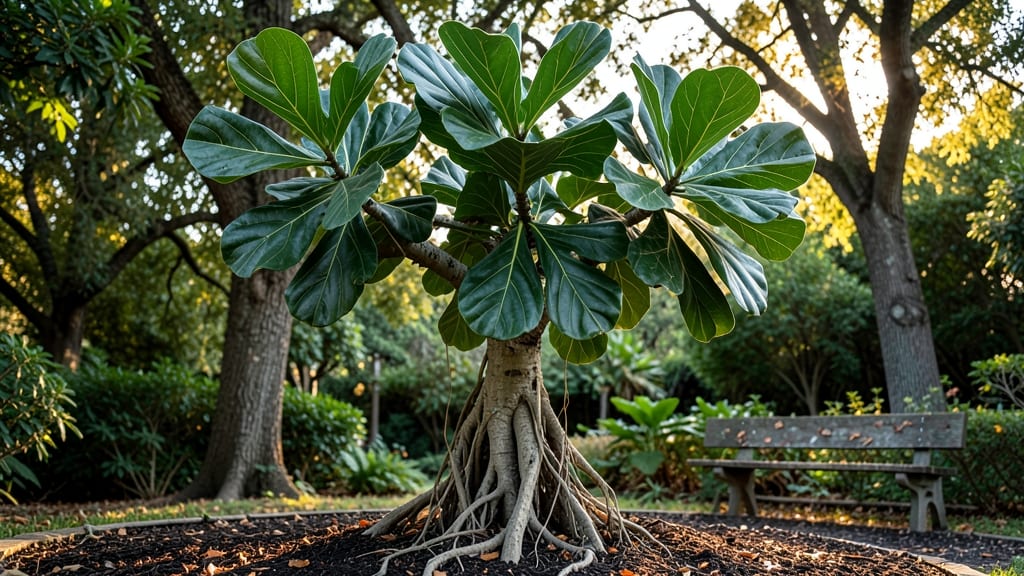
Your fiddle leaf fig tree outdoors in the Pacific Northwest needs a different approach than indoor care—especially when it comes to pruning. I’ve learned the hard way that these tropical plants can’t handle our damp winters and chilly summers without some strategic cuts and protection.
The key isn’t just trimming for looks; it’s about survival, shaping growth to match our unpredictable climate while keeping those iconic leaves lush and vibrant.
Start by assessing your tree’s health in early spring before new growth begins. Look for leggy branches, yellowing leaves, or weak stems—these are prime candidates for pruning. Use clean, sharp pruners to make cuts just above a leaf node, and avoid over-trimming more than one-third of the foliage at once.
The goal is to encourage bushier growth while preventing shock, especially in our cooler, wetter months when recovery slows down. A light dusting of cinnamon on cuts helps too—it’s a natural fungicide that works wonders in our damp air.
What you’ll end up with is a fiddle leaf fig that thrives despite the challenges of our region. The leaves stay glossy and deep green, the branches fill out instead of stretching, and you’ll avoid the dreaded leaf drop that plagues so many outdoor tropicals.
With the right pruning timing and technique, your tree won’t just survive—it’ll become the standout focal point of your patio or garden, year after year. Ready to give it the care it deserves?
This method works for both container-grown and in-ground fiddle leaf figs, though containers offer more flexibility for moving your tree indoors during frost or extreme weather. The same principles apply whether you’re dealing with a young plant or an established specimen—adjust the intensity based on size and resilience.
Let’s get those pruners out and turn your fiddle leaf fig into a Pacific Northwest survivor.
📚 In This Guide
- What you need
- Instructions
- Tips and common mistakes
- Wrapping up and next steps
What you need
- ● Pruning shears: Bypass pruners (sharp, 5-7 inch blades) for clean cuts on smaller branches.
- ● Loppers: 8-10 inch for thicker stems (up to 2 inches in diameter).
- ● Hand pruners: Anvil-style (for emergencies, but avoid for fiddle leaf figs—they crush stems).
- ● Disinfectant: 70% isopropyl alcohol or bleach solution (1:9 ratio) to sterilize tools between cuts.
- ● Garden gloves: Heavy-duty, cut-resistant (fiddle leaf fig sap can irritate skin!).
- ● Sealing wax: Pruning sealant (like Tree Top or Tanglefoot) to prevent sap oozing on large cuts.
- ● Bucket or tray: Large enough to collect clippings for composting or disposal.
- ● Measuring tape: Flexible, 6-foot to gauge branch thickness and spacing.
- ● Extension pole: 3-6 foot with pruner attachment for high branches.
- ● Hose or spray bottle: For rinsing tools or refreshing the tree post-pruning.
- ● Plant food: Balanced liquid fertilizer (10-10-10) to revive the tree after stress.
- ● Mulch: Organic (cedar or pine) to protect roots in PNW’s damp climate.
- ● Camera or notebook: To document "before" shots or track growth progress!
- ● Weather: Wait for a dry, mild day (50–70°F) to avoid fungal risks.
- ● Timing: Prune in early spring (March–April) or late summer (August–September)—avoid winter!
- ● Location: Ensure the tree is acclimated to outdoors (hardened off for 2+ weeks).
- ● Health check: Inspect for pests/diseases (like spider mites or root rot) before pruning.
How to prune a fiddle leaf fig for Pacific Northwest outdoor success
Here's the method I've refined after years of keeping fiddle leaf figs thriving in our damp, cool climate.
Time Your Pruning for Optimal Growth
Prune your fiddle leaf fig in early spring, just as new growth begins. This timing ensures you're cutting back before the plant's natural flush of energy, allowing it to recover quickly. In the Pacific Northwest, aim for late February to early March—right after your last frost date. You'll notice fresh, vibrant leaves emerging from the stem; that's your cue to start.
Never prune in fall or winter. The plant needs all its energy to survive our cooler months, and pruning then stresses it unnecessarily. If you missed the spring window, wait until late summer—just don't prune after August, or you risk stunted growth before winter.
Identify and Remove Problematic Growth
Start by inspecting your fiddle leaf fig for yellowing leaves, brown leaf tips, or leggy, sparse branches. These are clear signs of overwatering, underwatering, or insufficient light—common issues in our cloudy climate. Use clean, sharp pruning shears to cut just above a leaf node (the bump where leaves grow) at a 45-degree angle.
Remove any branches that are more than one-third bare—these won't recover and will only drain energy. If a branch has a few healthy leaves but is otherwise weak, trim it back to a stronger section. You'll see healthier regrowth within 4-6 weeks if you've pruned correctly.
Encourage Bushier Growth with Strategic Cuts
To promote a fuller, more compact shape, focus on cutting back the longest, leggiest stems first. Trim these to about 6-8 inches from the base, leaving at least 2-3 leaf nodes on each remaining stem. This encourages the plant to branch out rather than grow tall and sparse.
For thicker stems, you can make a third cut just above a leaf node on the same branch. This creates a more natural, layered look and prevents the plant from becoming top-heavy. After pruning, step back and visualize the plant's shape—you want an open, airy structure that allows light to reach all leaves.
Clean Up and Protect Your Tree
After pruning, remove all fallen leaves and clippings from the area. These can harbor pests or fungal spores, which thrive in our damp climate. Dispose of them in the trash, not the compost—fiddle leaf fig debris can spread diseases like root rot.
Apply a light layer of mulch around the base of the plant (but not touching the trunk) to protect roots from temperature fluctuations. In the Pacific Northwest, this is especially important during our chilly, wet winters. Water deeply after pruning to help the plant recover, but avoid overwatering—soil should be dry to the touch 1-2 inches down before watering again.
Tips & tricks for Pacific Northwest fiddle leaf fig pruning
Here's what I've learned after years of keeping fiddle leaf figs thriving in our damp, rainy climate—these tricks make all the difference.
Timing is everything: The early spring window (late February to early March) is critical because it coincides with your plant's natural growth surge. In our cool climate, this timing gives your fiddle leaf fig the best chance to recover quickly. If you're unsure about your last frost date, check your local weather forecast or use a plant hardiness zone map—our region's microclimates can vary dramatically even within short distances. Remember, pruning after August risks stunted growth before winter, so don't wait too long!
Leaf node location matters: When making cuts in Step 2, always look for that small bump (the leaf node) where leaves grow from the stem. Cutting just above this node at a 45-degree angle promotes new growth from that exact spot. I've seen beginners make the mistake of cutting too close to the base or at awkward angles—this can leave ugly scars and prevent new growth. Take your time here; it's worth the extra few seconds to get it right.
Strategic cuts create bushier growth: For that fuller, more compact shape you want (as mentioned in Step 3), focus on cutting back the longest stems to about 6-8 inches from the base. This might seem drastic, but trust me—your plant will thank you with new branches sprouting from those lower leaf nodes. I've seen fiddle leaf figs go from leggy and sparse to lush and full after just one proper pruning session using this technique. After making your cuts, step back and visualize the plant's shape—you're aiming for that open, airy structure that allows light to reach all leaves.
Cleanup prevents future problems: The cleanup step in Step 4 is often overlooked, but it's crucial for preventing fungal issues in our damp climate. Those fallen leaves and clippings can harbor spores that thrive in our wet conditions. I've had to deal with root rot in the past because I didn't properly dispose of prunings—don't make my mistake! Use this opportunity to give your plant's base a thorough inspection while you're at it. Look for any signs of pests or disease, and address them immediately.
Pro Tips for Fiddle Leaf Fig Tree Outdoors
- Here's what I've learned after years of keeping fiddle leaf figs thriving in our damp, rainy climate—these tricks make all the difference.
- Timing is everything: The early spring window (late February to early March) is critical because it coincides with your plant's natural growth surge.
- Leaf node location matters: When making cuts in Step 2, always look for that small bump (the leaf node) where leaves grow from the stem.
Frequently asked questions
Can a fiddle leaf fig survive winter outdoors in the PNW?
Fiddle leaf figs are not cold-hardy and will likely suffer frost damage outdoors in the PNW’s chilly winters (below 40°F/4°C). For outdoor growing, bring your tree inside before temperatures drop, or grow it in a protected, sheltered spot like a greenhouse or covered patio. If you’re committed to leaving it out, use frost cloths and move it to a garage or shed during freezes.
When is the best time to prune a fiddle leaf fig outdoors?
The ideal time to prune is in early spring (March–April) before new growth begins. This timing encourages bushier, healthier growth and avoids stressing the tree during dormancy. If you’re pruning for shape or size, avoid heavy cuts in late summer or fall—this can stunt growth before winter. Pro tip: Use sterilized pruners and seal larger cuts with pruning sealant to prevent disease.
How do I revive a fiddle leaf fig that’s struggling outdoors?
If your fiddle leaf fig shows signs of stress (dropping leaves, yellowing, or crispy edges), it’s likely due to temperature swings, wind, or over/under-watering. First, move it to a shaded, sheltered spot (morning sun is best). Check soil moisture—stick your finger 1–2 inches deep; if dry, water thoroughly. Avoid soggy soil, which causes root rot. Trim dead leaves and adjust care based on its location (indoors vs. outdoors).
Are there cold-hardy alternatives to fiddle leaf figs for PNW outdoor growing?
If you love the look but need something more resilient, consider these PNW-friendly alternatives:
- Oregon grape (Mahonia) – Thrives in shade, drought-tolerant, and handles cooler temps.
- Japanese maple (Acer palmatum) – Stunning foliage and cold-hardy to 10°F (-12°C).
- Rubus loganobaccus (blackberry) – Hardy, fast-growing, and great for texture.
- Hellebore (Lenten rose) – Shade-loving, blooms early, and survives winter well.
Why are my fiddle leaf fig’s leaves turning brown at the edges outdoors?
Brown, crispy edges are usually a sign of low humidity, windburn, or inconsistent watering. Outdoors, wind and dry air can dry out leaves quickly. Fix it: Mist leaves occasionally (early morning is best), group plants together to create a microclimate, and use a humidity tray if needed. Also, ensure the tree isn’t in direct afternoon sun, which can scorch leaves.
Wrapping up and next steps
Growing a fiddle leaf fig tree outdoors in the Pacific Northwest is totally doable with the right pruning know-how! By mastering seasonal trims, protecting against frost, and addressing common issues like yellowing leaves, you’ll keep your plant thriving—even in our rainy, cooler climate. 🌿
Ready to give your fiddle leaf fig the care it deserves? Start by observing its growth patterns and adjusting your pruning schedule accordingly. Whether you’re a beginner or a seasoned gardener, every snip brings you closer to a lush, healthy tree that brightens up your outdoor space!
Next steps:
- Schedule your first pruning session in early spring.
- Monitor your tree’s response and tweak as needed.
- Share your progress with fellow plant lovers!