
Pruning
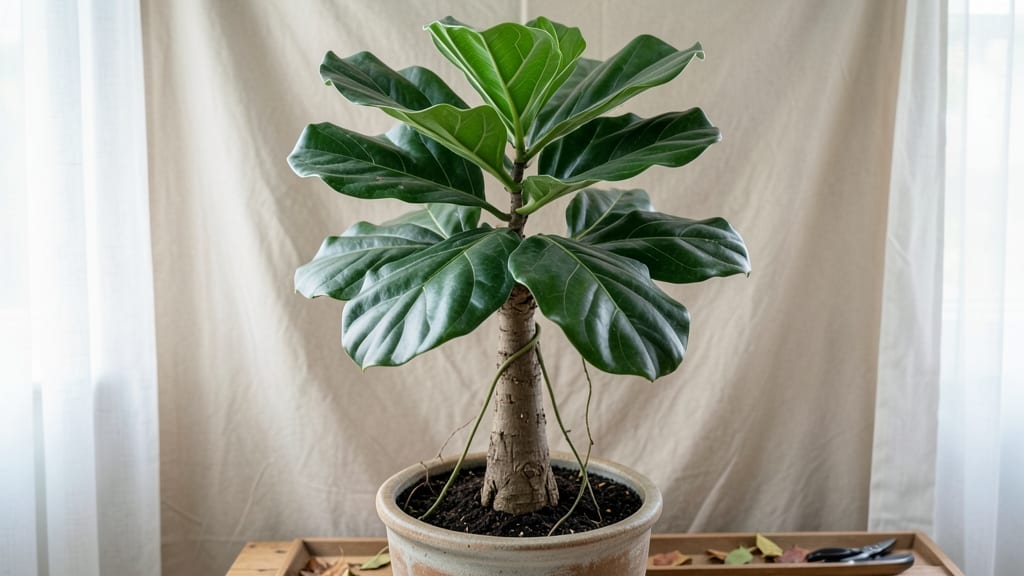
That ficus tree is poisonous to cats, and its sap and leaves hide a dangerous secret for your feline friends—compounds that cause mild to severe reactions when ingested, from drooling and vomiting to oral irritation.
I learned this the hard way when my curious tabby, Luna, chewed a leaf and spent the night miserable.
The good news? Removing the plant immediately reduces risk, but even dead leaves can harm pets. Swap it for cat-safe alternatives like spider plants or Boston ferns, which thrive indoors and won’t make your furry friend sick.
If you love the fig tree’s drama, keep it out of reach—high shelves or hanging planters work best.
Watch for these urgent signs after exposure: excessive drooling, pawing at the mouth, or lethargy. Contact your vet or the ASPCA Poison Control Center right away—early treatment makes all the difference. A quick clean-up (wiping paws, rinsing mouths) can prevent worse outcomes.
For pet owners, this isn’t about giving up greenery—it’s about choosing wisely. Replace ficus with non-toxic plants, secure existing ones, and keep litter boxes away from soil.
Your garden can still be lush and safe with the right swaps. Let’s make your home a happy, healthy space for both you and your pets.
📚 In This Guide
- What you need
- Instructions
- Tips and common mistakes
- Wrapping up and next steps
What you need
- ● Gloves: Heavy-duty, nitrile or latex gloves (2 pairs) – to protect your hands from sap and toxins.
- ● Face mask: N95 or dust mask (1) – to avoid inhaling plant debris or irritants.
- ● Pruning shears: Sharp, sterilized shears (1 pair) – for cutting larger branches or stems.
- ● Gardening scissors: Small, precise scissors (1 pair) – for trimming smaller leaves or stems.
- ● Trash bags: Heavy-duty, sealed bags (2-3) – for disposing of toxic plant parts safely.
- ● Disinfectant wipes: Alcohol or bleach wipes (1 pack) – to clean tools and surfaces after contact.
- ● Vacuum with HEPA filter: (1) – to clean up fine debris and sap from floors/carpets.
- ● Pet-safe cleaner: Vinegar or enzymatic cleaner (1 bottle) – to neutralize sap residues.
- ● First aid kit: Basic kit (1) – in case of accidental exposure (e.g., skin irritation).
- ● Veterinary contact info: Emergency vet number (saved) – for immediate pet care if symptoms appear.
- ● Pet-safe air purifier: (1) – to improve air quality post-removal.
- ● Plant disposal service: Local hazardous waste pickup (if available) – for safe ficus disposal.
- ● Pet monitor: Camera or baby gate (1) – to restrict your cat’s access to the area during cleanup.
- ● Activated charcoal: (1 small bottle) – for emergency oral administration (only under vet guidance).
How to identify and safely remove ficus trees harmful to cats
Here’s how to spot dangerous ficus varieties and remove them without risking your cat’s health.
🌿 Step 1: Confirm the Ficus Type and Toxicity
Not all ficus trees are equally dangerous, but common varieties like the weeping fig (Ficus benjamina) and rubber plant (Ficus elastica) contain furans and polyacetylenes, which cause severe reactions in cats. Check your plant’s leaves—if it has glossy, heart-shaped foliage or drooping branches, it’s likely toxic.
Look for cat behaviors like drooling, pawing at the mouth, or vomiting after they’ve chewed leaves. These are red flags. If you’re unsure, snap a photo and compare it to a trusted plant database—better safe than sorry.
✂️ Step 2: Prepare for Safe Removal
Before touching the plant, ventilate the room by opening windows or turning on fans. Wear gloves and a long-sleeved shirt to avoid skin irritation from sap. Place a plastic sheet or newspaper under the plant to catch fallen leaves or debris—these can still harm your cat if ingested.
Gather pruning shears, a trash bag, and a small spray bottle with water to dampen leaves before handling. Wet leaves reduce airborne irritants and make cleanup easier. If your cat is already showing symptoms, call your vet immediately—this step comes after ensuring your pet’s safety.
🪴 Step 3: Remove the Plant and Clean Up Thoroughly
Start by cutting the ficus at the base with clean shears, leaving no stumps. Drop the entire plant into a sealed trash bag—do not compost it, as toxic compounds can linger. If the tree is large, break it into smaller sections for easier disposal.
Next, wipe down every surface the plant touched—including shelves, floors, and furniture—with a mild soap and water solution. Cats groom themselves, so residual sap on surfaces can still be dangerous. Pay extra attention to areas where your cat spends time, like scratching posts or favorite napping spots.
💧 Step 4: Replace with Cat-Safe Alternatives
Once the toxic ficus is gone, introduce non-toxic plants like spider plants, Boston ferns, or cat grass. These are safe for cats and can even help deter them from chewing on houseplants. Place new plants in areas your cat can’t easily reach, like high shelves or hanging planters.
Monitor your cat for at least 24 hours after removal to ensure no lingering symptoms appear. If they do, seek veterinary care right away. This is the moment that matters—your cat’s well-being comes first.
Tips & tricks for safe ficus tree removal
Real talk: Removing a toxic ficus isn't just about cutting the plant—it's about protecting your cat from lingering dangers. Here's how to do it right without missing a single detail.
Identification is everything: In Step 1, when checking for toxic varieties, pay special attention to the leaf shape and texture. Weeping figs have long, slender leaves with pointed tips, while rubber plants have thick, glossy leaves with wavy edges. If your cat has already shown symptoms, don't wait—act immediately. I once thought a plant was safe until my cat got sick, and I learned that lesson the hard way.
Safety first in Step 2: The ventilation and protective gear in Step 2 aren't just suggestions—they're essential. I've seen people skip gloves and end up with irritated skin that lasts for days. Dampen those leaves thoroughly before handling; it makes a huge difference in reducing airborne irritants that can linger in your home. Trust me on this.
Cleanup can't be overlooked: When you're wiping down surfaces in Step 3, don't stop at visible sap spots. Use a damp cloth to wipe every inch of furniture, walls, and floors where the plant might have touched. Cats groom themselves constantly, so residual toxins can still be dangerous. I once missed a small area behind my bookshelf, and my cat still got sick from licking her paw afterward.
Monitoring matters: That 24-hour monitoring period in Step 4 is critical. I've seen cases where symptoms appeared 18 hours after removal, so don't cut it short. Keep a close eye on your cat's behavior, especially if they're curious about the newly cleaned areas. It's better to be overly cautious than to miss subtle signs of distress.
Pro Tips for Ficus Tree Poisonous To Cats
- Real talk: Removing a toxic ficus isn't just about cutting the plant—it's about protecting your cat from lingering dangers.
- Identification is everything: In Step 1, when checking for toxic varieties, pay special attention to the leaf shape and texture.
- Safety first in Step 2: The ventilation and protective gear in Step 2 aren't just suggestions—they're essential.
Frequently asked questions
Got questions about ficus trees and your curious kitty? You’re not alone!
Here are some of the most common concerns—and expert answers—to keep your feline friend safe while enjoying your greenery.
What are the first signs my cat was poisoned by a ficus tree?
Watch for drooling, vomiting, or pawing at the mouth within minutes to hours after ingestion. Other red flags include lethargy, diarrhea, or difficulty swallowing. If you notice these, contact your vet or the ASPCA Poison Control Center immediately—time is critical!
How long does ficus toxicity last in cats?
Symptoms typically appear within 12–24 hours and may last 24–48 hours, depending on the amount ingested. Mild cases resolve with supportive care (like IV fluids), but severe reactions can take longer. Always monitor your cat closely and follow your vet’s advice.
Are all ficus trees equally dangerous to cats?
Yes! The entire ficus genus—including rubber plants (Ficus elastica), weeping figs (Ficus benjamina), and fiddle-leaf figs (Ficus lyrata)—contains caustic sap that’s toxic. Even small leaves or stems can cause issues, so keep all varieties out of paw’s reach.
What are cat-safe alternatives to ficus trees?
Swap ficus for non-toxic plants like spider plants (Chlorophytum comosum), Boston ferns (Nephrolepis exaltata), or cat grass (Dactylis glomerata). These are pet-friendly and add greenery without the risk. Just double-check with the ASPCA’s plant list to be sure!
How do I safely remove a ficus tree if my cat keeps chewing it?
Start by relocating the plant outdoors or to a high shelf. If pruning is needed, wear gloves and dispose of clippings in a sealed bag. For stubborn chewers, try bitter apple spray (pet-safe) on leaves as a deterrent. Never punish your cat—redirect with toys or catnip instead!
Wrapping up and next steps
Ficus trees can be a stunning addition to your home or garden, but their toxicity to cats is a serious concern. Remember, early identification of symptoms and prompt removal of the plant are key to keeping your feline friend safe.
If you suspect your cat has ingested any part of a ficus tree, contact your vet immediately—your quick action could make all the difference.
Now that you’re armed with the knowledge to protect your pet, take that next step: replace your ficus with a cat-safe alternative, like a spider plant or Boston fern, and create a worry-free environment for your furry companion. 🐾