Pruning
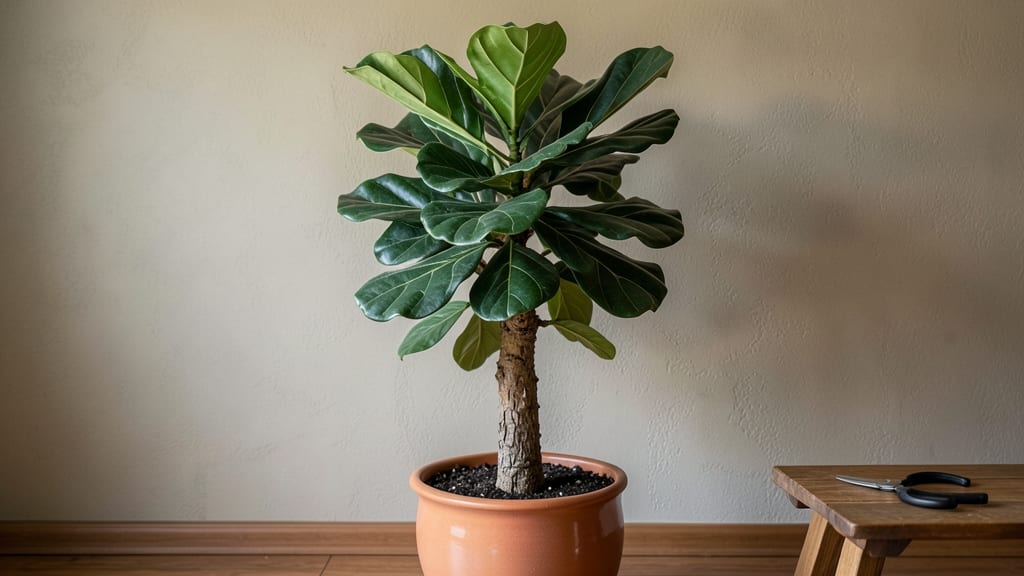
Pruning a ficus money tree transforms it from a leggy stick into a lush, five-fingered showstopper 🌿. I’ve watched mine go from bare branches to a full, bushy crown just by cutting back at the right spots—and it’s easier than you think.
The key isn’t just when to trim, but how: snipping at the right angles and nodes unlocks that dense, tropical look everyone loves.
You’ll only need sharp pruning shears, rubbing alcohol (to sterilize cuts), and a little patience. Most pruning happens in spring and summer, but light shaping can happen year-round. The goal is to encourage new growth at the base and branches, which creates that signature bushy silhouette.
Even a few strategic cuts can make a difference within weeks.
What you’ll end up with is a money tree that looks like it belongs in a botanical garden, not a living room. The leaves stay vibrant green, new shoots pop up where you pruned, and the plant fills out evenly.
Plus, you’ll avoid that sad, overgrown look that makes money trees seem like high-maintenance divas.
Works for both new plants and mature trees, indoors or in bright outdoor spots. The same principles apply whether you’re shaping a 6-inch sapling or a 6-foot veteran. Let’s get those shears out and turn that tree into a statement piece!
📚 In This Guide
- What you need
- Instructions
- Tips and common mistakes
- Wrapping up and next steps
What you need
- ● Pruning shears or scissors: Sharp, clean, and sterilized (bypass pruners work best for clean cuts).
- ● Glove: Thick gardening gloves to protect your hands from sap and thorns.
- ● Alcohol or hydrogen peroxide: 70% isopropyl alcohol or 3% hydrogen peroxide to sterilize tools before and after use.
- ○ Small container or tray: For collecting cuttings (optional but helpful for propagation!).
- ○ Rooting hormone (optional but recommended): Powder or gel-based to boost root growth in cuttings.
- ● Well-draining potting mix: Cactus or succulent mix works well if you plan to propagate.
- ● Water spray bottle: To mist cuttings and maintain humidity.
- ● Loppers: For thicker branches (if your Money Tree grows large).
- ● Rubbing alcohol wipes: Quick cleanup for tools between cuts.
- ● Plastic bags or propagator kit: To create a humid environment for cuttings.
- ● Decorative pot or vase: For displaying propagated cuttings.
How to prune a ficus money tree for full, lush growth
Here's the simple system I use to keep my money tree bushy and thriving year-round.
✂️ Step 1: Identify the Right Branches to Trim
Look for branches that are growing too long, leggy, or crossing others. These are your targets—they compete for light and air, which weakens the plant. Focus on stems that are at least 6 inches long but haven’t yet developed new leaves. I always check for yellowing or brown tips first, as these often signal overgrowth or stress.
Real talk: Don’t trim healthy, leafy branches just because they’re long. You’ll see the best results when you prune just above a leaf node (the bump where leaves attach). This encourages new growth right at that spot. If you’re unsure, trim back to a leaf node at least 3 inches from the end—this gives the plant enough energy to regrow.
✂️ Step 2: Use Clean Tools and Make the Right Cuts
Grab your sharp pruning shears and wipe the blades with rubbing alcohol before you start. A dull blade crushes stems instead of cutting cleanly, which invites disease. I like to make my cuts at a 45-degree angle, about ¼ inch above the leaf node. This prevents water from pooling on the cut, which can rot the stem.
If you’re trimming thicker branches (over ½ inch in diameter), take your time. Make a small cut first to test the angle, then follow through. Avoid tearing the bark—this stresses the plant and slows recovery. You’ll know you’re doing it right when the cut looks smooth, not jagged.
🌿 Step 3: Encourage New Growth After Pruning
After trimming, place your money tree in bright, indirect light for a few days. Direct sun can scorch fresh cuts, so a spot near a window with sheer curtains works best. Water lightly—just enough to keep the soil slightly moist but not soggy. Overwatering now can drown the roots while they recover.
Here’s the thing—your money tree will start sending out new shoots from the leaf nodes where you cut. Watch for tiny red or green buds forming within 2-4 weeks. These are your future branches! If you don’t see them after a month, check for overcrowding or low light—both can stunt regrowth.
⏰ Step 4: Maintain Year-Round with Seasonal Adjustments
In spring and summer, you can trim more aggressively to shape the tree. The plant grows fastest then, so it recovers quickly. In fall and winter, lighten up—just remove dead or crossing branches. I usually do a light trim every 3 months to keep the shape balanced without shocking the plant.
Don’t skip this: If your money tree gets too leggy, it’s begging for a hard prune. Cut back ⅓ of the longest stems in one session, and you’ll see bushier growth within 6-8 weeks. Just remember—less is more. A little pruning now saves you from a major overhaul later.
Tips & tricks for pruning your ficus money tree
A few simple tricks that'll transform your money tree from sparse to lush in no time.
Leaf Node Focus: When you're ready to trim in Step 1, don't just cut randomly—look for those small bumps where leaves attach (leaf nodes). These are your growth hotspots! Cutting just above a leaf node gives your tree the best chance to sprout new branches right at that spot. I've seen trees go from bare stems to full foliage in just 8 weeks by focusing on these nodes.
Tool Prep Matters: Before you even make a cut in Step 2, take 30 seconds to wipe your pruning shears with rubbing alcohol. I've had to deal with fungal issues when I skipped this step—clean tools mean cleaner cuts and healthier plants. For thicker branches over ½ inch, make a small test cut first to check your angle before committing to the full cut. This prevents that frustrating tear you can't fix.
Light and Recovery: After pruning, move your tree to bright but indirect light for those first few days (Step 3). I use a sheer curtain to diffuse harsh sunlight—direct sun can scorch fresh cuts and stress the plant. Watch for those tiny red or green buds appearing within 2-4 weeks at the leaf nodes. If you don't see them after a month, your tree might need more light or less crowding from other branches.
Seasonal Strategy: In spring and summer (Step 4), you can be more aggressive with your cuts since the tree grows fastest then. But in fall and winter, just remove dead branches—your tree needs to conserve energy. I've found that doing a light trim every 3 months keeps my money tree perfectly balanced without shocking it. And if your tree gets too leggy, don't be afraid to cut back ⅓ of the longest stems in one session—you'll see bushier growth within 6-8 weeks.
Pro Tips for Ficus Money Tree
- A few simple tricks that'll transform your money tree from sparse to lush in no time.
- Leaf Node Focus: When you're ready to trim in Step 1, don't just cut randomly—look for those small bumps where leaves attach (leaf nodes).
- Tool Prep Matters: Before you even make a cut in Step 2, take 30 seconds to wipe your pruning shears with rubbing alcohol.
Frequently asked questions
Got questions about keeping your Ficus Money Tree thriving with the right pruning? Here are some common ones—and their answers!
How often should I prune my Money Tree?
Prune your Money Tree year-round for optimal growth, but focus on light trims every 2–4 weeks to encourage bushiness. For major shaping, do it once or twice a year (spring or early summer). Avoid heavy pruning in winter, as growth slows down.
Can I prune my Money Tree too much?
Yes! Over-pruning can stress your plant, leading to leaf drop or stunted growth. Never remove more than 1/3 of the foliage at once. If you’ve already trimmed too much, reduce watering slightly and place it in bright, indirect light to recover.
What should I do with the cuttings?
Money Tree cuttings root easily in water! Place 3–4 inch cuttings in a jar of water, changing it weekly. Once roots form (in 2–4 weeks), transplant them into soil. Pro tip: Use a well-draining mix to prevent rot!
Why are my leaves yellowing after pruning?
Yellowing leaves are usually normal post-pruning, but excessive drop may signal stress. Ensure your plant gets bright, indirect light and moderate watering (let the top inch of soil dry out). Avoid drafts or sudden temperature changes.
Can I prune a Money Tree to make it taller?
Nope! Money Trees grow upward naturally, but you can’t force height through pruning. Instead, prune side branches to encourage a fuller, bushier shape. For a taller look, focus on supporting its single trunk and avoiding over-trimming.
Wrapping up and next steps
Your Ficus Money Tree is now ready to thrive with its newfound bushiness and vitality! 🌿 Pruning isn’t just about aesthetics—it’s a year-round ritual that strengthens your plant, encourages lush growth, and keeps pests at bay.
With the right tools, timing, and techniques, you’ve unlocked the secret to a healthier, happier green companion.
Ready to take it further? Experiment with propagation! Those trimmed cuttings can root and grow into new Money Trees—double the joy for half the effort. Happy pruning, and may your ficus money tree bring you both growth and good fortune! 💰🌱